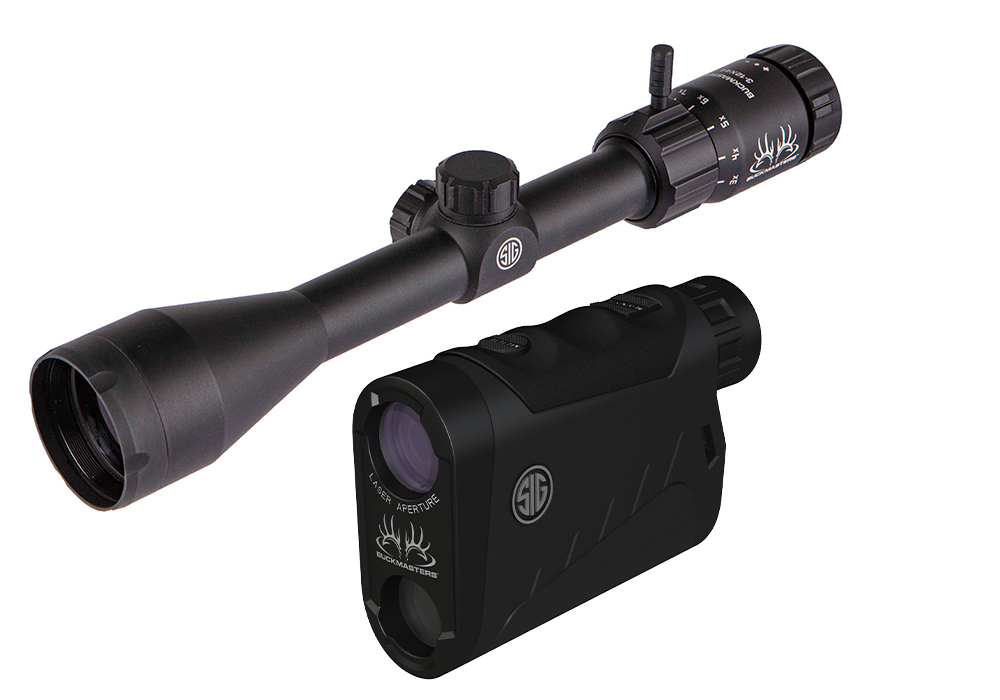
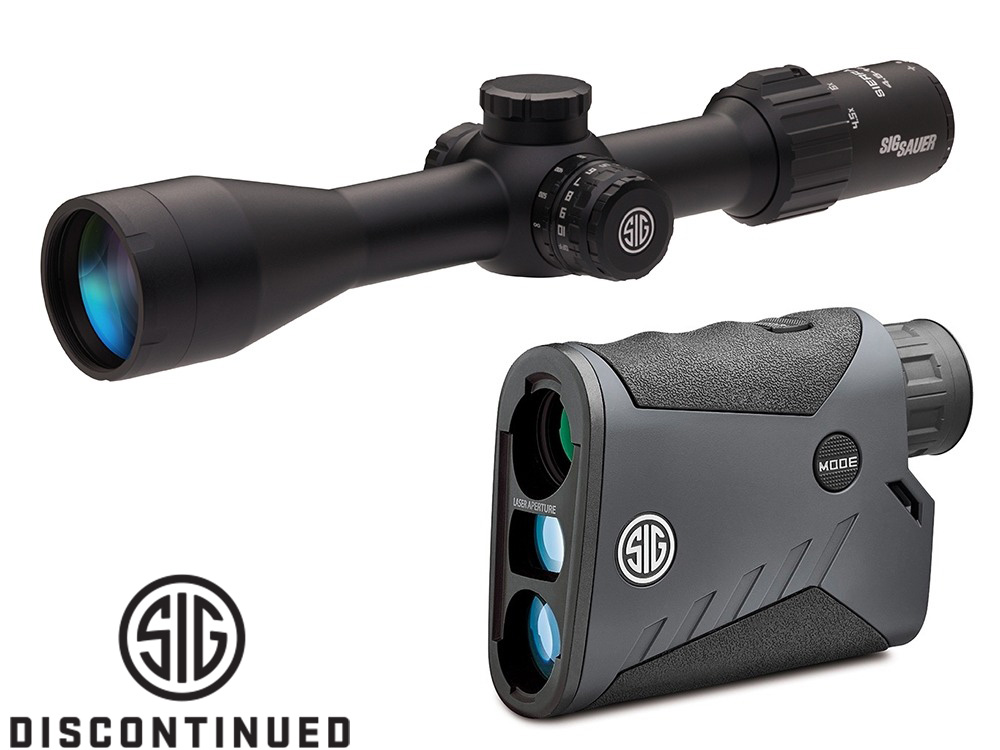
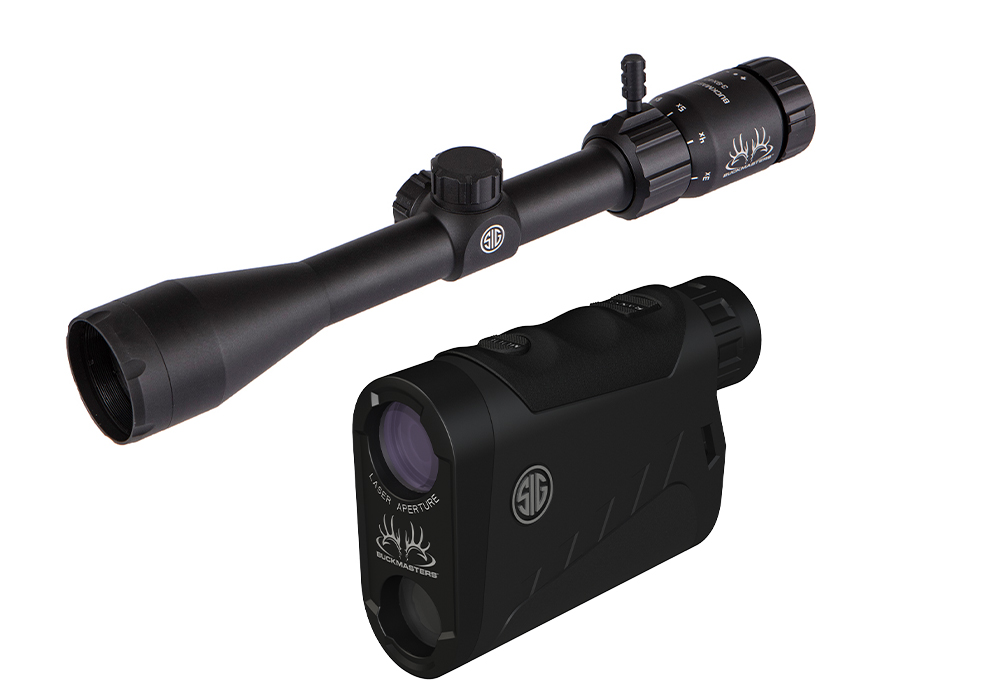
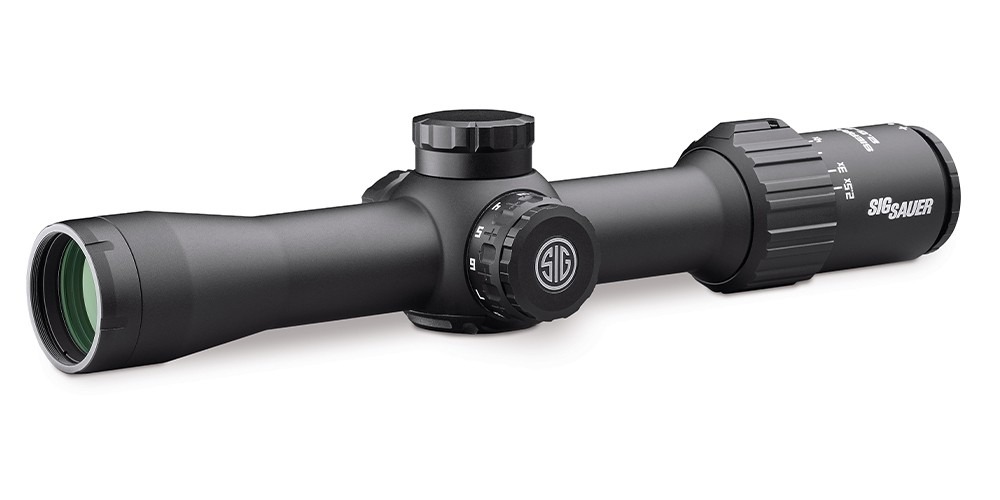
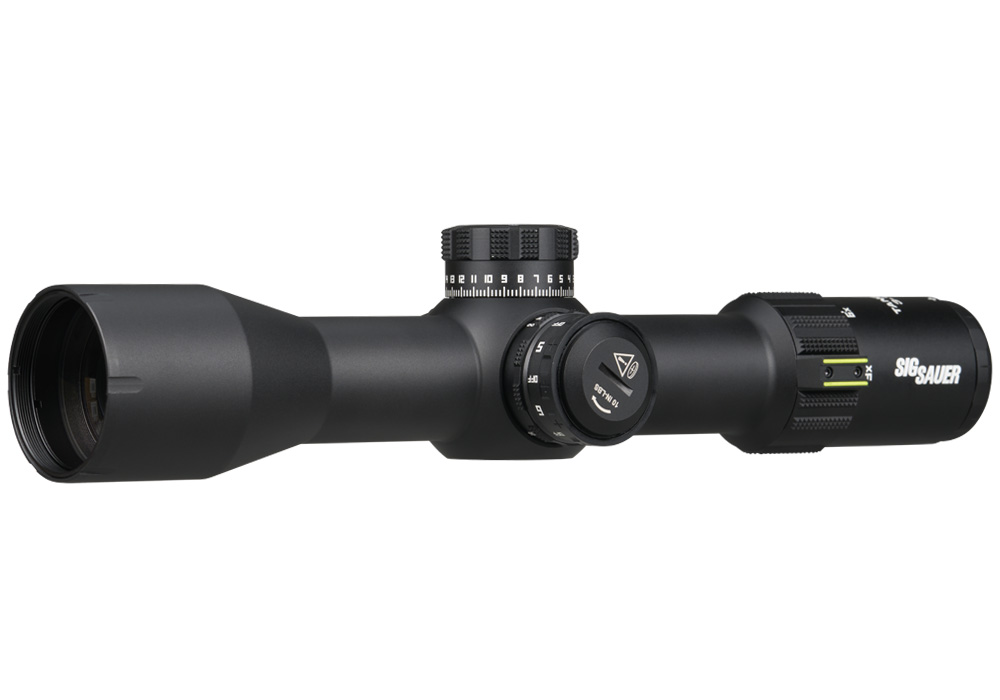
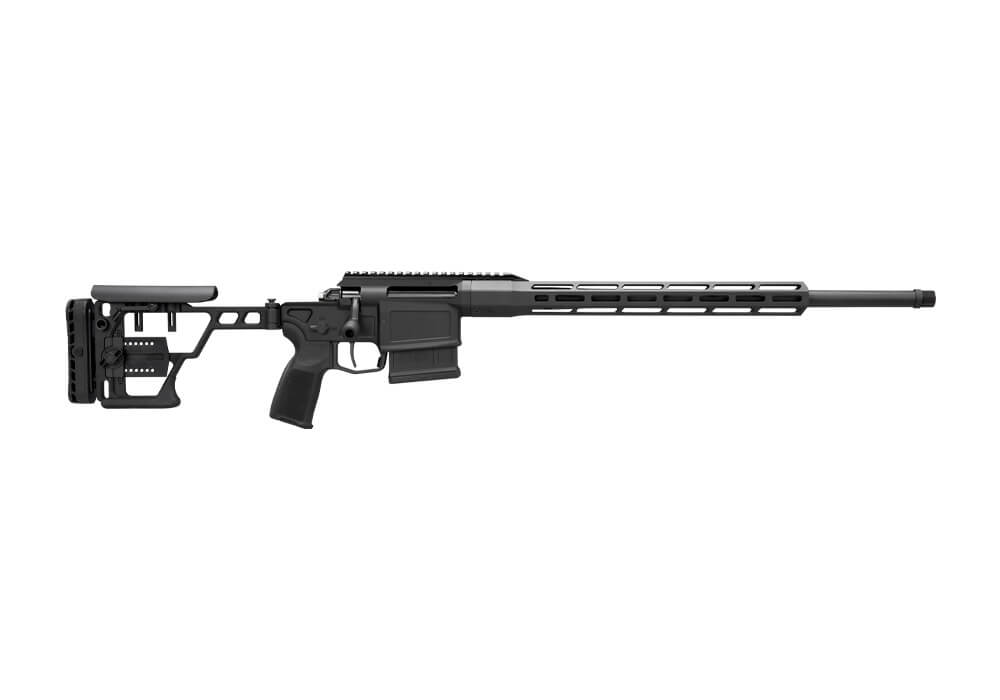
Fall hunting rifle scope combos bring together two of the most important pieces of a hunting setup: a dependable rifle and an optic selected to complement it. For many hunters, the appeal is straightforward. A matched rifle-and-scope package can simplify the buying process, reduce the guesswork involved in pairing compatible equipment, and often cost less than purchasing the firearm and optic separately. These combinations are well suited to hunters preparing for big-game seasons, new sportsmen building a first centerfire rifle setup, and experienced outdoorsmen who want a practical second rifle for a family member or hunting partner. They can also make thoughtful gifts for a responsible adult who has completed the required training and understands safe firearm handling, storage, and local regulations. As the weather warms and preseason practice begins, a combo gives the owner a clear starting point for confirming fit, learning the controls, and developing confidence before heading into the field. During the cooler months, that preparation can make a meaningful difference when a hunt involves a long hike, changing light, uneven ground, and only a brief opportunity to make a carefully considered shot. Browse related optic options in Fall Hunting Scopes to compare scopes that may also suit a rifle purchased separately.
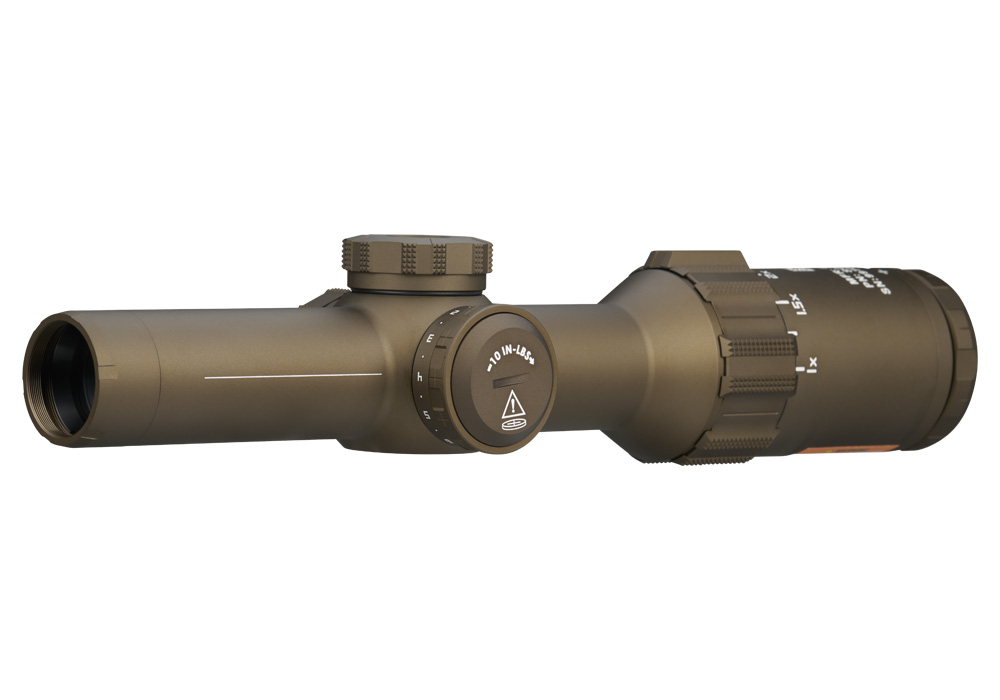
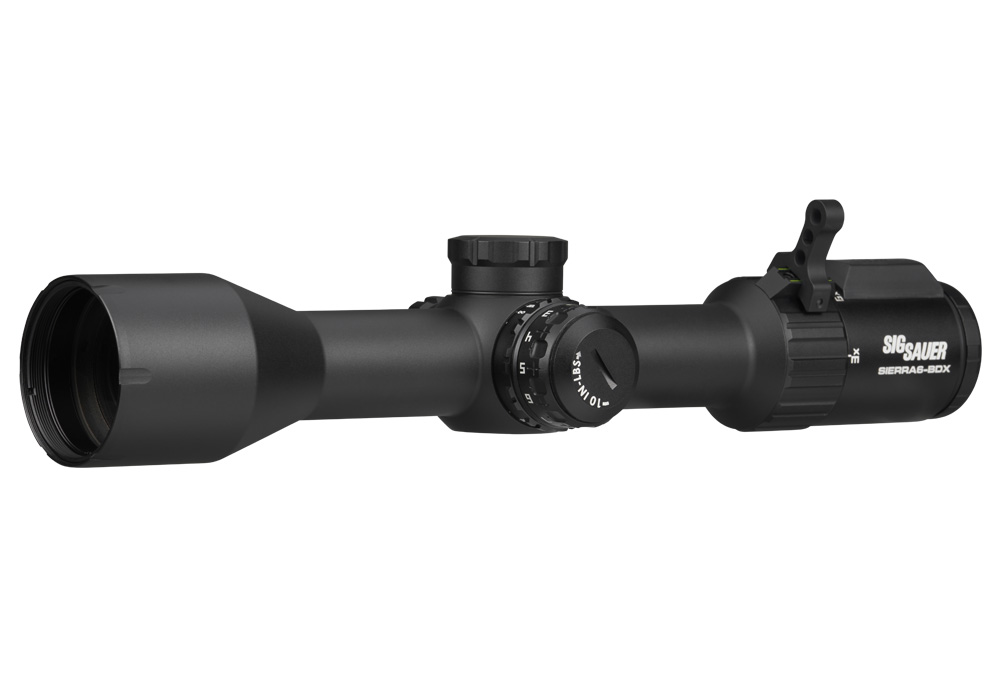
When choosing among Fall Hunting Rifle Scope Combos, start with the type of hunting and terrain in which the setup will be used. A general-purpose scope in the familiar 3-9x range offers a useful balance of magnification, field of view, and ease of use for woods, mixed terrain, and many big-game situations. At lower power, a hunter can locate moving game more easily and maintain a wider view around the reticle. At higher power, the optic can provide a closer look across a meadow, cutover, or open hillside, provided the conditions and ethical shooting distance support that choice. Scopes offering a 4-12x range may be attractive for open country, longer sightlines, or hunters who prefer additional magnification for deliberate shooting from a stable rest. Objective size also deserves attention. A 40mm objective is a common all-around choice that balances light-gathering performance with manageable weight and mounting height. Larger objectives may offer advantages in certain low-light conditions but can add bulk and require careful attention to ring height and cheek position. Reticle style, adjustment markings, eye relief, and the clarity of the glass should be considered alongside magnification. A simple, visible reticle may be especially helpful in thick cover or fading evening light, while a ballistic or illuminated design can suit hunters who have a clear understanding of how to use and verify those features. The best combination is the one that feels natural when shouldered, presents a full sight picture quickly, and supports precise aiming without forcing an awkward head position.
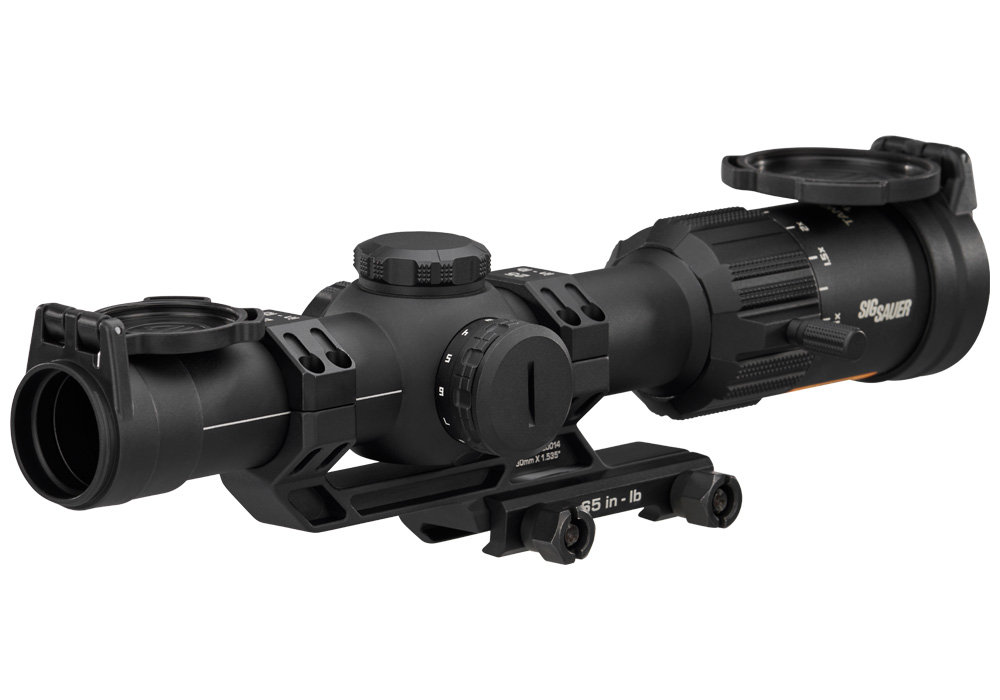
Compatibility and setup are just as important as the specifications printed on a product page. Confirm that the rifle’s chambering, barrel configuration, stock design, and action are appropriate for the intended game and hunting regulations. A scope must have sufficient eye relief and a mounting system that matches the rifle’s receiver or factory-installed bases. Solid rings and bases should resist recoil and hold their position through transport, practice, and repeated field use; mounting screws and ring fasteners should be installed and checked according to the manufacturer’s instructions. Some factory-matched combinations arrive mounted or boresighted, which can save time during initial setup, but that does not replace live-fire confirmation. Before a hunt, the owner should verify the zero at a safe, appropriate range, confirm the reticle’s point of aim at the distances expected in the field, and recheck the rifle after any hard impact or significant change in ammunition. Ammunition selection matters as well, since different bullet weights and loads can produce different points of impact even when they share the same caliber. Spend time practicing from realistic positions such as sitting, kneeling, or using a pack as a rest, while keeping every shot within a responsible range. A crisp trigger, comfortable stock, manageable recoil, and clear optic can make a rifle easier to handle, but sound judgment remains central to every hunt. Store the firearm unloaded and secured when not in use, transport it in accordance with applicable law, and confirm licensing, season, caliber, magazine, and hunting requirements before traveling. With thoughtful selection and careful preparation, a rifle scope combo can provide a dependable foundation for preseason practice, careful field observation, and safe, ethical hunting throughout the changing conditions of the season.