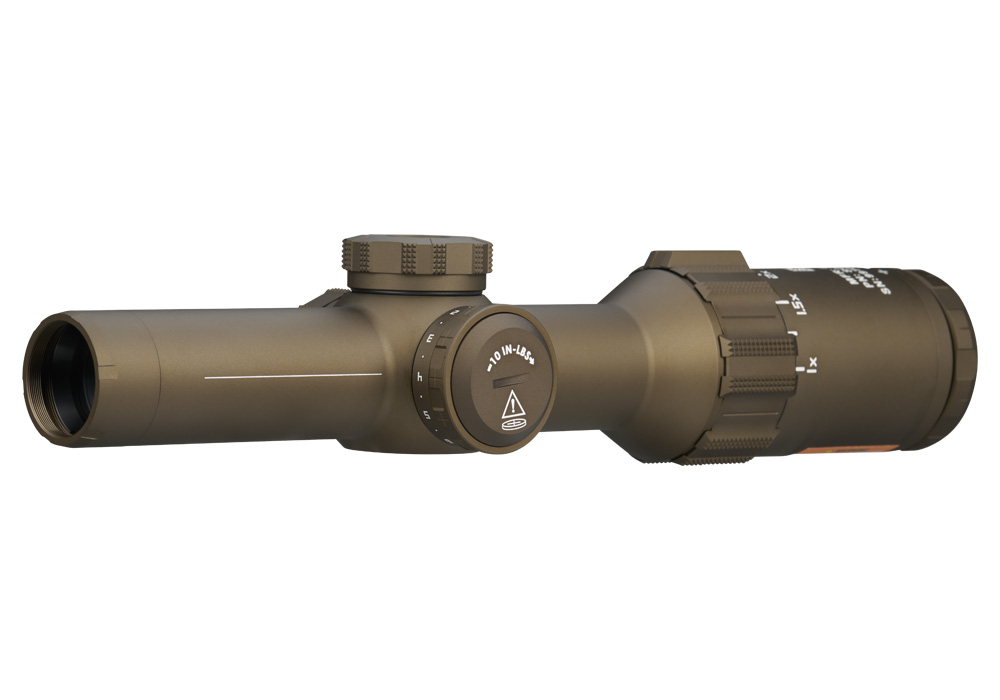
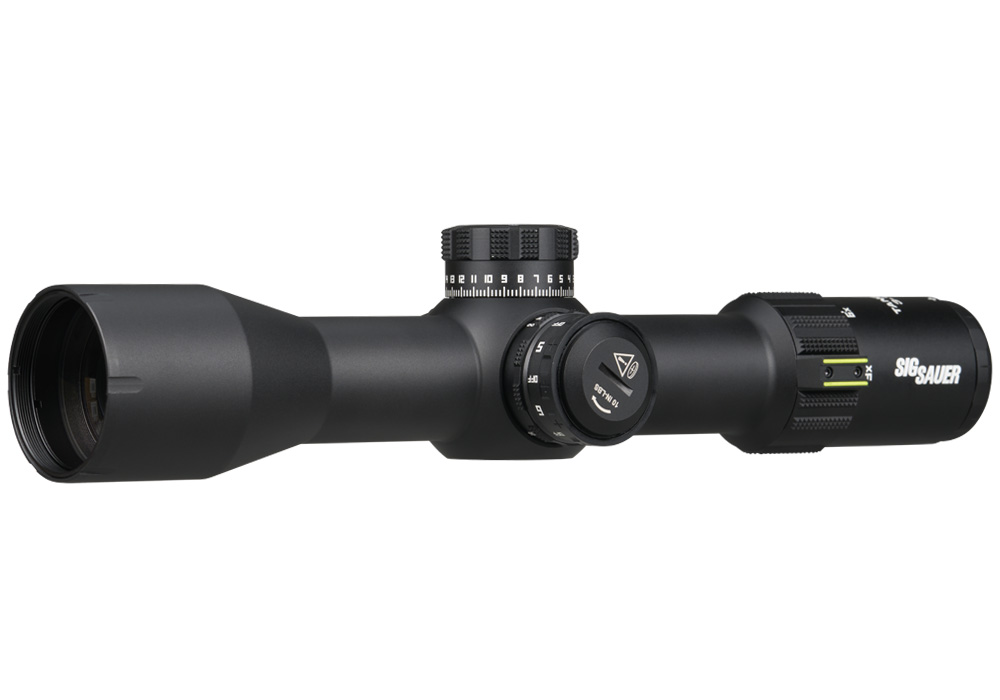
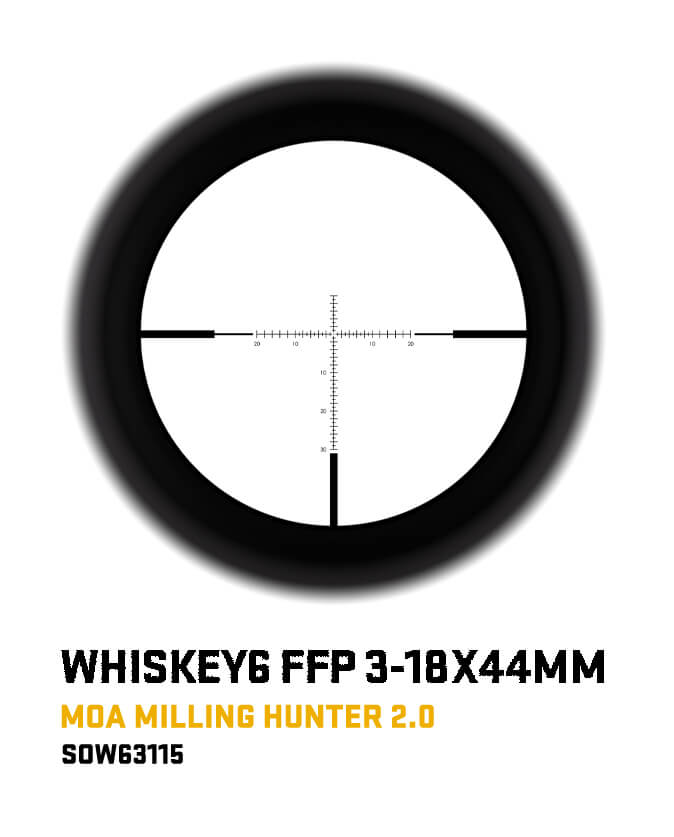
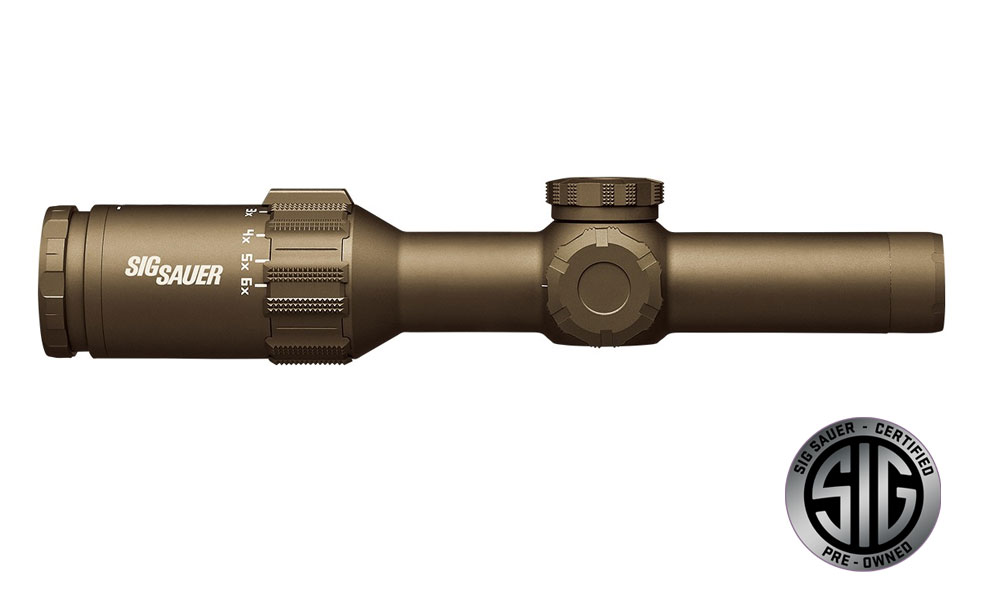
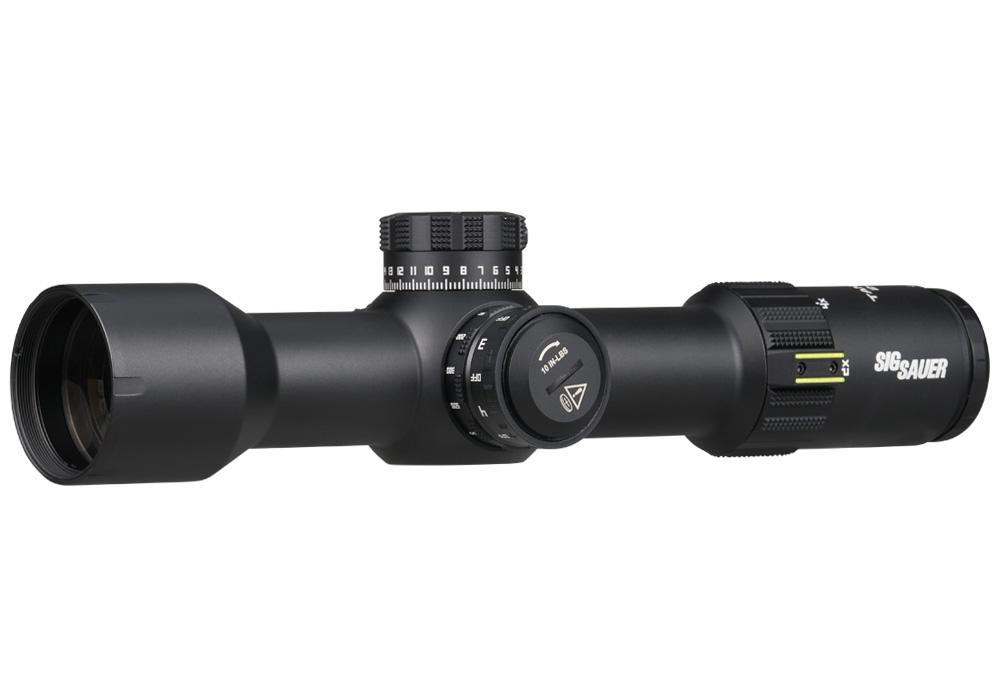
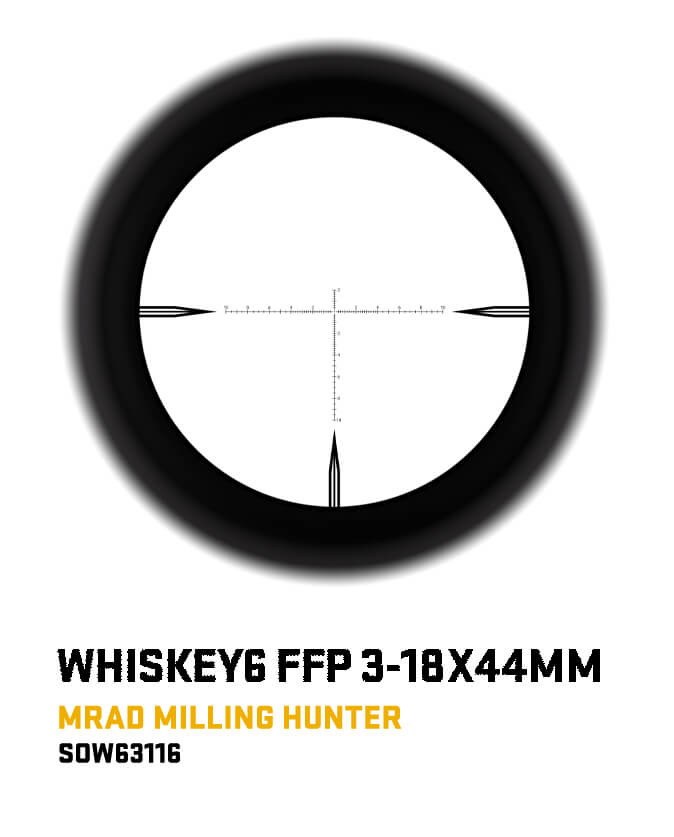
Fall hunting tactical rifle scopes are selected for the changing conditions that come with cooler mornings, fading afternoon light, and terrain that can shift from open fields to dense timber within a single outing. A well-matched scope gives a hunting rifle more flexibility, combining a practical magnification range with a durable optical system and adjustments that are easy to use in the field. Many hunters look for a versatile 3-15x or 4-16x range because the lower end supports a wider field of view for quick shots at closer distances, while the upper end provides a clearer sight picture when an ethical opportunity appears farther away across a cutover, ridge, or open meadow. Tactical-style features can also be useful on a hunting rifle when they remain intuitive and appropriately sized for the rifle’s intended use. Exposed or locking turrets allow a shooter to make controlled elevation and windage adjustments, while a dependable zero-stop or similar reference system can help return the optic to its established zero after dialing for distance. Consistent turret tracking matters just as much as the markings on the turret itself; each adjustment should correspond predictably to the intended point of impact. MOA and MRAD systems can both serve hunters well, provided the scope’s reticle, turret graduations, ballistic data, and shooting habits all use the same measurement system. A first focal plane reticle keeps subtensions accurate throughout the magnification range, which can be helpful for holdovers and wind corrections, while a second focal plane design maintains a consistent reticle appearance and may feel especially familiar for hunters who primarily use a favored magnification setting. Illuminated reticles can add contrast against a shadowed treeline or dark animal, but illumination should be used at a restrained brightness so the aiming point remains visible without washing out the target or creating unnecessary glare.
Optical clarity becomes particularly important during the cooler months, when legal hunting light may begin with a gray horizon and end beneath long shadows. Look for glass and coatings that preserve contrast, color, and edge-to-edge detail in changing light, along with a suitable objective diameter that balances brightness against overall size and weight. A larger objective can support light transmission at higher magnification, but it may require taller mounting hardware and add bulk to a rifle that already needs to be carried through uneven ground. Hunters who spend long hours walking between glassing points often appreciate a lighter optic, especially when every ounce is felt after climbing a steep slope or crossing wet ground. As a general consideration, an optic under roughly 25 ounces may appeal to mobile hunters, while a heavier scope can make sense when rugged construction, a larger objective, or more extensive adjustment capability takes priority. Eye relief should be generous and forgiving, particularly on rifles with substantial recoil, and the scope should offer a fast, comfortable sight picture when a hunter raises the rifle from a low-ready position. Weather resistance is equally important. Sealed construction, dependable waterproofing, fog resistance, and a hard-wearing exterior help an optic perform when cold rain beads on the tube, damp brush brushes against the rifle, or a temperature change creates condensation during a transition from a heated vehicle to the open air. Before choosing a scope, consider the rifle’s caliber, expected distances, mounting space, ring height, and the balance of the complete setup. A scope that looks ideal in isolation may feel cumbersome once installed, while an optic with a sensible profile can preserve handling and make it easier to move quietly through cover. Hunters comparing a scope and rifle as a coordinated setup may also browse Fall Hunting Rifle Scope Combos for a more unified approach to equipment selection.
These scopes can serve a range of hunters, from someone preparing for a first season in a new region to an experienced marksman refining a familiar rifle for longer, more deliberate shots. A tactical hunting scope may be especially useful for hunters who spend part of the season in open country, agricultural edges, rolling foothills, or mixed terrain where shot distances are not always predictable. It can also suit a shooter who practices regularly from field positions and values repeatable adjustments rather than relying exclusively on a fixed holdover. That versatility makes a quality optic a thoughtful gift for a serious hunter, provided the recipient’s rifle, mounting system, preferred reticle style, and measurement system are known. If those details are uncertain, a gift card or an opportunity to choose together can be more practical than guessing at compatibility. Every scope should be mounted securely, leveled correctly, and confirmed at the range before entering the field. Practice should include the magnification settings, turret adjustments, reticle holds, and shooting positions likely to be used during a hunt, with attention to safe muzzle direction and a clearly identified backstop. A hunter who has practiced dialing from a 100-yard zero to a longer distance is less likely to fumble with unfamiliar controls when the wind moves across a hillside, and a hunter who has tested the illuminated reticle at low brightness will know exactly how it appears against timber at first light. During fall hunts, compact binoculars, a rangefinder, lens covers, a lens cloth, and a secure sling can complement the scope without adding unnecessary complication. Keep lenses protected from rain, dust, and clothing fibers, and avoid wiping grit across the glass; a gentle air blower followed by a proper lens cloth is a better routine. The most effective setup is the one that matches the rifle, the terrain, and the hunter’s real habits: enough magnification for responsible identification, enough field of view for close encounters, reliable adjustments for changing distance and wind, and a durable build that remains dependable from the first cool morning through the early winter days.