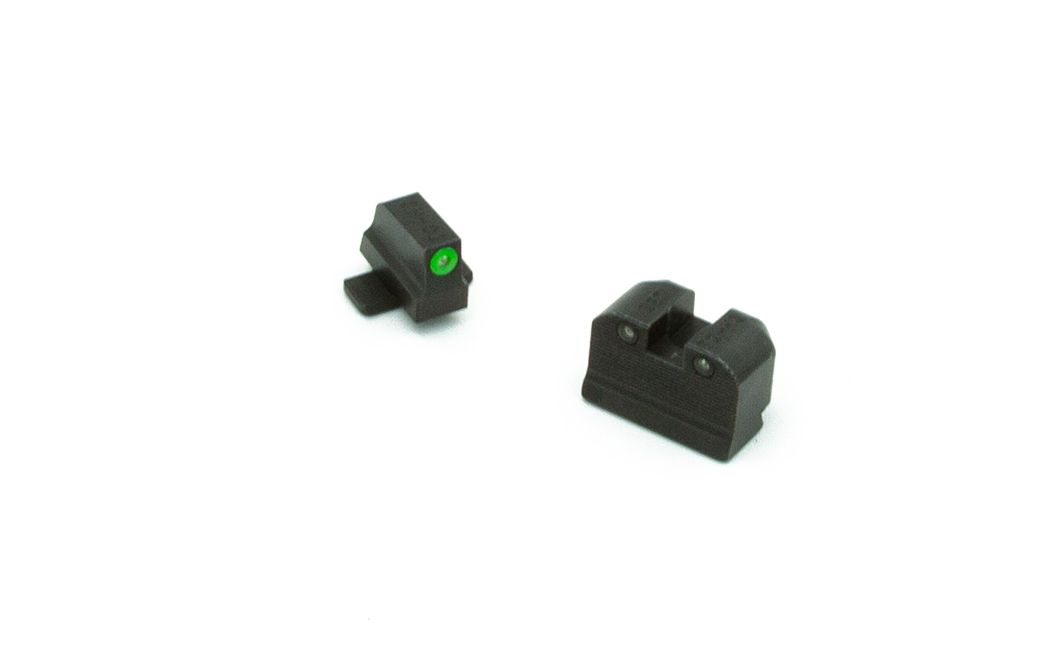
Fall hunting optics help hunters make better use of the changing light, shifting weather, and varied terrain that define the cooler months. In the first gray minutes before sunrise, a clear view through binoculars can reveal the line of a ridge, the movement of a deer through timber, or the difference between a branch and an antler. Later, as shadows lengthen across a field, a dependable riflescope can help maintain a precise aiming picture without narrowing the view more than necessary. Choosing the right optic begins with matching magnification, size, and optical performance to the way you hunt. For general whitetail hunting, 8x42 or 10x42 binoculars are widely useful choices, balancing a broad field of view with enough magnification for glassing across openings, wooded hillsides, and creek bottoms. An 8-power binocular may feel steadier during extended glassing and can make it easier to follow moving game, while 10-power binoculars provide additional detail across longer distances when supported by a solid stance or tripod. Objective lenses around 42mm offer a practical blend of light-gathering ability and packability, though larger objectives can provide a brighter image in dim conditions at the cost of added weight. Look for fully multi-coated lenses, glare control, sharp edge-to-edge detail, comfortable eye relief, and a durable exterior that can handle damp ground, cold hands, and the occasional contact with a pack frame or tree stand. A binocular harness or protective case can be just as useful as the optic itself, keeping the glass accessible while protecting it from rain, brush, and accidental knocks during a long day outdoors.
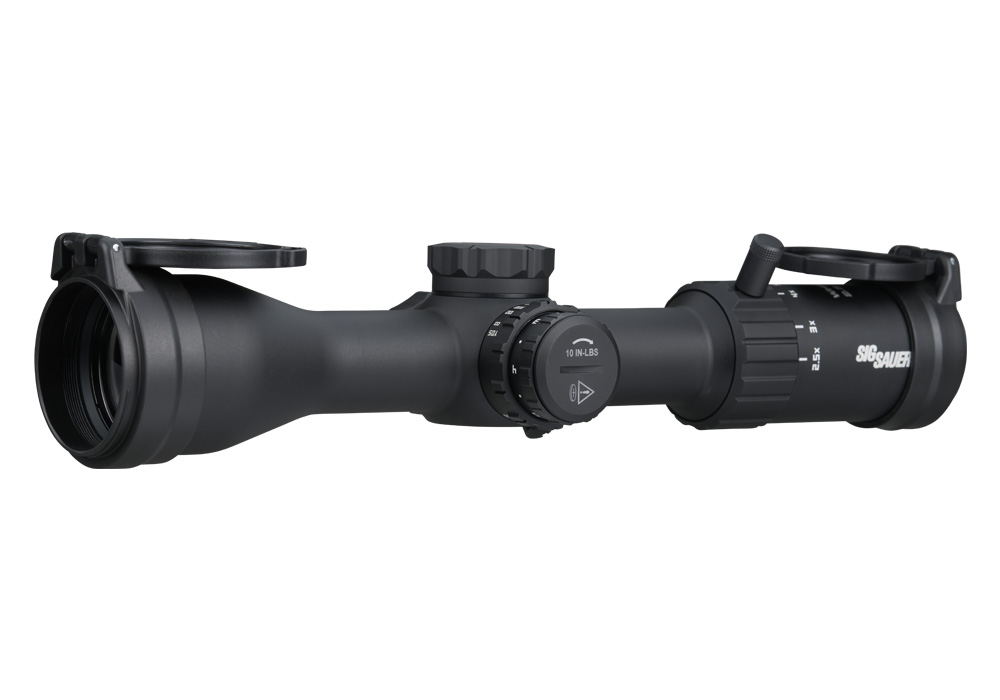
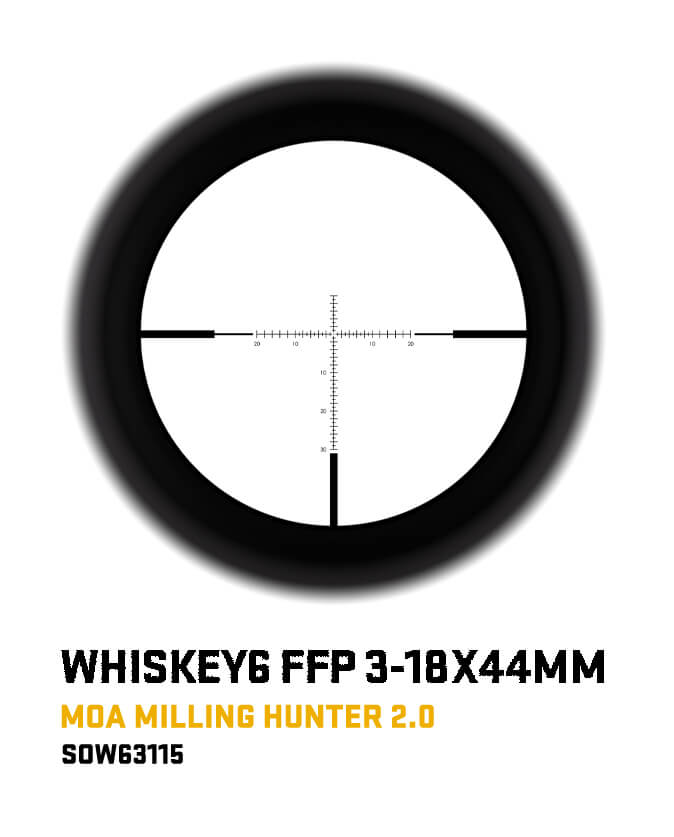
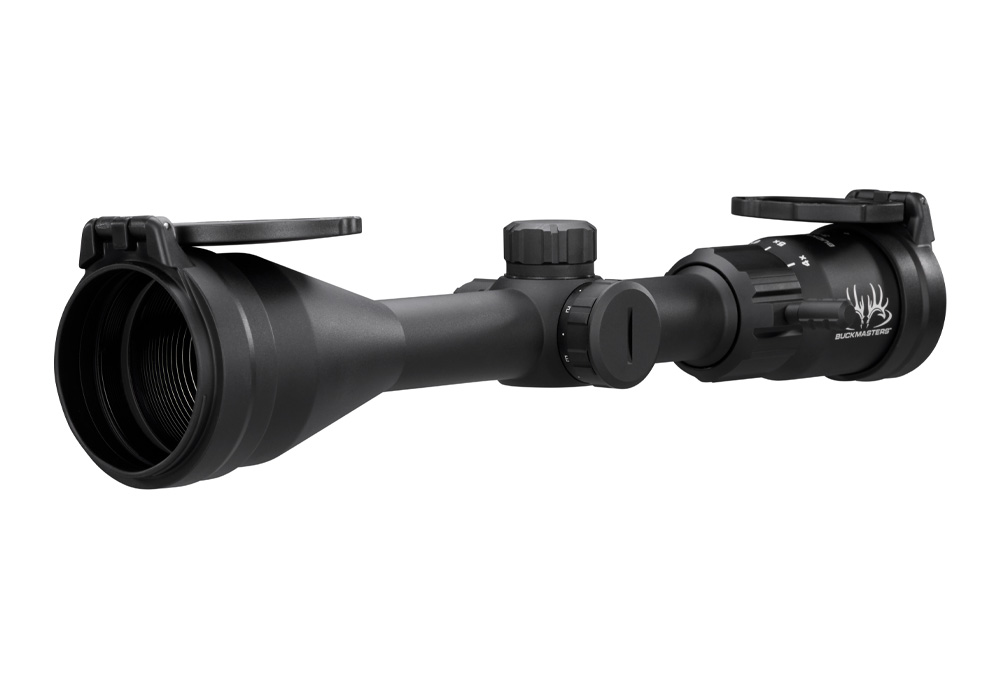
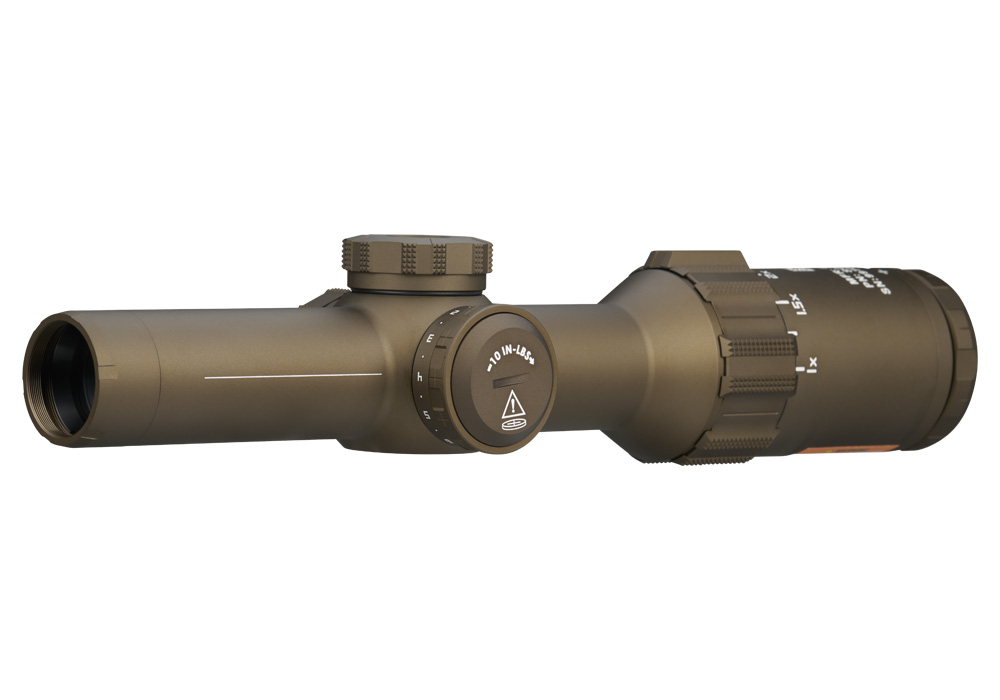
Rifle scopes require a similarly deliberate balance. A compact 2-7x or 3-9x configuration remains a versatile option for timber, rolling farmland, and mixed terrain where a quick sight picture and generous field of view may matter more than extreme magnification. At the lower power settings, these scopes can help a hunter locate game quickly when an animal appears unexpectedly at a modest distance; increased magnification can then support more careful shot placement when conditions allow. Open country, western ridgelines, and broad clear-cuts may call for a 4-16x or 3-18x scope, especially when the hunter needs to study distant terrain or make a carefully measured shot across a canyon or valley. More magnification is not automatically better, however. It can reduce the visible field, make a moving target harder to track, and emphasize every tremor in an unsupported position. A useful fall hunting scope should have a reticle that remains visible in subdued light, reliable and clearly marked adjustments, adequate eye relief, and a mounting system that can hold zero through temperature changes, travel, and repeated use. Turret design matters as well: hunters who sight in once and keep their adjustments capped may prefer a straightforward, snag-resistant setup, while those who dial for distance may value precise, repeatable controls and a clearly understood elevation system. For shoppers comparing specialized options, Fall Hunting Tactical Rifle Scopes can provide a focused place to review configurations intended for demanding field conditions. Before heading out, confirm the optic is properly mounted, level, and zeroed with the ammunition being carried. A few careful groups from a stable bench, followed by confirmation from a practical field position, can prevent the frustration of discovering a shift after hiking into a remote glassing point. Always follow applicable laws, obtain required permits, identify the target and what lies beyond it, and use magnification only to support a safe, ethical shot.
Spotting scopes and advanced imaging tools can round out a fall setup for hunters who spend long hours evaluating distant slopes or watching a large area. An angled spotting scope in a compact configuration, such as a model offering approximately 13-39x magnification with a mid-size objective, can help assess antler development, distinguish legal game from non-target animals, or study a far hillside without immediately committing to a stalk. Higher magnification is useful in open country, but atmospheric haze, wind, and unstable support can limit the detail an optic can actually deliver. A lightweight tripod with a smooth pan head often improves the view more than simply adding power, especially when glassing from a rocky overlook or a tucked-away field edge. Thermal and multispectral devices may offer additional awareness in brush, heavy shade, or other difficult viewing conditions, with some systems combining daytime viewing, low-light capability, thermal imaging, and rangefinding functions. These technologies can be valuable for property observation and lawful hunting applications, but regulations vary by jurisdiction and species, so buyers should review local rules before use. Weight deserves attention throughout the selection process: an optic that looks impressive at a counter may become a burden after several miles, particularly when paired with a tripod, extra layers, water, and other equipment. For that reason, many hunters choose a compact binocular for constant carry, a dependable variable riflescope for the firearm, and a spotting scope only when the terrain and hunting method justify the additional load. Optics can also make thoughtful gifts for a new hunter, a seasoned outdoorsperson, or someone preparing for a first guided trip, provided the recipient’s firearm, terrain, hunting style, and vision needs are considered. A gift of quality binoculars is especially practical because they can be used for scouting, wildlife observation, range work, and everyday outdoor experiences long after the season changes. During the cooler months, dependable glass brings detail out of shadow, helps hunters move with greater confidence, and turns distant country into a landscape that can be read carefully and responsibly.