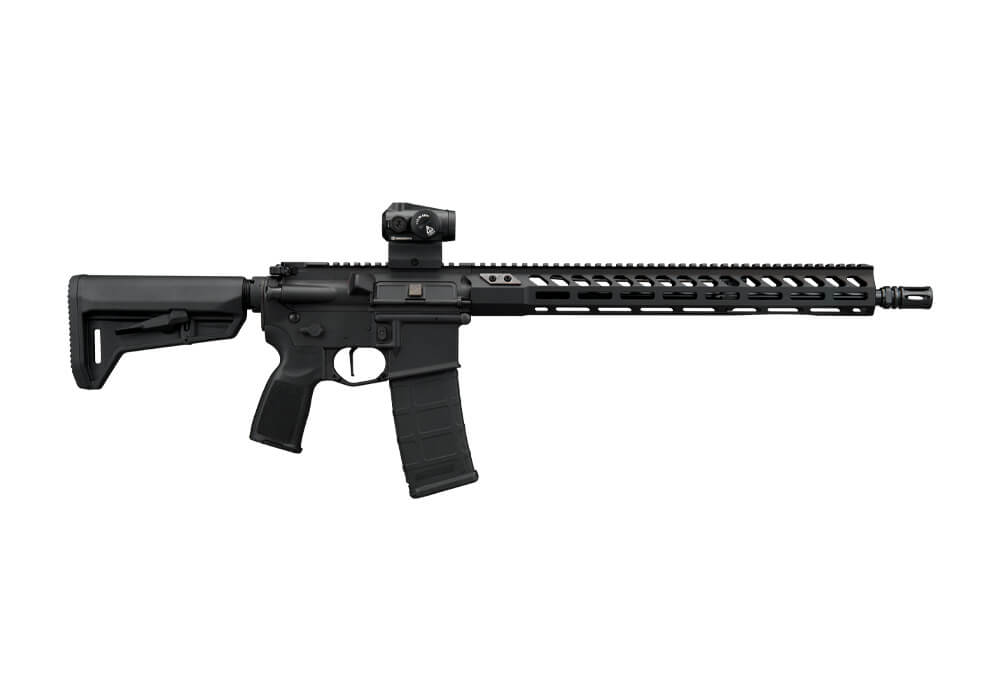
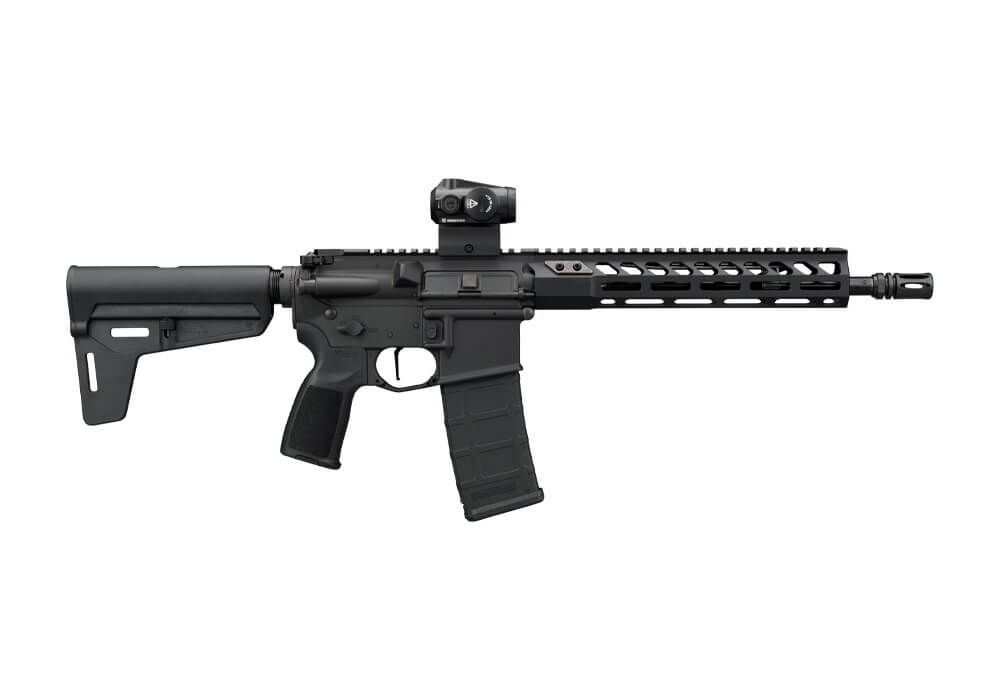
High-performance tactical firearms are firearms designed around consistent accuracy, reliable function, durable construction, and ergonomics suited to demanding lawful use. The category includes handguns, rifles, and shotguns, with configurations that serve different needs in professional duty, organized competition, recreational target shooting, and personal protection. “Tactical” describes an intended role and a set of practical design priorities, not a universal level of quality or a guarantee of performance. A firearm’s suitability depends on how its dimensions, operating system, sights, controls, and chambering align with the user’s experience and intended application. For a frequent range visitor, that may mean a comfortable grip, clearly visible sights, and controls that remain easy to reach throughout a supervised practice session. For a qualified professional, agency requirements, approved equipment compatibility, and established maintenance procedures may carry greater weight. Competitive shooters may also need to consider the equipment rules of their chosen discipline before selecting a configuration. Across these settings, useful performance comes from the complete firearm rather than a single specification. Barrel quality, component fit, sight alignment, and ammunition compatibility all contribute to results, while the shooter’s training remains essential. Accuracy claims deserve context: a measured group size reflects particular ammunition, distances, testing methods, and conditions, rather than a promise that every user will achieve identical results. Reliability likewise means more than functioning well during a brief demonstration; it involves consistent operation with appropriate ammunition and maintenance over time. The most useful comparison starts with a clearly defined role, then weighs the characteristics that support it. A firearm intended primarily for structured range practice may place different demands on handling, transport, and accessory compatibility than one selected for authorized duty. Appearance alone cannot resolve those differences. Careful attention to documented specifications, fit, and support provides a stronger basis for choosing equipment that feels manageable and remains practical to own.
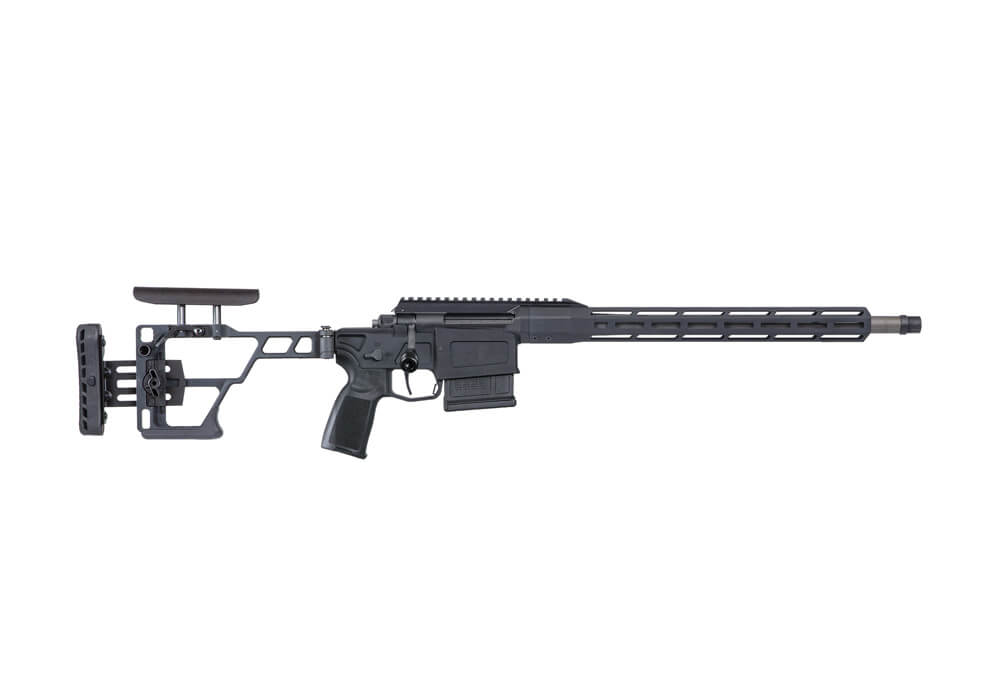
Materials and construction help explain how tactical firearms balance weight, wear resistance, and handling. Steel is commonly used in barrels and other components exposed to substantial mechanical stress, while aluminum alloys and reinforced polymers can reduce weight in appropriate parts of the firearm. No material is automatically superior in every application. Its value depends on the component’s function, the design, manufacturing quality, and the protection applied to exposed surfaces. A finish can help resist corrosion and surface wear, but it does not eliminate the need for inspection or care. Likewise, a heavier firearm may feel steadier to some shooters, yet become tiring during a lengthy range session or extended authorized carry. A lighter configuration can be easier to transport, although its handling characteristics may not suit every user. Fit brings these tradeoffs into focus. Hand size, grip circumference, trigger reach, and the position of operating controls influence whether a handgun feels natural or requires an awkward change in hand position. On shoulder-fired firearms, stock dimensions, balance, and the relationship between the eye and sights affect comfort and consistency. An adjustable fit can accommodate different users, but adjustment range is only useful when the resulting configuration remains appropriate for the firearm and its intended role. Where permitted, an in-person evaluation with a qualified retailer or instructor can reveal differences that photographs and specification tables cannot convey. The texture that feels secure during a short inspection, for example, may feel abrasive during longer practice. Sight visibility also deserves attention, particularly for users whose vision makes certain sight patterns difficult to distinguish. For shoppers comparing rifle-focused configurations, High Precision Tactical Rifles provides a related category to consider alongside these broader priorities. Compatibility should always be confirmed through manufacturer documentation rather than assumed from similar dimensions or appearance. Sights, mounting interfaces, magazines, holsters, cases, and other supporting equipment need to match the exact firearm configuration. A well-considered setup is one whose components work together as intended, without sacrificing safe handling, access to controls, or compliance with applicable requirements.
Long-term ownership adds another measure of performance: how readily a firearm can be inspected, maintained, stored, and supported throughout its service life. Regular range use leaves residue and exposes contact surfaces to wear, so the owner’s manual should establish the appropriate cleaning products, lubrication requirements, inspection points, and service intervals. More cleaning solvent or lubricant is not necessarily better, and products suitable for one surface may be inappropriate for another. Protective finishes, polymer components, and optical equipment can have different care requirements. Following the manufacturer’s directions helps preserve function without relying on improvised methods or unnecessary alterations. Unusual wear, damaged components, or changes in operation warrant evaluation by a qualified professional rather than continued use or an attempted workaround. Keeping maintenance records can be useful for frequent shooters and organizations responsible for multiple firearms, especially when inspections or scheduled service are required. Everyday practicality matters as well. A suitable transport case should protect the firearm and accommodate its dimensions without putting pressure on attached equipment. A holster, when relevant, should be designed for the exact configuration, securely retain the firearm, and fully cover the trigger area. Secure storage should prevent unauthorized access, particularly by children or anyone prohibited from possessing firearms, with ammunition secured appropriately and all applicable laws observed. These responsibilities belong alongside fit and durability in any serious purchasing decision. New owners benefit from qualified instruction in safe handling, range procedures, storage, and legal responsibilities before independent use; experienced owners also benefit from continued training and periodic review of their equipment. When comparing high-performance tactical firearms, clear specifications and a realistic understanding of ownership are more valuable than dramatic claims. Consider how the firearm will fit into routine practice, how it will be transported and secured, and whether its maintenance needs are manageable. Manufacturer service resources and accessible documentation can also matter long after the initial selection. The strongest match is a firearm that suits a lawful purpose, fits its user, and supports consistent, responsible use through dependable construction and appropriate care.