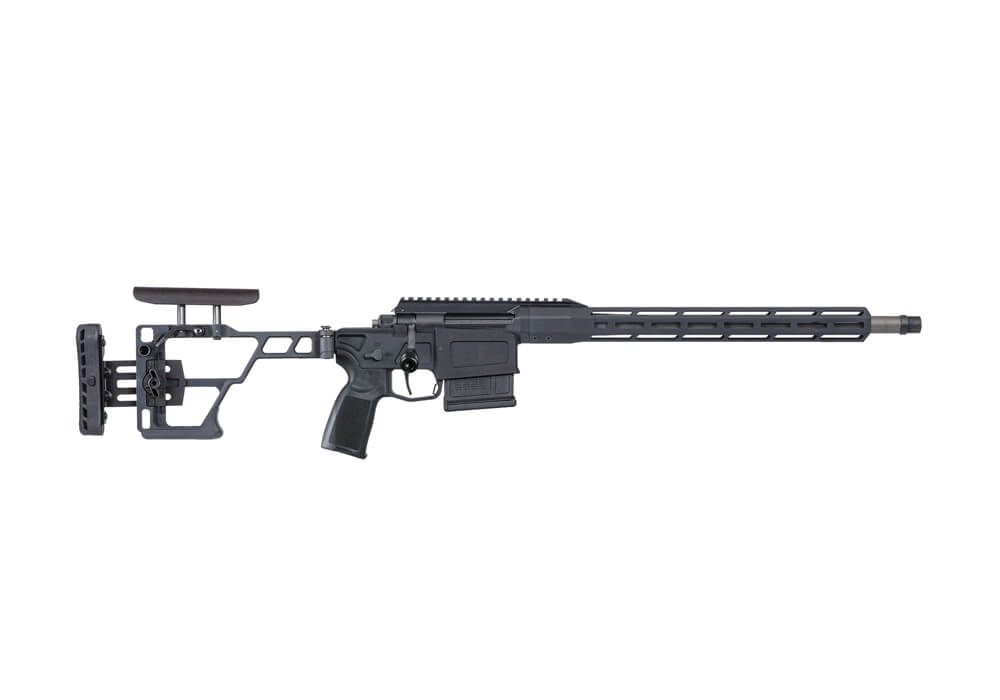
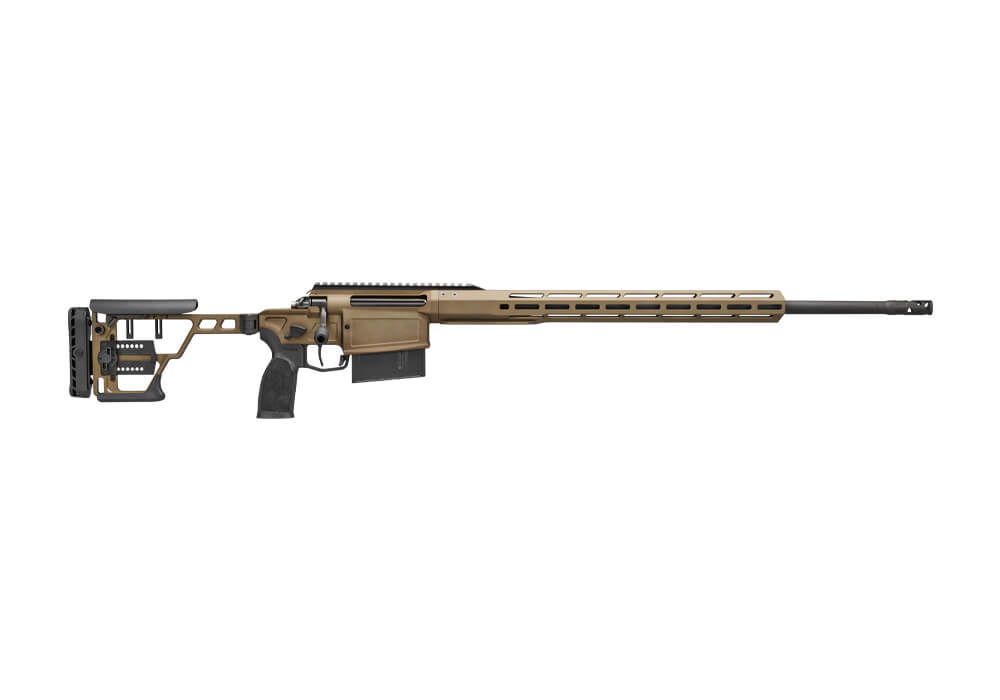
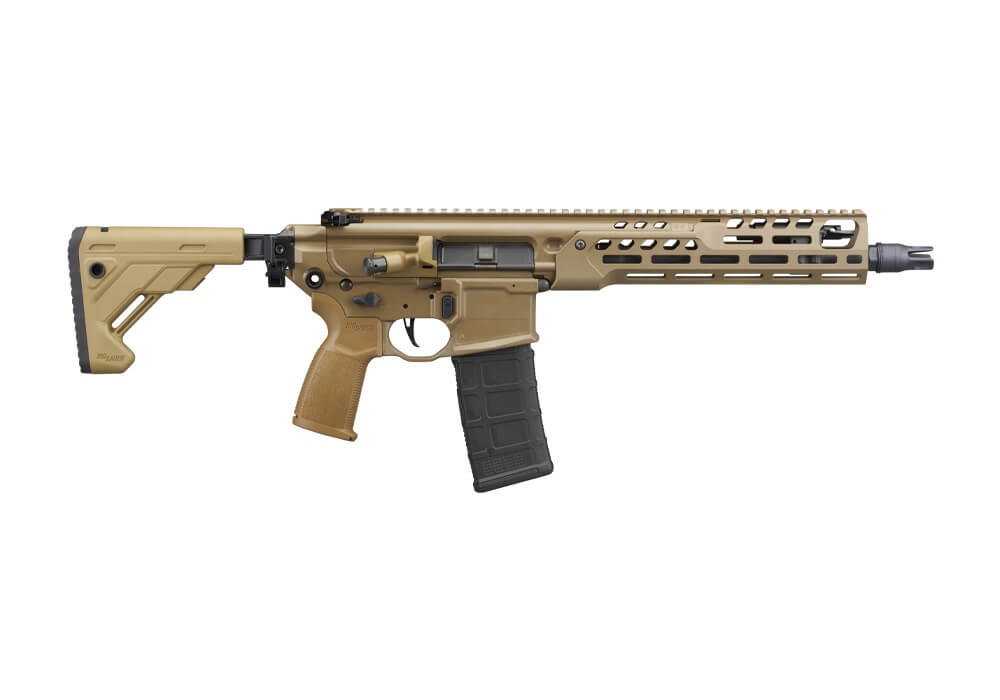
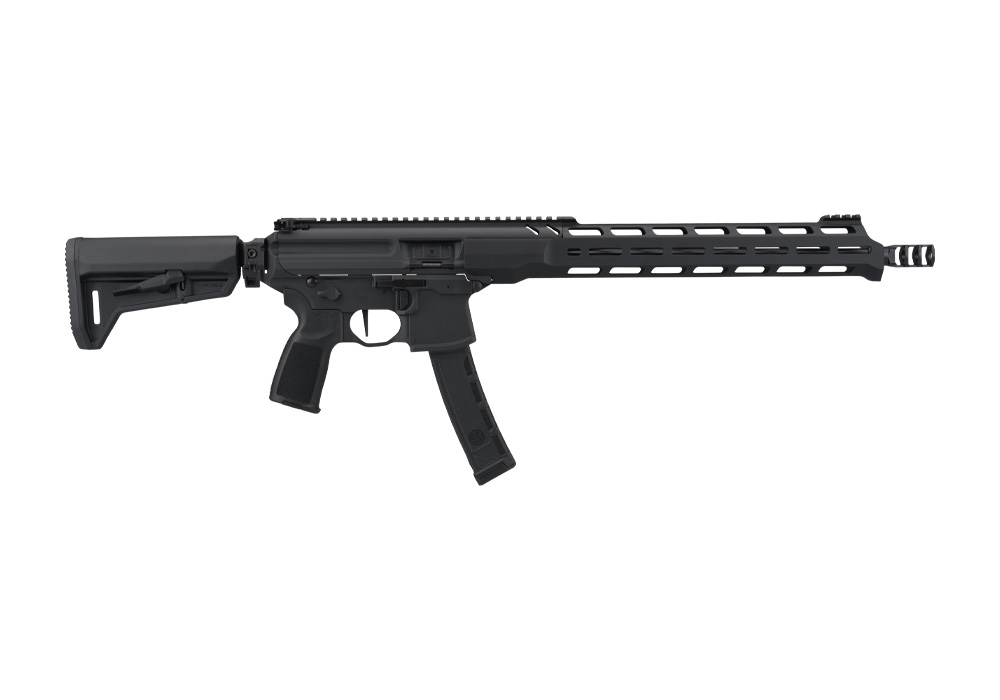
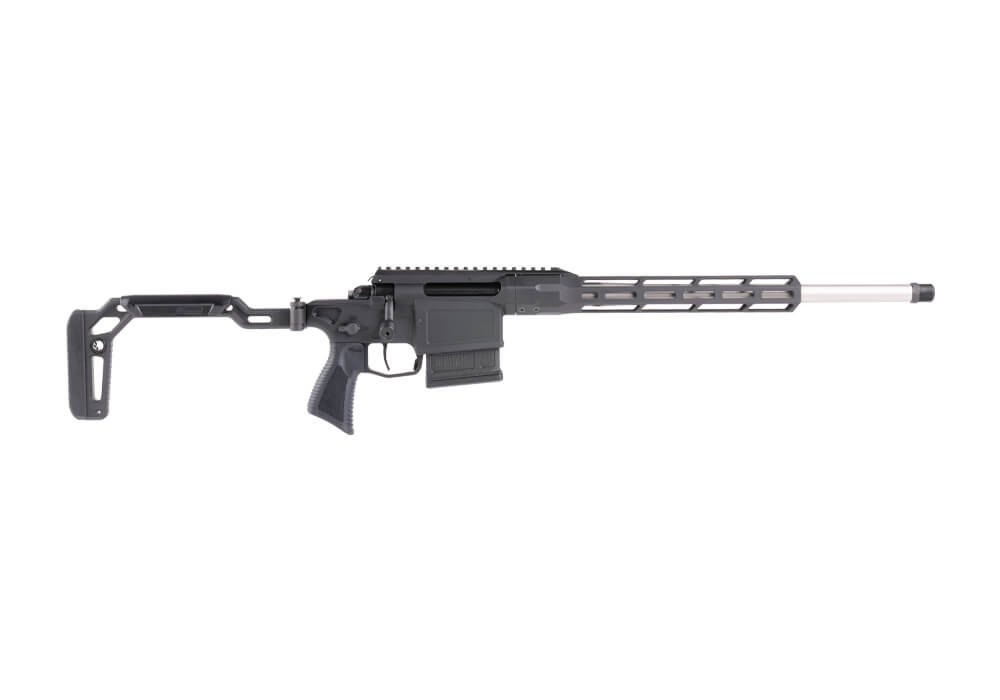
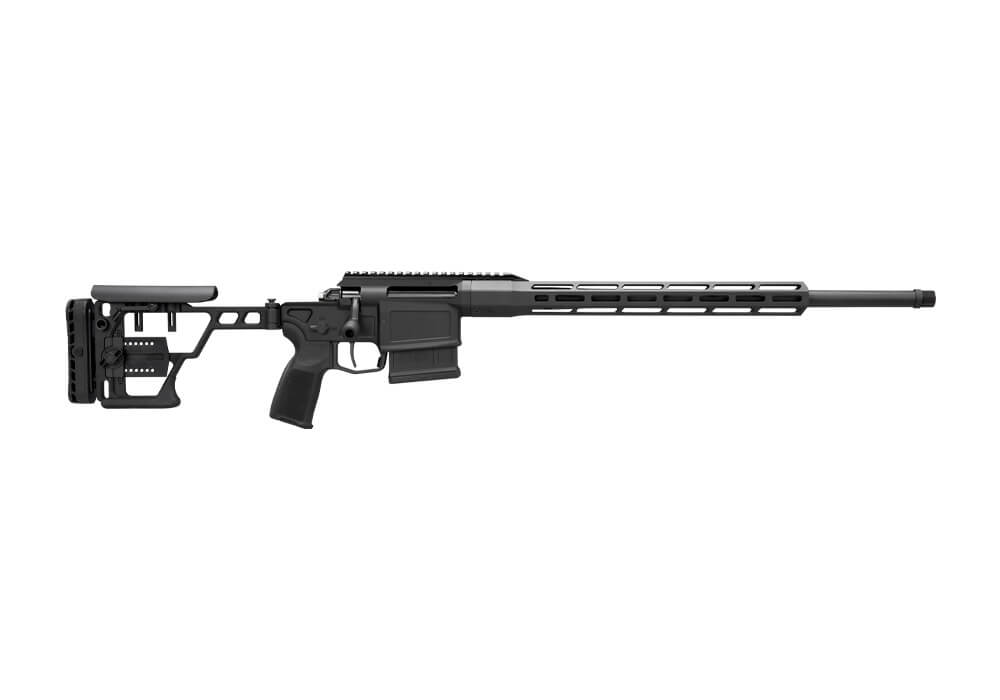
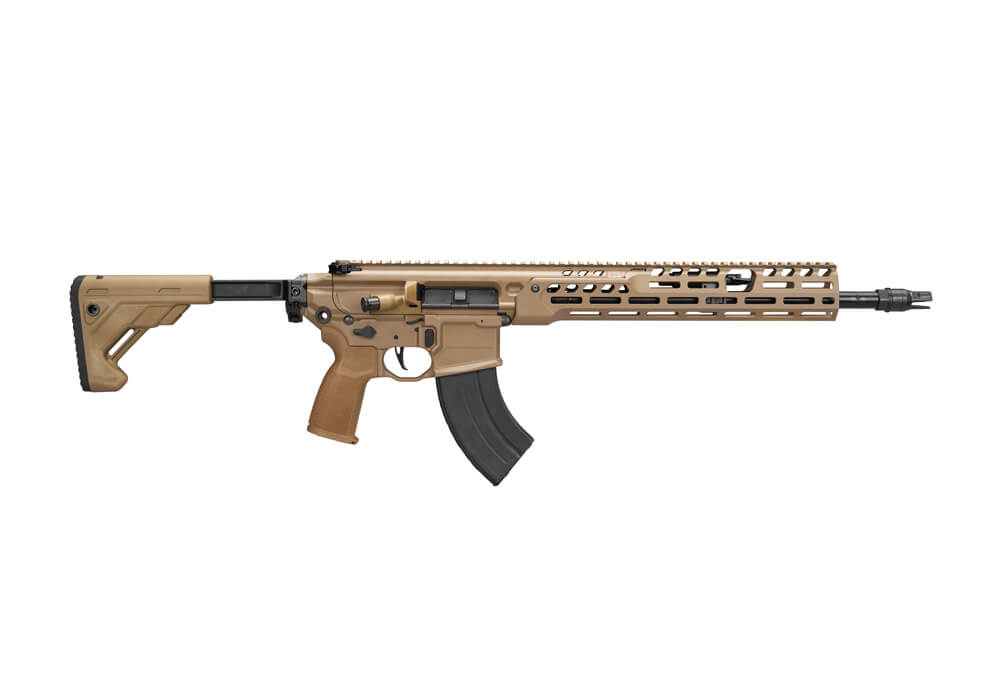
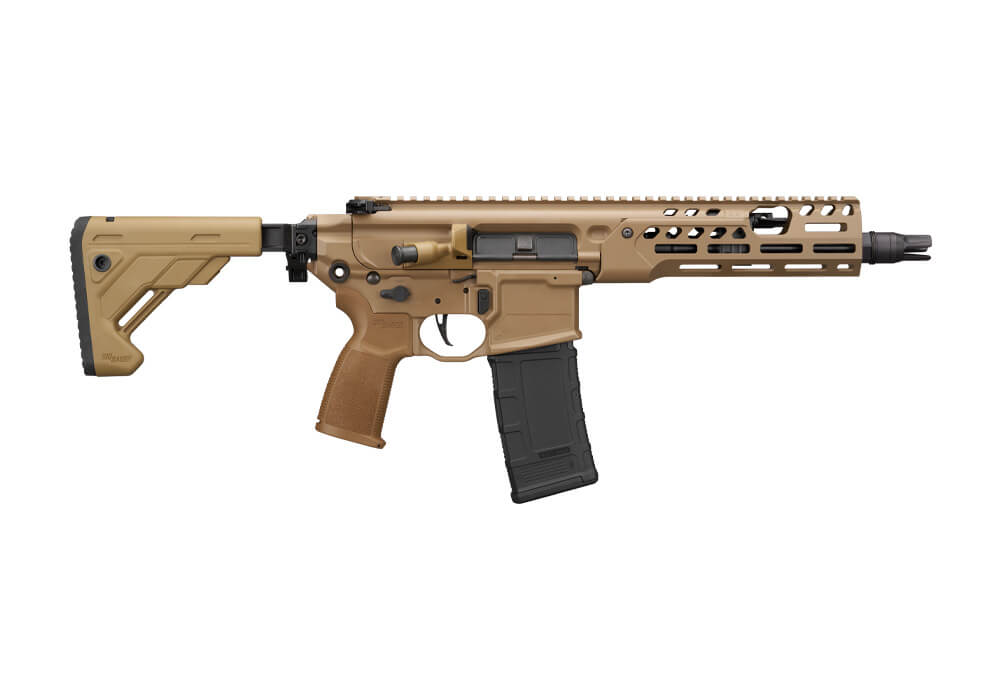
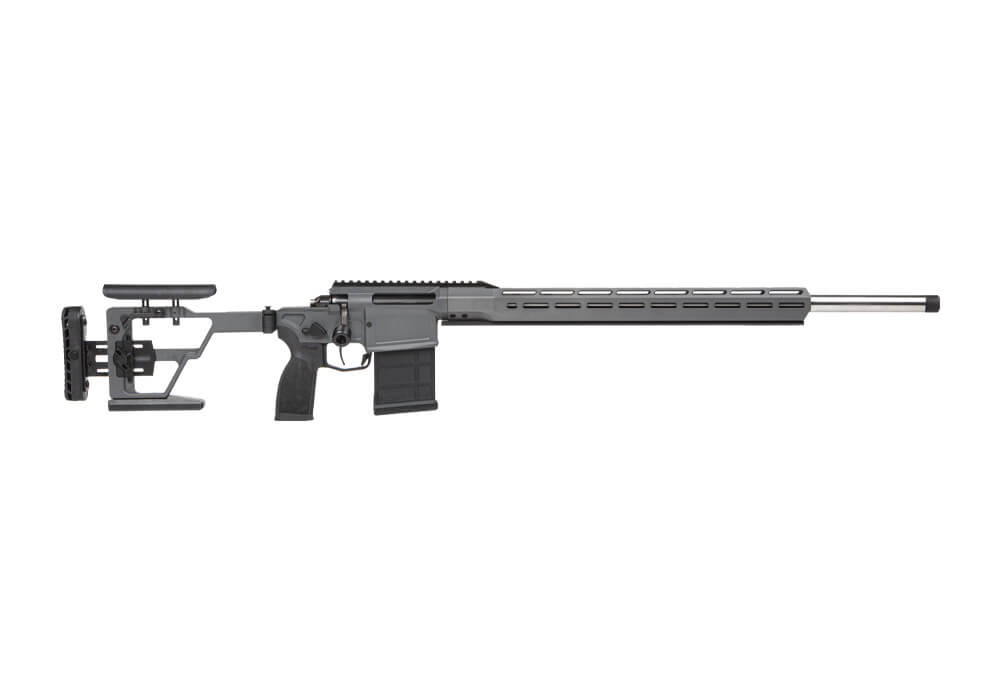
High performance hunting rifles are designed for hunters who expect dependable accuracy, manageable weight, and confident handling across demanding terrain. These rifles often combine a precise bolt-action or straight-pull operating system with a rigid carbon-fiber or fiberglass stock, a corrosion-resistant metal finish, and a crisp trigger that helps the shooter maintain a consistent firing position. A lightweight rifle can be especially valuable in steep country, where every ounce becomes noticeable after several miles on foot, while a slightly heavier setup may provide a steadier hold from a ridge, pack, or improvised rest. Barrel construction also deserves close attention. Carbon-fiber-wrapped barrels can reduce overall weight while retaining the stiffness and heat management needed for repeatable groups, while conventional stainless steel barrels remain a trusted choice for hunters who value durability and a balanced feel. Stock shape, comb height, recoil pad design, and grip angle all influence comfort, particularly when a hunt involves long glassing sessions followed by a quick change in position. An adjustable trigger can help a shooter refine the rifle to a preferred pull weight, but the best setup is the one that feels predictable and natural through practice. A rifle may be carried through wet timber, exposed grassland, dusty trails, or frosty mountain basins, so finishes and materials that resist moisture, temperature swings, and abrasion can provide useful confidence during the cooler months. The rifle should also fit the hunter rather than simply look impressive in a catalog: length of pull, overall balance, optic height, and recoil characteristics affect how naturally the rifle comes to the shoulder. Careful fit can make a meaningful difference when a hunter is breathing hard after a climb and must settle into a stable position without delay.
Choosing among high performance hunting rifles begins with the game, terrain, and realistic shooting distances involved. Dense timber and brush favor a compact, quick-handling rifle that is easy to carry between trees and comfortable when shooting from a kneeling or seated position. Open western country may reward a lighter rifle with a stable stock, a quality optic, and a cartridge that maintains a relatively flat trajectory at longer ranges. For medium game, popular 6.5 mm cartridges are often selected for their efficient external ballistics, manageable recoil, and broad availability, while larger options such as .300 Winchester Magnum may be considered for heavier game and demanding conditions. Cartridge selection should account for bullet weight, anticipated range, recoil tolerance, local regulations, and the hunter’s ability to place shots precisely. A flat trajectory can simplify holdover, but it does not replace range confirmation, wind reading, or disciplined marksmanship. The rifle, optic, and ammunition should be tested as one complete system, since a load that performs well in one barrel may produce different results in another. Hunters who spend most of their time in thick cover may prefer a shorter barrel and a moderate cartridge, while those crossing expansive valleys may value a longer barrel, a refined stock, and a setup that remains comfortable from supported field positions. Rifles intended for extended backcountry travel should be checked for sling attachment points, protection around the muzzle, ease of maintenance, and compatibility with a secure case or pack system. Ammunition deserves equal consideration; projectiles engineered for controlled expansion and reliable weight retention can help support ethical performance across appropriate ranges. Explore compatible High Performance Hunting Bullets when building a complete hunting setup, and confirm that the selected load feeds, groups, and functions consistently in the rifle before heading into the field.
A high performance hunting rifle can be a thoughtful gift for an experienced hunter, a new hunter completing a carefully planned setup, or a family member preparing for a guided backcountry trip. Because firearm ownership, transfers, storage, and hunting requirements vary by jurisdiction, purchasers should review applicable laws and work with a qualified retailer or local authority before presenting a rifle as a gift. The most useful gift is not always the lightest or most powerful option; it is the rifle that matches the recipient’s stature, experience, hunting plans, and preferred carry style. A hunter who spends long days above timberline may appreciate a balanced mountain rifle, while someone who hunts wooded property may value compact handling and a forgiving recoil profile. Before purchase, consider the rifle’s unloaded weight, barrel length, action type, chambering, trigger adjustment range, stock material, finish, and availability of compatible magazines or accessories. Standard magazines can suit many hunting applications, while extended magazine options may be unnecessary or restricted under local rules. Whatever the configuration, safe handling remains central. Every owner should learn the operating controls, keep the muzzle pointed in a safe direction, identify the target and what lies beyond it, use an appropriate safe-storage method, and practice from realistic field positions. Sight-in work should include multiple distances and, where practical, varied angles and support surfaces. A few quiet sessions at the range can reveal how the rifle behaves from a pack, bipod, or shooting sticks and can build the calm familiarity that matters when a real opportunity appears. During early fall and the cooler months, changing light, damp vegetation, cold fingers, and layered clothing can all affect performance, so hunters should test their complete clothing and gear system before traveling. With thoughtful selection, regular practice, proper maintenance, and a clear understanding of local hunting rules, a high performance hunting rifle becomes more than a precision instrument—it becomes a dependable companion for careful, ethical time in the field.