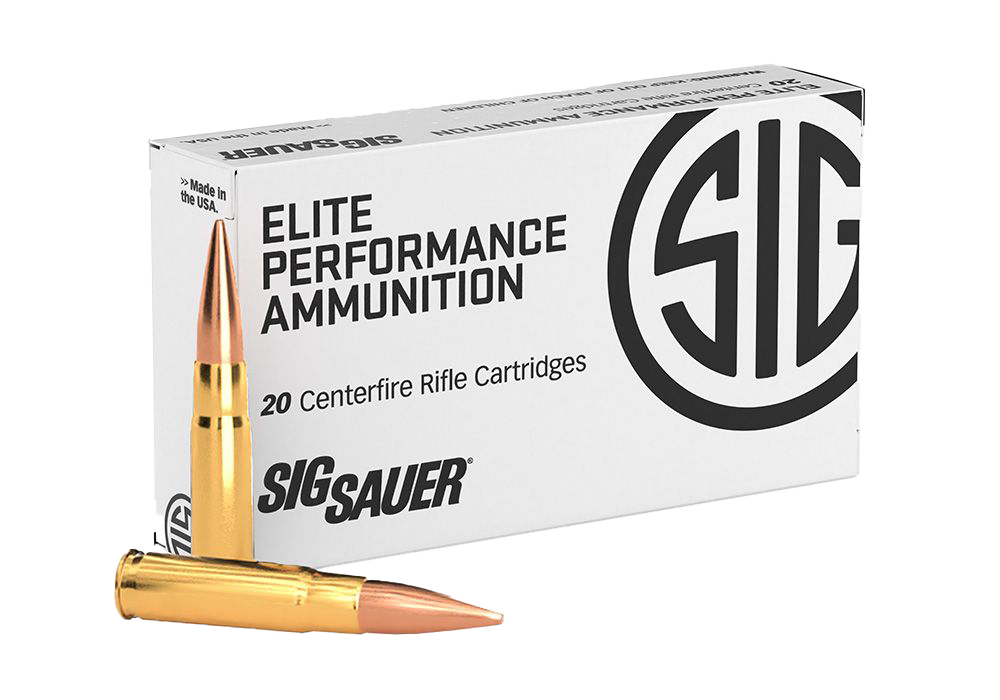
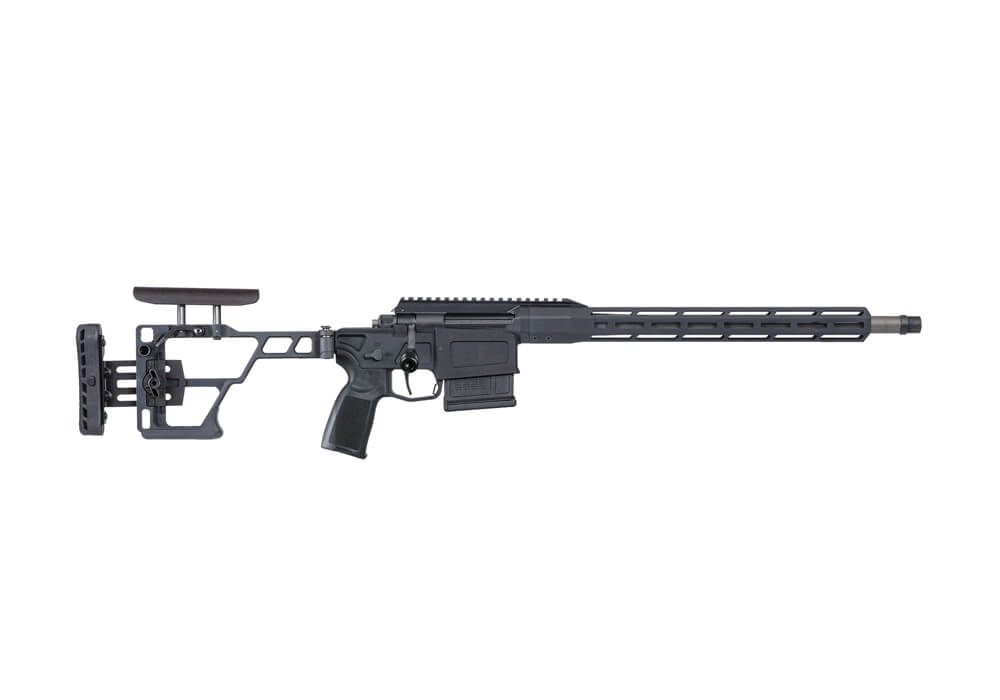
High performance hunting bullets are designed to bring together the qualities that matter most in the field: dependable accuracy, efficient flight, controlled expansion, and sufficient penetration for the game and conditions at hand. For many hunters, the right projectile is the final piece of a carefully matched rifle and cartridge setup. A bullet with a high ballistic coefficient can retain velocity more effectively and resist wind drift, helping produce a flatter trajectory when shots stretch across open country. Match-grade manufacturing and consistent weight can support tight groups from a properly zeroed rifle, while a well-designed hunting profile is intended to perform reliably on game rather than simply print small groups on paper. These products may feature polymer tips, streamlined ogives, tapered jackets, bonded cores, partitioned construction, or monolithic copper designs. Each approach affects how the bullet initiates expansion, retains weight, and penetrates after impact. A bonded core can help keep the expanded bullet together as it passes through hide, muscle, and bone. Monolithic projectiles are known for strong weight retention and deep penetration, including at lower impact velocities. Partitioned and other controlled-expansion designs separate the front section’s expansion from the rear section’s drive, offering a balance of tissue disruption and penetration. When comparing high performance hunting bullets, consider the animal being pursued, the cartridge and barrel twist, the bullet weight your rifle is designed to stabilize, and the distances that are realistic for your hunting area. Deer in wooded terrain may call for different priorities than elk or other larger game in steep, open country, but every selection should be evaluated as part of the complete rifle system.
Bullet construction and weight are only part of the decision. The projectile must also match the velocity range expected from the rifle, since a bullet engineered for controlled expansion should be able to perform across the likely impact speeds rather than at only one distance. Muzzle velocity, retained velocity, ballistic coefficient, wind, elevation, and angle of impact all influence results in the field. A streamlined bullet can be especially useful where crosswinds and longer shooting lanes are common, while a durable hunting design with substantial weight retention may be preferred when a shot could encounter heavy muscle or bone. Hunters should review published loading information, confirm compatibility with the intended cartridge, and follow all manufacturer guidance for assembly and use. Before heading into the cooler months, many experienced hunters spend time confirming zero, checking ammunition lot consistency, and practicing from realistic field positions such as sitting, kneeling, or shooting across a pack. A rifle that groups well from a bench still needs to feel familiar when a cold breeze moves through the timber or when a steep hillside changes the way the stock meets the shoulder. Test ammunition at the distances and elevations that reflect the hunt, record point-of-impact changes, and use a dependable rangefinder and ballistic reference when appropriate. For hunters who favor bonded construction and want to compare options built around weight retention and controlled expansion, the selection of High Energy Bonded Core Hunting Bullets offers a focused place to continue shopping. As always, confirm local regulations, use the correct ammunition for the firearm, and place safety, ethical shot selection, and responsible wildlife stewardship ahead of any equipment advantage.
High performance hunting bullets can be a practical upgrade for a seasoned hunter refining a trusted rifle, a thoughtful gift for someone preparing for a first big-game season, or a useful addition to a well-organized field kit. They are particularly valuable for hunters who have already established a rifle’s preferred load and want a projectile that better fits a specific species, landscape, or shooting distance. A gift buyer can look for the recipient’s cartridge, caliber, and preferred bullet weight before making a purchase, since ammunition compatibility is more important than appearance or general popularity. The same attention applies to hunters changing from a traditional cup-and-core design to a bonded, partitioned, or monolithic option: even when the caliber and weight remain similar, differences in construction, seating depth, and point of impact may require careful verification. During early fall hunts and throughout the colder part of the season, reliable equipment becomes especially noticeable. Frost on a rifle case, damp ground beneath a shooting rest, and long hours spent glassing across a quiet ridge leave little room for uncertainty. Consistent bullets help hunters build confidence through repeatable practice, but no projectile replaces sound judgment, a steady shooting position, or a clean understanding of the target and what lies beyond it. Choose a design suited to the intended game, pair its weight and construction with the rifle and cartridge, and confirm performance before carrying it afield. With that preparation, hunters can approach each outing with equipment selected for accuracy, dependable terminal behavior, and the demanding realities of ethical hunting.