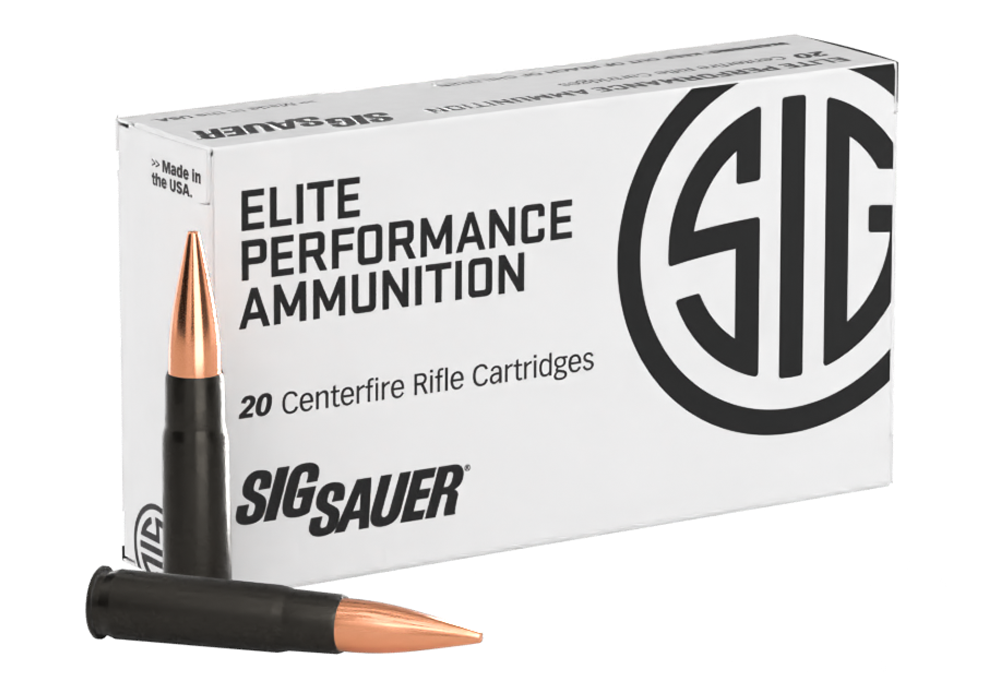
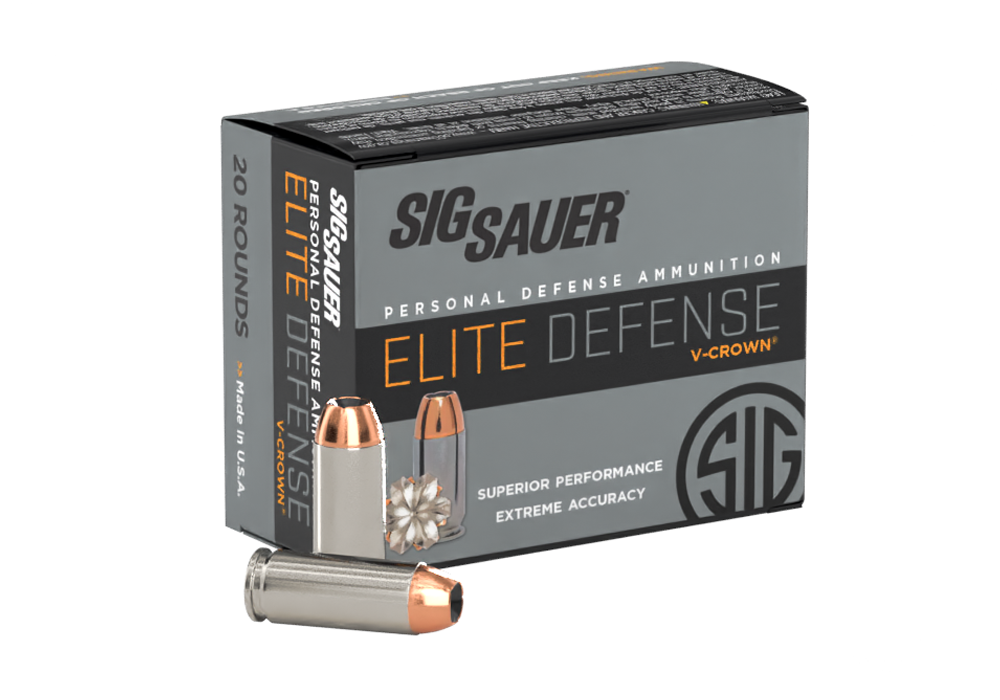
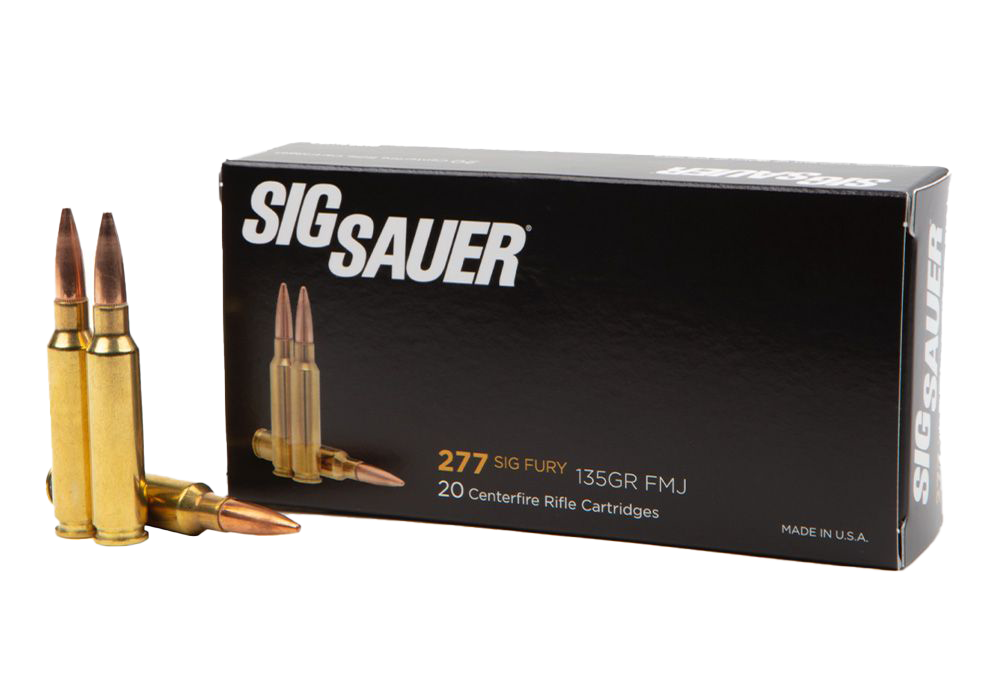
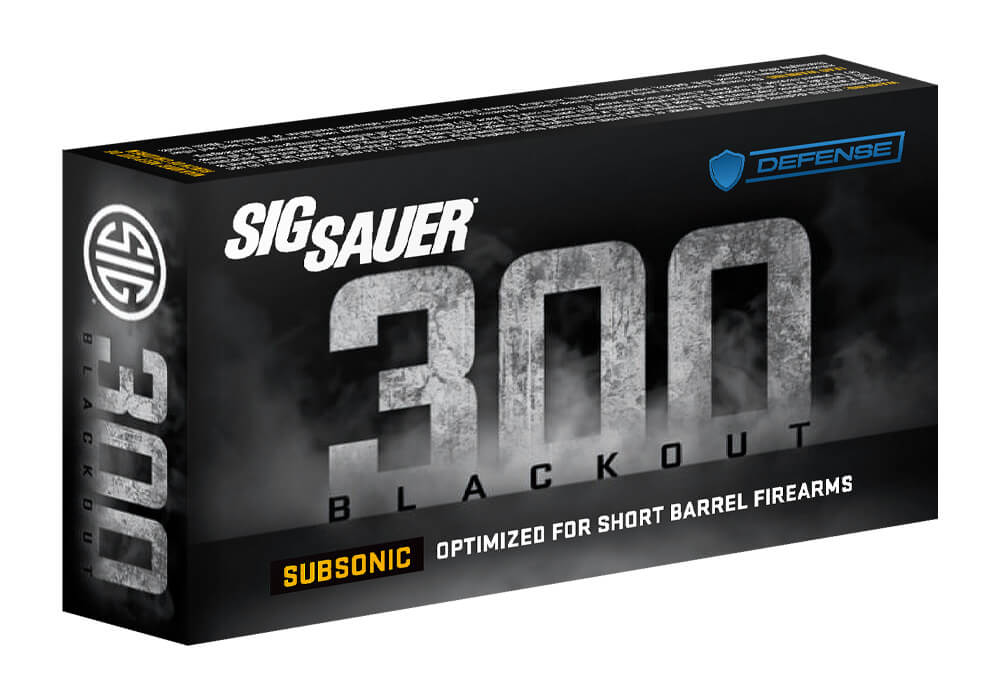
High Energy Bonded Core Hunting Bullets are designed for hunters who want dependable terminal performance when a projectile must expand reliably and continue penetrating through dense tissue, muscle, or bone. Unlike a conventional cup-and-core bullet, a bonded bullet uses a process that joins the lead alloy core to the surrounding copper or copper-alloy jacket, helping the two components remain together during impact. That construction supports strong weight retention, controlled expansion, and deep penetration across a broad range of hunting conditions. When a bullet strikes at high velocity, the nose is intended to open into a consistent mushroom while the rear section stays intact enough to preserve momentum. This can be especially valuable on larger-bodied game, quartering shots, or encounters where the path to the vital organs may involve heavy shoulder bone. In practical terms, a bonded core design helps balance two important goals: creating a wound channel wide enough for effective energy transfer while retaining enough mass to reach vital tissue. Hunters often choose these bullets for deer, elk, moose, bear, and other medium or large game, though the best application depends on the specific projectile design, cartridge, rifle, and local regulations. Their performance can be particularly reassuring during the cooler months, when layered clothing, changing weather, and difficult terrain make a clean, ethical shot and reliable bullet behavior more important than ever. For a broader selection of related ammunition, explore Bonded Core Bullets and compare construction details before making a purchase.
Selecting the right bonded core hunting bullet begins with matching the load to the rifle and the animal being pursued. Confirm the exact chambering printed on the firearm, then select a bullet weight and construction intended for that cartridge’s velocity range. A projectile built for a powerful magnum may behave differently from one designed for a standard-velocity hunting cartridge, even when both are used on similar game. Bullet diameter, weight, sectional density, ballistic coefficient, and jacket design all influence how the round performs from the muzzle through longer distances. Hunters who spend most of their time in thick timber may place a higher value on controlled expansion and deep penetration at moderate range, while those hunting open country may also consider a streamlined profile that helps retain velocity and resist wind drift. The rifle’s twist rate and barrel length should be compatible with the chosen bullet, and ammunition should always be tested for reliable feeding, consistent accuracy, and point of impact before heading into the field. A simple range session can reveal important details: how the rifle groups from a cold barrel, whether the optic remains properly zeroed, and how the load behaves from practical field positions. It is also wise to check the manufacturer’s published specifications for velocity, intended game, and terminal design rather than judging a bullet by appearance alone. For hunters preparing during late summer or the transition into cooler weather, this preparation creates confidence without guesswork. A properly matched load should fit the rifle, the terrain, the expected distance, and the game animal, with enough performance margin for realistic shot angles.
Bonded core hunting bullets can also be a thoughtful gift for an experienced hunter, provided the recipient’s firearm and ammunition requirements are known precisely. Ammunition is not universal, and a gift that does not match the rifle’s chambering, bullet weight preference, or hunting purpose may be unusable. When those details are confirmed, a box of well-matched hunting ammunition can be a practical addition to a field kit, especially for someone preparing for a fall hunt or replenishing supplies after a demanding season. Storage matters as well: keep cartridges in their original packaging, protected from excessive moisture and heat, and secured away from children and unauthorized users. Before use, inspect each cartridge for dents, corrosion, or other damage, and follow all firearm and ammunition instructions. In the field, bonded construction is most useful when paired with sound judgment. Hunters should identify the target and what lies beyond it, use a stable shooting position whenever possible, and take only shots that offer a clear and ethical path to the vital organs. The bullet’s ability to retain weight and penetrate deeply cannot compensate for poor shot placement or an unsuitable angle. Many hunters appreciate bonded designs because they provide a dependable balance of expansion and penetration when conditions are less than ideal—whether a bull elk steps from shadowed timber, a whitetail stands beyond a rain-darkened meadow, or a bear presents a demanding shot through heavy cover. Careful selection, regular practice, and responsible handling allow High Energy Bonded Core Hunting Bullets to serve as a dependable part of a complete hunting setup.