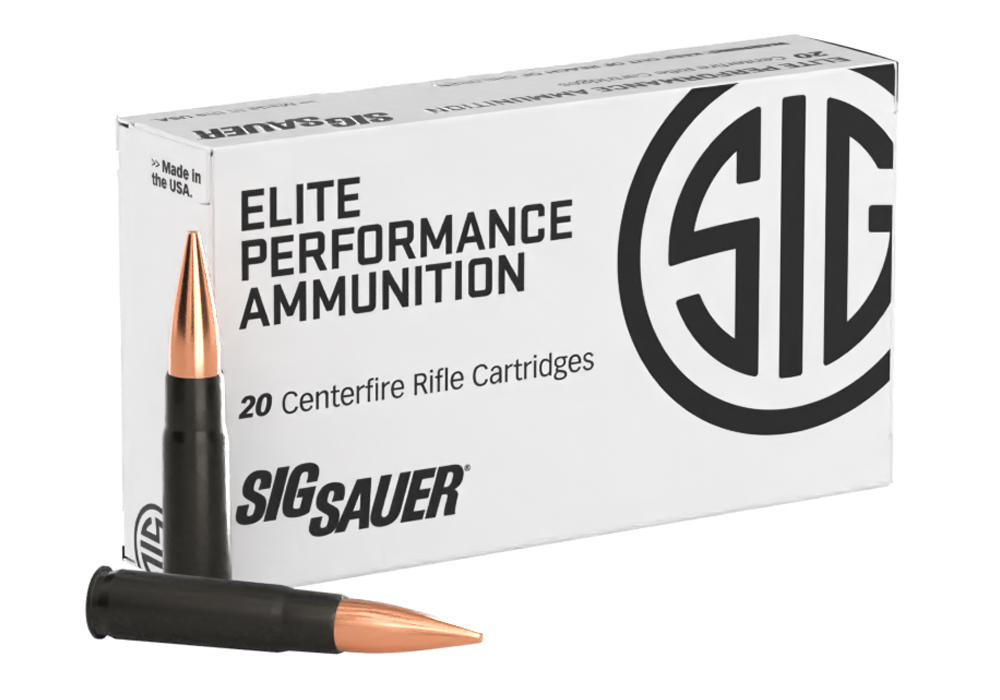
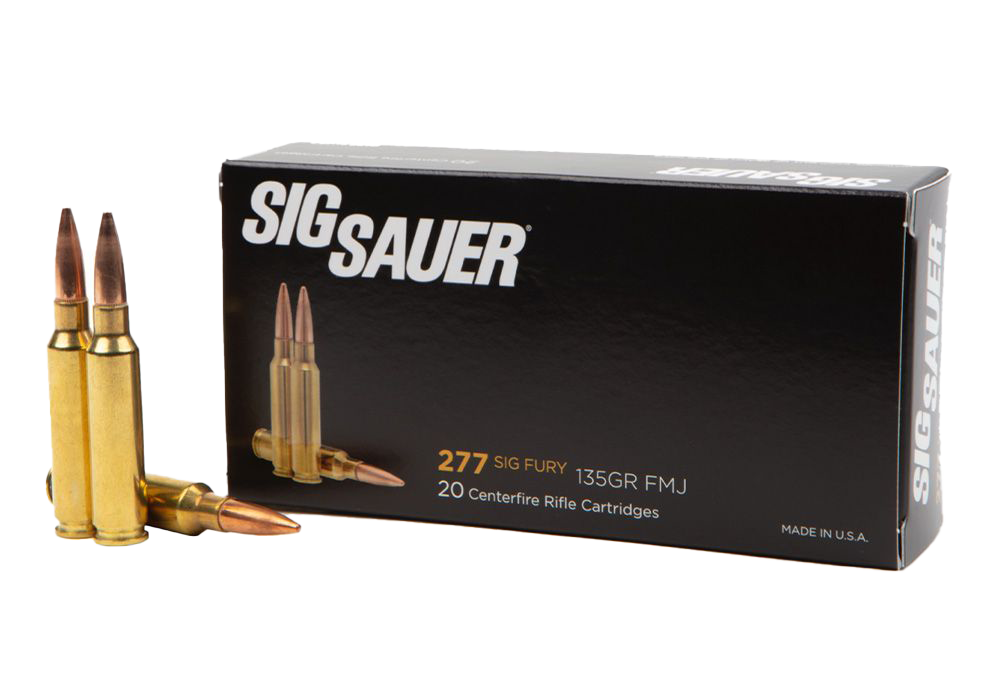
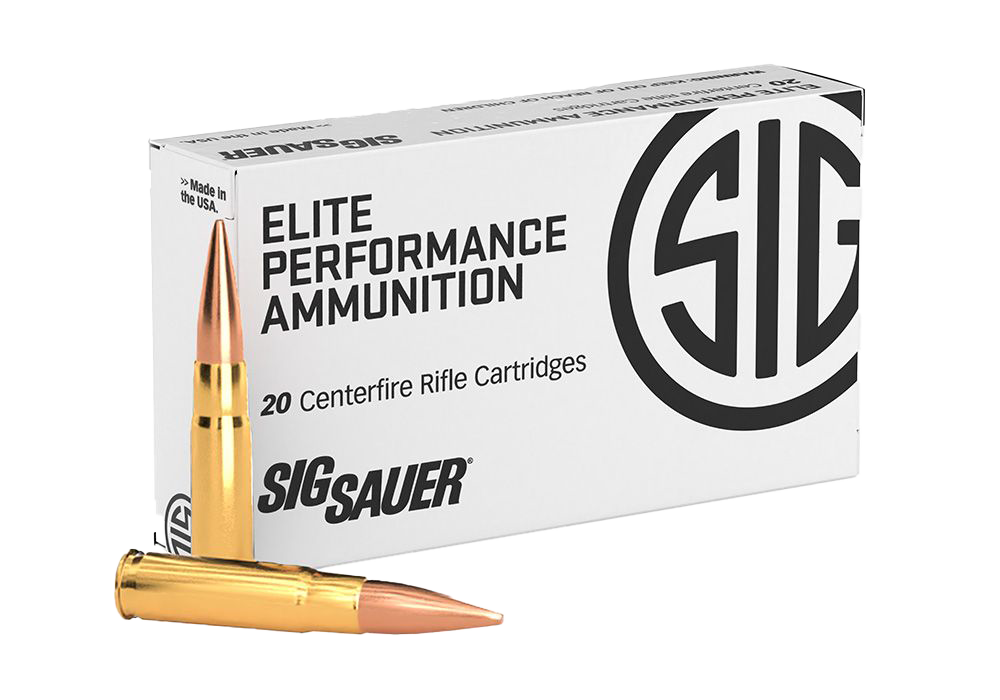
Precision hunting rounds are rifle cartridges designed to combine consistent accuracy with bullet performance suited to game animals. Their purpose extends beyond producing a tight group on paper: a hunting bullet also needs to perform appropriately on impact, with expansion and penetration suited to its intended application. Those qualities depend on the complete cartridge, including the projectile, case, primer, and propellant, rather than a single feature or a claim about speed. Consistent component dimensions and careful assembly can support repeatable performance, while bullet construction helps determine how the projectile responds when it reaches its target. Common construction approaches include jacketed lead-core bullets, bonded designs that help keep the jacket and core together, and monolithic copper or copper-alloy projectiles. Each approach can offer useful characteristics, but material alone does not establish suitability for every animal or shooting distance. A polymer tip may improve the bullet’s aerodynamic profile and help initiate expansion in designs engineered for that function. Jacket thickness, internal geometry, and the way components are joined can also influence expansion and retained weight. For a hunter considering ammunition for deer-sized game or larger animals, these distinctions are more meaningful than appearance alone. A streamlined profile can support efficient flight, yet aerodynamic efficiency and terminal performance remain separate considerations. A bullet that groups well is not automatically appropriate for hunting, and a projectile intended for target use should not be assumed to behave like a purpose-built hunting bullet. Precision hunting ammunition brings those requirements together when the cartridge is compatible with the rifle and the projectile suits the intended use. This makes the category relevant to hunters who value a dependable point of impact, clear component specifications, and a load they can evaluate before taking it into the field. The strongest basis for comparison is the combination of documented construction, published performance information, and results from the individual rifle—not an isolated velocity figure or an expectation that every hunting load will perform alike.
Fit begins with the exact cartridge designation specified for the firearm, not a similar-looking case or a familiar caliber description. Chambering compatibility is essential, and bullet weight, projectile length, and barrel characteristics can further influence how a compatible load performs. Two rifles chambered for the same cartridge may show different preferences, so precision is best understood as a relationship between ammunition and the particular firearm. Bullet weight is usually expressed in grains, a unit of mass, and heavier does not automatically mean more accurate or more suitable for larger game. Construction and impact velocity matter alongside weight. Likewise, a higher muzzle velocity does not by itself establish better field performance. Published velocity figures reflect particular test conditions and barrel specifications; an individual rifle may produce different results. Ballistic coefficient describes a projectile’s aerodynamic efficiency, but it is not a measure of hunting suitability or a guarantee of accuracy. For hunting ammunition, the manufacturer’s stated application and intended impact-velocity range provide important context for interpreting that number. Expansion characteristics can change as impact velocity changes, which is why a bullet’s useful performance envelope matters at both closer and more distant opportunities. Hunters carrying a rifle through timber may prioritize different handling and shooting expectations than those observing broad, open terrain, but neither setting eliminates the need for an appropriate projectile and a well-established personal limit. Recoil also influences practical use: ammunition that is comfortable enough for deliberate practice can help support familiarity with the rifle. A useful comparison therefore considers cartridge compatibility, bullet design, weight, published ballistics, and repeatable results together. No single specification replaces the others, and no ammunition label removes the need to confirm performance with the actual firearm. Hunters narrowing their search by a particular cartridge designation can also explore 30 06 Sprg Precision Hunting Ammunitions as a related collection focused on that chambering. That cartridge-specific focus can help keep comparisons relevant without treating all hunting ammunition as interchangeable.
Materials and care matter because a hunting cartridge must retain its integrity between practice sessions, transport, and field use. Brass cases are common in centerfire rifle ammunition, and some cases feature surface treatments intended to improve resistance to corrosion or support reliable handling. Such features do not make ammunition immune to deterioration, and a clean exterior is not proof that a cartridge is suitable for use. Intact packaging helps protect bullet tips and case surfaces while keeping the load description, bullet weight, and lot information associated with the ammunition. That information is useful when comparing range results or returning to a previously evaluated load. Cartridges are best kept clean and dry, secured against unauthorized access, and separate from oils, solvents, and other chemicals that could affect their components. Visible corrosion, a distorted case, a loose projectile, or other damage warrants setting the cartridge aside and consulting the ammunition manufacturer rather than attempting a repair. Protective storage also helps preserve markings and prevents loose rounds from rubbing against equipment during transport. Beyond physical condition, consistency in the chosen load supports familiarity: changing bullet construction or weight can change point of impact even when the cartridge designation remains the same. A dependable hunting setup reflects confirmed performance, not simply a box with similar specifications. These considerations apply to experienced hunters refining a familiar rifle as well as newer hunters establishing confidence with their equipment. Nonlead projectile requirements, where applicable, add another reason to check published composition and relevant hunting regulations before selecting ammunition. Responsible use also includes recognizing that precision describes a performance goal, not a promise of a particular result. Suitable ammunition, a properly functioning firearm, practiced judgment, and respect for the animal all contribute to the experience. For hunters who appreciate that balance, precision hunting rounds offer a category centered on purposeful bullet design, consistent construction, and a clear connection between the cartridge selected and the hunt for which it is intended.