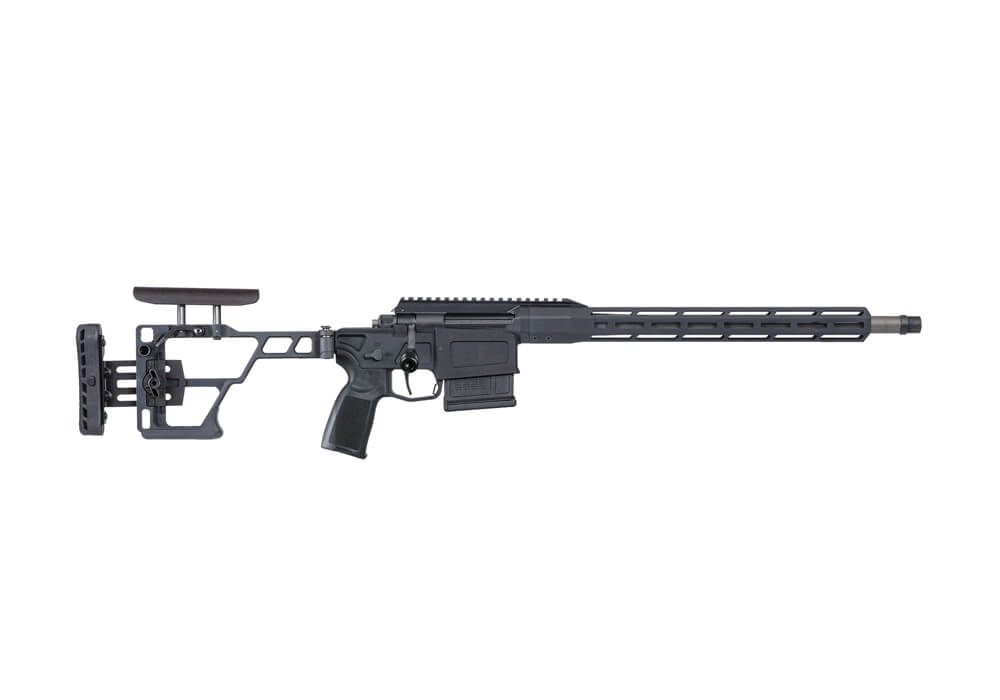
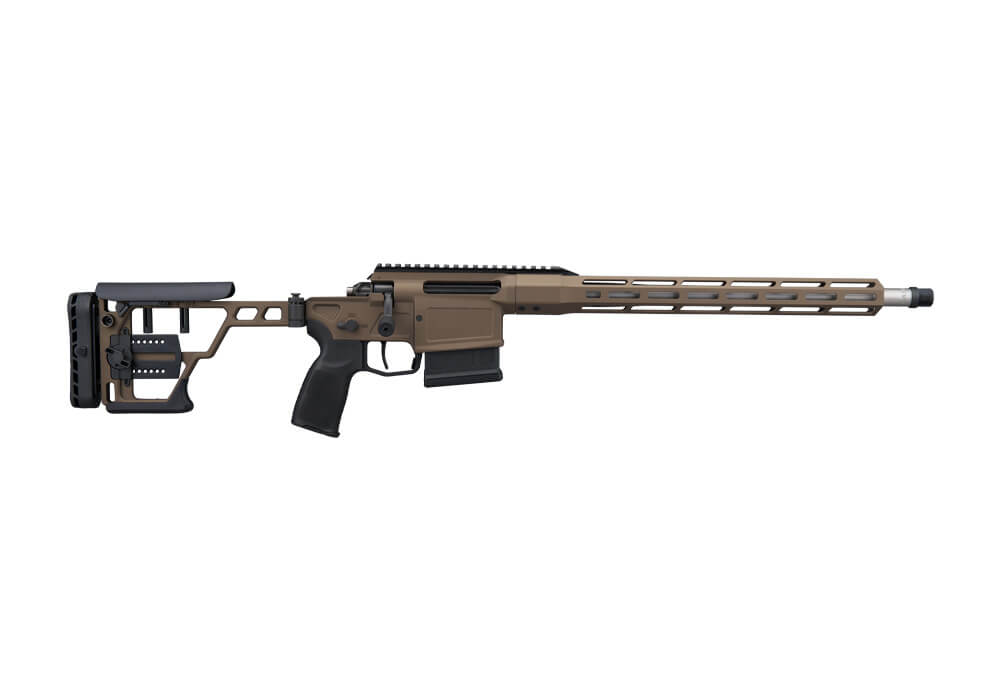
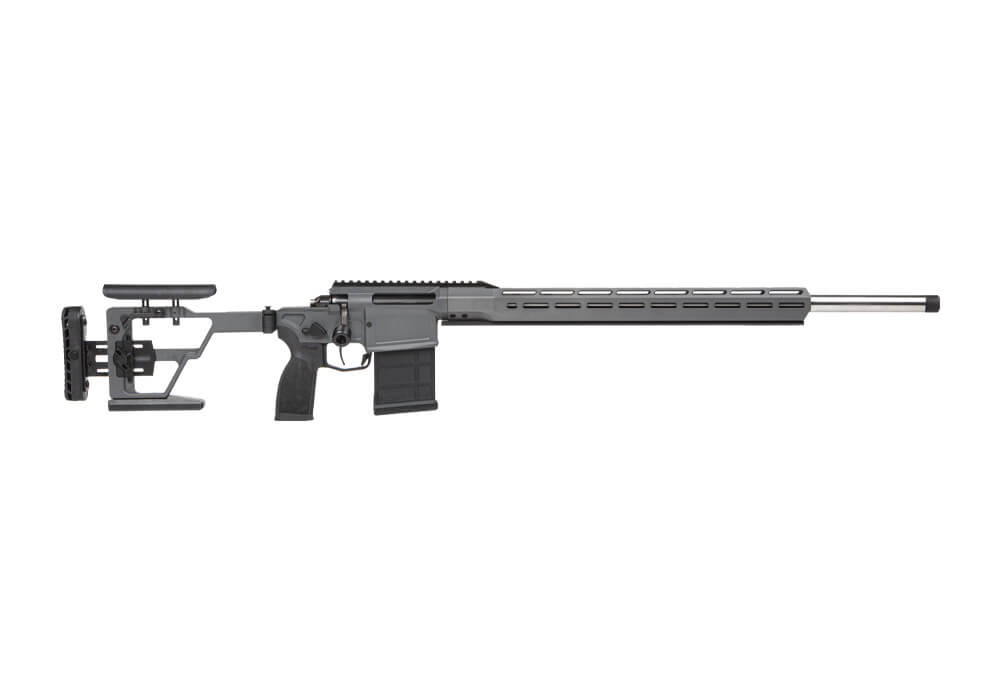
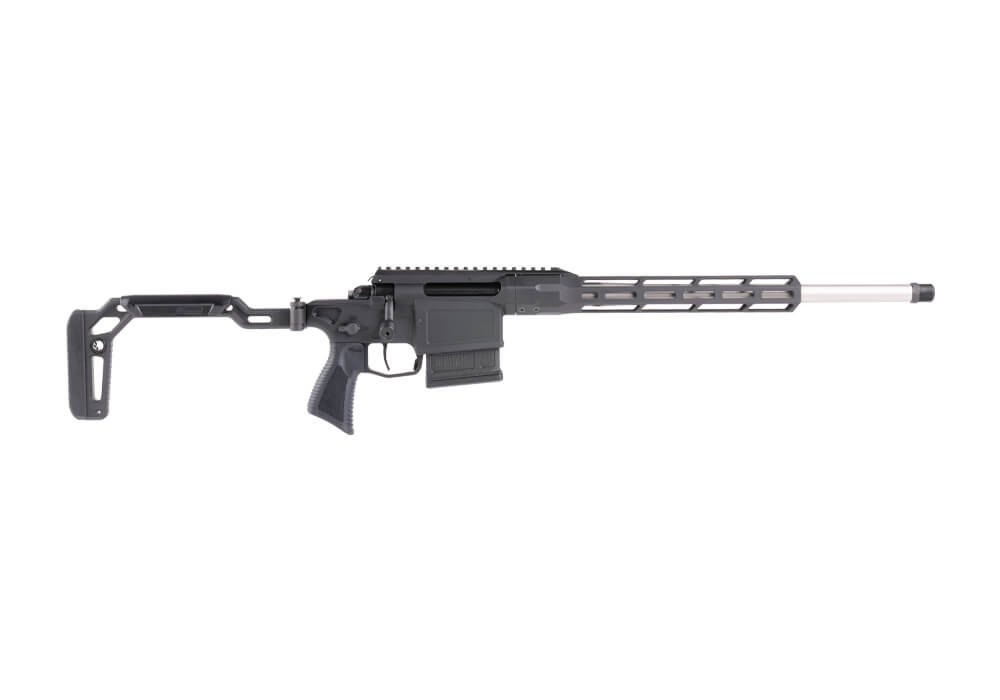
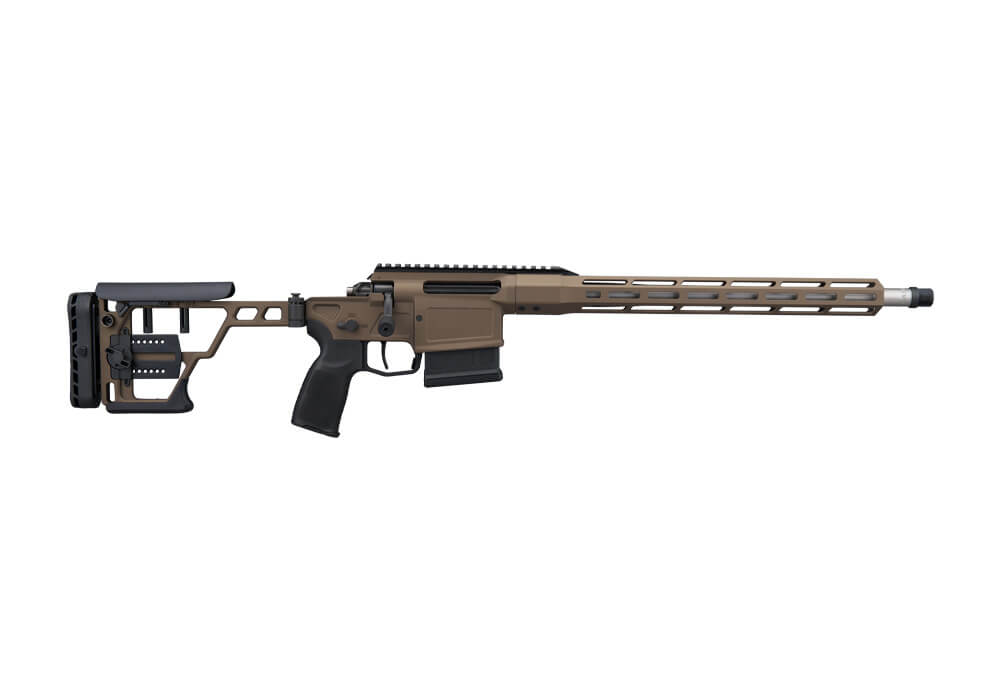
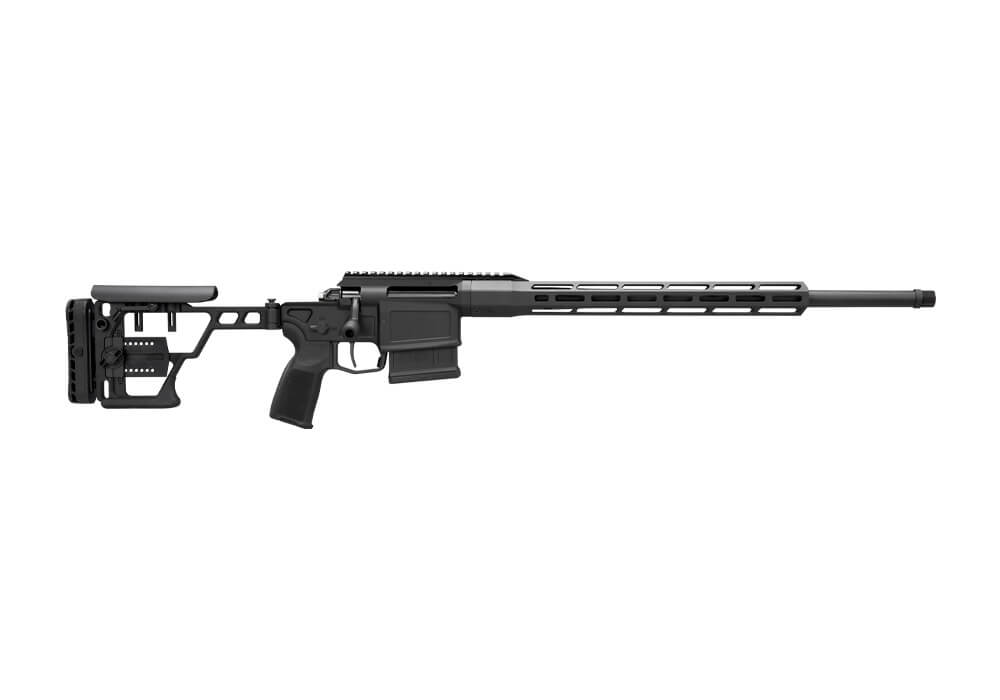
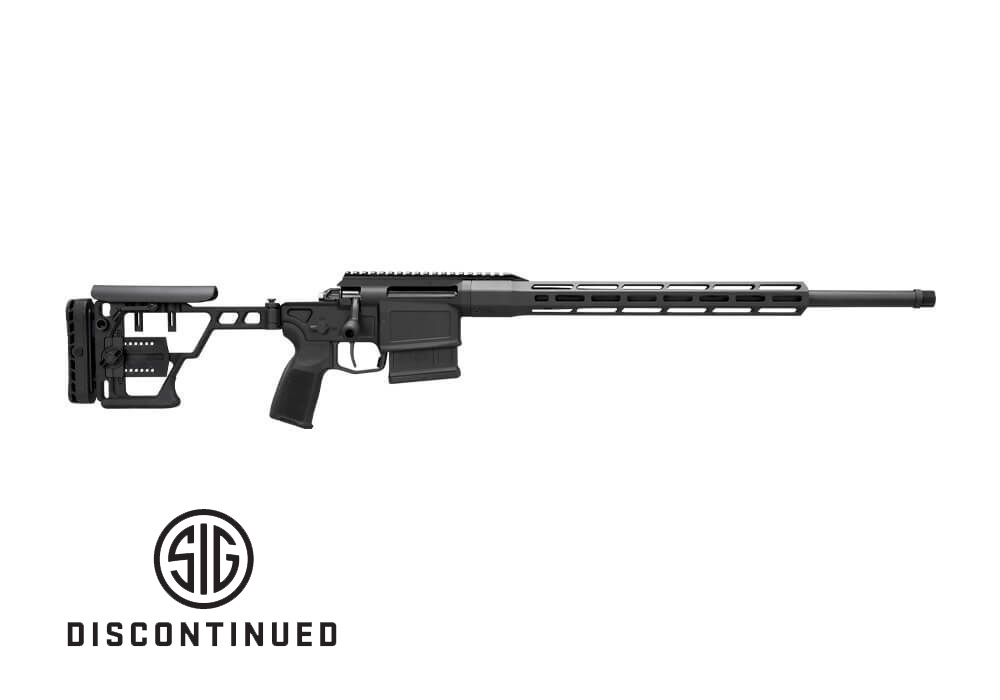
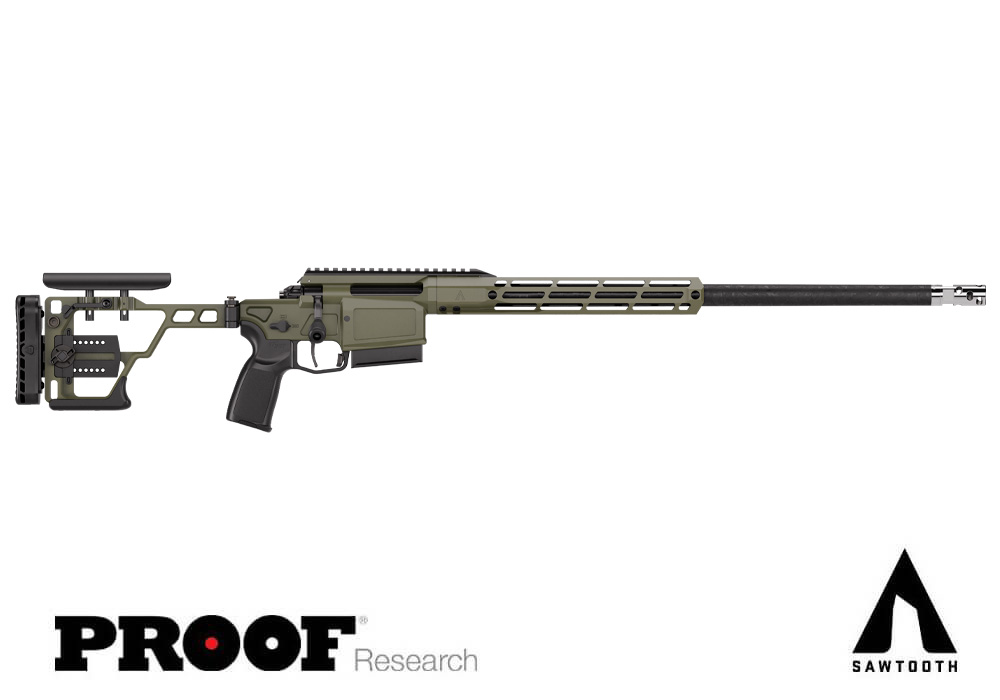
High-performance bolt-action rifles bring a deliberate, confidence-inspiring approach to precision shooting. Their appeal begins with the action: a smooth, consistent bolt cycle supports reliable feeding, firm lockup, and positive extraction while giving the shooter a clear rhythm between shots. For many enthusiasts, that steady process is part of the experience. A well-balanced rifle settles naturally into a supported position, the bolt operates with controlled resistance, and the trigger breaks cleanly without disturbing the sight picture. These qualities matter during a long-range practice session, a precision competition, or a demanding hunt where careful shot placement and calm preparation are more important than speed. This category often includes rigid receivers, match-oriented barrels, adjustable stocks or chassis systems, and carefully fitted components that help reduce variables from one shot to the next. A heavier barrel can help manage heat during extended range work, while a carbon-fiber construction or other lightweight configuration may be more comfortable to carry over uneven ground. The right choice depends on how those priorities balance for you. Someone who spends weekends at a range may value a stable platform, generous adjustment points, and compatibility with a bipod or rear support bag. A hunter traveling through steep terrain may prefer a lighter rifle that still offers a comfortable cheek position, a crisp trigger, and a barrel profile suited to repeated field carry. Those who split their time between both pursuits may appreciate a versatile configuration that can move from a bench to a blind without feeling overly specialized. When comparing options, consider the chambering first, since cartridge selection influences recoil, ammunition availability, trajectory, and the rifle’s overall weight. Popular precision-oriented chamberings are often selected for their balanced recoil and external ballistics, while larger options may appeal to shooters seeking additional energy for appropriate game and range conditions. Confirm that the rifle’s chambering aligns with the ammunition you intend to use, and review local regulations before purchasing or using any firearm. A dependable optic with suitable adjustment range, secure mounting hardware, and a clear reticle can complement the rifle, but the complete setup should remain comfortable in your chosen shooting position. A rifle that looks impressive on a product page still needs to fit your build, your carry style, and your established practice routine.
Stock and chassis design deserve equal attention. Adjustable cheek height and length of pull allow the rifle to meet the shooter instead of forcing the shooter into an awkward posture, which can be especially valuable when wearing layered clothing during cooler months. A stable interface helps keep the eye aligned behind the optic and provides a repeatable position from one session to the next. Some shooters prefer the traditional feel of a contoured stock with a palm-friendly grip, while others favor the modular adjustment and accessory mounting options of a precision chassis. Neither approach is universally best; comfort, balance, and intended use should guide the decision. Barrel construction is another important consideration. A heavier match-style barrel may remain consistent through a longer string of fire, while a lighter profile can reduce fatigue when walking between field positions. Carbon-fiber-wrapped designs and other weight-conscious configurations can offer a useful middle ground, though every rifle should be evaluated as a complete system rather than by one feature alone. Pay attention to trigger reach, safety placement, bolt handle shape, recoil pad design, sling attachment points, and the ease of cleaning and routine inspection. Small details become noticeable after hours behind the rifle, particularly when changing positions, wearing gloves, or carrying equipment across rough ground. High-performance bolt-action rifles can also be thoughtful gifts for an experienced hunter, precision-shooting enthusiast, or family member who appreciates mechanical craftsmanship and time spent outdoors. A gift purchase should account for the recipient’s preferred chambering, optic setup, stock dimensions, and intended range or field use, so a conversation about accessories or a store gift card may be the better route when those details are uncertain. New owners should pair any rifle with professional instruction, a secure storage solution, suitable eye and ear protection, and a commitment to following all range rules and applicable laws. Practice should begin in a controlled setting with an experienced instructor or range officer available, emphasizing safe handling, careful target identification, consistent fundamentals, and responsible storage. During the cooler months, a thoughtful setup can turn a quiet range morning or carefully planned hunt into a rewarding tradition: cold air, steady support beneath the stock, a clear view through the optic, and the satisfaction of knowing each part of the rifle has been selected for a purpose. For shooters who want a more compact configuration for transport, storage, or field movement, explore Compact Bolt Action Rifles while comparing overall length, balance, and stock fit. Whether the priority is precise groups, comfortable carry, or a dependable platform for regular practice, selecting the right bolt-action rifle starts with honest consideration of experience level, intended use, ammunition, accessories, and the environments where the rifle will be handled.