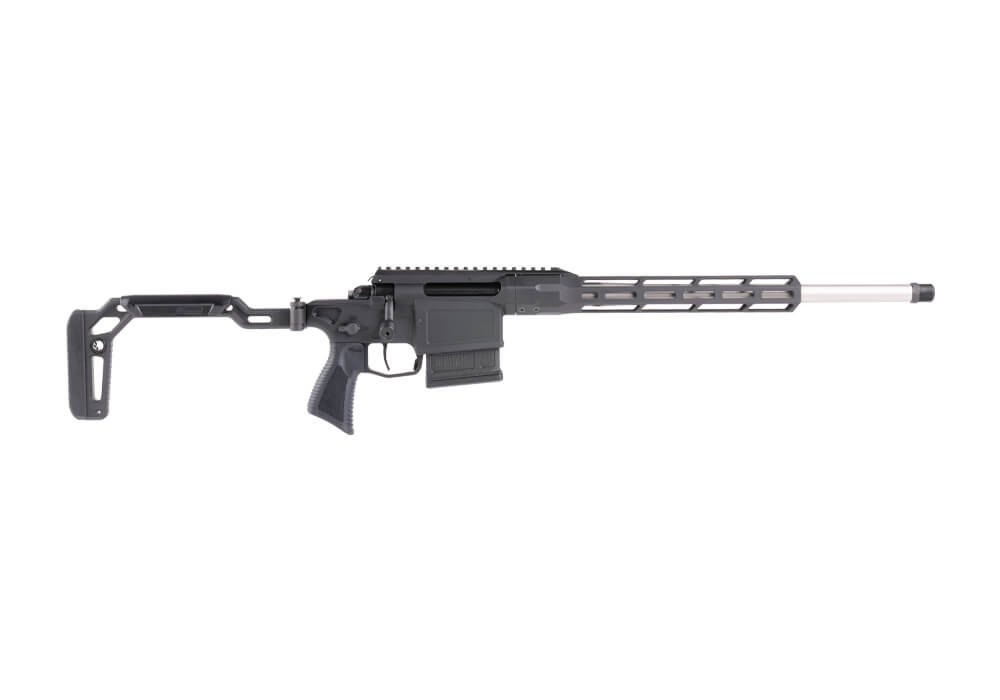
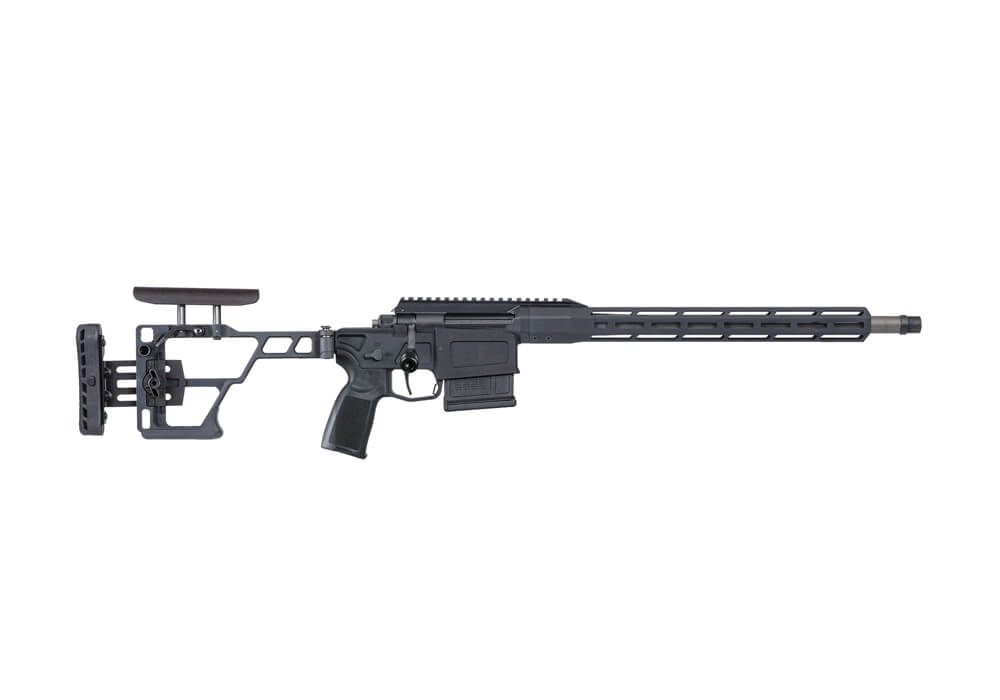
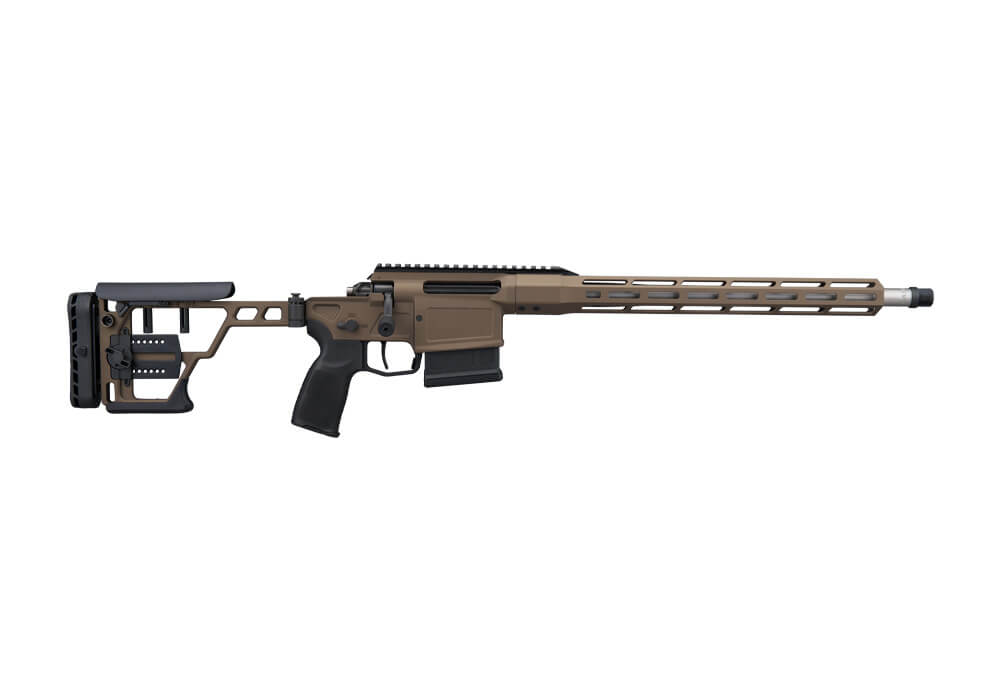
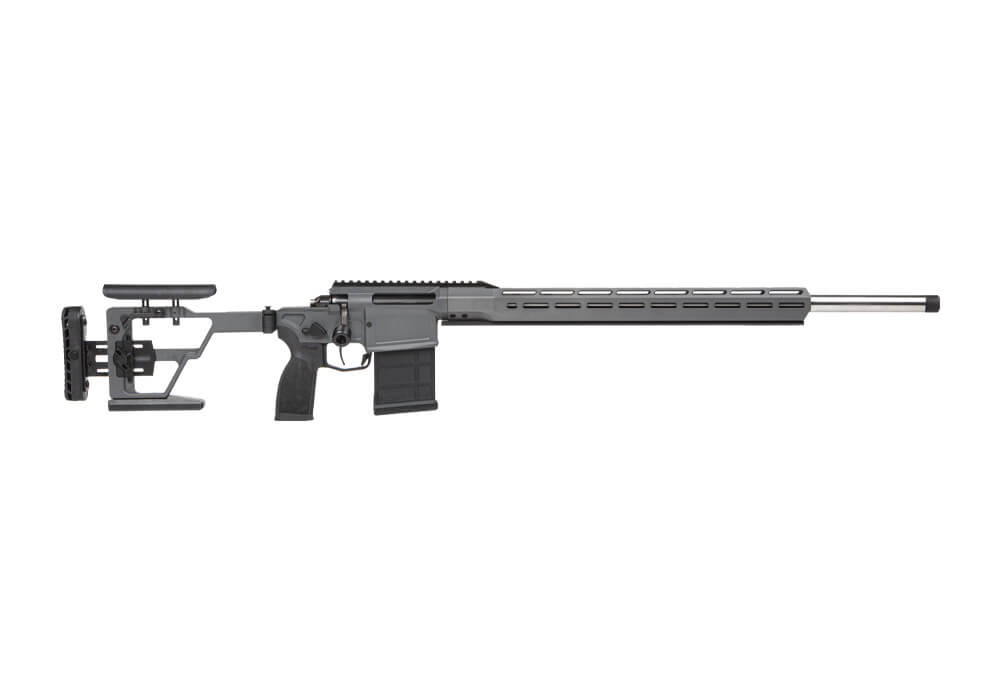
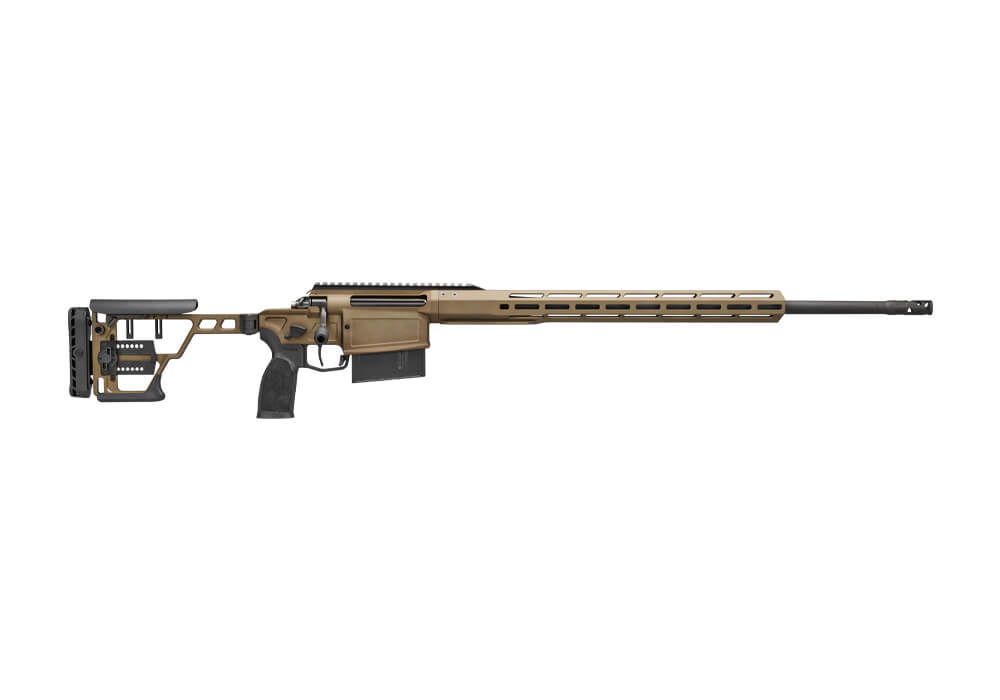
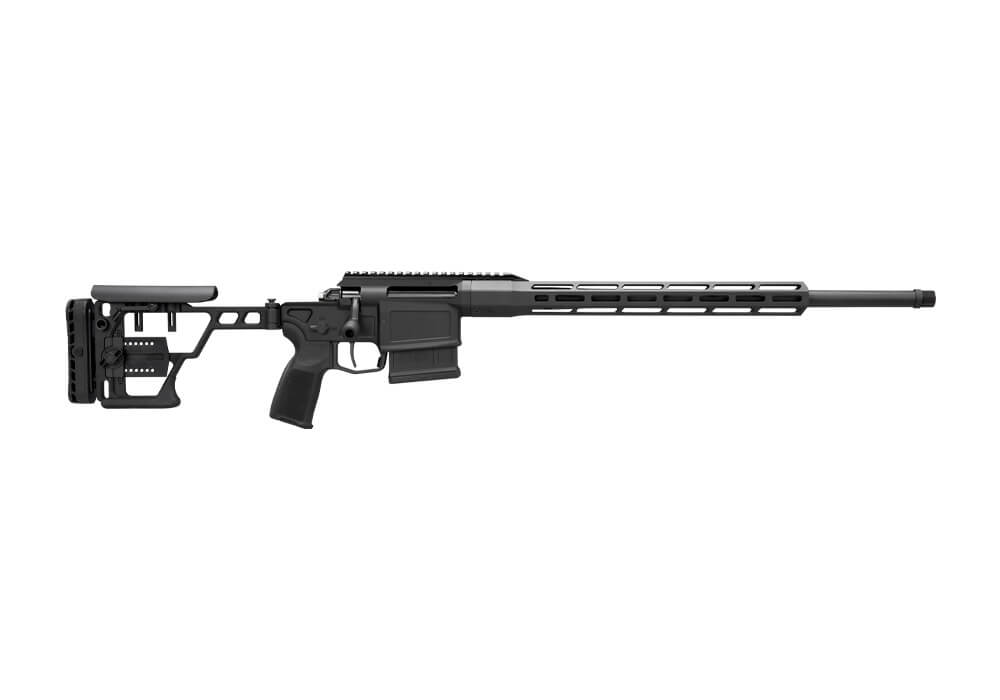
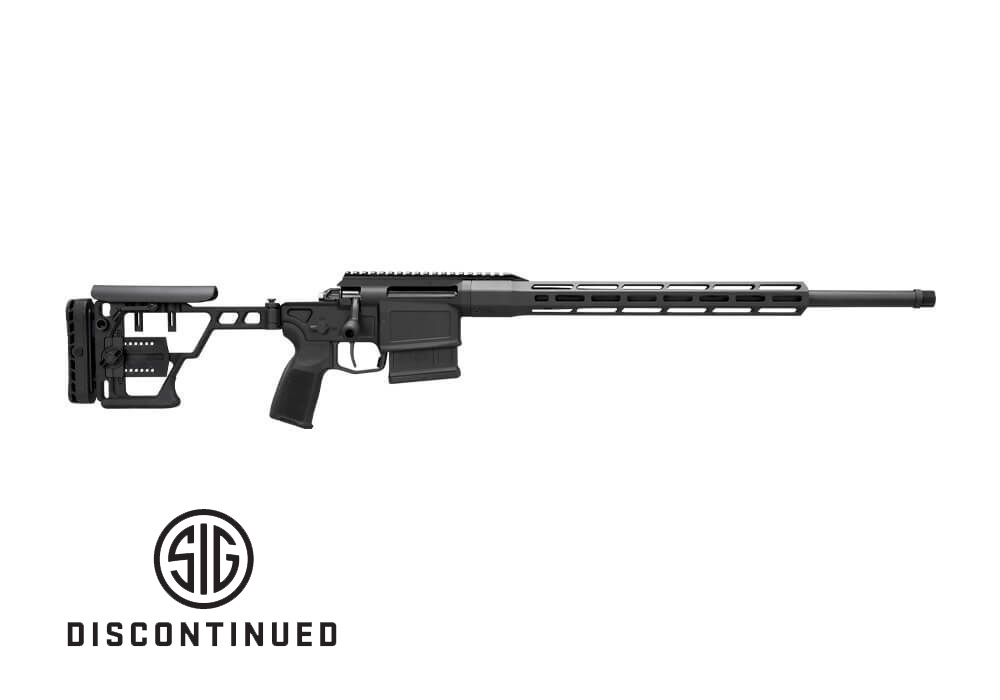
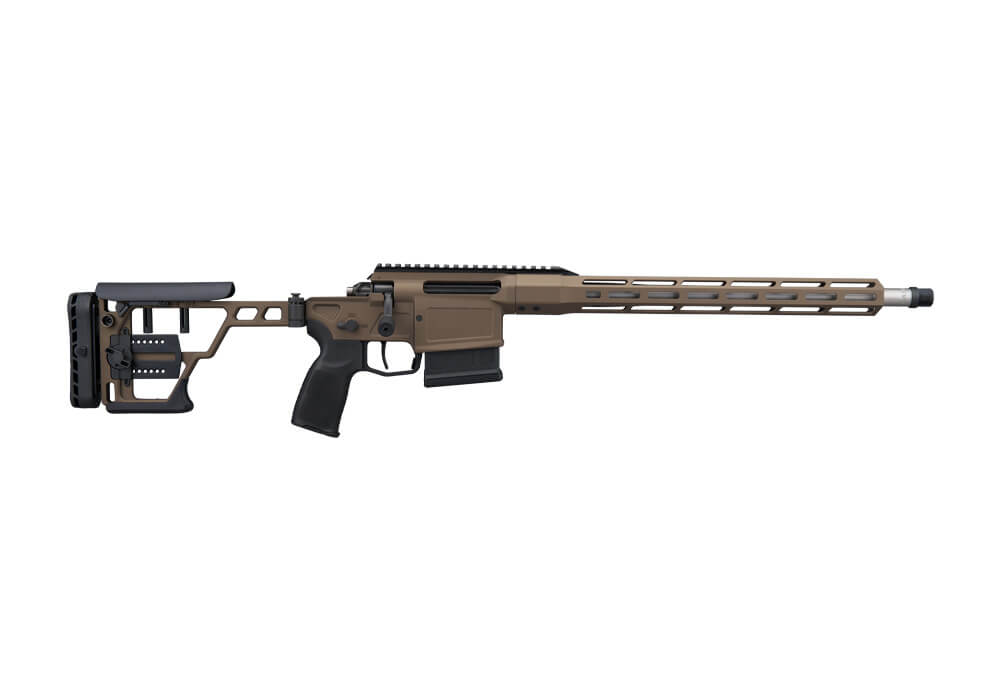
Compact bolt action rifles are valued for combining practical field performance with a smaller, more manageable profile. Compared with a full-size hunting or precision rifle, a compact configuration typically uses a shorter barrel, a reduced length of pull, a slimmer stock, or a folding and adjustable stock system. Many models fall within an approximately 16- to 20-inch barrel range, although dimensions vary by chambering and design. The result is a rifle that is easier to carry through thick brush, load into a vehicle, maneuver inside a blind, or pack into a remote backcountry location. A bolt action operating system also offers a straightforward manual cycle, a strong reputation for reliability, and deliberate shot control that suits hunting, recreational target shooting, and general outdoor use. When comparing compact bolt action rifles, begin with the intended role. A hunter moving through dense timber may prioritize a short overall length, weather-resistant finishes, a comfortable stock, and a smooth bolt throw that can be operated without disturbing a shooting position. Someone spending time at a range may place greater emphasis on an adjustable trigger, a rigid stock, a threaded barrel, optic mounting options, and a chambering that supports consistent practice. For general utility, balance matters: a rifle should feel natural when carried at the low ready, should not be excessively front-heavy, and should allow the shooter to establish a stable position quickly. A shorter rifle is not automatically better for every user, but its portability can make a noticeable difference over a long day outdoors. The best choice is one that fits the shooter, the terrain, and the expected distance while leaving enough room for a properly selected optic and other lawful accessories.
Fit is especially important in a compact rifle. A shorter length of pull can help smaller-framed shooters maintain a comfortable trigger position and keep the buttstock seated securely in the shoulder pocket, while an adjustable stock can accommodate layers of clothing or changing shooting positions. During the cooler months, a rifle may be used with a jacket or insulated outer layer, so modest adjustability can improve consistency without requiring an awkward reach. Pay attention to the comb height as well; it should place the eye in line with the optic rather than forcing the shooter to lift or tilt the head. Overall weight deserves equal consideration. A lightweight rifle is pleasant to carry along a ridgeline or through uneven ground, but an extremely light setup can transmit more felt recoil and may be less forgiving during extended range sessions. Chambering, bullet selection, and barrel length all influence that balance. Common centerfire options range from lighter-recoiling cartridges suited to practice and certain game to larger hunting cartridges intended for larger-bodied game, and each should be selected according to local regulations, ethical range, and the shooter’s experience. A threaded muzzle can be useful for owners who legally use a compatible sound suppressor, but the added length and weight should be included when evaluating handling, storage, and vehicle transport. Suppressor ownership and use are subject to federal, state, and local requirements, so buyers should verify applicable rules before purchase. Optics should be chosen with the same care as the rifle. A compact low-power variable scope can preserve a clean, handy setup for hunting, while a fixed-power optic or red dot may suit shorter-range applications where permitted and appropriate. Confirm that the mounting system, eye relief, objective clearance, and cheek weld work together before heading into the field.
Compact bolt action rifles can serve a broad range of responsible shooters. Experienced hunters often appreciate the way a shorter rifle moves between trees, brush, and elevated stands without catching on branches or equipment. A new shooter may value the simple manual action and the ability to learn fundamentals at a measured pace under qualified instruction. These rifles can also be a thoughtful gift for a family member or outdoor companion when the recipient’s interests, experience, and legal eligibility are known, although firearm transfers must always follow applicable laws and regulations. Gift buyers should avoid guessing at fit or chambering when possible; a conversation about intended use, preferred stock dimensions, and range habits can prevent an otherwise generous purchase from becoming uncomfortable or impractical. Before selecting a rifle, review its unloaded weight, overall length, barrel length, stock dimensions, magazine configuration, safety design, trigger characteristics, and compatibility with the desired optic. Check whether the action cycles smoothly from the shoulder, whether the controls are easy to reach, and whether the rifle balances comfortably in one hand. It is also wise to budget for a secure locking device or safe, quality rings and bases, a properly fitted sling, protective storage, and suitable ammunition. Every rifle should be handled as loaded, pointed in a safe direction, and stored securely away from unauthorized users, with ammunition stored in accordance with applicable law and household safety needs. For shoppers comparing compact and ultralight configurations, exploring Lightweight Bolt Action Rifles can provide additional perspective on portability, carry comfort, and field-ready design. With the right fit and a clear understanding of its intended role, a compact bolt action rifle can be a dependable companion for quiet range practice, careful field preparation, and long days outdoors as the weather warms or turns cooler.