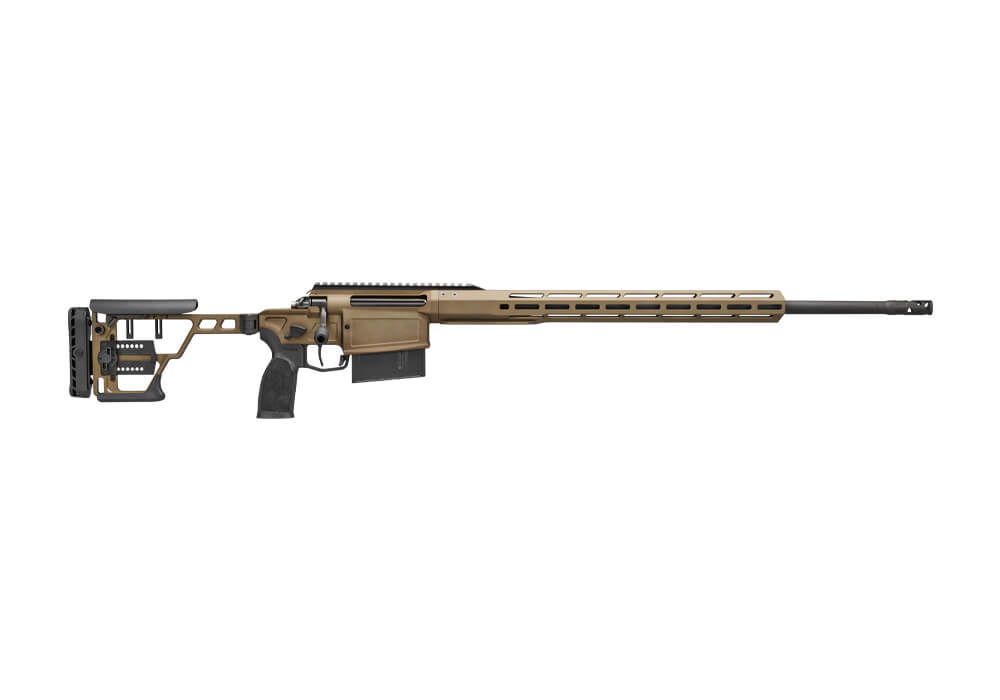
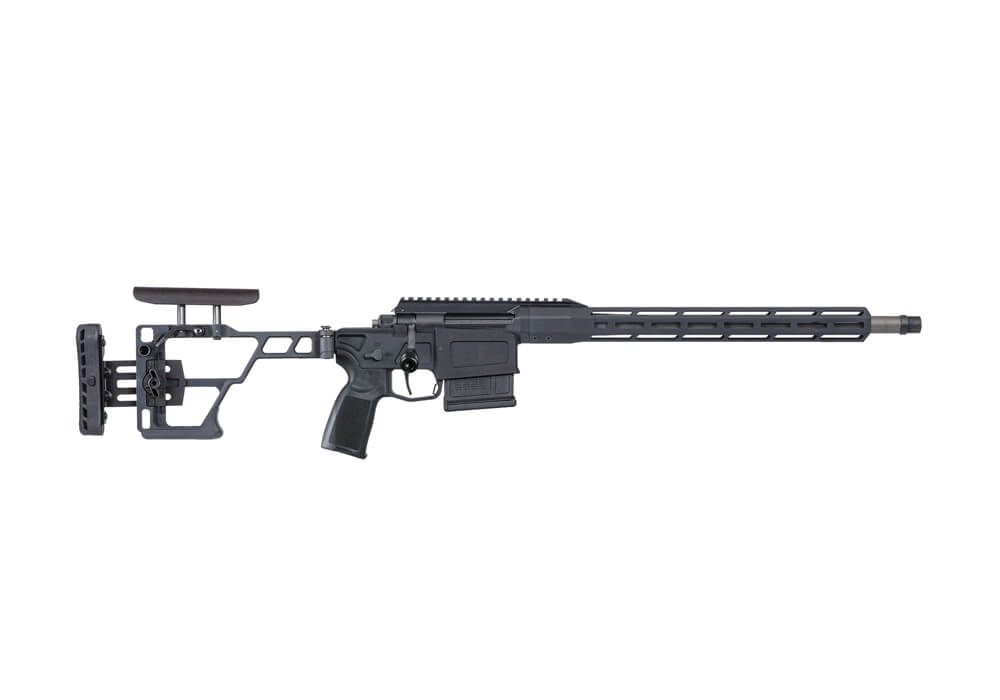
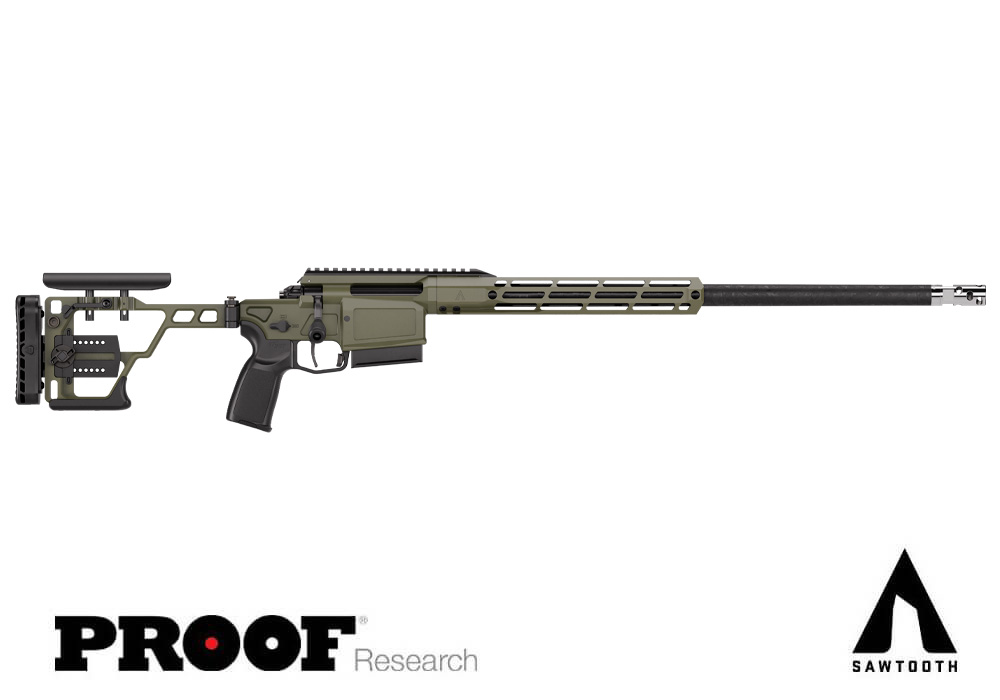
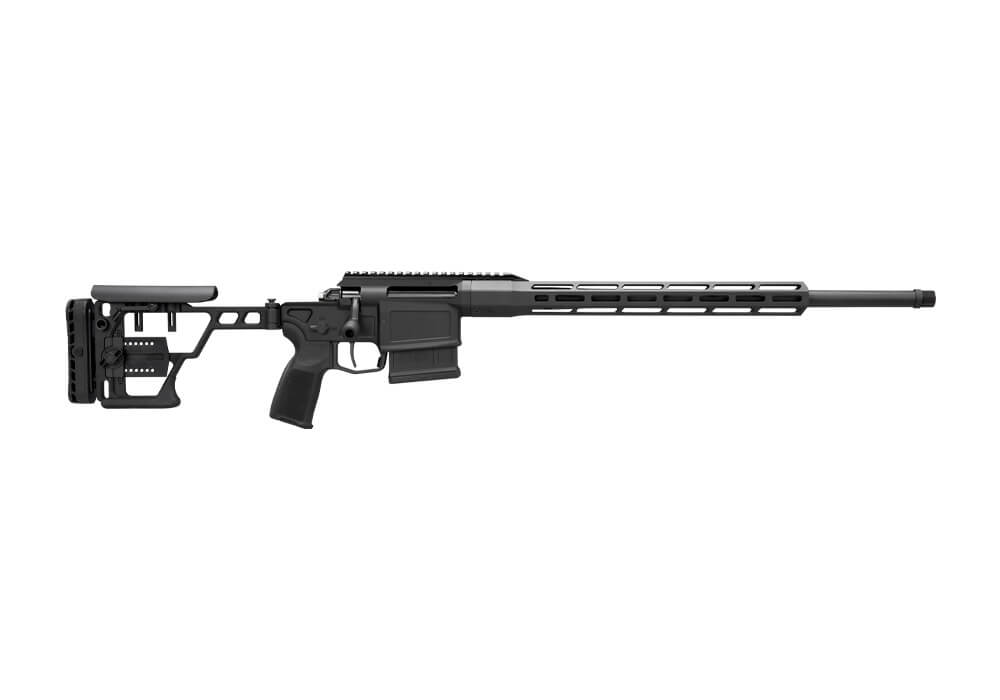
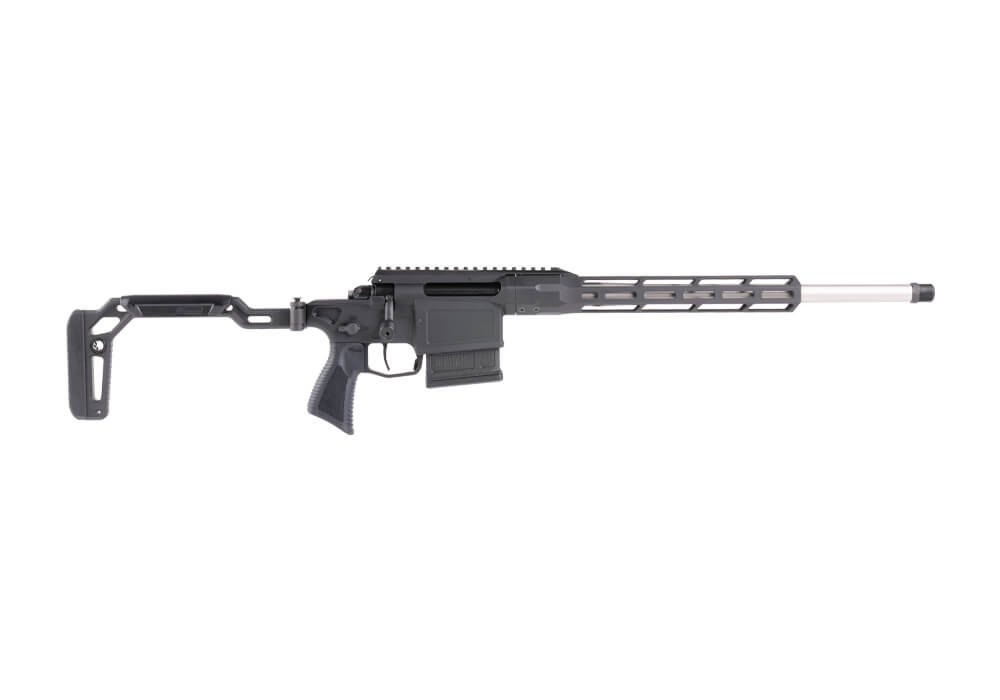
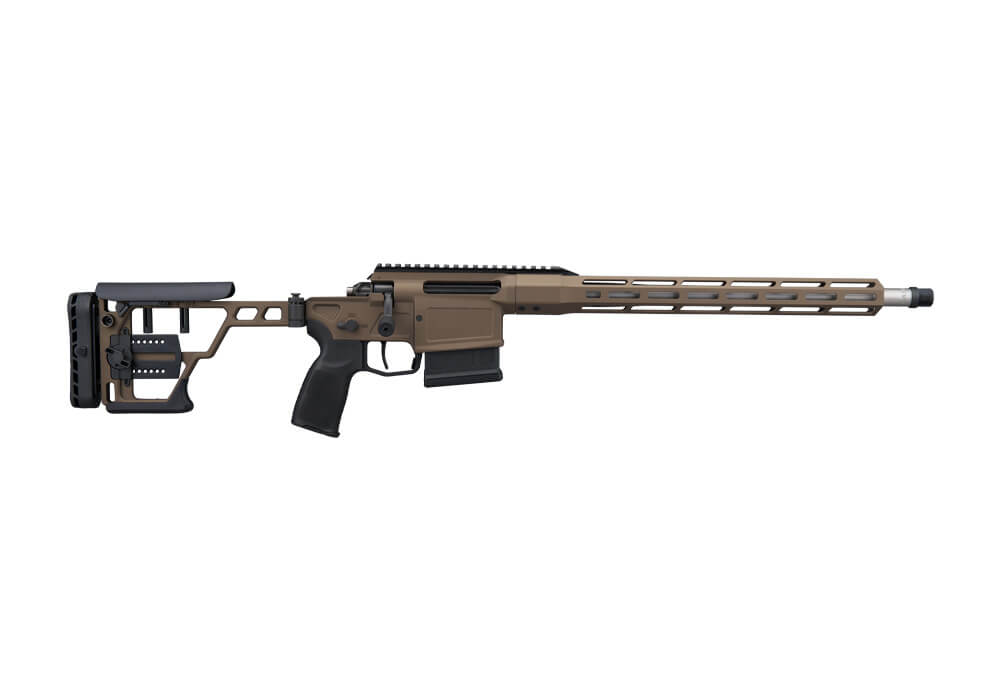
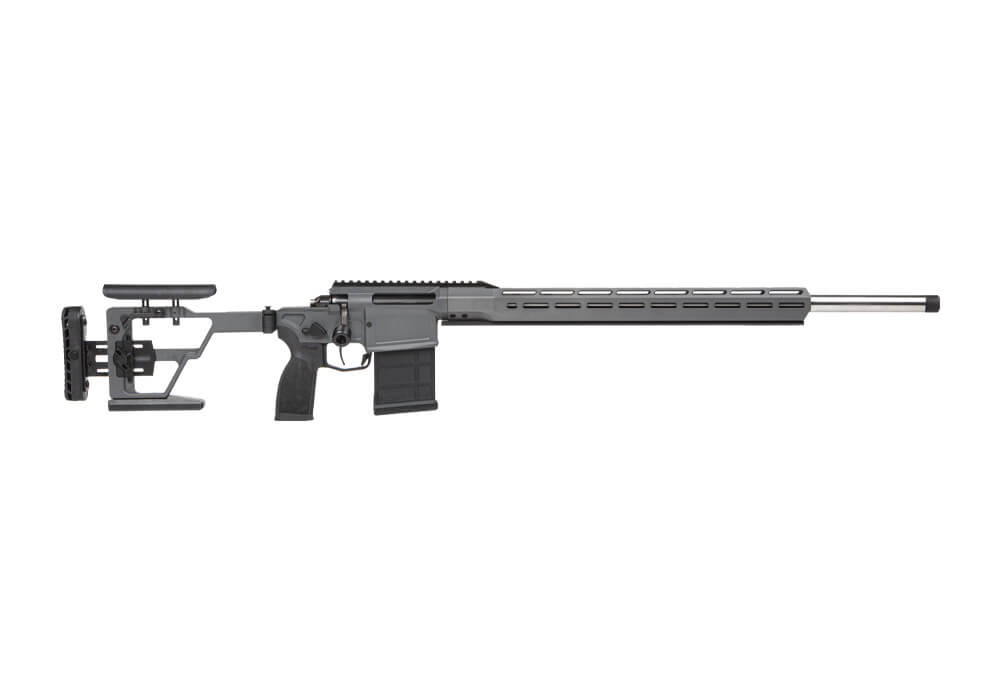
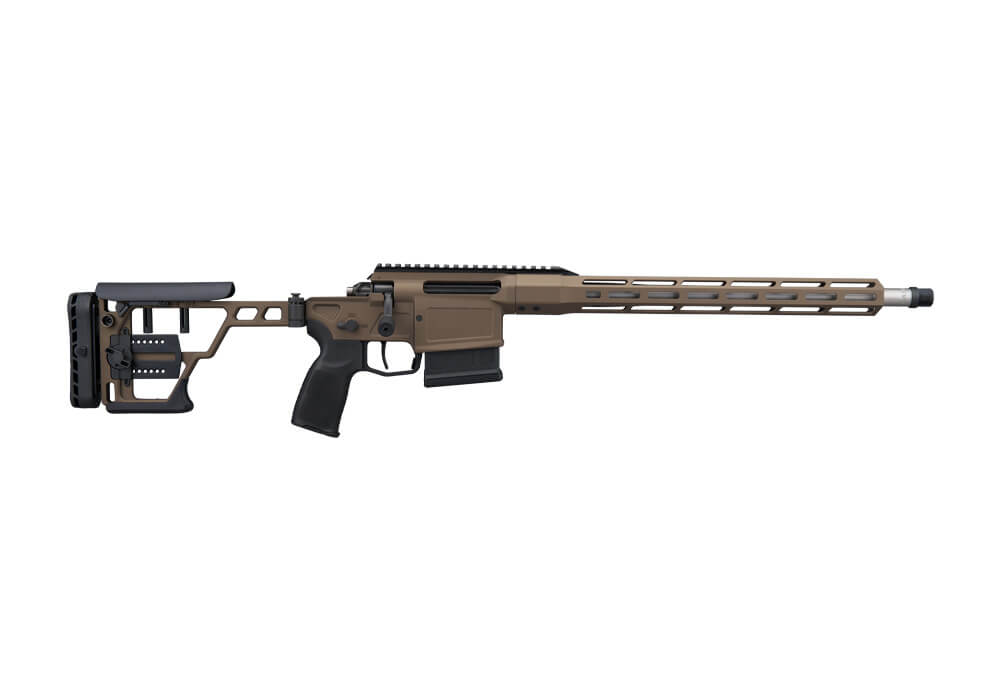
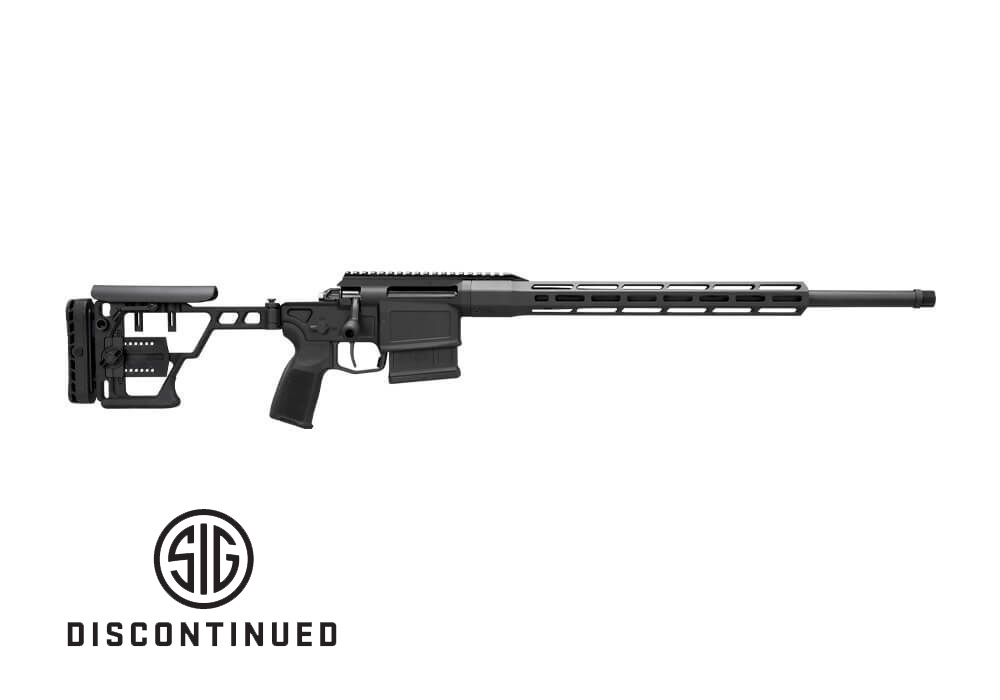
Modern hunting bolt action rifles combine the deliberate, reliable operation of a traditional hunting rifle with materials and features designed for the way hunters travel and shoot today. A manually operated bolt action remains popular because it is straightforward, dependable, and easy to inspect, while modern updates can improve fit, handling, accuracy, and all-weather durability. Depending on the intended use, shoppers may find rifles with lightweight composite or carbon-reinforced stocks, stainless or corrosion-resistant finishes, adjustable combs, threaded muzzles, fluted barrels, smooth bolt lifts, detachable magazines, and crisp user-adjustable triggers. These details matter in the field. A rifle carried through steep timber or open mountain terrain should balance comfortably between the hands, while one used from a blind or stand may benefit from a slightly fuller stock and a heavier barrel that remains steady during a long wait. The best choice is not necessarily the lightest or most feature-rich option; it is the rifle that fits the hunter, matches the intended game and terrain, and can be carried, shouldered, and operated confidently. A proper length of pull, comfortable cheek weld, sensible safety placement, and an action that cycles smoothly without disturbing the shooting position all contribute to a more natural experience. Hunters who spend cooler days moving across ridgelines may appreciate a compact, weather-resistant setup, while those who primarily hunt from established positions may prioritize stability, stock adjustability, and compatibility with a larger optic. For smaller-framed hunters, young adults beginning to develop their skills, or anyone who spends long hours carrying a rifle, a well-fitted option from the Compact Bolt Action Rifles category can offer practical handling without sacrificing the familiar strengths of a bolt action design.
Caliber selection should follow the game, expected distances, local regulations, and the shooter’s ability to practice comfortably. Versatile cartridges in the 6.5 mm and .308-class range are often considered practical choices for deer-sized game and general-purpose hunting because they offer manageable recoil, broad ammunition availability, and useful performance across common field conditions. A 6.5 Creedmoor is frequently chosen for its efficient bullet design, flat trajectory, and comfortable recoil, making it appealing for hunters who also spend time on the range. .308 Winchester remains a trusted all-around option with a wide selection of hunting loads and the flexibility to serve in varied environments. Hunters pursuing larger game or preparing for longer shots may look toward cartridges such as 6.5 PRC or 7mm PRC, which provide higher velocity and strong downrange performance while requiring careful attention to recoil, rifle weight, ammunition selection, and shooting technique. A .300 Winchester Magnum offers additional energy for larger North American game, but its greater recoil and muzzle blast make stock fit, rifle weight, and consistent practice especially important. Ballistic performance is only part of the decision. A cartridge that looks impressive on paper will not serve a hunter well if it leads to flinching, rushed shots, or limited practice. Before purchase, consider the cost and availability of ammunition, the weight of the complete rifle and optic combination, the distances normally encountered, and the regulations for the species and area being hunted. A threaded barrel may provide flexibility for a compatible suppressor where legal, helping reduce noise and muzzle blast, while a muzzle brake can affect report and should be considered with appropriate hearing protection. Every firearm should be handled responsibly, stored securely, and used only in accordance with applicable laws, range rules, and manufacturer guidance.
Modern hunting bolt action rifles can serve experienced hunters, first-time buyers, and family members looking for a meaningful gift for someone who enjoys the outdoors. They are often chosen for deer, pronghorn, black bear, elk, and other lawful big-game applications, with the final setup shaped by the cartridge, optic, stock design, and local hunting conditions. As the weather warms, it is a good time to shoulder prospective rifles, compare balance with an optic attached, and build a practice routine before the cooler months bring longer days in the field. Fit becomes especially apparent during dry-fire practice: the reticle should settle naturally, the bolt should cycle without forcing the elbow high, and the trigger finger should contact the trigger consistently without reaching or twisting. At the range, hunters can confirm zero with the chosen hunting load, practice from supported and improvised field positions, and learn how changes in distance, wind, clothing, and shooting angle affect performance. A rifle intended as a gift deserves the same care. When the recipient’s preferences are known, useful considerations include dominant hand, stature, preferred game, recoil tolerance, optic compatibility, and whether the rifle will be carried through dense woods or open country. When those details are uncertain, a gift card, safe-storage accessory, or range session may be more practical than selecting a complete firearm without the recipient’s input. Whatever the purpose, a quality bolt action rifle should become a familiar, trusted tool through regular practice and careful maintenance. Wipe down exposed metal after humid or wet outings, inspect the bore and action as recommended, protect the rifle during transport, and store it unloaded in a secure location separate from ammunition. With the right fit, cartridge, optic, and preparation, a modern hunting bolt action rifle can provide years of dependable service from the first practice session to a quiet morning in the field.