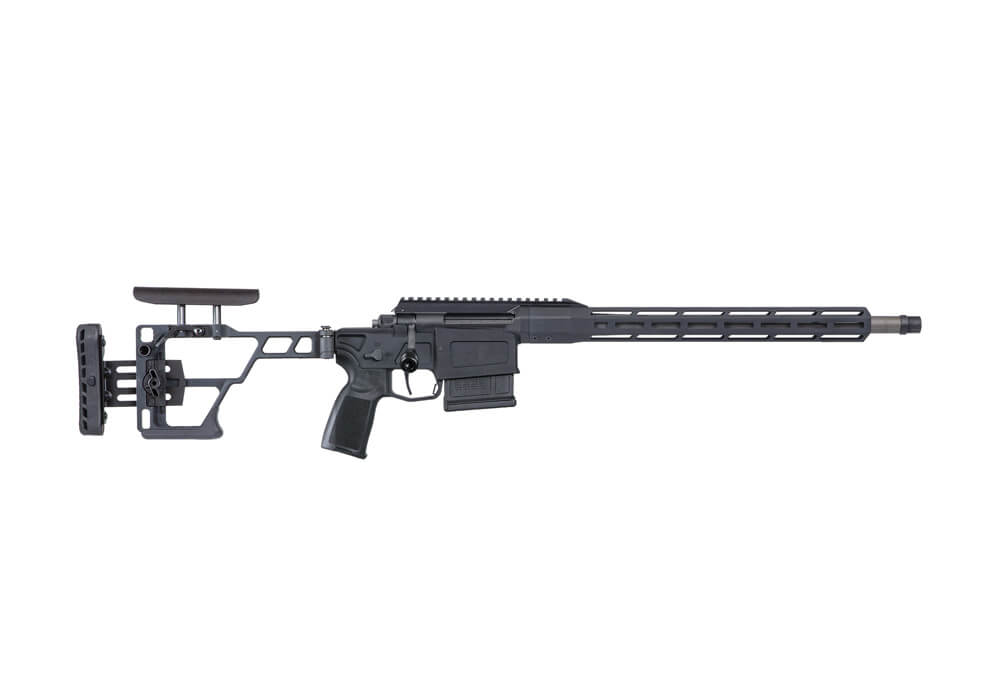
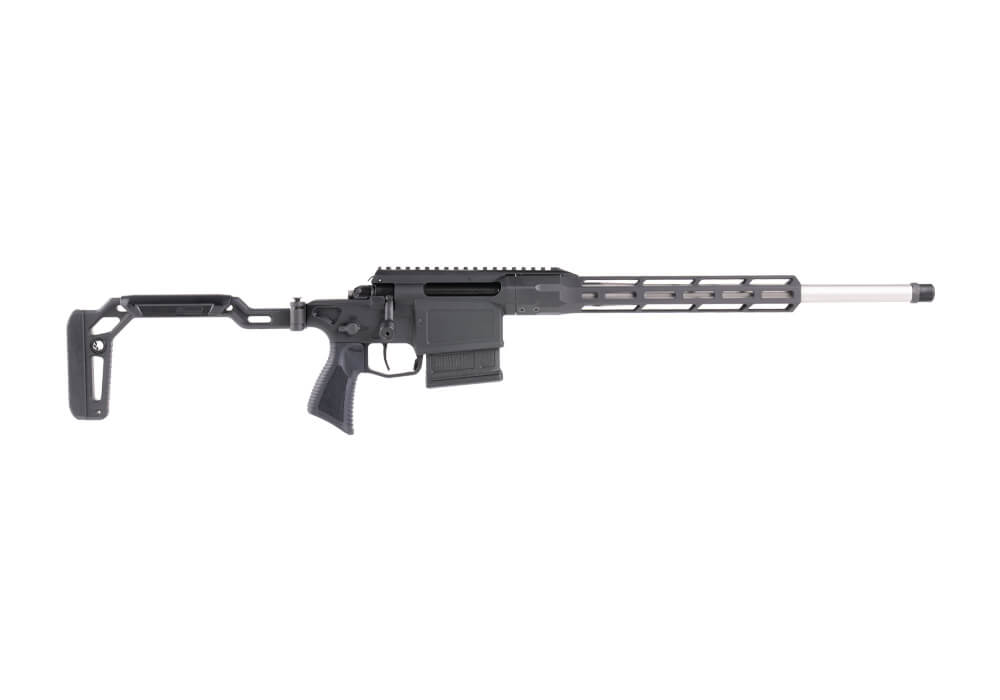
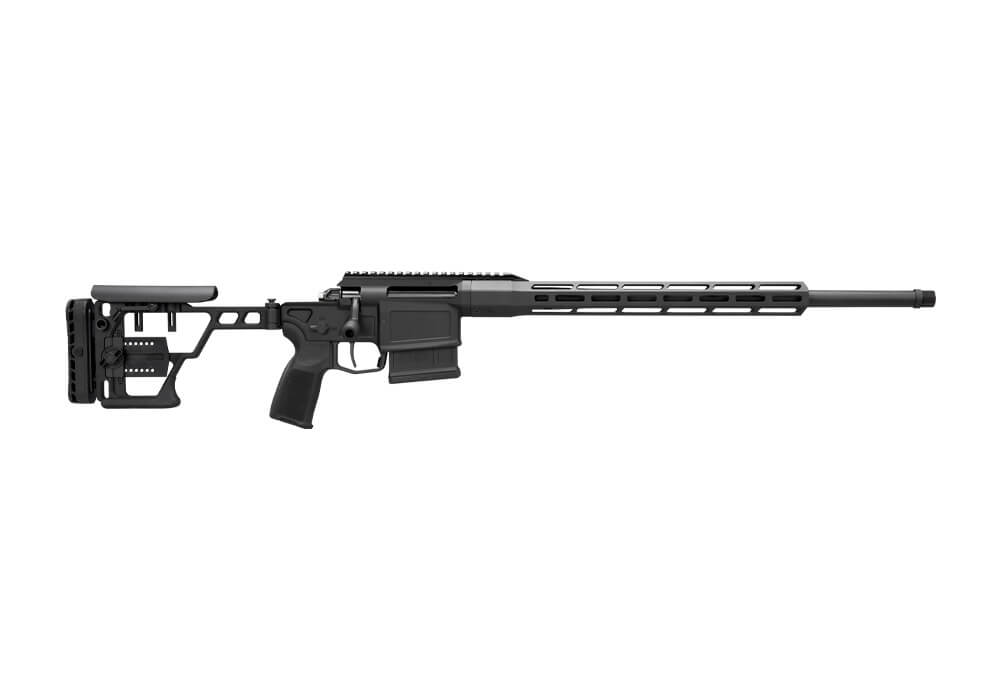
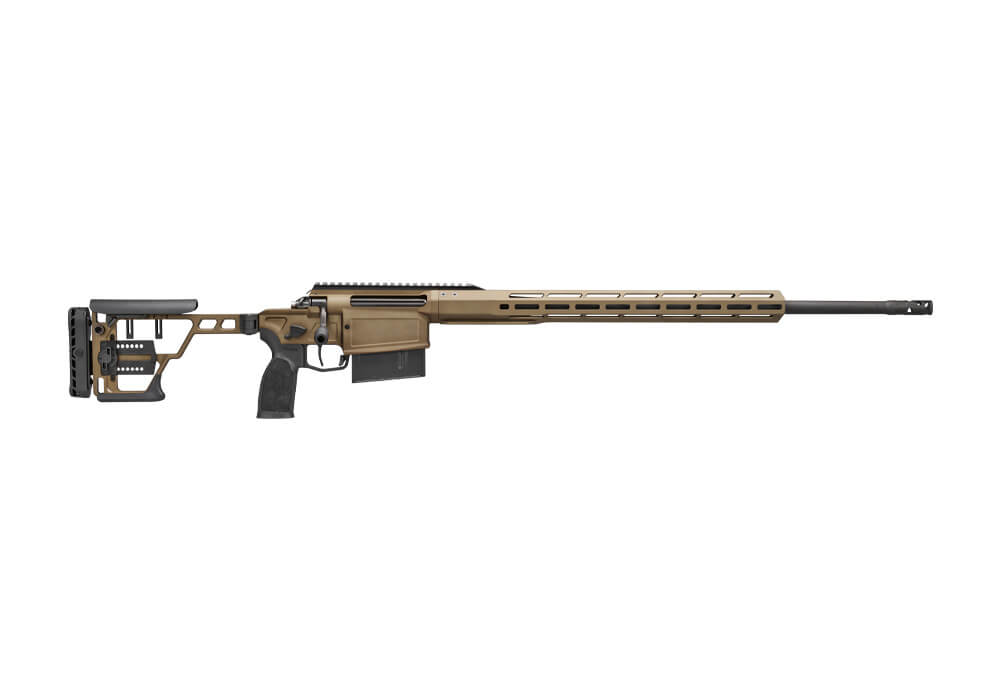
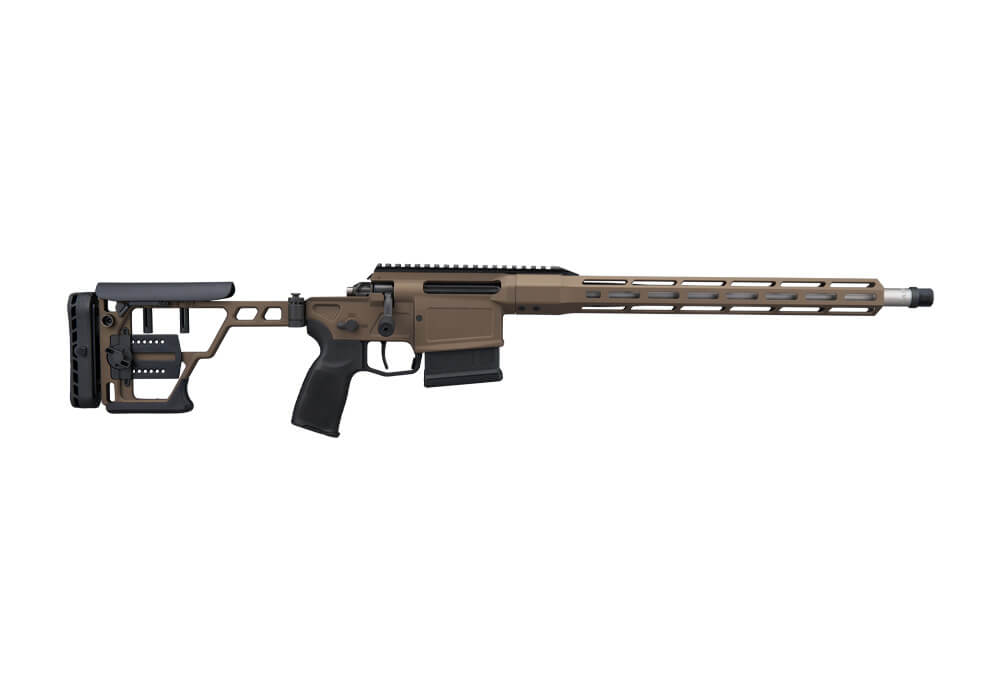
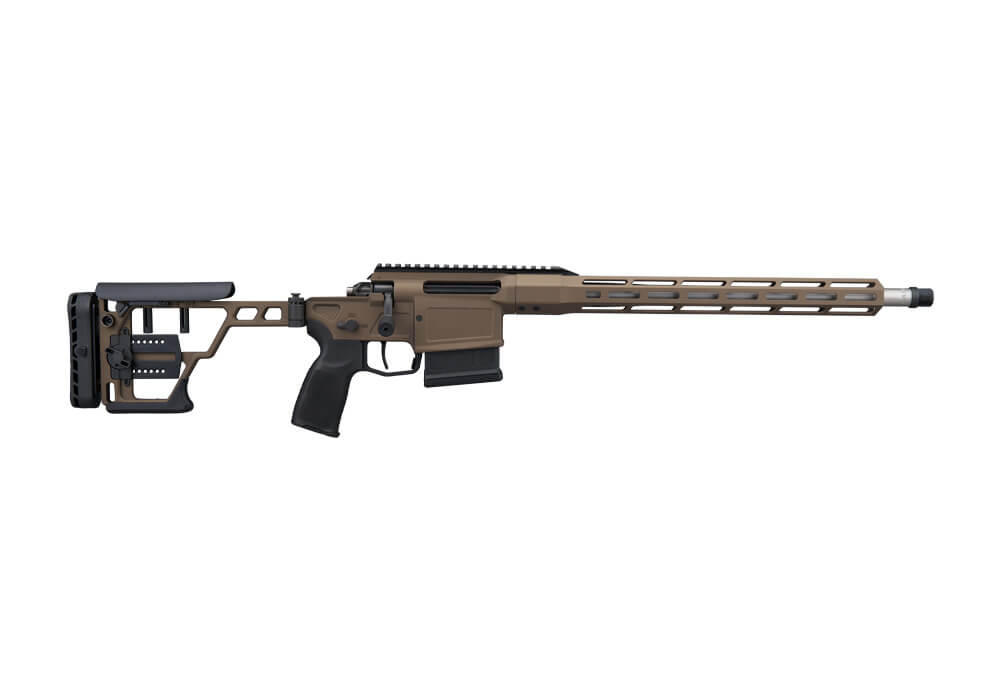
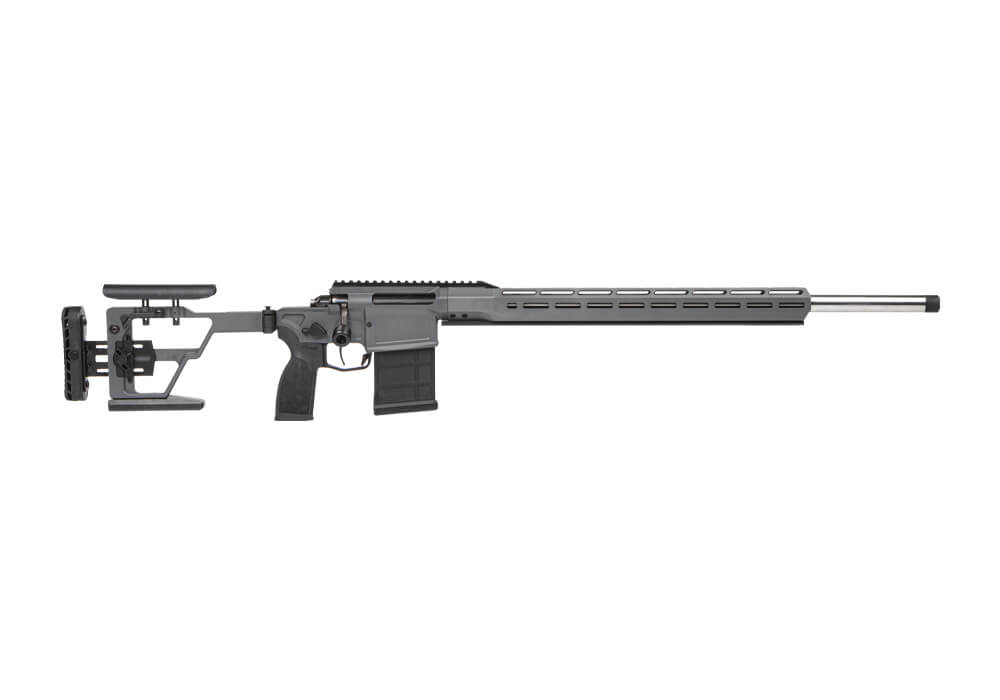
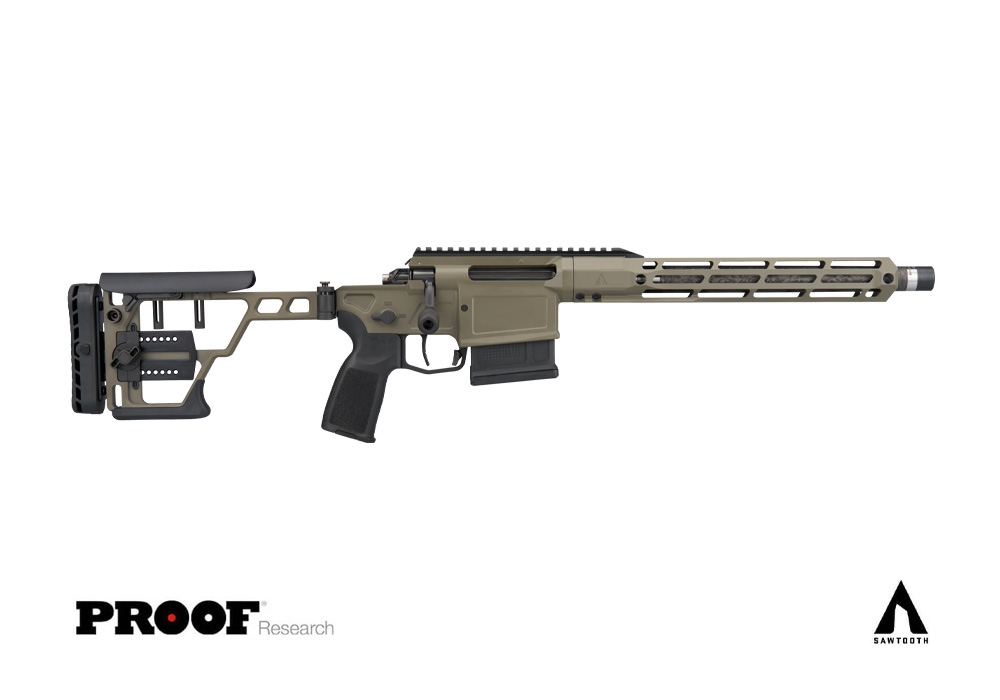
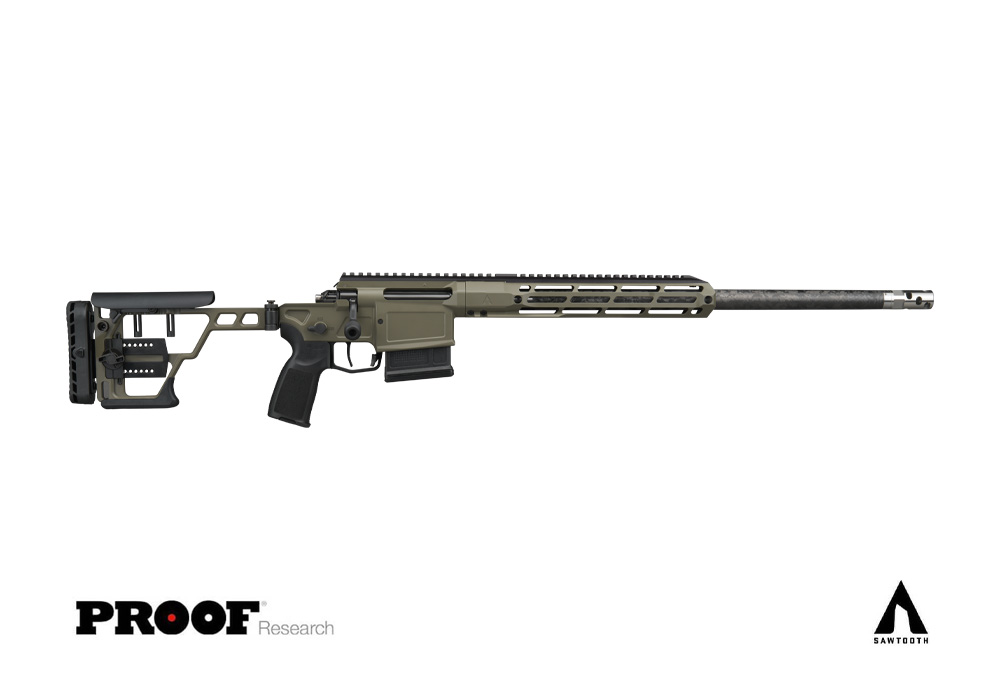
Lightweight bolt-action rifles are manually operated rifles designed to reduce carry weight for hunting, backcountry travel, and recreational target shooting. Some specialized configurations weigh under 5 pounds, while many lightweight hunting rifles weigh approximately 5 to 6.5 pounds before optics and accessories. Those figures are most useful when compared on equal terms: a listed rifle weight may exclude a scope, mounting hardware, sling, and ammunition. The weight of the complete setup determines what a hunter actually carries along a steep trail or between distant glassing points. A lighter rifle can ease that burden, but its appeal extends beyond a number on a specification sheet. Balance, stock shape, barrel length, and the location of the rifle’s weight all influence how it feels in the hands and across the shoulder. Common approaches to reducing weight include synthetic or carbon-fiber stocks, carefully contoured barrels, and aluminum components in suitable areas. Some barrel designs combine a steel core with a carbon-fiber exterior, while others use a slimmer all-steel profile. Each approach has different implications for handling, cost of ownership, and heat management during repeated firing. Carbon fiber can provide stiffness with relatively little weight, while a well-designed synthetic stock can offer practical durability without the weight of a traditional wood stock. Steel remains important in components that must withstand substantial mechanical stress. The overall design matters more than any single material, and a light stock alone does not guarantee a well-balanced rifle. A rifle intended for long walks and a limited number of carefully considered shots may prioritize portability differently from one intended for extended range sessions. That distinction helps explain why lightweight bolt-action rifles vary in both construction and feel, even when their listed weights are similar. For someone covering several miles on foot, a modest reduction in total carried weight can be meaningful; for someone shooting primarily from a bench, a little additional mass may be welcome. Neither approach is universally better, and the most useful comparison connects the rifle’s physical characteristics with its intended role.
Fit becomes especially noticeable in a lightweight rifle because stock geometry and balance strongly influence perceived recoil and comfort. Length of pull describes the distance from the trigger to the rear of the stock, while comb height affects how naturally the eye aligns with the sighting system. A stock that supports a comfortable head position helps reduce the need to stretch the neck or lift the cheek away from the comb. The grip should allow a relaxed hand position, and the fore-end should feel manageable when supported by the hand or rested on an appropriate shooting support. Adjustable stock features can accommodate different body proportions, although those features may add weight. Left-handed configurations, where offered within the category, can provide a more natural arrangement for left-handed shooters. Barrel length also shapes the ownership experience. A shorter barrel can be easier to manage around brush or inside a transport case, but overall length, balance, and the requirements of the chambering still matter. A slender barrel saves weight, though it generally heats more quickly than a heavier barrel during sustained firing. Lightweight construction does not automatically mean reduced precision; it does mean that comparisons should account for ammunition compatibility, barrel temperature, shooter consistency, and the conditions of the accuracy evaluation. Recoil deserves the same practical attention. With otherwise comparable setups and ammunition, a lighter rifle typically produces more felt recoil than a heavier one, and stock fit and recoil-pad design can influence how that recoil feels. A cartridge suitable for the intended lawful hunting or sporting activity should also be comfortable enough for regular practice. Optics and mounts belong in this discussion because a bulky sighting setup can substantially change the handling of a trim rifle. A balanced combination preserves the portability that attracted the owner to the category in the first place. For a hunter carrying a pack, binoculars, and other essentials, those decisions become part of a complete equipment system rather than isolated specifications. For a recreational shooter, a comfortable fit can matter more than achieving the lowest possible weight.
Durability in a lightweight bolt-action rifle comes from sound construction, suitable materials, protective finishes, and consistent care rather than weight alone. Synthetic and composite stocks avoid some of the dimensional changes associated with natural wood, but they still require sensible handling and inspection. Carbon-fiber surfaces, recoil pads, sling attachment points, and exposed metal finishes can all show wear through regular use. Stainless steel and protective coatings can improve resistance to corrosion, yet neither removes the need for cleaning and appropriate storage. Manufacturer instructions should govern cleaning products, lubrication, inspection intervals, and any maintenance involving the action or trigger assembly. The rifle should be unloaded before cleaning or inspection, with ammunition kept separate from the work area. Attention to the bore, chamber, exterior metal, and accessible dirt or residue helps support dependable function without unnecessary disassembly. Stock care also varies by material and finish; a product suitable for one surface may be inappropriate for another. Routine checks by a qualified professional are appropriate when damage, unusual operation, or persistent accuracy changes appear. A properly fitted case protects the rifle during transport, while secure, locked storage helps prevent unauthorized access between outings. Practical ownership also includes accounting for the rifle’s full dimensions, compatibility with its intended accessories, and the support available for routine service. Within the broader family of Modern Bolt Action Rifles, lightweight designs place particular emphasis on portability without abandoning the familiar operation and deliberate pace of a manually cycled action. They suit hunters who spend substantial time on foot, shooters who prefer less weight to move between range positions, and experienced owners seeking a more manageable sporting rifle. The strongest match is not necessarily the lightest configuration on paper. It is a rifle whose weight, fit, recoil characteristics, construction, and maintenance requirements work together for the person carrying it. That combination gives lightweight construction its practical value: less burden during transport, comfortable handling, and a platform appropriate to the intended activity.