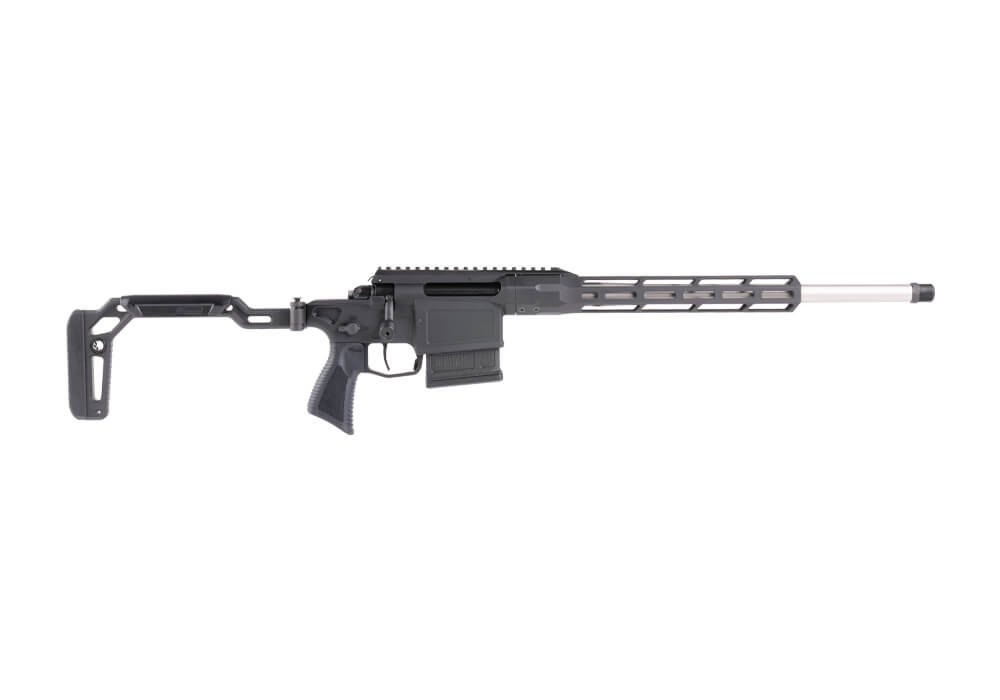
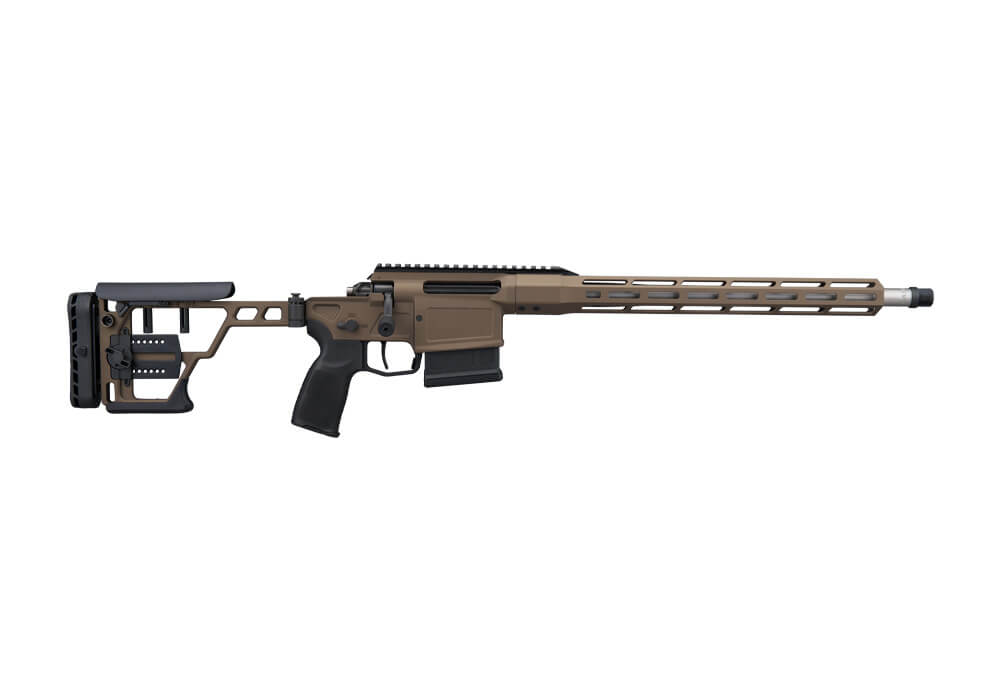
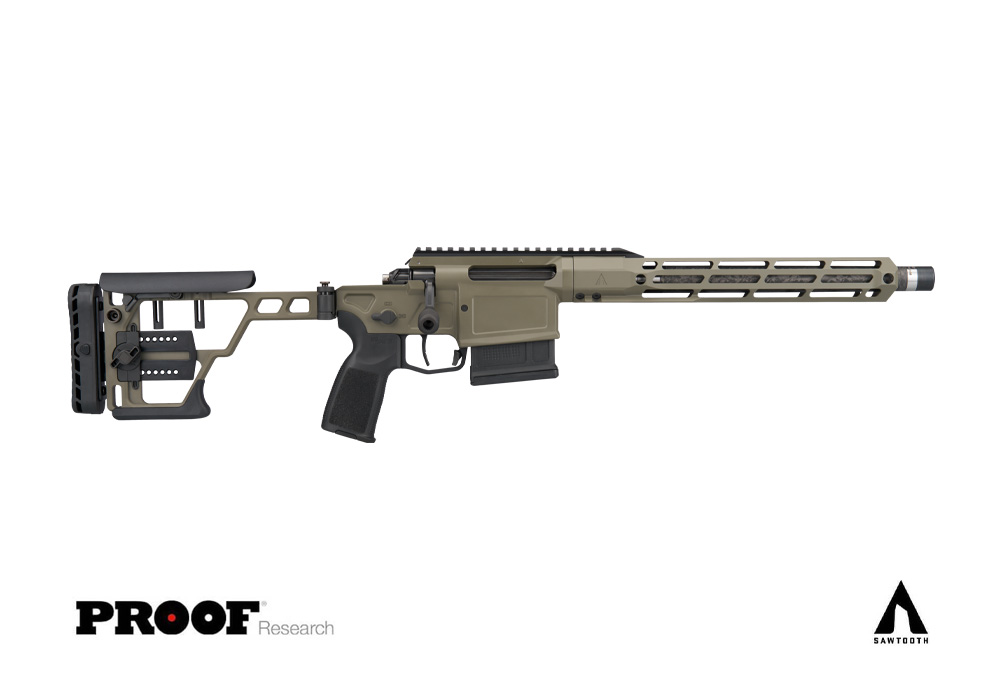
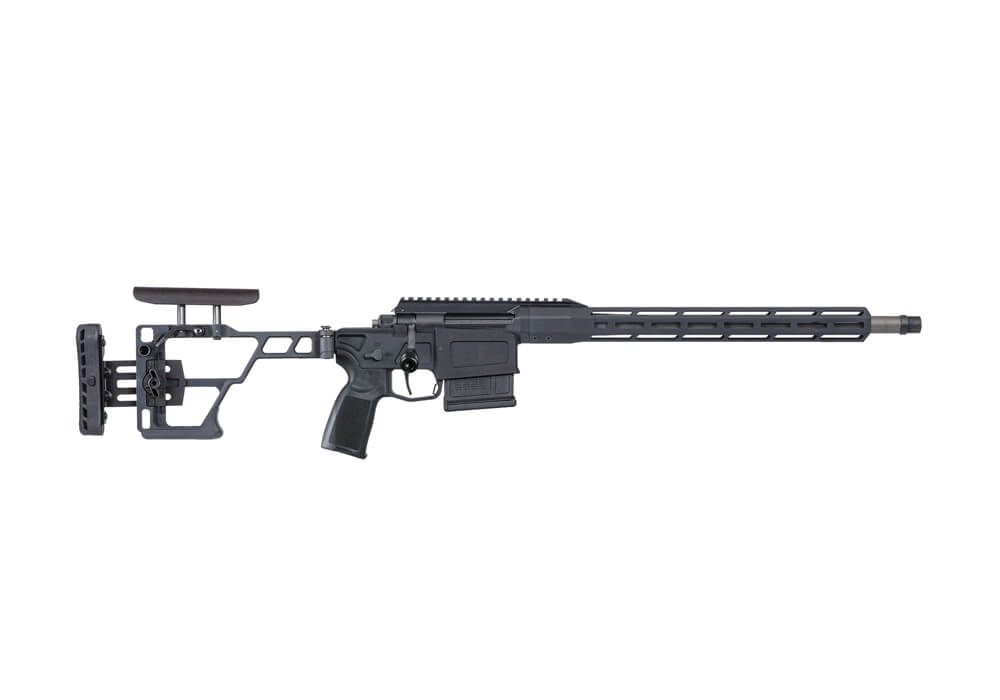
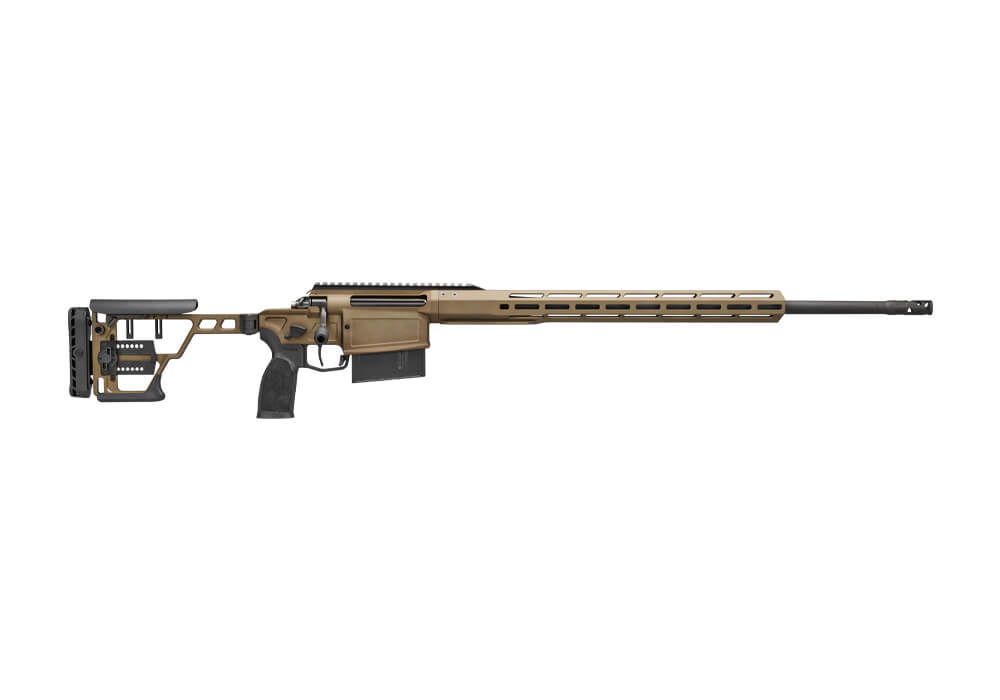
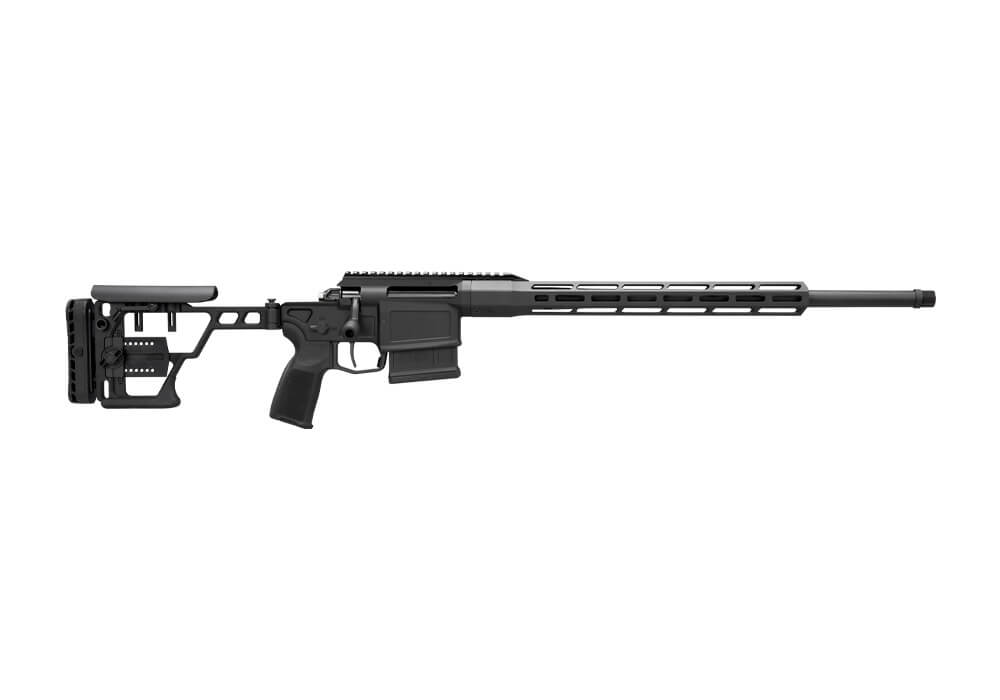
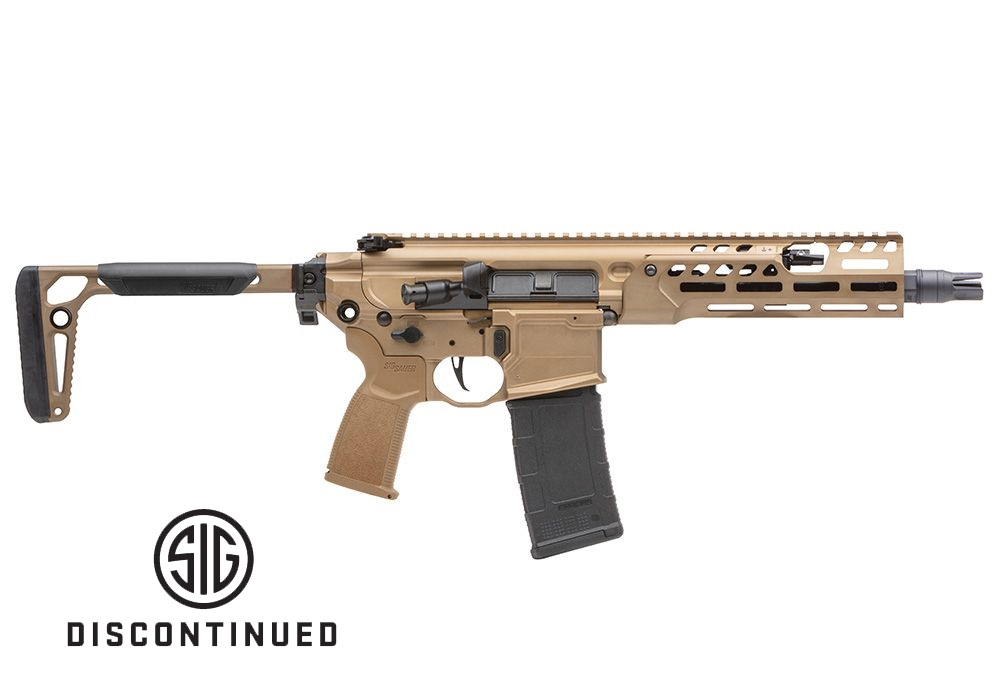
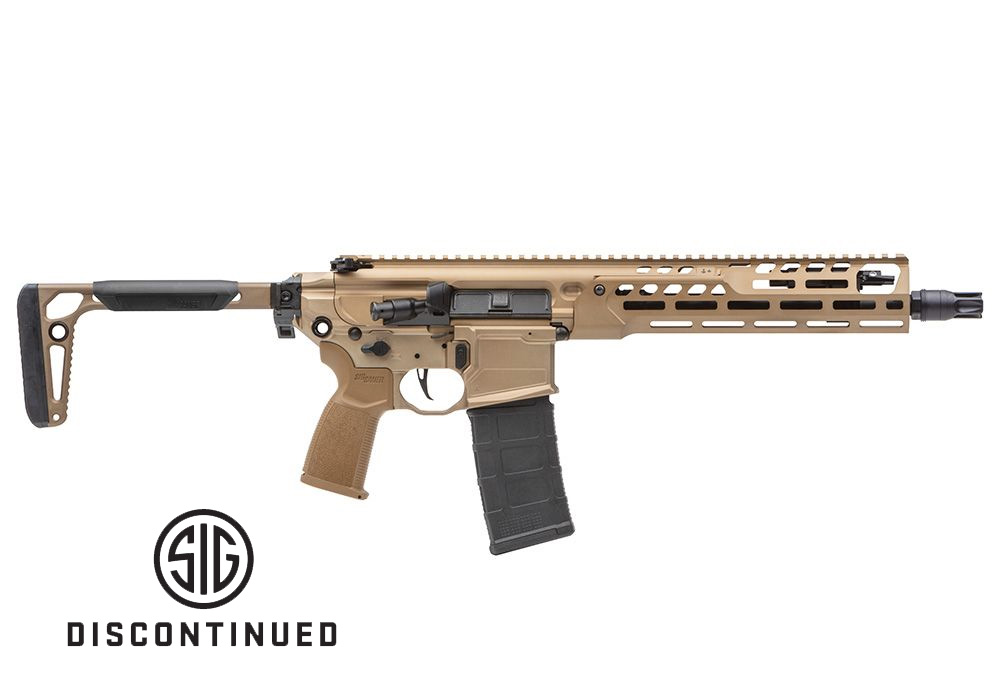
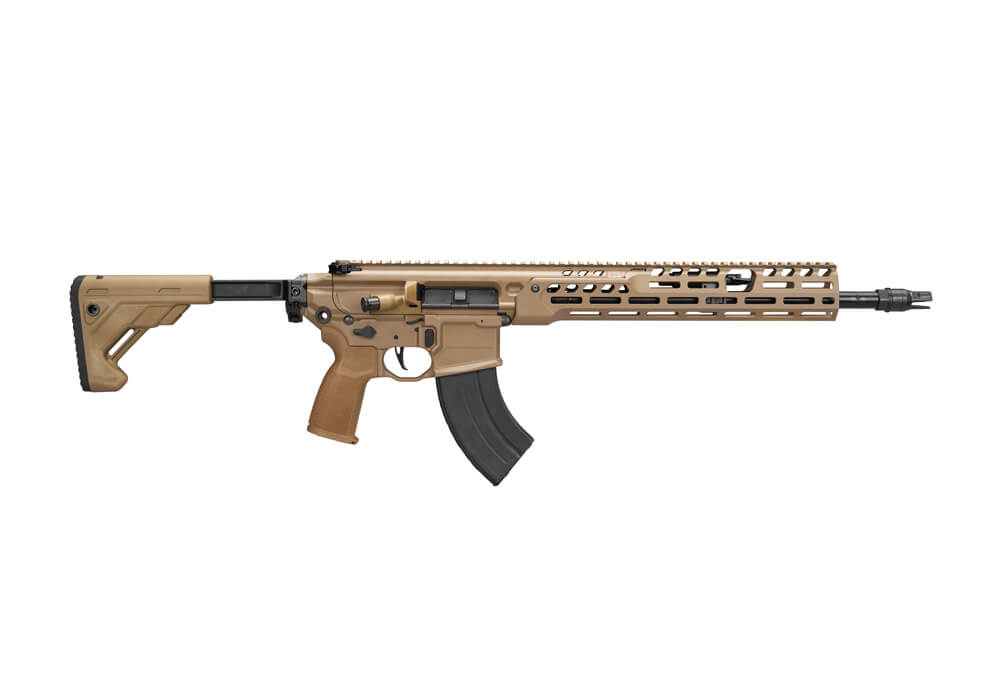
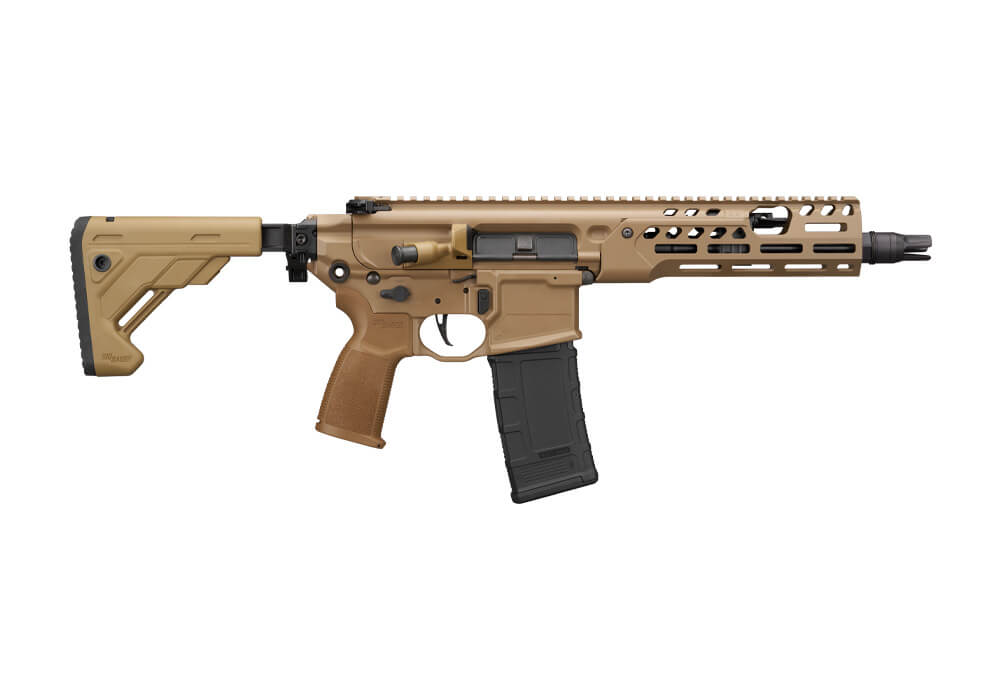
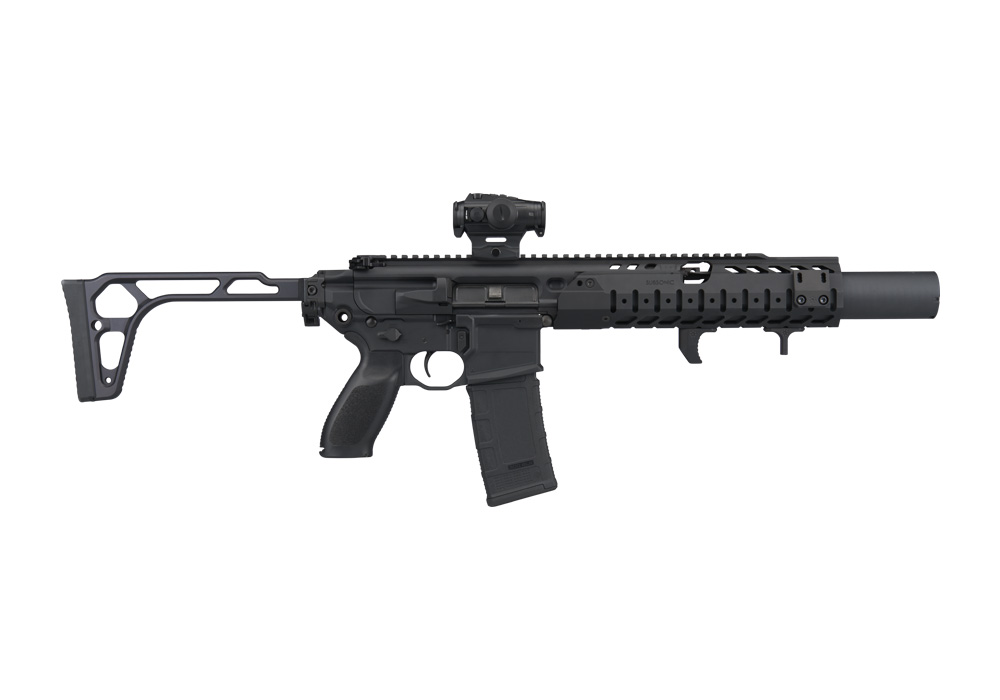
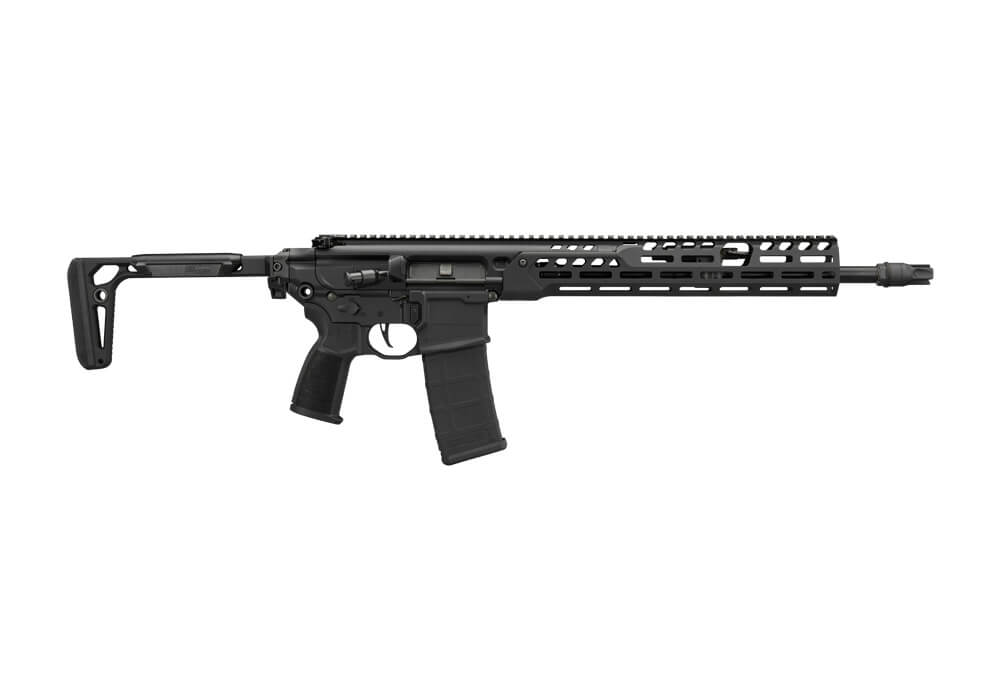
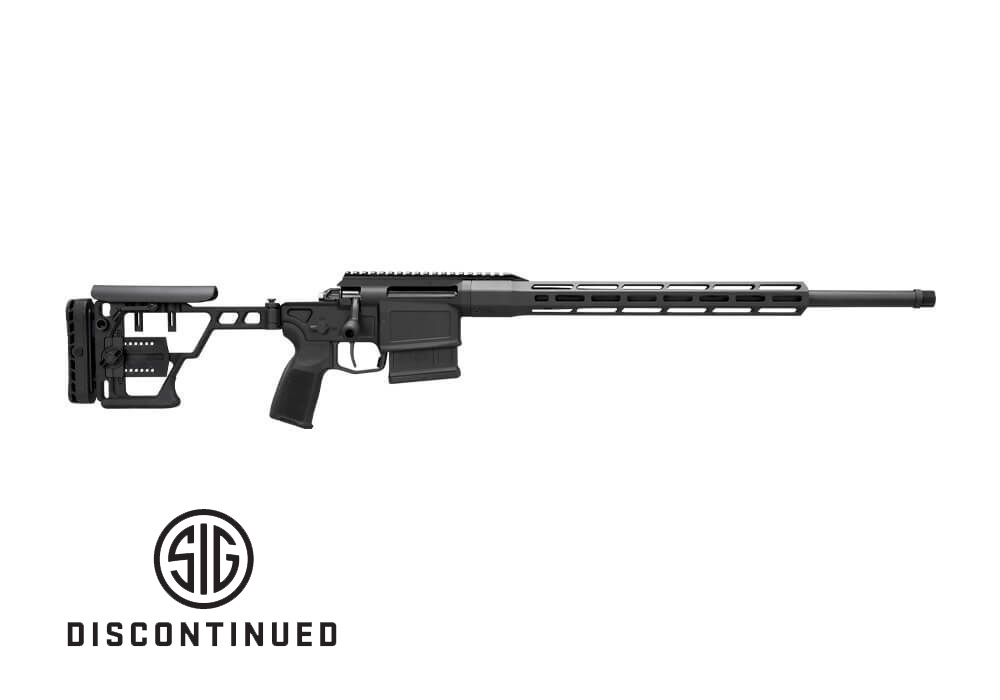
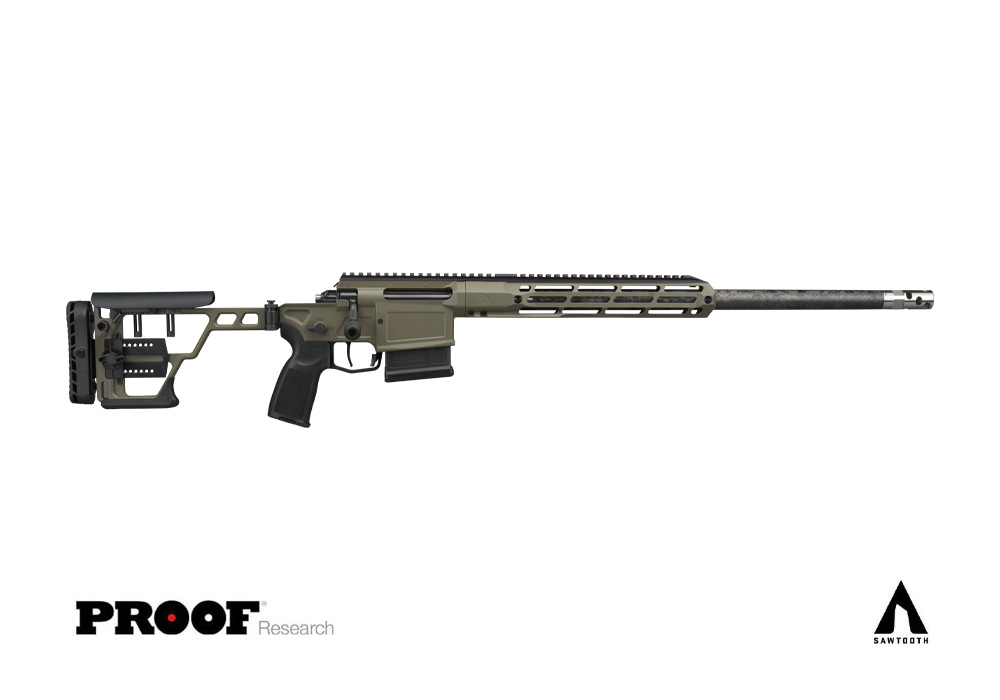
Lightweight compact hunting rifles are built for hunters who spend as much time carrying their rifle as they do aiming it. A rifle that feels manageable at the truck can become noticeably heavier after several miles of uneven ground, a steep climb, or a long walk through wet timber. Models in this category commonly weigh less than approximately 6.5 pounds, with some designed to reduce weight even further through carbon-fiber-reinforced or other lightweight synthetic stocks, fluted barrels, streamlined receivers, and carefully selected components. Compact dimensions add another advantage in thick brush, confined blinds, elevated stands, and mountain terrain where a long barrel can catch on branches or make it harder to move quietly. Shorter barrels, often in the 16- to 20-inch range, tend to balance well in tight spaces and can be practical when paired with a suppressor where permitted by law. They may give up a modest amount of muzzle velocity compared with longer barrels, so hunters should consider how that tradeoff fits their cartridge, bullet, and expected shooting distances. A folding stock can make an already compact rifle easier to transport in a vehicle, pack, or scabbard, and shoppers looking for that feature can also browse Lightweight Rifles With Folding Stock. Across the category, the most useful choice is not necessarily the absolute lightest rifle; it is the setup that carries comfortably, shoulders naturally, and provides dependable accuracy without becoming difficult to control.
Choosing among lightweight compact hunting rifles begins with matching the rifle to the hunt. A hunter pursuing deer through hardwoods may value a short, quick-handling configuration that moves smoothly between trees and settles rapidly onto a shooting rest. Someone traveling into steep country for elk or other larger game may prioritize every ounce saved on the ascent, while still selecting a cartridge and bullet combination appropriate for the animal, distance, and local regulations. Predator hunters often appreciate a compact rifle that is easy to maneuver from a seated position and simple to carry between calling locations. For small-game applications, a lighter rimfire configuration can offer reduced recoil and economical practice, while centerfire rifles provide a broader range of hunting capability. Caliber selection deserves particular attention because reducing rifle weight can make recoil feel sharper, especially with heavier cartridges. A rifle that is technically easy to carry but unpleasant to shoot is unlikely to inspire confidence or consistent practice. Before purchasing, consider the rifle’s unloaded weight, loaded weight, length with the stock in its normal position, barrel contour, balance point, trigger reach, and the weight of the optic, rings, sling, and other accessories. A compact rifle may also be a thoughtful gift for an experienced hunter who spends long days in the field, provided the recipient’s preferred cartridge, optic mounting system, and fit are known. For a first-time hunter, gift selection is best handled with attention to local training requirements, safe storage, and the guidance of a qualified instructor or knowledgeable family member.
Weather and terrain make practical details especially important during the cooler months. A reinforced synthetic stock is generally less vulnerable to moisture-related changes than traditional wood, which can be valuable when a rifle moves between a warm vehicle and cold, damp cover. Stainless or corrosion-resistant finishes, protected controls, and a stock shape that remains comfortable with gloved hands can make the rifle easier to live with when frost gathers on the grass or rain follows a day of changing temperatures. Check that the rifle’s sling attachment points are secure and positioned for comfortable carry, since a reliable sling can keep both hands free while climbing, moving through brush, or handling gear. An adjustable length-of-pull stock can help different shooters maintain a consistent cheek weld and trigger position, while a folding design may simplify storage without replacing the need for a suitable locked case. Optics should be selected with the rifle’s intended range and carry weight in mind; an oversized scope can compromise the balance that makes a compact rifle appealing. After purchase, confirm the rifle is unloaded before inspection or maintenance, follow the owner’s manual, use only compatible ammunition, and have the rifle sighted in by a competent adult at an appropriate range. Spend time practicing from realistic field positions, including seated, kneeling, and supported standing positions, rather than relying only on a bench. A well-matched lightweight rifle should feel like a natural part of the hunt: secure against the shoulder, steady on a pack or rest, and comfortable enough to carry as the trail narrows, the light softens, and the day’s careful work leads to a responsible opportunity.