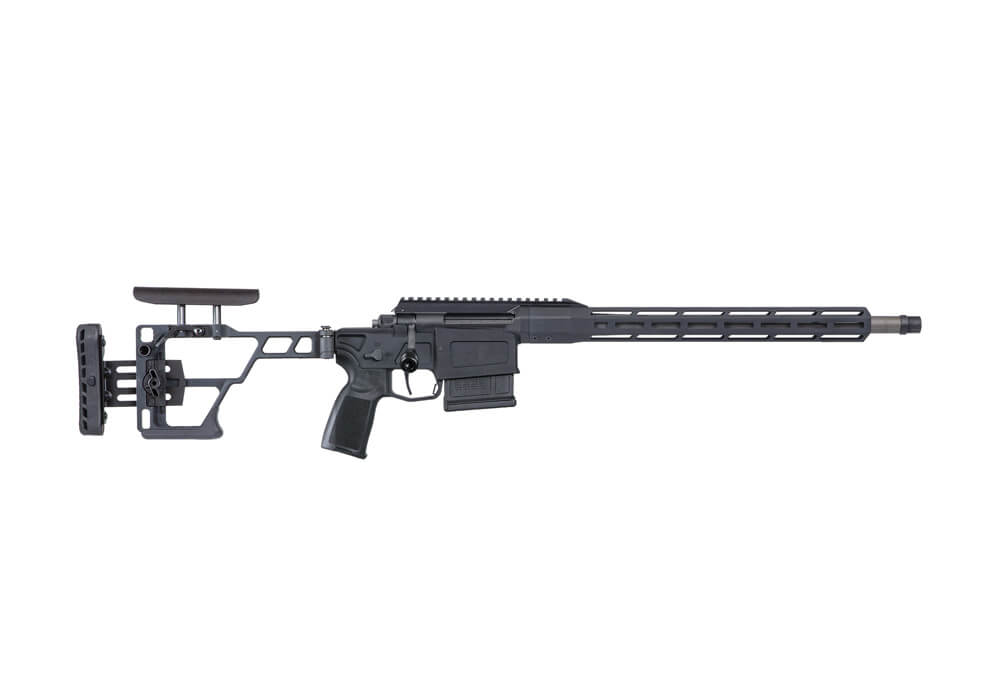
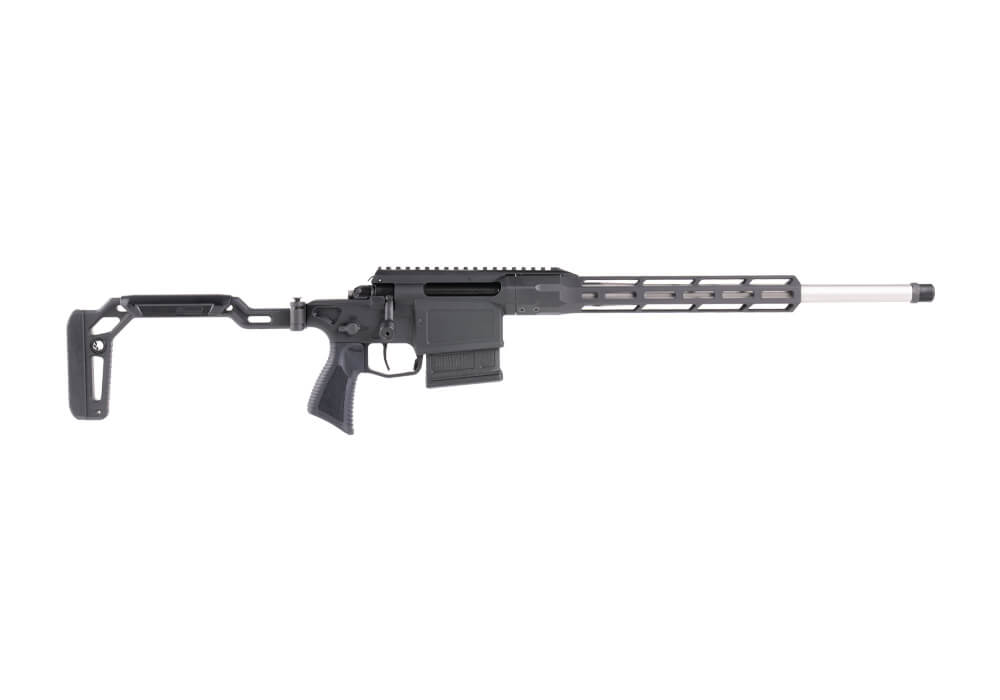
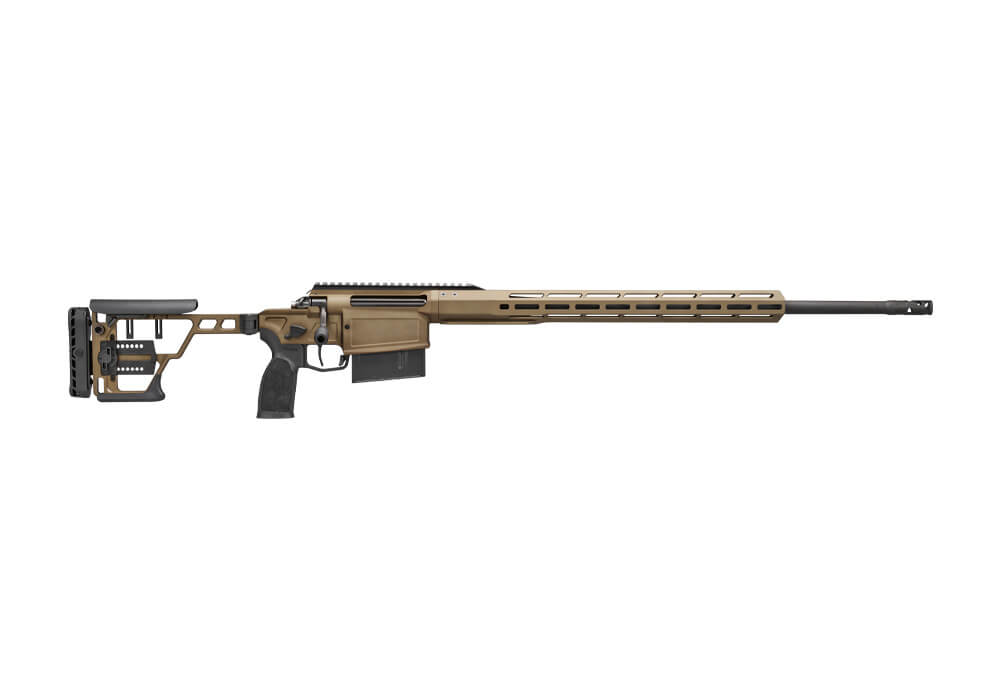
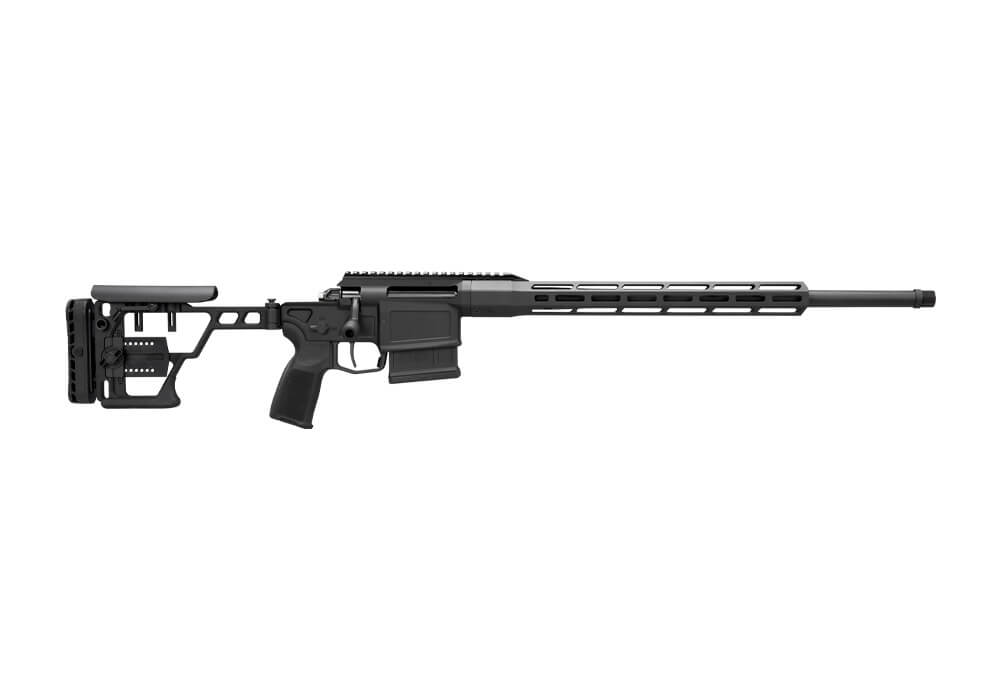
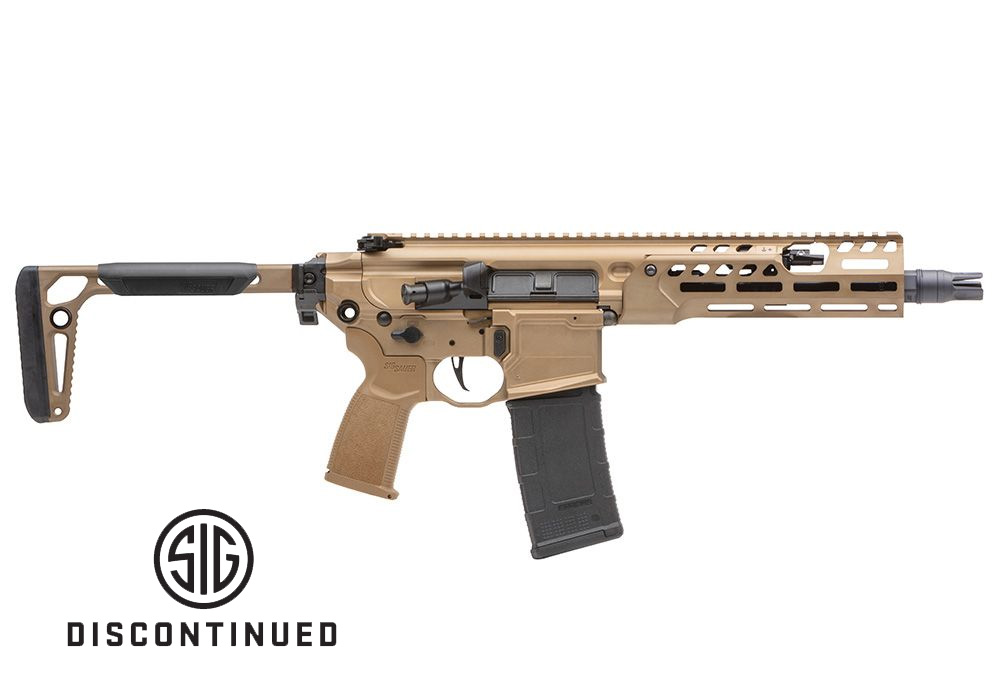
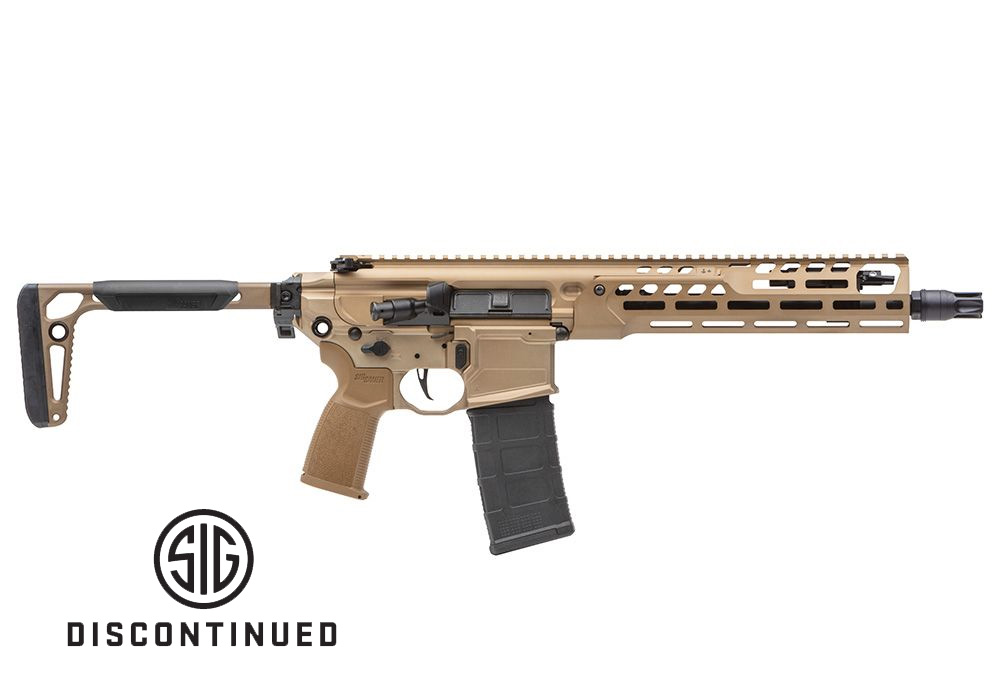
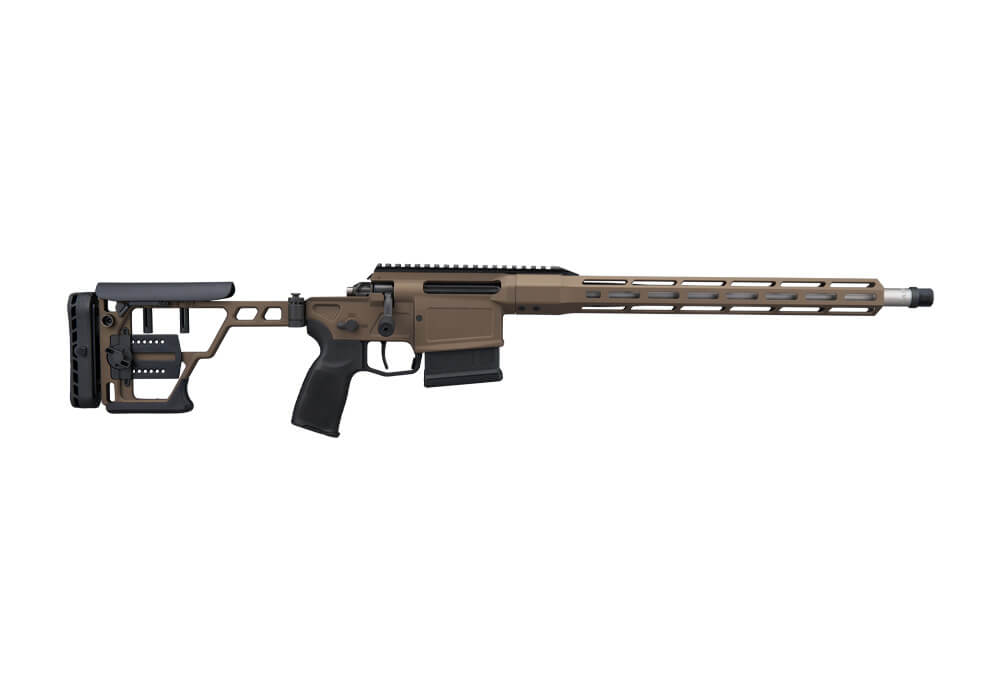
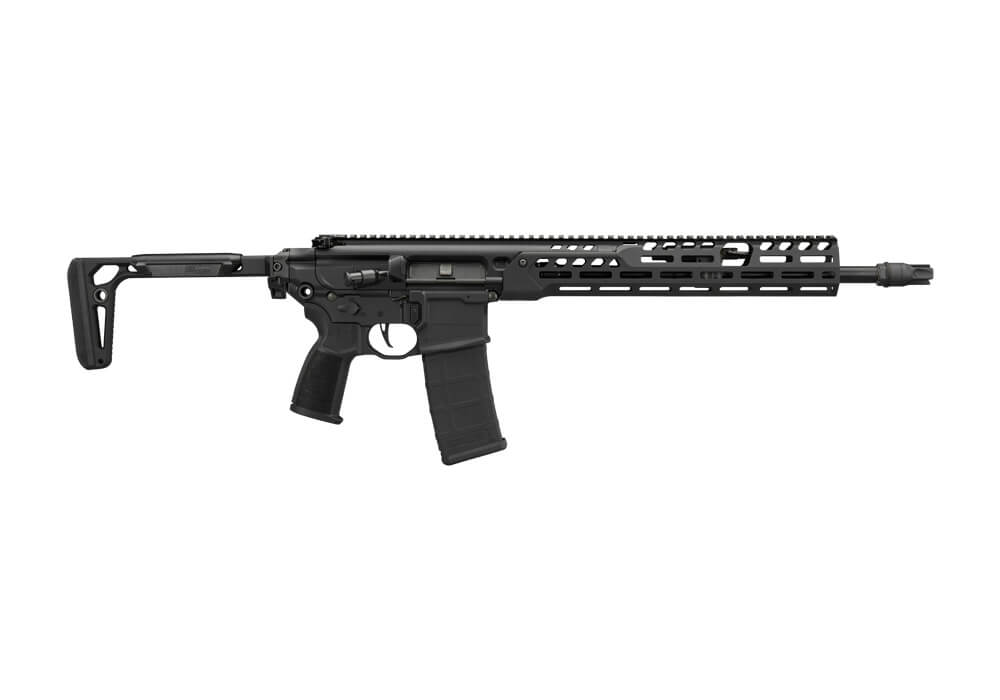
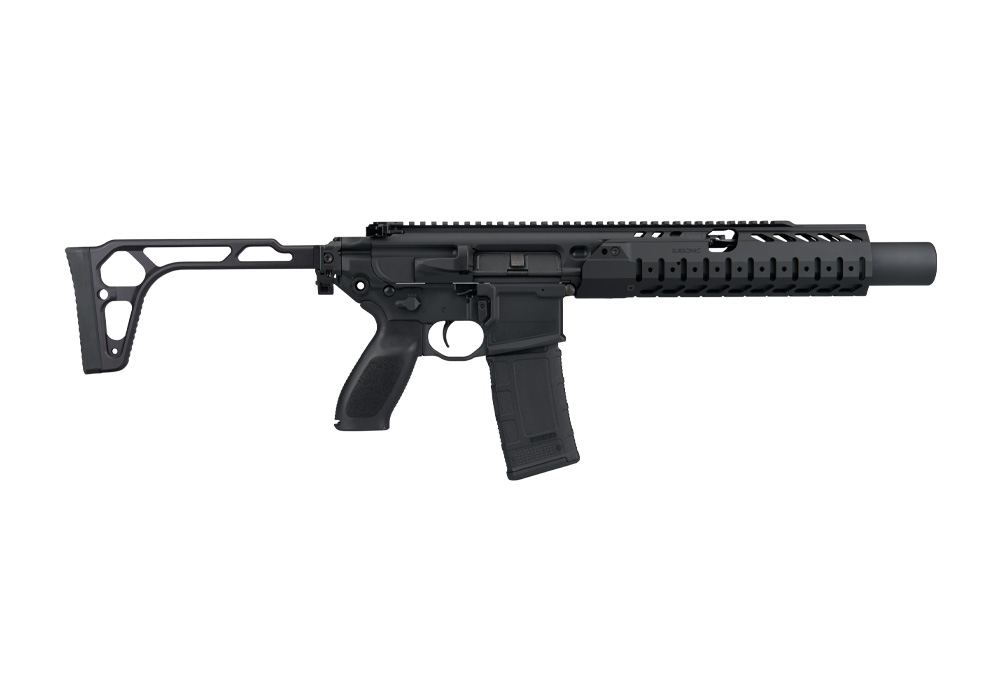
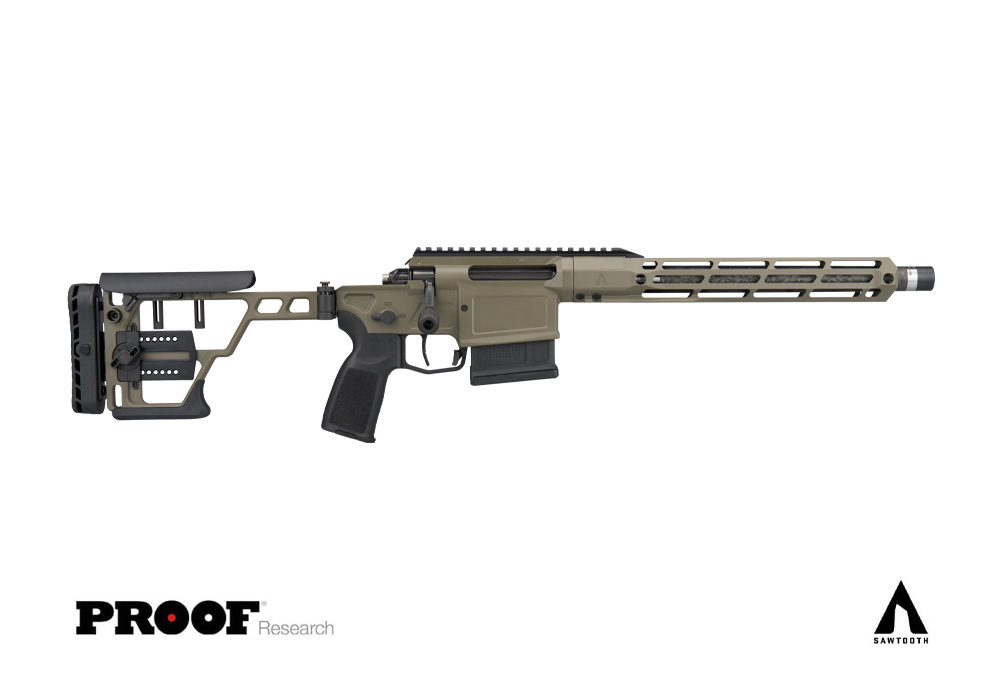
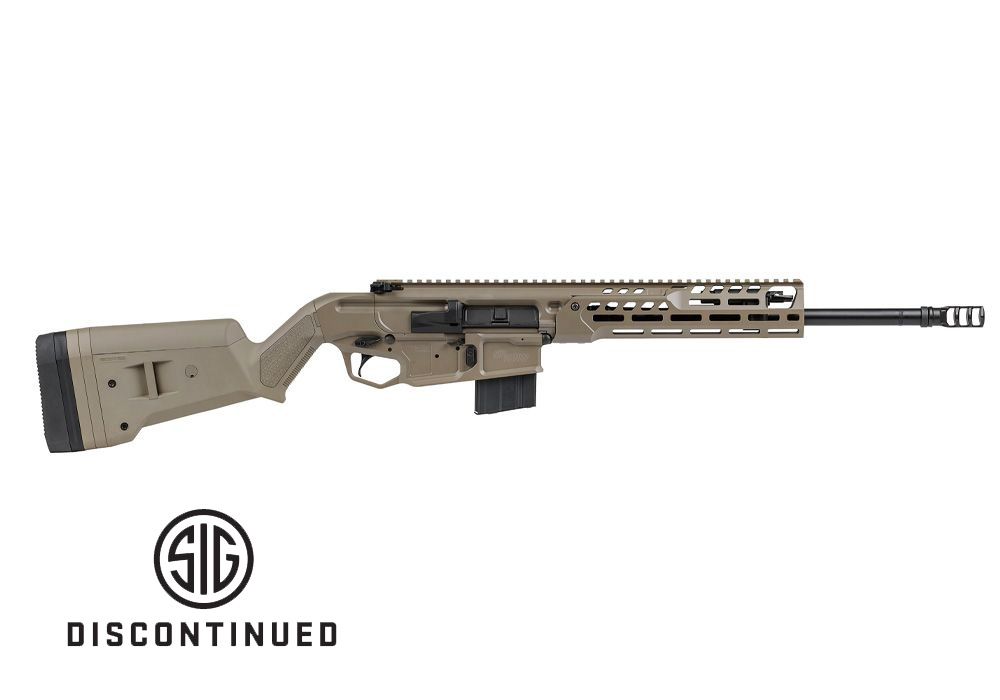
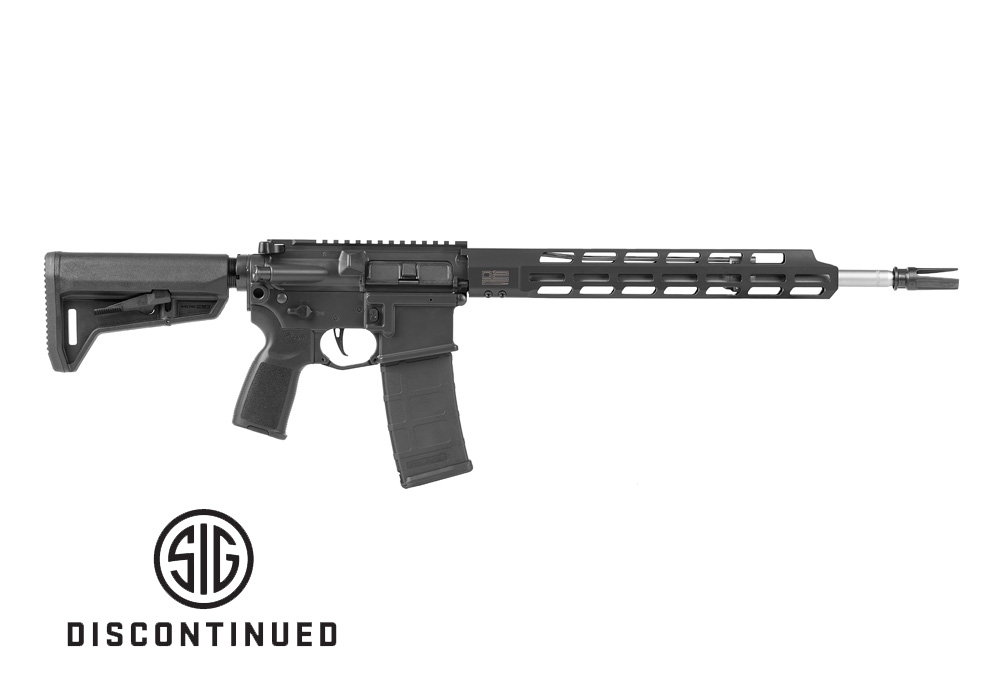
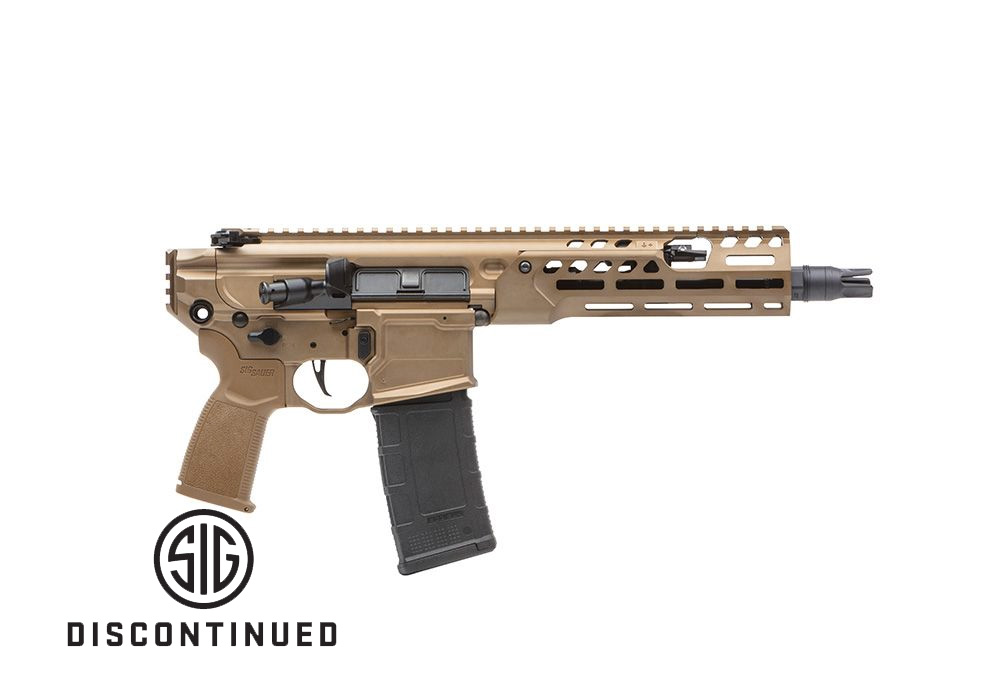
Lightweight tactical hunting rifles bring together the carry comfort of a mountain rifle and the adaptable handling associated with modern precision platforms. They are designed for hunters who may spend long hours covering uneven ground, climbing steep ridgelines, or moving through thick timber with a rifle slung close to the body. A lighter rifle can feel especially welcome during the cooler months, when layered clothing, binoculars, packs, and other field equipment already add weight to every mile. Tactical-inspired features can add practical value without limiting the rifle to a bench or range: adjustable stocks help establish a consistent cheek weld, folding stocks simplify transport, and modular fore-ends can accept compatible bipods, slings, and other accessories. Carbon-fiber-wrapped barrels and lightweight alloy or composite chassis systems are often selected to balance rigidity with easier carry, while a threaded muzzle may support compatible accessories where lawful. The result is a versatile setup for hunters who value precision, portability, and a more personalized fit. These rifles can suit experienced backcountry hunters, public-land hunters who cover substantial ground, and sportsmen who want one platform for practice, scouting, and carefully planned hunts. They can also be a thoughtful gift for a responsible adult hunter, provided the recipient’s preferences, local regulations, and transfer requirements are confirmed before purchase.
Weight is one of the first specifications to evaluate, but it should never be considered in isolation. A rifle weighing roughly five to seven pounds before adding an optic, rings, sling, bipod, and ammunition may feel wonderfully light at the trailhead, yet the complete field system can be considerably heavier. Extra equipment changes balance, too, so compare the rifle’s bare weight with the likely hunting configuration. Lighter rifles generally transmit more felt recoil, particularly when chambered for powerful cartridges, and that sharper impulse can affect comfort, follow-up shots, and confidence in a supported or standing position. A well-fitted stock, effective recoil pad, adjustable length of pull, and a crisp trigger can help the shooter maintain control, but cartridge selection remains central. Standard hunting cartridges may offer a comfortable balance of reach, recoil, and ammunition availability, while magnum cartridges can provide additional performance for appropriate game and conditions at the cost of greater recoil and ammunition weight. Consider the game pursued, expected range, terrain, and the shooter’s experience before selecting a chambering. A rifle that is pleasant to practice with is more likely to be carried regularly and handled with care. Optics deserve the same attention: a compact scope with a useful magnification range can preserve the rifle’s balance, while a large optic may add more weight than expected. During a careful setup, confirm eye relief, mount height, cheek position, and clearance for the bolt handle, then verify zero with the exact ammunition intended for the hunt.
Stock and chassis design also shape how a lightweight tactical hunting rifle performs in the field. A folding stock can shorten the package for vehicle transport, secure storage, or movement through dense cover, while an adjustable stock allows the shooter to adapt the fit for different layers of clothing and shooting positions. M-LOK slots, ARCA-style interfaces, and traditional sling attachment points provide options for adding a bipod or securing the rifle during a glassing session, but every accessory should earn its place because unnecessary equipment works against a lightweight build. Bolt operation should feel smooth and positive, with controls that remain accessible when wearing gloves during colder conditions. Magazine design, feeding reliability, and the ease of loading or unloading are practical details that matter in the field, as are corrosion-resistant finishes and surfaces that can be cleaned without difficulty after exposure to rain, snow, dust, or mud. Before a hunt, spend time confirming the rifle’s zero, practicing from realistic supports, and learning how the point of impact changes between a cold barrel and extended range sessions. Safe handling, secure transport, lawful storage, and compliance with all applicable hunting and firearm regulations are essential parts of responsible ownership. Hunters comparing specialized configurations may also explore Lightweight Tactical Rifles for Professionals for additional perspective on modular designs and field-oriented features. A thoughtful selection should ultimately feel steady in the hands, manageable on the trail, and dependable when the landscape opens into a clear, carefully chosen shooting position.