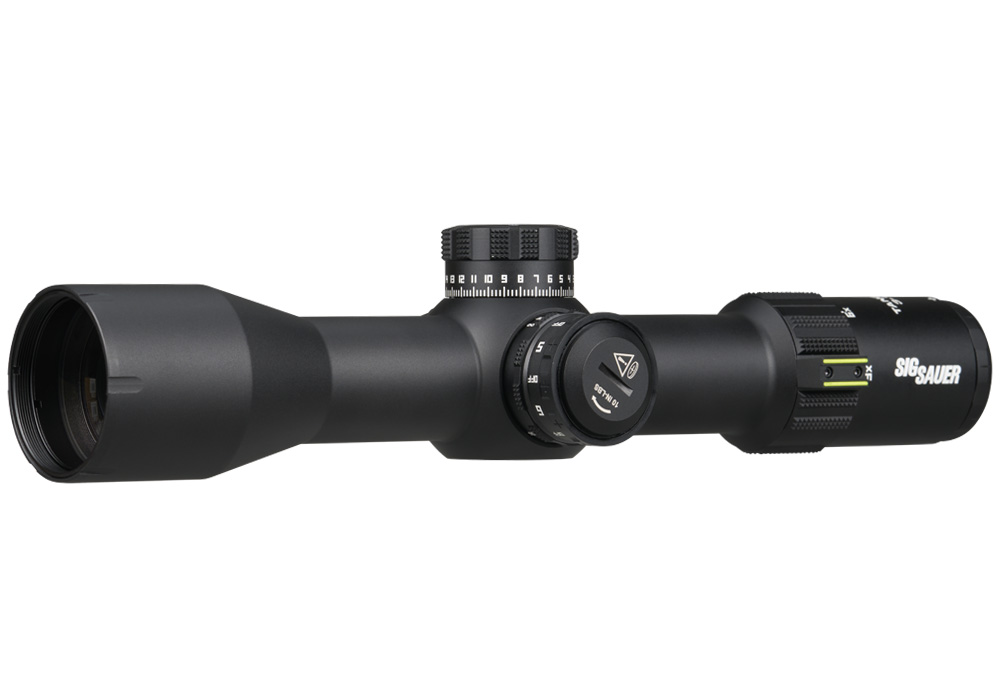
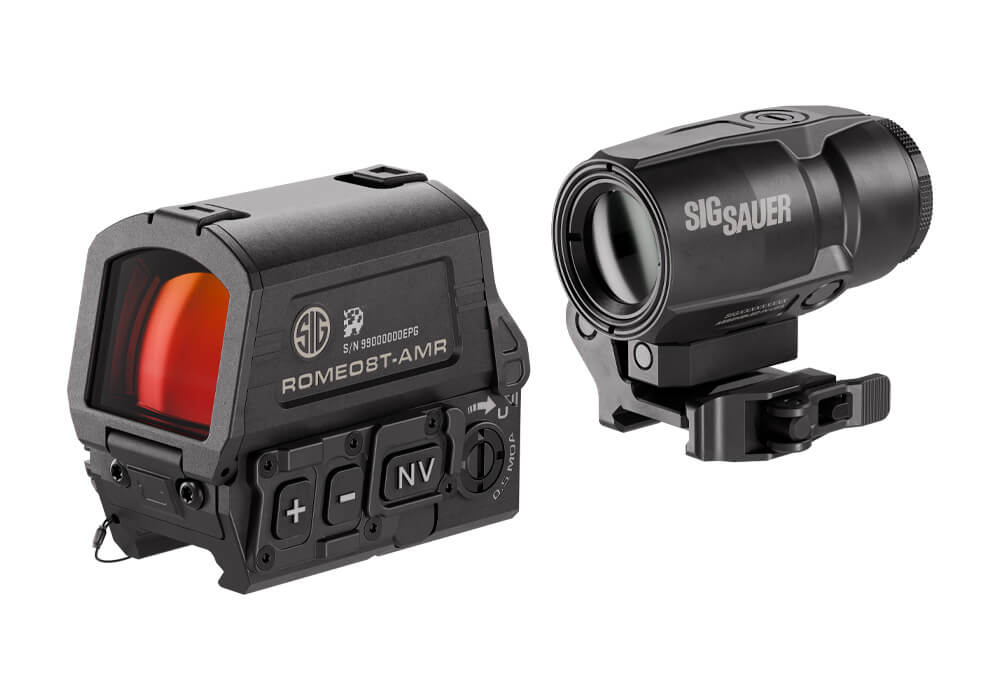
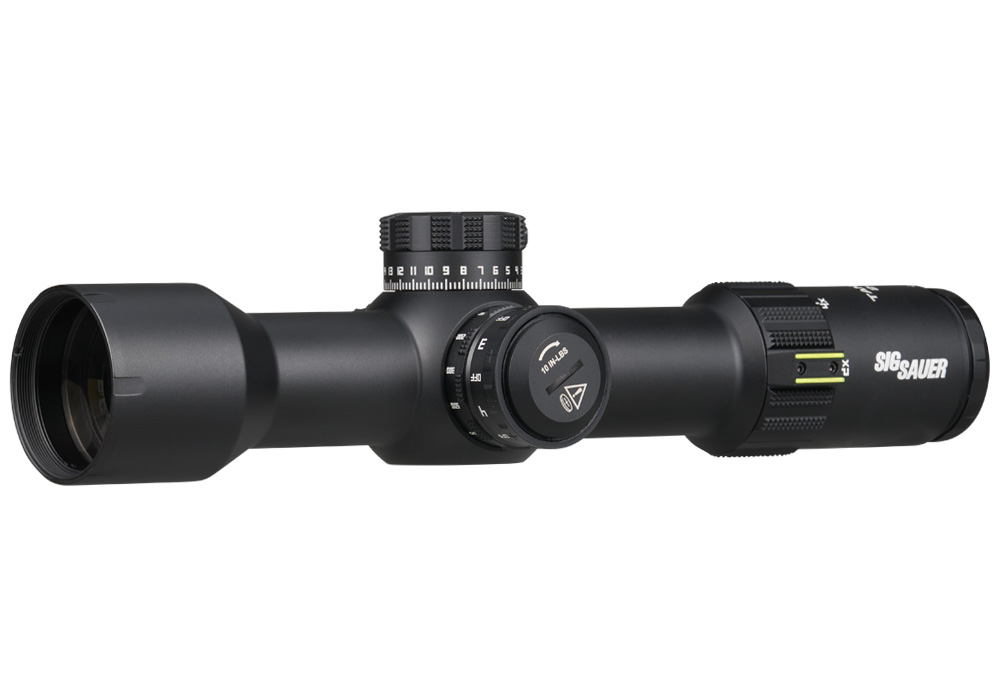
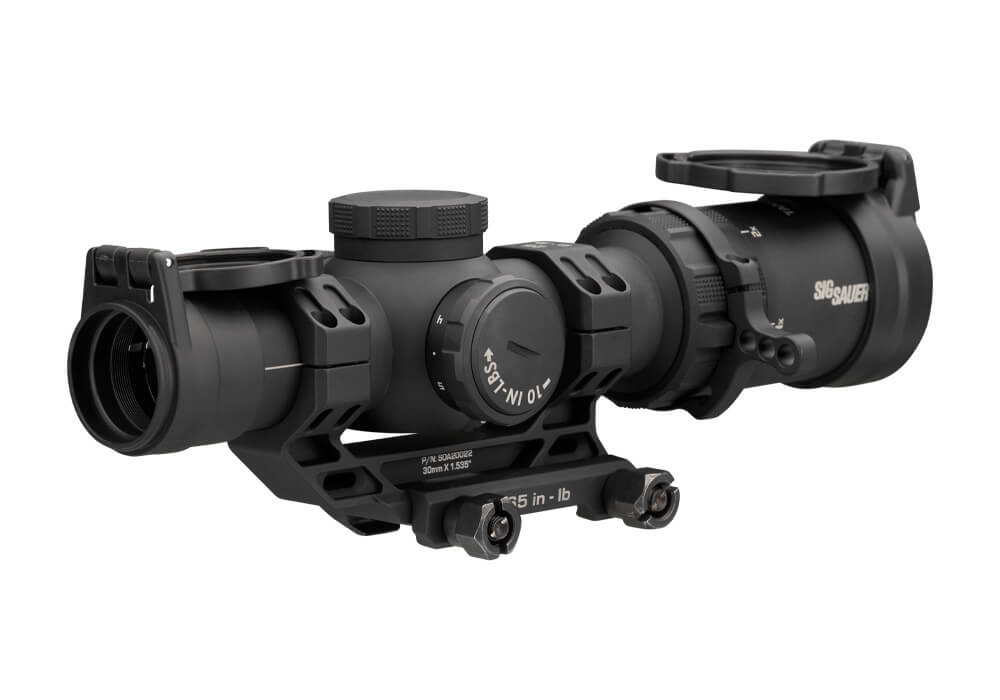
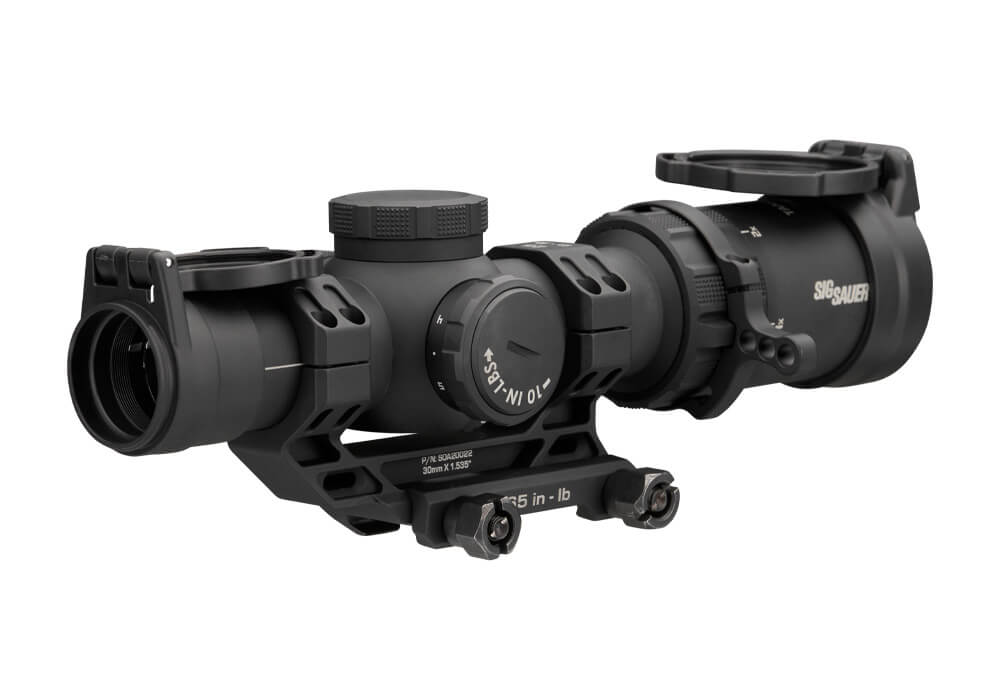
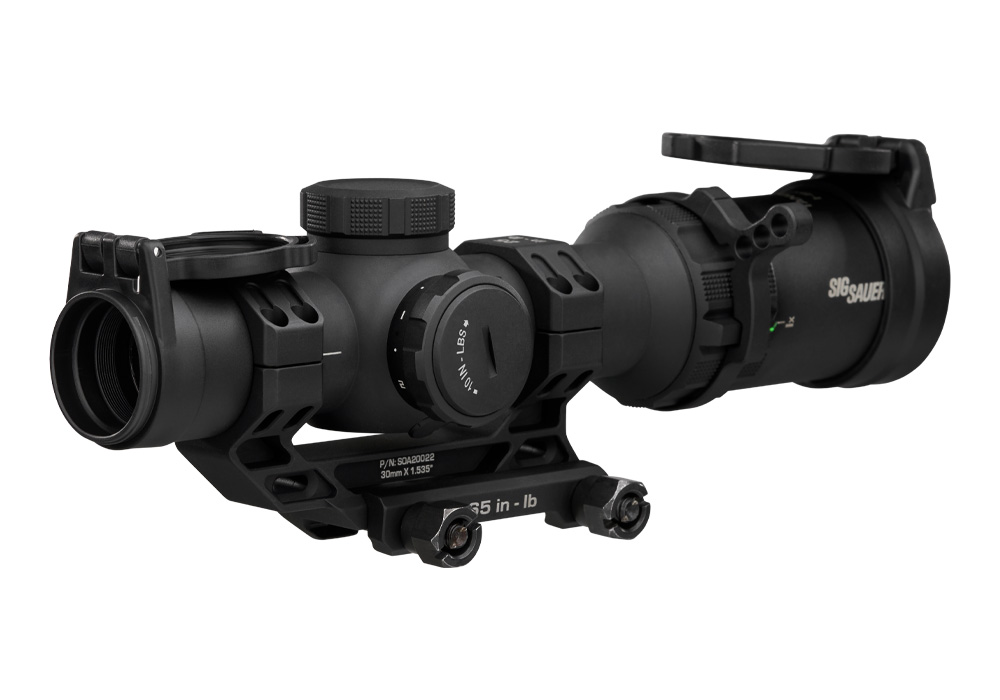
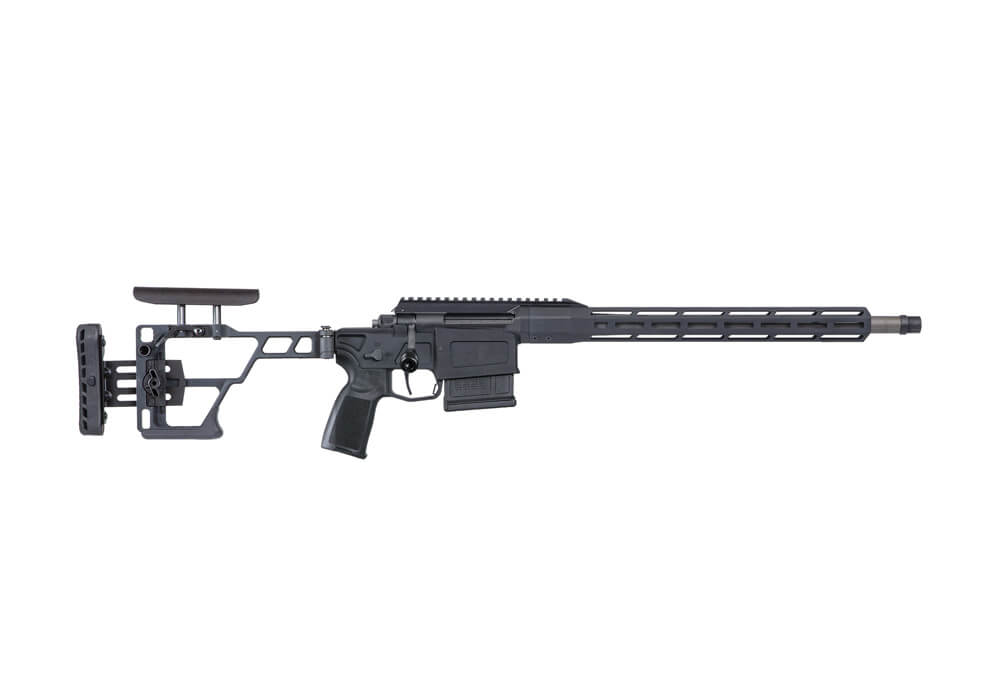
Lightweight tactical scopes combine magnification, precise reticle references, and practical adjustment features in an optic that keeps overall rifle weight manageable. Their appeal is straightforward: a scope should help you see clearly without adding more bulk than your setup needs. For recreational target shooters, competition participants, and hunters who spend time walking between positions, that balance can matter as much as maximum magnification. A rifle that feels comfortable for a few minutes at the counter can feel noticeably different after an afternoon on uneven ground or several trips between the parking area and the range. Compact dimensions and restrained weight help preserve a comfortable carrying experience, especially when rings, a mount, lens covers, and other accessories are part of the complete setup. There is no universal weight threshold that defines a lightweight tactical scope, so comparisons are most useful among optics with similar magnification ranges, objective sizes, and features. A compact low-power optic and a higher-magnification precision scope serve different needs, even when both emphasize reduced weight. Published scope weight also rarely tells the whole story; mounting hardware contributes to the finished package, and a shorter optic is not automatically the lighter choice. Within this category, purchase considerations include optical clarity, usable magnification, reticle visibility, adjustment design, and compatibility with the intended rifle. Shoppers who primarily enjoy target shooting at familiar distances may value a simple sight picture over an elaborate reticle, while those attending organized precision events may prefer more detailed references and clearly marked turrets. For hunters, a trim profile can be appealing when clothing layers, a pack, and changing terrain already add to the day's demands. The most satisfying choice is usually the optic whose features earn their place, rather than the one with the longest specification list. Lightweight construction is valuable when it supports a comfortable, dependable setup without sacrificing the qualities you notice every time you look through the glass. That makes this category especially relevant to shoppers who want purposeful equipment rather than unnecessary bulk.
Optical performance deserves close attention because scopes with similar dimensions can provide very different viewing experiences. Resolution, contrast, glare control, and edge clarity all influence how distinct a target appears against a busy background. Think of a paper target sitting in the shadow of a covered range while sunlight washes across the ground beyond it: useful glass preserves detail without turning the view into a haze. An objective lens diameter is only one part of that experience. Larger objectives can support a larger exit pupil at a given magnification, but they also tend to add size and weight; coatings, optical design, and magnification all contribute to perceived brightness. Higher magnification is not automatically more useful, either. It generally narrows the field of view and can make eye position less forgiving, which matters when comfort and ease of viewing are priorities. Eye relief and the eye box are related but distinct considerations: eye relief describes the viewing distance behind the eyepiece, while the eye box describes the range of eye positions that still provides a full sight picture. Reticle design adds another layer to the decision. In a first focal plane scope, the reticle's reference marks maintain their relationship to the target throughout the magnification range, although the reticle appears smaller or larger as magnification changes. In a second focal plane scope, the reticle maintains a consistent apparent size, while its reference marks generally correspond to their specified values at a designated magnification. Neither arrangement is inherently the best fit for every shopper. Visibility, visual simplicity, and the intended application matter more than the label alone. Illuminated reticles can improve reticle visibility against some backgrounds, but brightness range, battery requirements, and visibility without illumination are worth comparing. For shoppers drawn to a compact profile and a magnification range beginning near 1x, Compact LPVO Rifle Scopes offer a related category to explore. Their lower magnification emphasis represents a different balance of field of view, size, and viewing detail than higher-power optics.
Durability and fit complete the picture when choosing a lightweight tactical rifle scope. Lower weight does not, by itself, establish how well an optic will tolerate recoil, moisture, or repeated transport; those qualities depend on its design, construction, and documented testing. Product specifications should identify relevant environmental ratings and recoil compatibility rather than leaving shoppers to judge toughness by appearance. During the cooler months, damp benches, gloved hands, and temperature changes between a vehicle and the outdoors make seemingly small details more noticeable. Controls with a secure texture can be easier to handle, readable markings simplify identification, and practical lens covers help protect exposed glass during transport. Internal fog resistance and exterior lens moisture are different concerns, so a sealed optical system should not be mistaken for a guarantee that outside surfaces will stay clear in every condition. Turret design is another useful distinction. Capped adjustments help shield controls from unwanted movement, while exposed turrets provide direct access; locking features and clearly defined reference positions may be valuable to shoppers who prefer accessible adjustments. Reliable tracking and the ability to retain a chosen setting matter more than how dramatic the controls look. Compatibility is equally important: tube diameter determines ring fit, while objective dimensions, overall length, mounting space, and eye relief affect whether an optic suits a particular rifle. The mounting system should be considered part of the purchase budget, along with any required accessories and the scope's warranty coverage. For someone buying a gift, these details are especially important. A dedicated range enthusiast or hunter may appreciate a lighter optic, but personal preferences for reticles, magnification, and controls can be quite specific. Confirming the recipient's equipment and preferences is more thoughtful than selecting by appearance alone. Across the category, lasting value comes from a clear view, a comfortable fit, dependable mechanical performance, and features that match real use. The right lightweight scope feels like a natural part of the rifle rather than an extra burden attached to it.