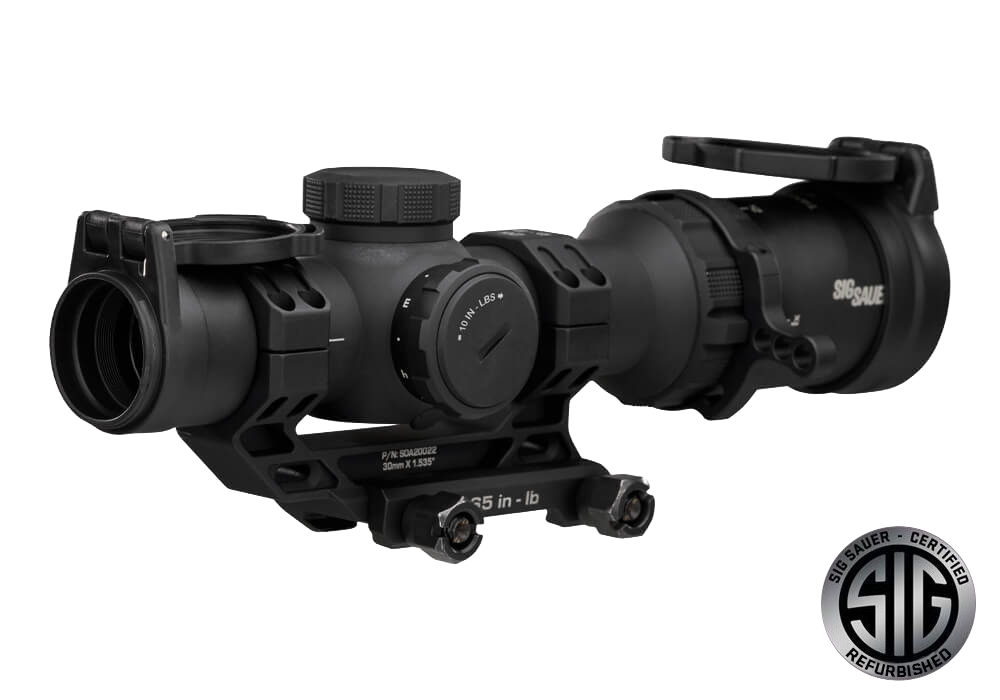
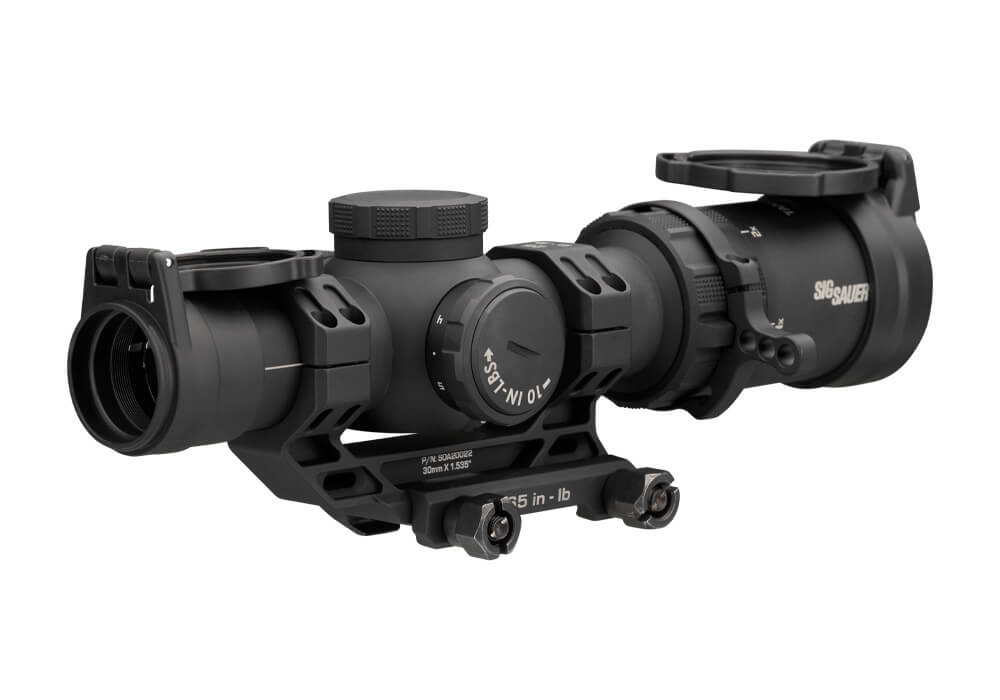
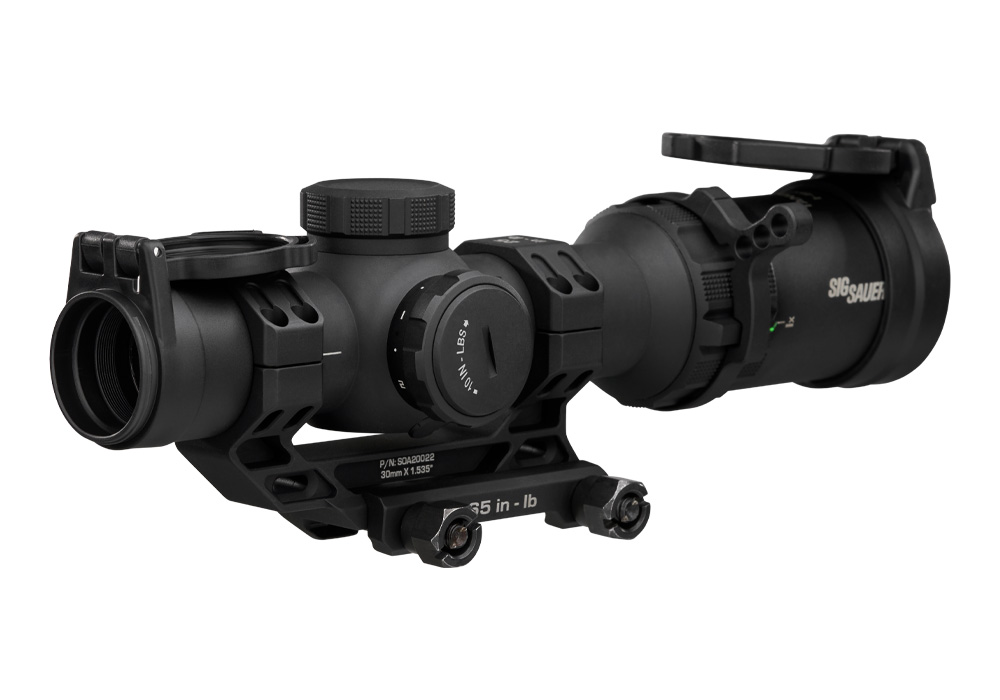
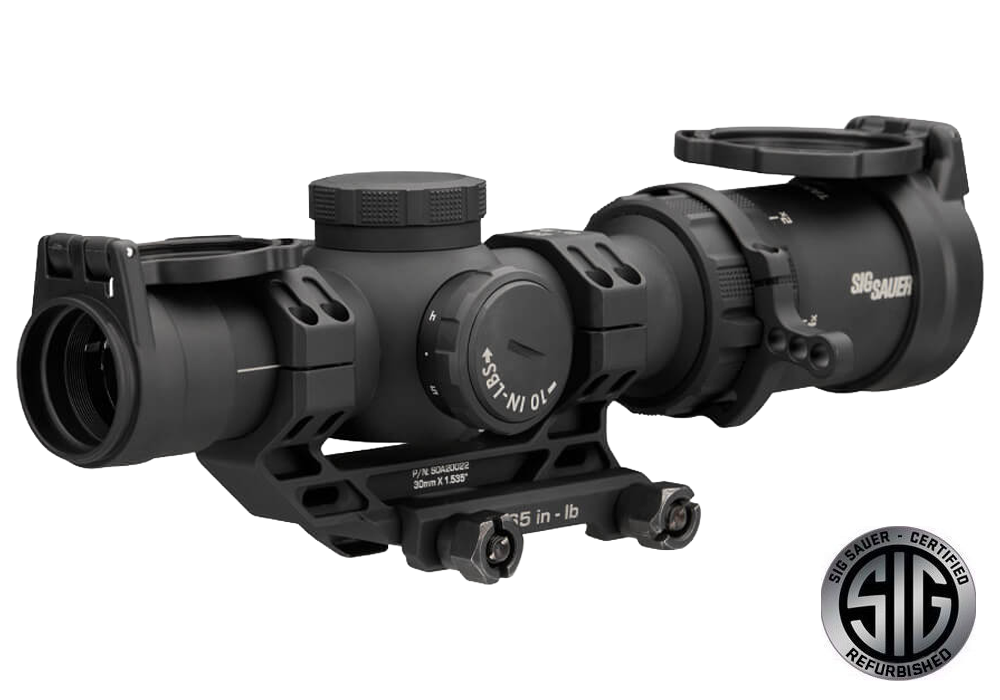
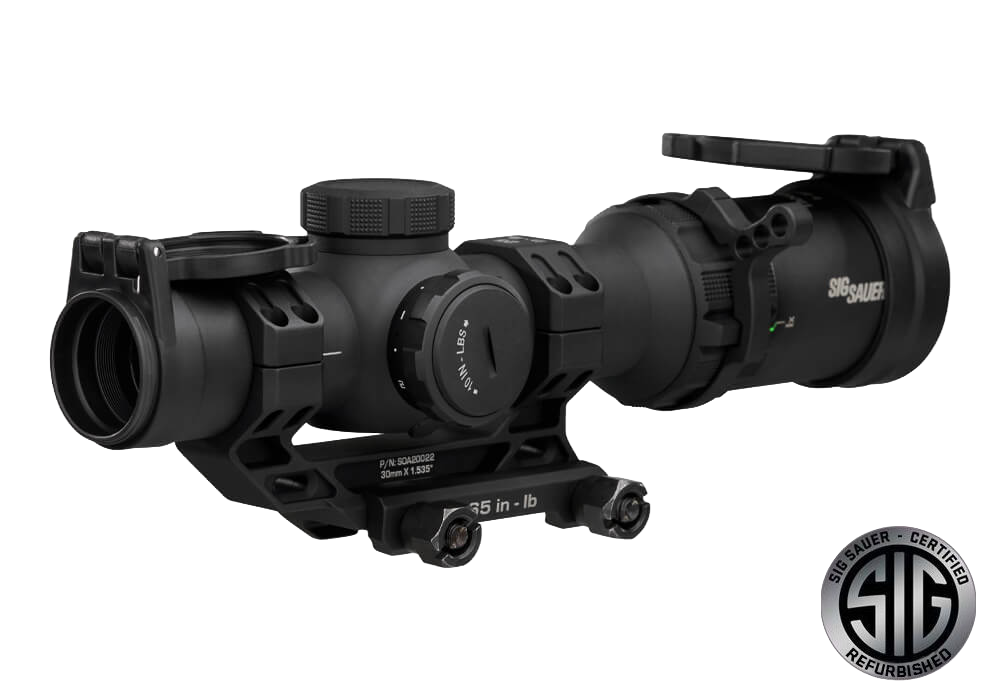
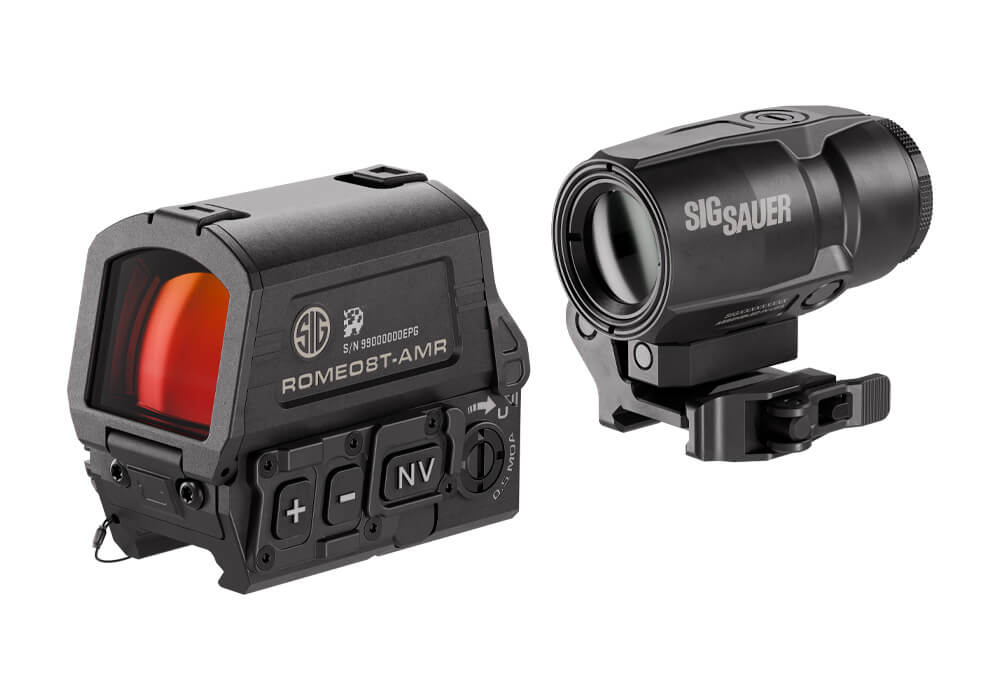
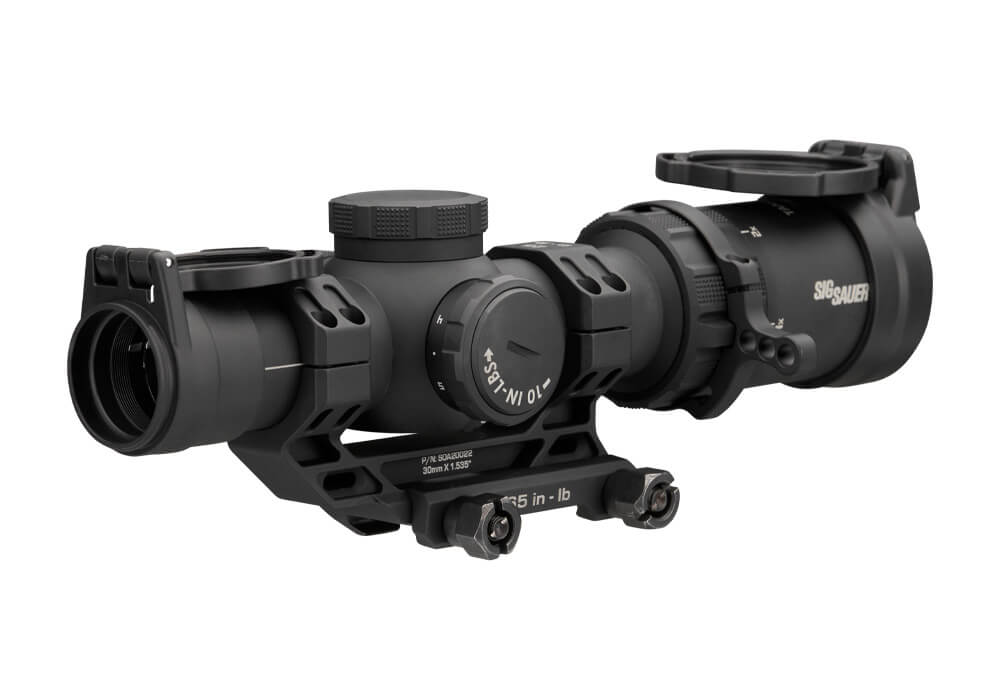
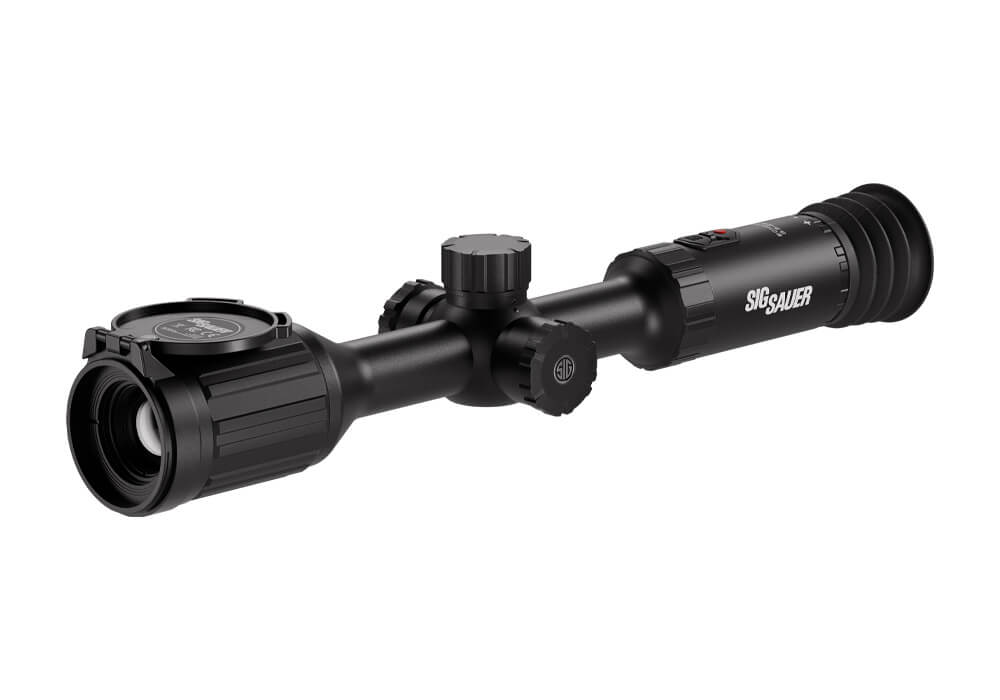
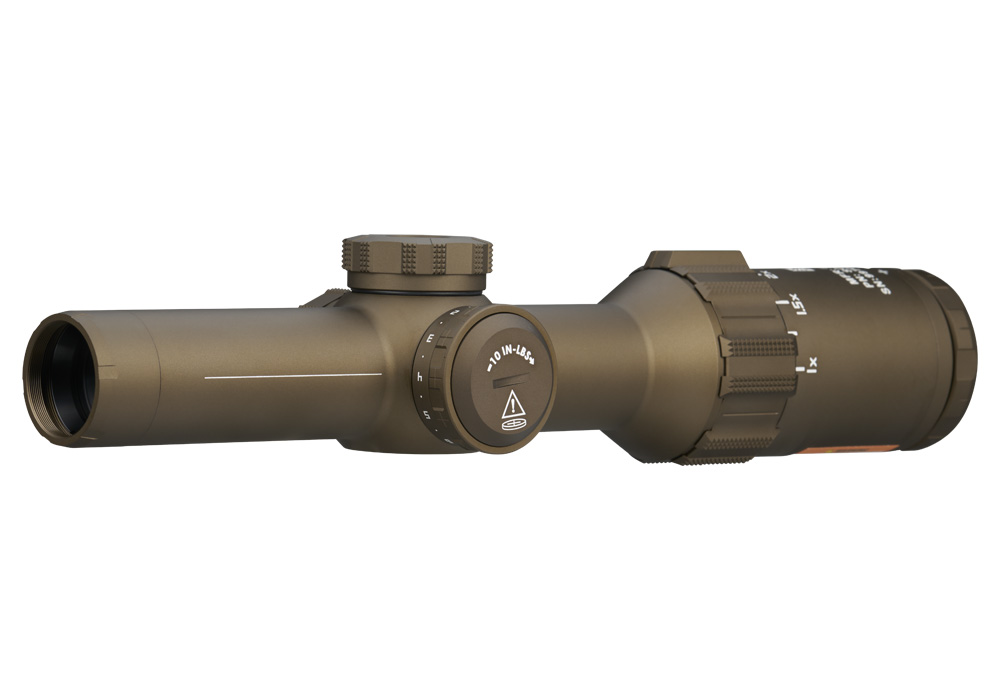
Compact LPVO rifle scopes pair a low starting magnification with variable optical zoom in a shorter, more manageable package. LPVO stands for low power variable optic, a category intended to cover nearby targets and more distant aiming points without changing sights. Many configurations begin at a nominal 1x setting and increase to moderate magnification, although the exact zoom range, optical characteristics, and dimensions vary. A scope designed to provide a true 1x view can support viewing with both eyes open at its lowest setting, while higher settings help resolve smaller target details. That versatility suits recreational range sessions, organized rifle competition, and hunting applications where the rifle and optic are appropriate to the activity. On a range with paper targets at several distances, the same scope can provide a broad view for finding a target and a closer look at its scoring rings. The appeal of a compact design goes beyond its overall length. A shorter body can leave more space along the top of a rifle, and a lighter scope can help keep a setup comfortable to carry between shooting stations. Compact dimensions do not automatically mean low weight, however, so length and weight deserve separate consideration. Mount weight also contributes to how the finished rifle feels in the hands. Optical performance matters just as much as size: a useful sight picture depends on image clarity, field of view, eye relief, and how readily the reticle stands out against the target. Edge-to-edge sharpness, color fidelity, and the ease of finding a full image can distinguish otherwise similar designs. A smaller optic is most useful when its dimensions complement the rifle without requiring an awkward viewing position or placing controls out of comfortable reach. For someone seeking one optic for varied sporting use, that balance can matter more than the highest magnification printed on the adjustment ring.
Construction and fit help determine whether a compact low power variable optic feels like a natural part of the rifle. Aluminum scope bodies offer a practical balance of strength and weight, while anodized finishes help protect exterior surfaces against wear. Lens coatings can improve light transmission and control reflections, though coating quality and the complete optical design matter more than the number of coatings alone. Sealed construction and internal gas purging can help resist moisture intrusion and internal fogging; the relevant protection ratings depend on the individual design. Published testing and specifications provide a better basis for assessing durability than appearance alone. Mounting compatibility is equally important. The scope’s main tube diameter must match the rings or mount, and the mounting system must suit the rifle’s mounting interface. Objective diameter is a separate measurement from tube diameter, and neither should be treated as a substitute for checking clearance. A compact overall length does not guarantee that the available mounting surface will accommodate every ring arrangement. Eye relief, the distance between the viewing lens and the eye, needs to work with the rifle’s stock and the shooter’s normal position. The eye box describes the space in which the eye can move while retaining a usable image; a forgiving eye box can make an optic more comfortable during a long range session. Adequate clearance around the eyepiece, magnification ring, and adjustment controls helps prevent an otherwise suitable setup from feeling cramped. A textured magnification ring or compatible lever can make zoom changes easier, provided it does not interfere with surrounding equipment. Adjustment turrets also influence everyday handling. Capped turrets can protect settings from unintended movement, while exposed adjustments may suit shooters who regularly dial corrections. Neither arrangement is universally better. The useful choice is the one that fits the intended activity, the rifle’s layout, and the amount of adjustment the shooter expects to perform.
Reticle design gives compact LPVO scopes much of their character. A simple central aiming feature can remain easy to recognize at low magnification, while finer markings can provide useful references when viewing a smaller target at a higher setting. Illumination can improve reticle visibility against certain backgrounds, but brightness range, control layout, and battery requirements vary. An illuminated reticle should not be assumed to look equally bright in every lighting condition. Where an etched reticle is present, its markings typically remain visible without illumination, although their contrast still depends on the scene. For reticles with graduated references, focal plane placement is another meaningful distinction. In a first focal plane design, the references maintain their relationship to the target as magnification changes. In a second focal plane design, their stated values generally apply at a designated magnification. Reticle complexity is a matter of preference as well as function: some shooters favor an uncluttered view, while others appreciate additional reference points for sporting applications. Those whose priorities lean toward smaller aiming points at greater distances may also want to compare Long Range LPVO Scopes, with attention to magnification, reticle detail, and overall dimensions. Routine care supports consistent performance regardless of configuration. Lens covers help limit dust and contact with gear during transport, and a padded case protects the scope from rubbing against other equipment. Loose grit should be removed before the glass is wiped with appropriate optical cleaning materials; abrasive cloths and household cleaners can damage lens surfaces or coatings. Exterior fasteners, mounting hardware, and battery compartments benefit from periodic inspection according to the applicable care instructions. For an experienced sport shooter, a compact LPVO can also be a thoughtful equipment gift when the rifle’s mounting requirements and the recipient’s preferences are already known. Its lasting appeal comes from useful versatility: a manageable footprint, an accessible low-power view, and enough magnification for the details that matter during a range session or other appropriate sporting use.