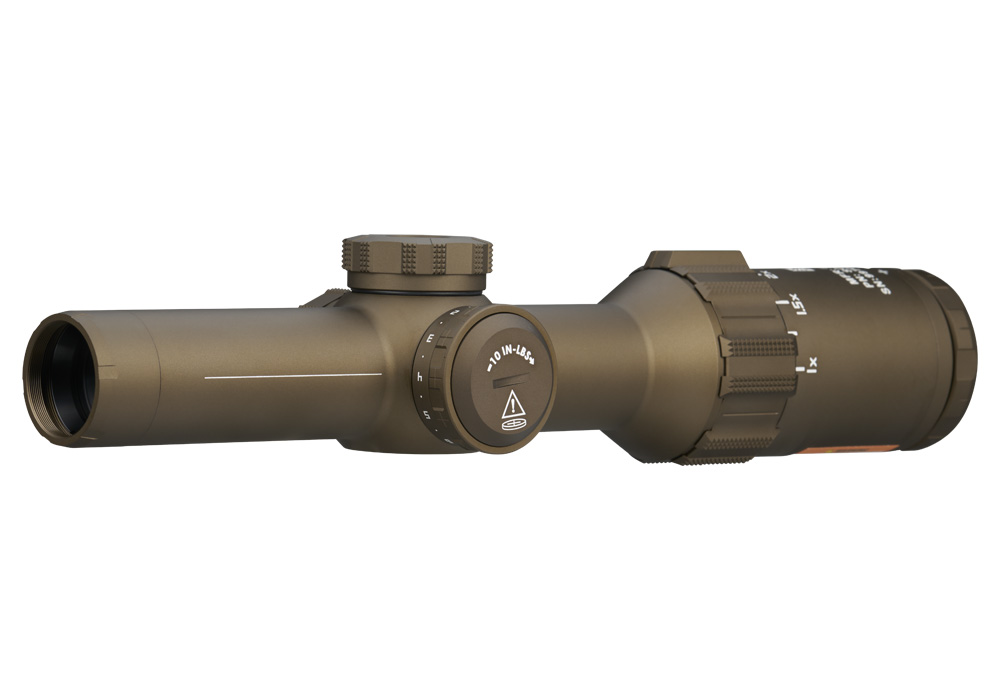
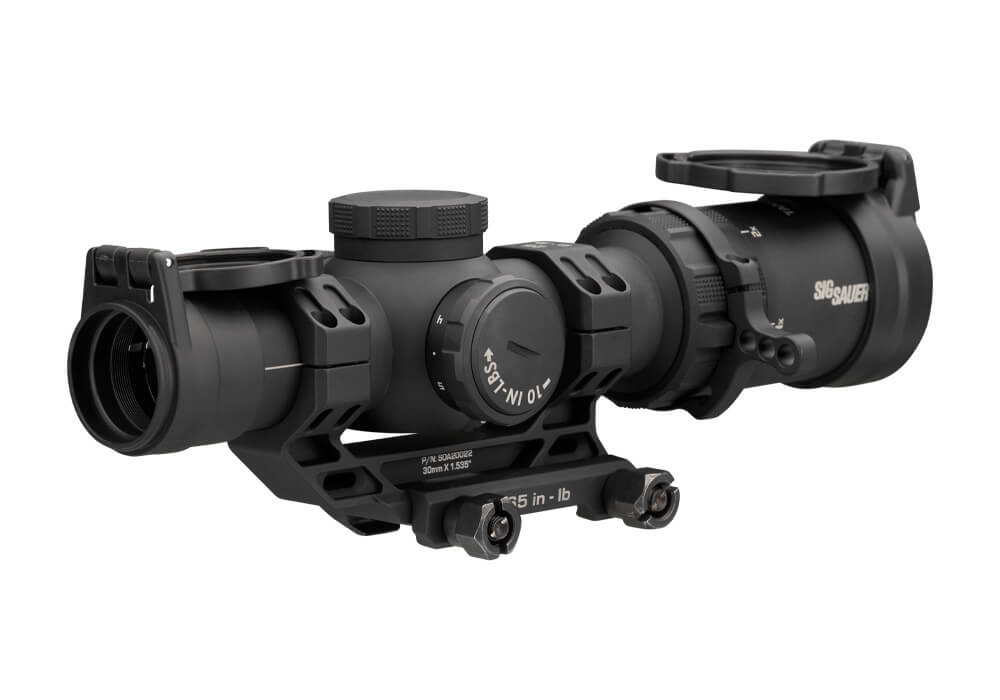
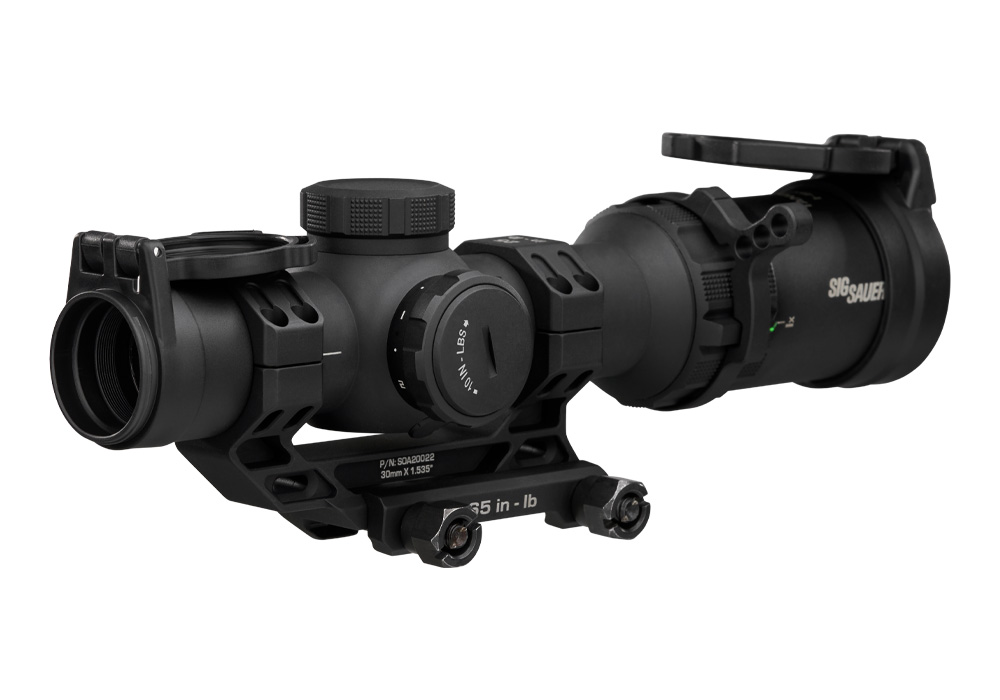
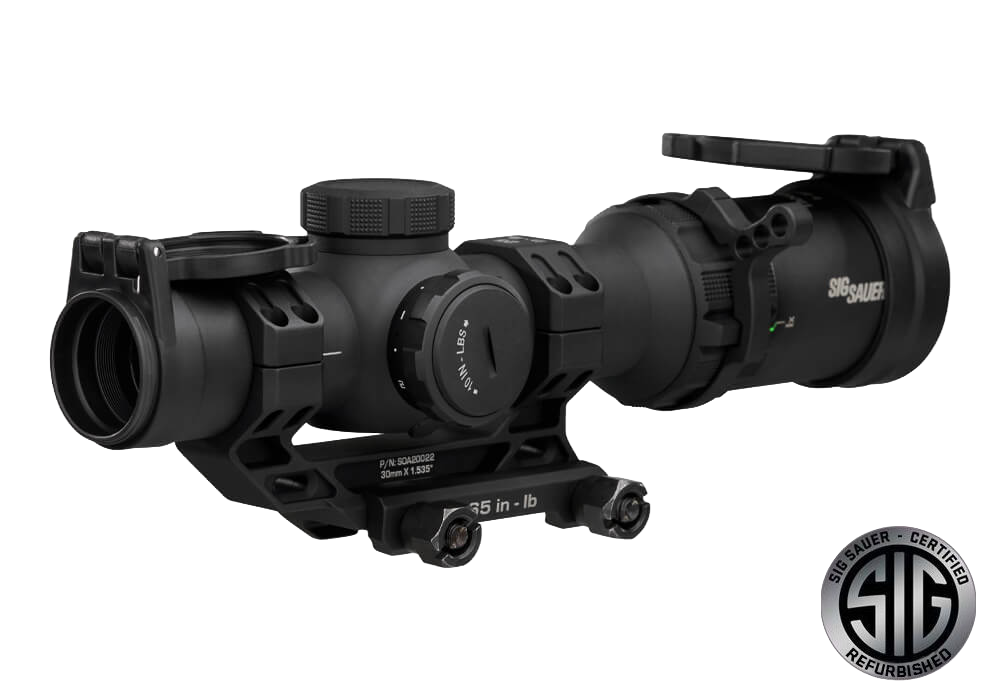
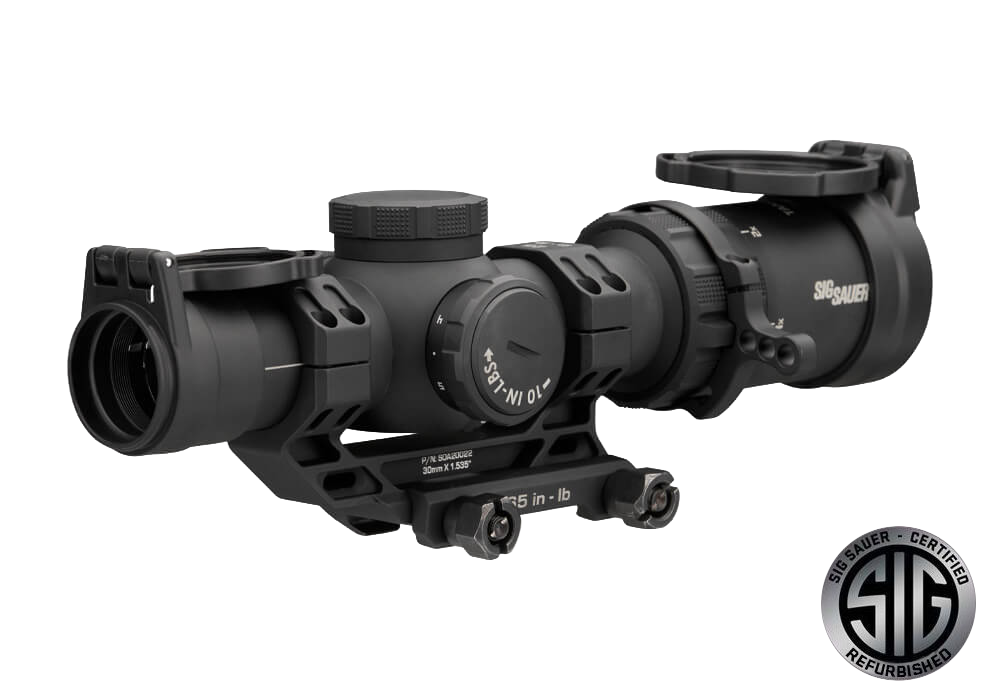
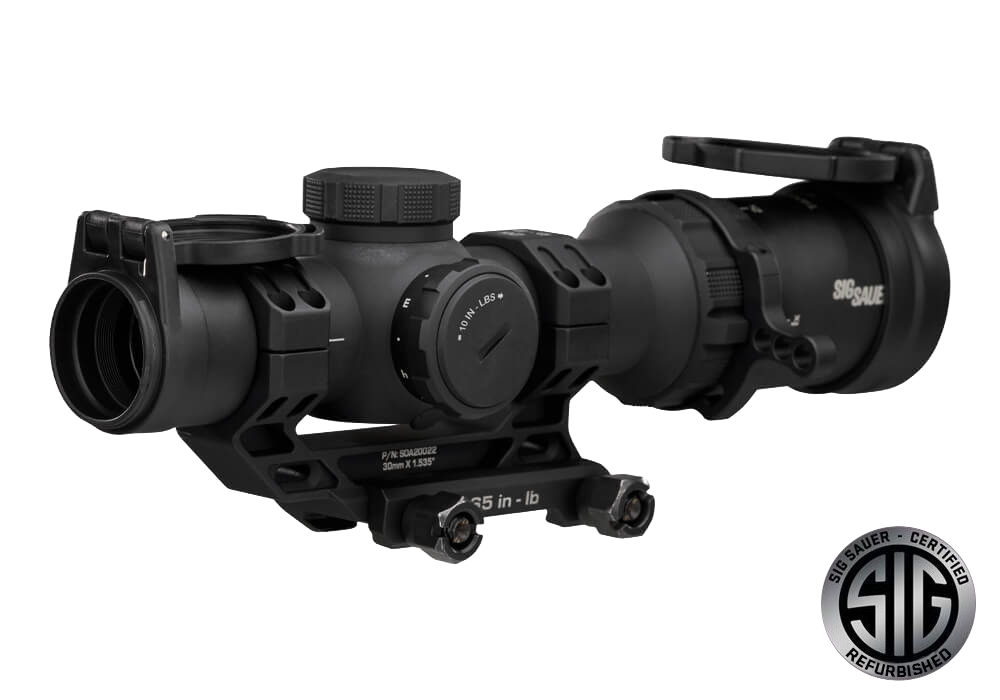
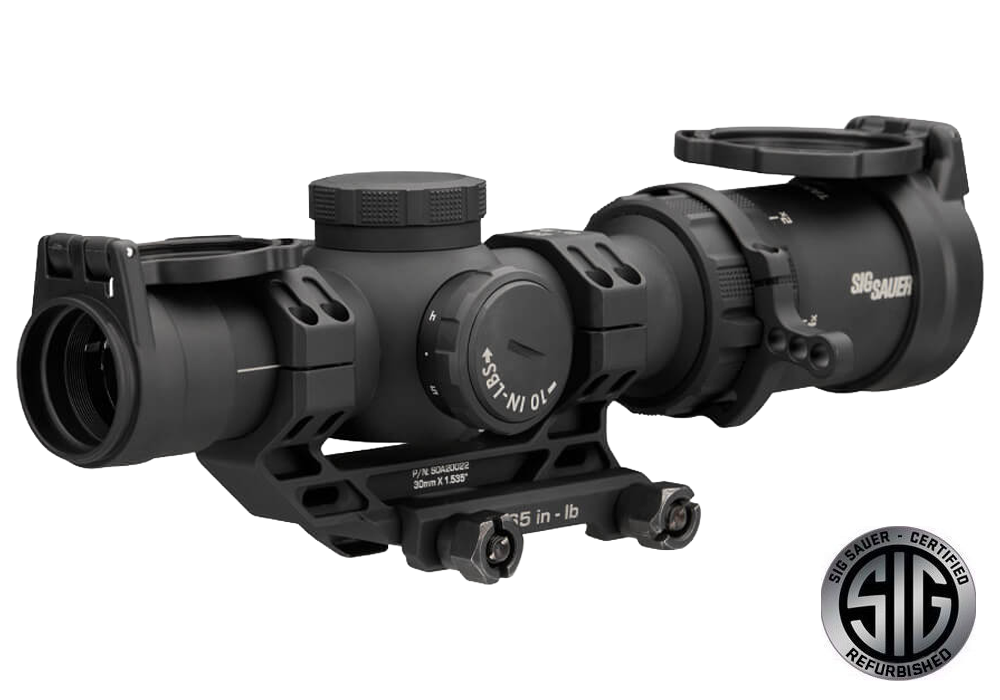
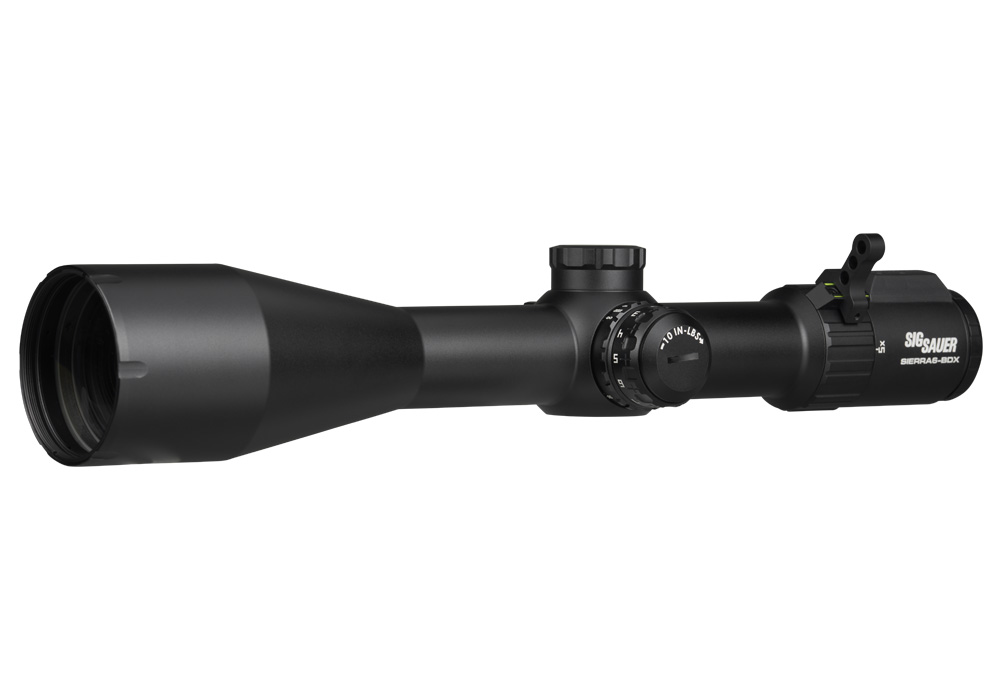
High-performance low-power variable optic (LPVO) scopes bring two useful sight pictures into one compact aiming system: a near-true 1x view for fast target acquisition and higher magnification for deliberate shots at extended distances. That range makes an LPVO a practical choice for shooters who want more flexibility than a fixed-power optic can provide without constantly changing between separate sighting systems. At the lower end of the magnification range, a generous field of view can help the shooter track movement, locate a target quickly, and maintain awareness of the surrounding area. At the upper end, magnification can sharpen the view of a distant target, reveal small points of aim, and support more precise shot placement from a stable position. The best scope for a particular rifle and shooting style depends on how those features balance with weight, size, brightness, and ease of use. A compact optic may suit a lightweight carbine that is carried over varied terrain, while a larger objective lens or broader magnification range may be worthwhile for a rifle used primarily from a bench, blind, or supported field position. As cooler weather settles in and daylight hours change, clear glass, dependable illumination, and controls that remain easy to operate with gloved hands can become especially valuable. Hunters, recreational range shooters, competitive participants, and preparedness-minded firearm owners may all appreciate the versatility of an LPVO, provided the optic complements the rifle, ammunition, and distances involved.
Magnification range is only one part of the selection process. Optical clarity should remain a priority throughout the zoom range, with attention to edge-to-edge sharpness, color fidelity, glare control, and image quality in subdued light. A forgiving eyebox makes it easier to obtain a full sight picture when the head is not perfectly aligned behind the ocular lens, while adequate eye relief helps support a comfortable and consistent shooting position. Reticle design also deserves careful consideration. First-focal-plane reticles generally keep their subtensions consistent with the selected magnification, which can be useful when applying holdovers or making range corrections at different power settings. Second-focal-plane reticles may offer a familiar, uncluttered appearance and can be especially comfortable for shooters who spend most of their time at a preferred magnification. Reticles calibrated in MOA, MIL, or ballistic references each offer a different method for estimating correction and holdover, so the most suitable option is often the one that matches the shooter’s training and existing equipment. Illuminated reticles can help the aiming point stand out against dark backgrounds, brush, or shaded targets, but illumination should complement—not replace—a crisp etched reticle. Check the brightness range, control placement, battery access, and whether the illumination remains useful in bright outdoor conditions. A durable aluminum housing, reliable adjustment turrets, positive magnification controls, sealed construction, and resistance to recoil and changing weather are equally important for an optic expected to see regular field use. Compatibility matters as well: verify the rail or receiver interface, ring or mount height, tube diameter, available clearance, and the final balance of the assembled rifle before purchasing.
For shooters deciding among several strong LPVO options, it helps to consider the distances they actually encounter rather than choosing the highest number on the magnification ring. A 1-6x or 1-8x optic can provide a balanced blend of speed, field of view, and reach for many general-purpose setups, while a 1-10x design may appeal to users who regularly transition between close and extended distances and accept additional size, weight, or a more demanding sight picture at maximum power. High magnification can expose movement, mirage, and an unforgiving head position, so a scope should be evaluated as a complete system rather than by magnification alone. Shooters who practice from improvised rests may value a forgiving eyebox and simple reticle, while those who train with measured distances may prefer precise subtensions and repeatable turret adjustments. An LPVO can also be a thoughtful gift for a responsible firearm owner who is refining a versatile rifle setup, preparing for a new season in the field, or spending more time at the range during the cooler months; confirm the recipient’s rifle platform, mounting standard, reticle preference, and intended distance before selecting one. For a collection focused on optics suited to more extended shooting, explore Long Range LPVO Scopes. Whichever configuration fits the application, careful mounting, proper eye relief, a level reticle, and regular practice at multiple magnifications help the shooter get the most from the optic and build a sight picture that feels natural under changing light and field conditions.