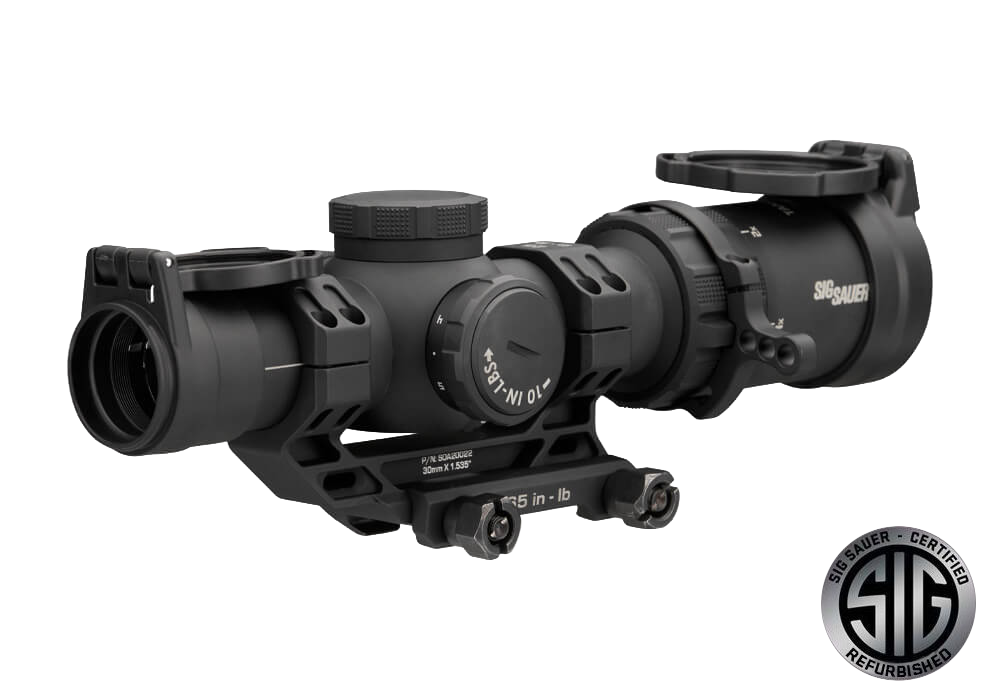
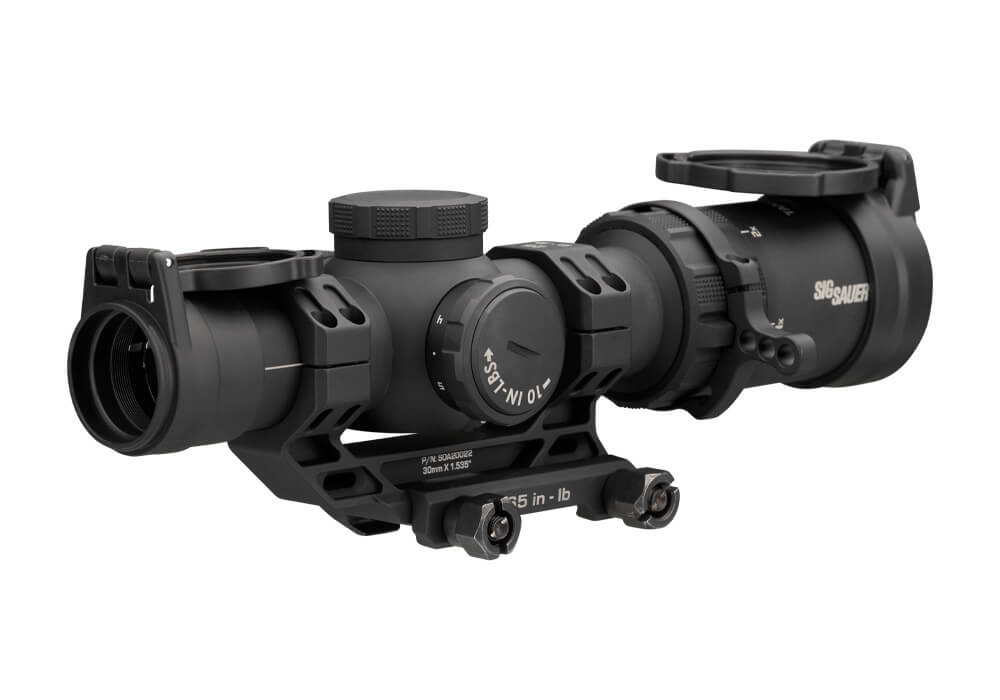
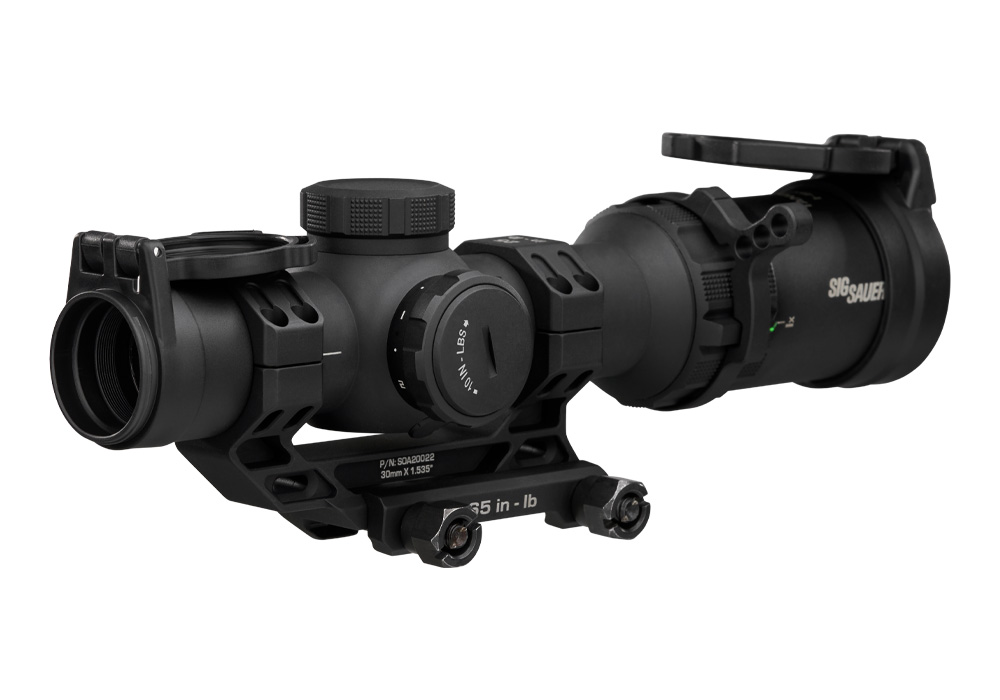
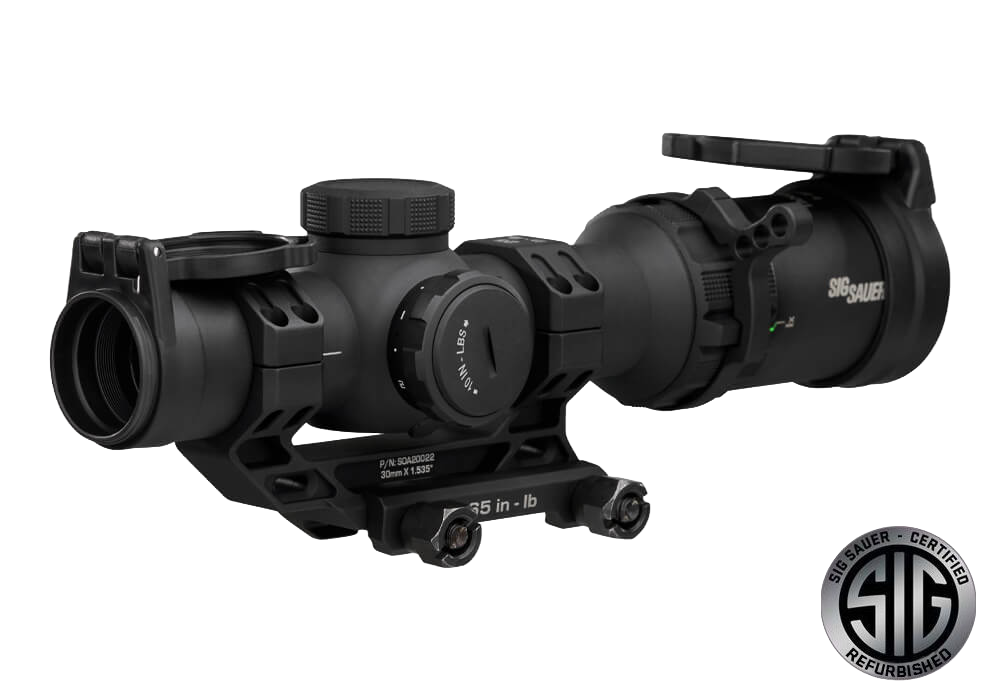
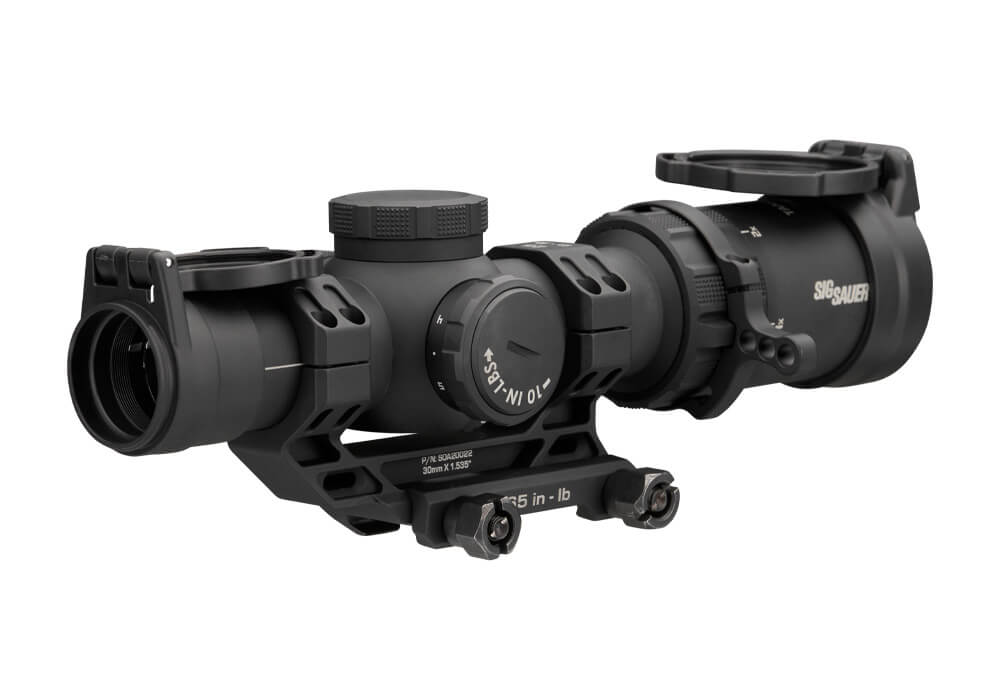
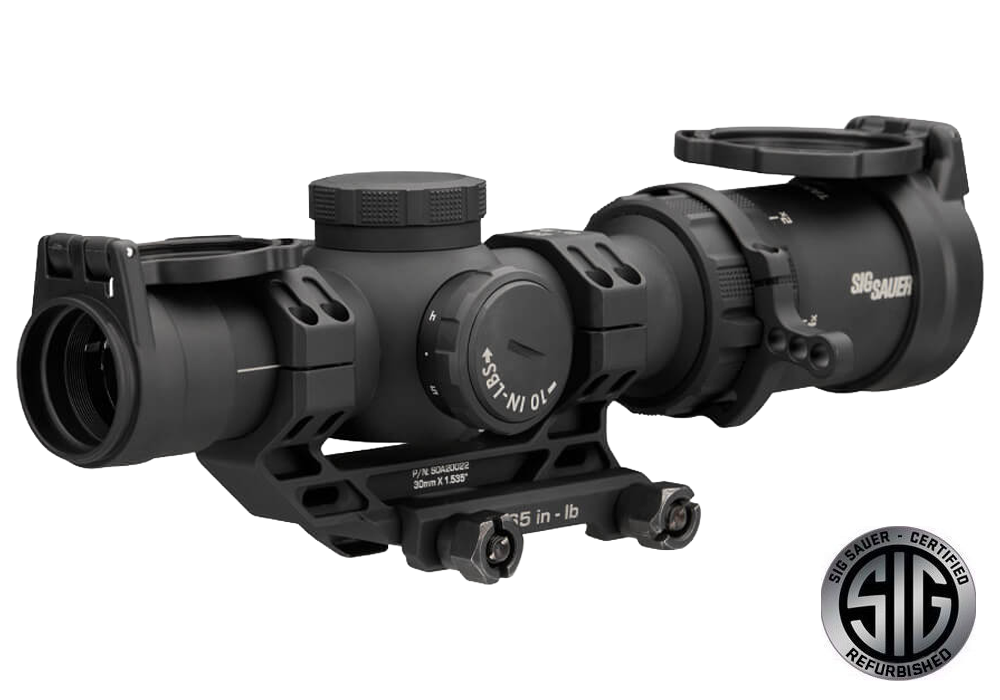
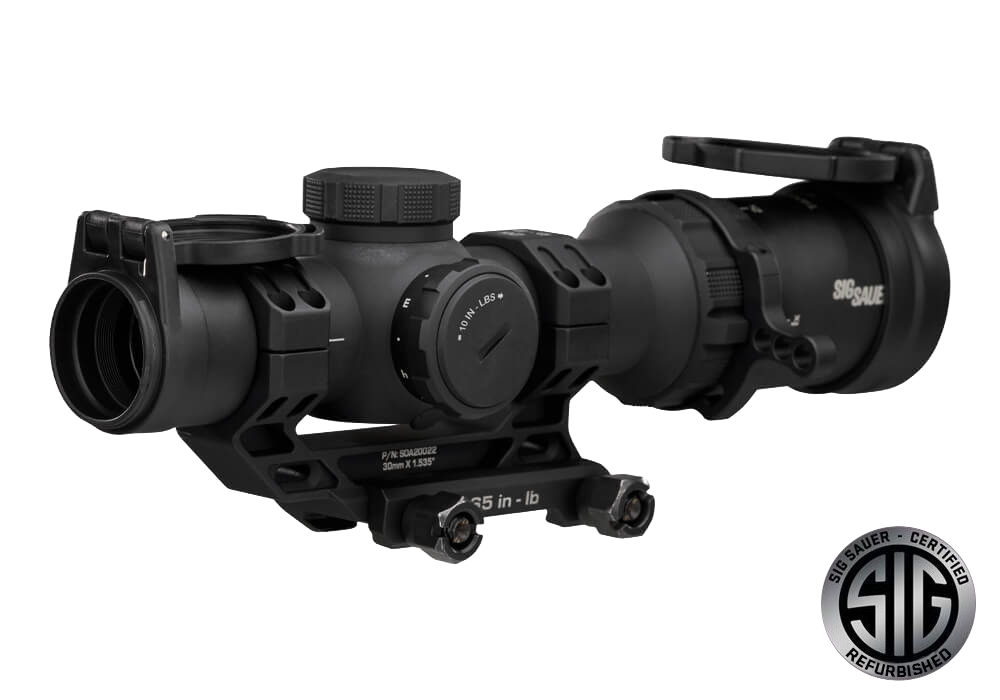
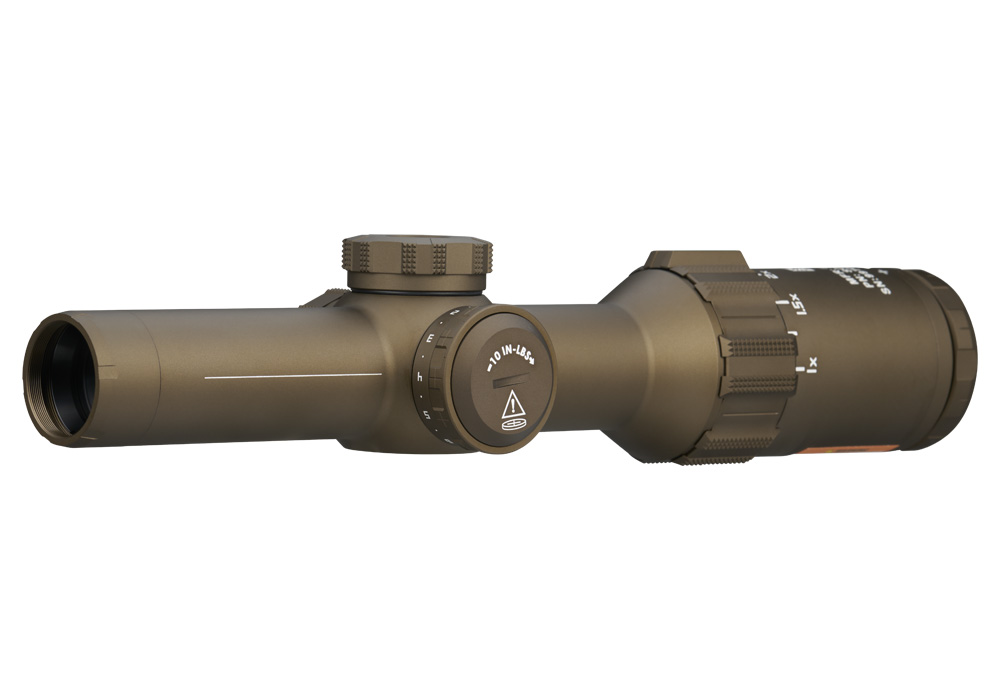
Long range LPVO scopes bring two useful sighting perspectives into one optic. At the lowest setting, a true 1x view can feel close to looking through an unobstructed window, helping the shooter track a moving target, engage at short distance, or work from a stable field position without the narrow sight picture associated with higher magnification. Turn the magnification ring toward 6x, 8x, or 10x, and the same scope can provide the detail needed to identify a target, refine a hold, and place precise shots at extended distances. This combination makes an LPVO a practical choice for modern sporting rifles, training rifles, competition setups, and hunting rifles that may be used across changing terrain. A 1-8x optic is often well suited to general-purpose shooting and targets around 400 yards, while a 1-10x scope can offer additional detail for shooting beyond 500 yards when conditions, ammunition, and the shooter’s skill support those distances. Actual performance depends on the rifle, cartridge, bullet, weather, target size, and position, so magnification should complement the way the rifle will be used rather than serve as a substitute for sound fundamentals. As the weather shifts through the cooler months, clear glass, a forgiving eye box, and dependable controls can make a noticeable difference when light fades early or a shooter is wearing layered clothing. A well-selected optic should feel natural from the first shoulder mount, with a bright sight picture, smooth magnification adjustment, and enough eye relief to support a consistent position.
Reticle design is one of the most important choices when comparing long range LPVO scopes. In a first focal plane optic, the reticle grows and shrinks with magnification, allowing holdover and windage marks to remain accurate throughout the zoom range when used according to the optic’s specifications. This arrangement can be especially useful for shooters who adjust magnification while watching a target or who rely on a calibrated grid for distance and wind corrections. A second focal plane reticle stays the same apparent size as magnification changes, which can provide a clean, uncluttered view at lower power and a bold aiming point at higher power. With this style, the marked subtensions are generally accurate at one designated magnification, so the shooter must know that setting before using the references for precise holds. Illumination can also help the reticle stand out against dark backgrounds, dense vegetation, or shaded targets, though brightness should be set carefully to preserve detail in low light. Consider turret design, adjustment feel, reticle visibility, glass quality, sealing, and the location of the illumination controls. A scope that tracks consistently and returns to zero after adjustments supports confidence during a long range session, while a compact profile can help preserve balance on a lightweight rifle. Mount height deserves equal attention: the optic should sit low enough for a comfortable cheek weld while leaving room for the rifle’s controls and a clear sight picture. Before heading afield, confirm the mount’s torque specifications, level the optic, establish a zero at a sensible distance, and verify the reticle’s subtensions with the ammunition used in the rifle. A few calm minutes on the bench can prevent frustrating surprises when the target is smaller, farther away, or partially obscured.
These scopes can suit experienced shooters refining a precision setup as well as newer owners building a versatile rifle system. They are also a thoughtful gift for a hunter preparing for open-country terrain, a range enthusiast who wants one optic for both rapid and deliberate shooting, or a family member who is upgrading from a simple fixed-power sight. When selecting a gift, it helps to know the rifle’s mounting system, receiver configuration, intended cartridge, and typical shooting distance. An optic that balances neatly on a compact carbine may not be the best match for a heavier precision rifle, and a reticle designed for one ballistic profile may not align with another without careful confirmation. Weight, tube diameter, mounting space, and battery requirements all matter, particularly for a rifle carried over uneven ground during a full day outdoors. Shooters who spend time in bright open country may prioritize edge-to-edge clarity and strong contrast, while those working around timber or mixed cover may value a generous eye box and a bright, simple aiming point. Pairing an LPVO with a quality mount, lens covers, and a compatible throw lever can create a more complete setup, but every accessory should preserve access to the rifle’s controls and avoid interfering with a natural shooting position. For additional options within this versatile category, explore High Performance LPVO Scopes. Whether the rifle rests on a bench, a pack, or a steady field position, the right optic should help the shooter see clearly, make measured corrections, and remain focused on safe handling. Treat every target session as an opportunity to confirm zero, practice magnification changes, and learn how the reticle performs across realistic distances and changing light.