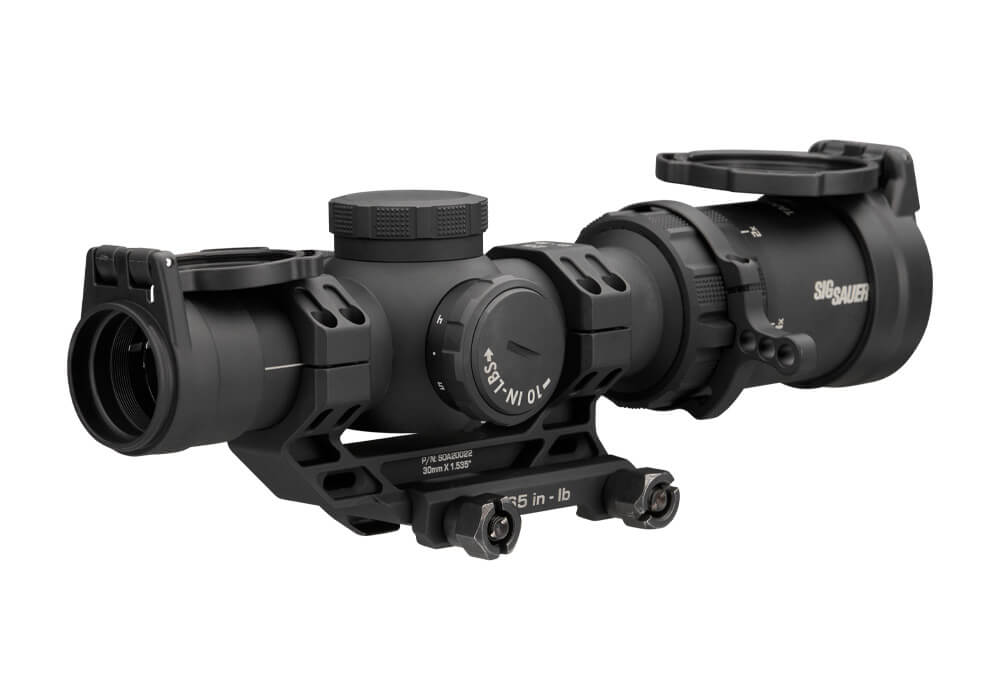
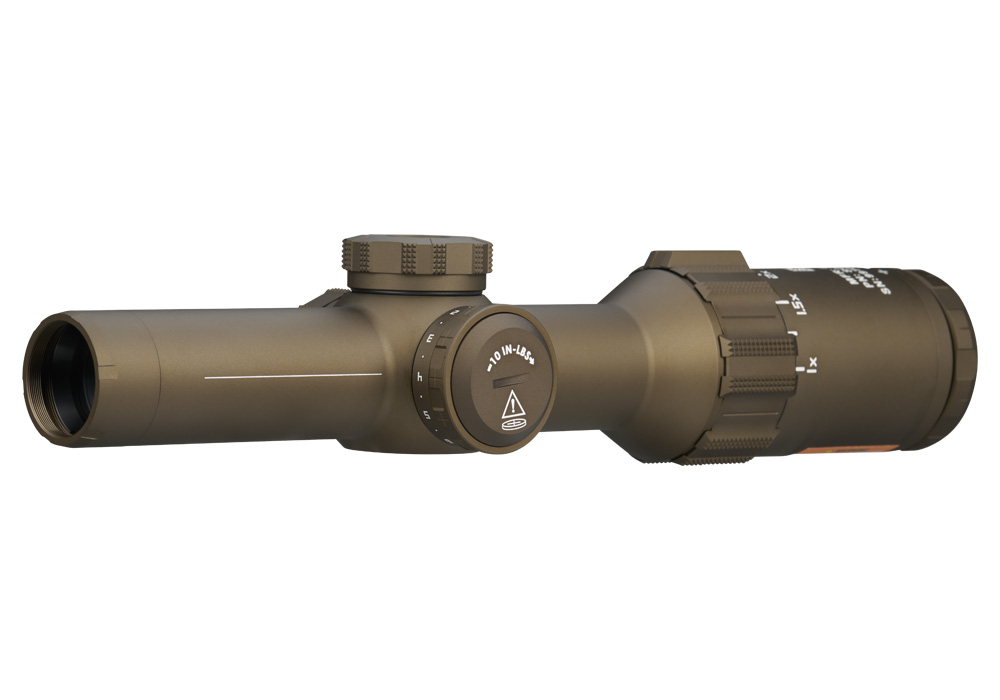
Long eye relief LPVO scopes occupy a useful space between traditional low-power variable optics and forward-mounted scout-style optics. Most conventional LPVOs provide approximately 3.5 to 4 inches of eye relief, while true extended-eye-relief configurations may offer roughly 5 to 7 inches or more, depending on the optic and intended platform. That additional distance can be valuable on rifles with substantial recoil, forward rail systems, or setups where a more upright head position and greater flexibility behind the optic are desirable. It can also make the sight picture more comfortable when a rifle is carried at varying positions in the field. The term “long eye relief LPVO” is sometimes used broadly, so shoppers should review the manufacturer’s published specifications rather than relying on the category name alone. A scout-style optic may be built specifically for mounting ahead of the receiver, while a conventional LPVO may be better suited to a standard receiver rail and offer a more familiar, close-to-eye shooting position. Magnification range is another important part of the decision. At the low end, an optic set near 1x can support fast target acquisition and a wide field of view for close-range practice, property use, or dynamic shooting drills. As magnification increases toward 6x, 8x, or 10x, the field of view generally narrows and the eyebox becomes less forgiving, making precise positioning more important. Long eye relief can provide welcome flexibility, but it does not eliminate the need for proper stock placement, a consistent cheek weld, and careful mount adjustment.
Choosing the right scope begins with matching the optic to the rifle, mounting system, and realistic distance at which it will be used. A forward rail on a scout-configured bolt-action, lever-action, or semiautomatic rifle may call for true extended eye relief, while a receiver-mounted rail usually accommodates a standard LPVO with a shorter, conventional eye-relief range. Before purchasing, measure the available rail space, confirm ring or mount compatibility, and consider whether the optic will clear the rifle’s action, rear sight, charging handle, or other controls. Set the scope at its highest magnification during installation and position it so the full sight picture appears naturally when the rifle is shouldered; the highest power typically produces the tightest eye box and reveals mounting errors that may be less noticeable at 1x. After securing the optic, verify that the reticle remains level and that adjustments are accessible without interfering with a comfortable grip. Bright, crisp glass is helpful in the changing light of a wooded trail or an overcast range, while an illuminated reticle can improve contrast against dark backgrounds and support quicker centering at low magnification. Reticle design also deserves close attention: a simple aiming point may feel uncluttered at close range, while graduated hold points can assist with elevation or wind compensation at greater distances when verified with the chosen ammunition. Turret style, adjustment range, parallax behavior, field of view, weight, and durability all affect how the optic feels on a rifle carried through brush, transported to the range, or kept ready for practice during the cooler months. Magnification should serve the rifle’s role rather than add unnecessary bulk, particularly on lightweight platforms where a compact setup helps preserve balance.
These scopes may appeal to hunters, recreational shooters, preparedness-minded owners, and anyone configuring a rifle for a blend of quick handling and moderate-distance precision. A hunter moving through thick timber may appreciate a generous low-power sight picture for locating a safe, clearly identified target, then use additional magnification when an open lane appears across a field. A shooter working with a lever-action or scout-style rifle may value the ability to mount the optic farther forward while keeping both eyes open during close-range practice. For range use, a variable optic can make one rifle adaptable to short drills, zero confirmation, and deliberate groups at distance without changing sights between exercises. It can also be a thoughtful gift for an experienced rifle owner who has already selected a mount and understands the role of the platform; optics are personal equipment, so gifting one is best done with the recipient’s rifle, rail dimensions, eye-relief preference, and intended use in mind. Those comparing this category with a smaller, lighter setup may also want to browse Compact LPVO Rifle Scopes for configurations where reduced size and weight are the primary priorities. Whatever the application, take time to confirm local laws, follow the firearm and optic manufacturers’ instructions, use appropriate eye and ear protection, and sight in from a stable position with the ammunition intended for regular use. A well-matched long eye relief LPVO should feel natural rather than forced: the rifle should come to the shoulder smoothly, the reticle should appear without excessive head movement, and the sight picture should remain dependable as lighting, distance, and shooting position change.