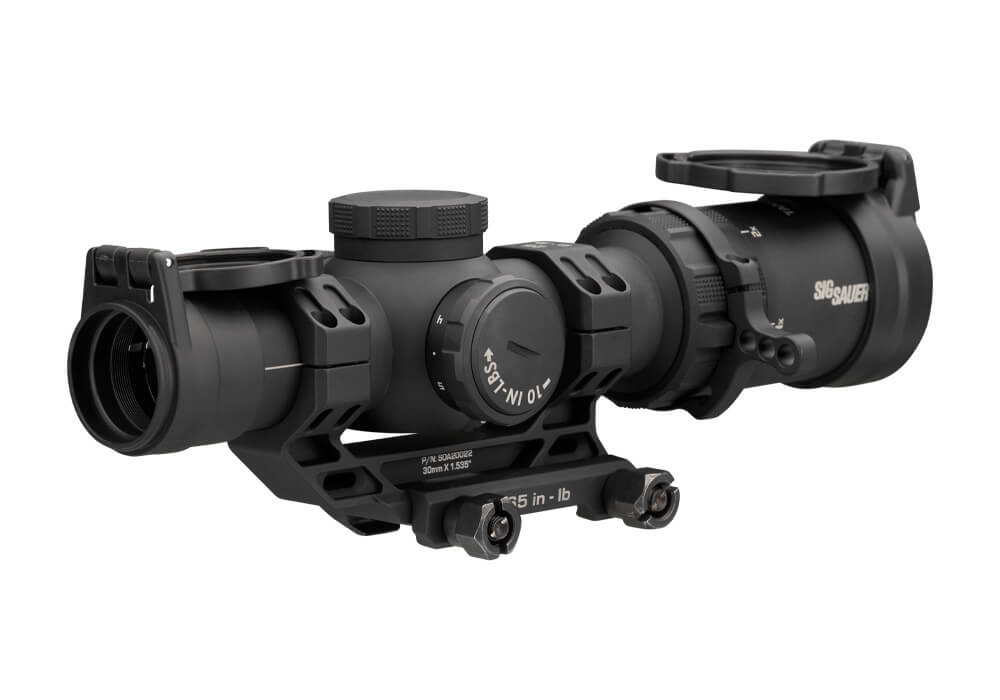
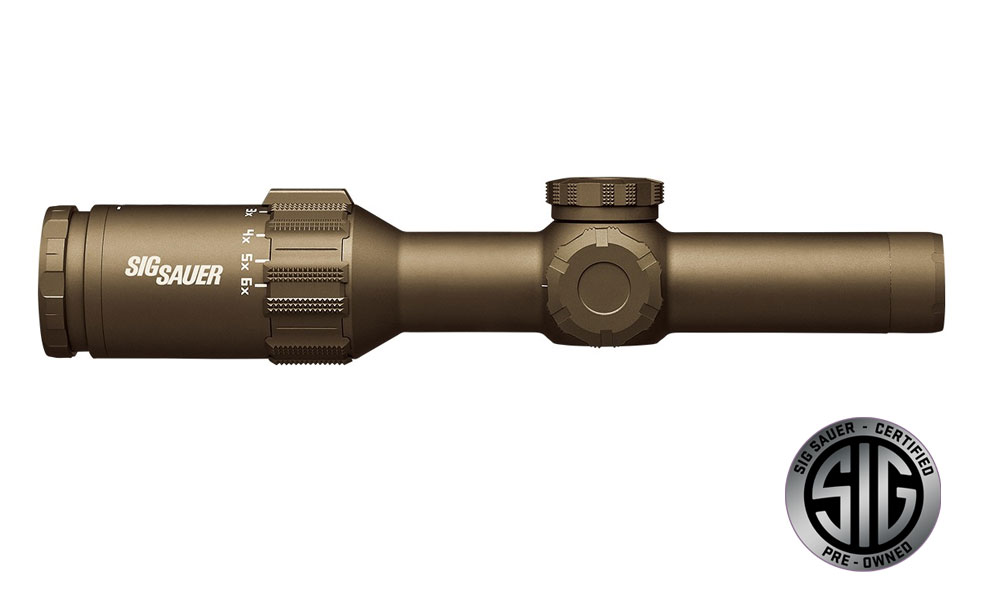
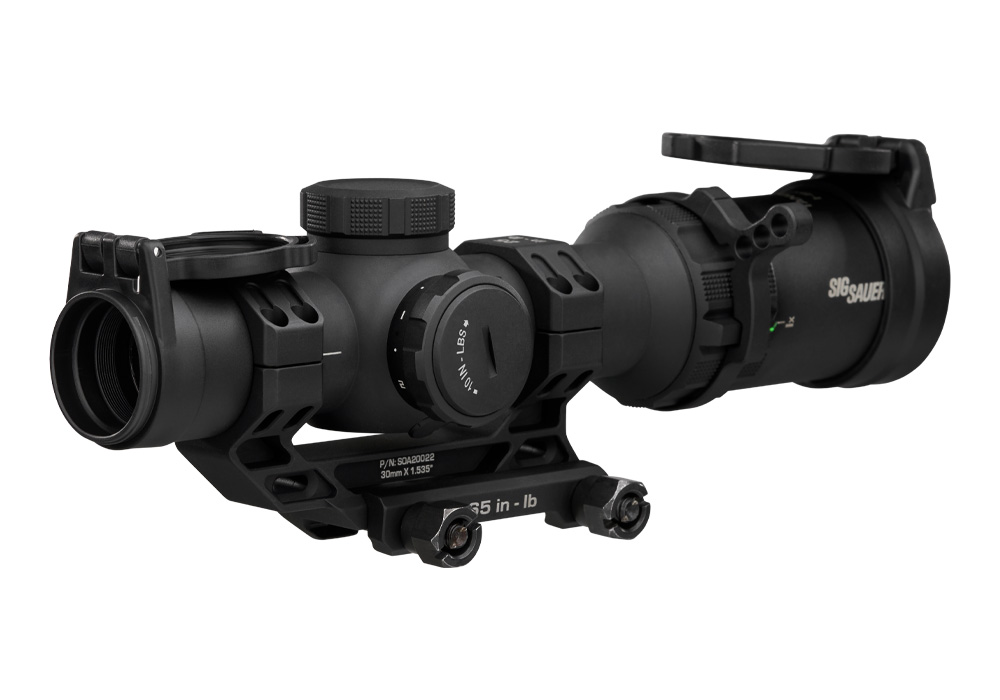
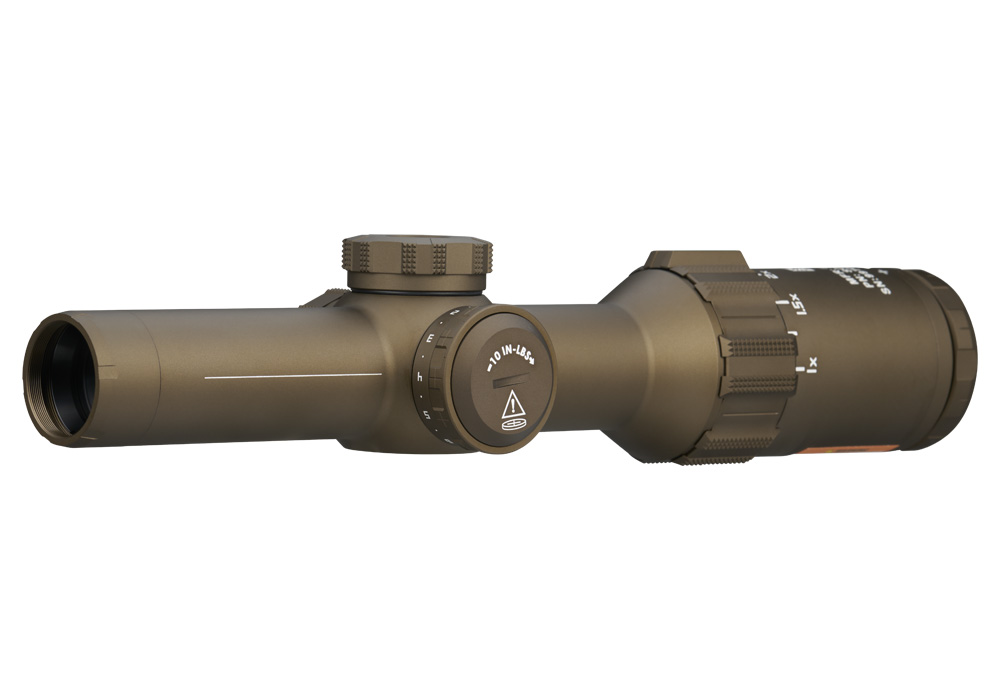
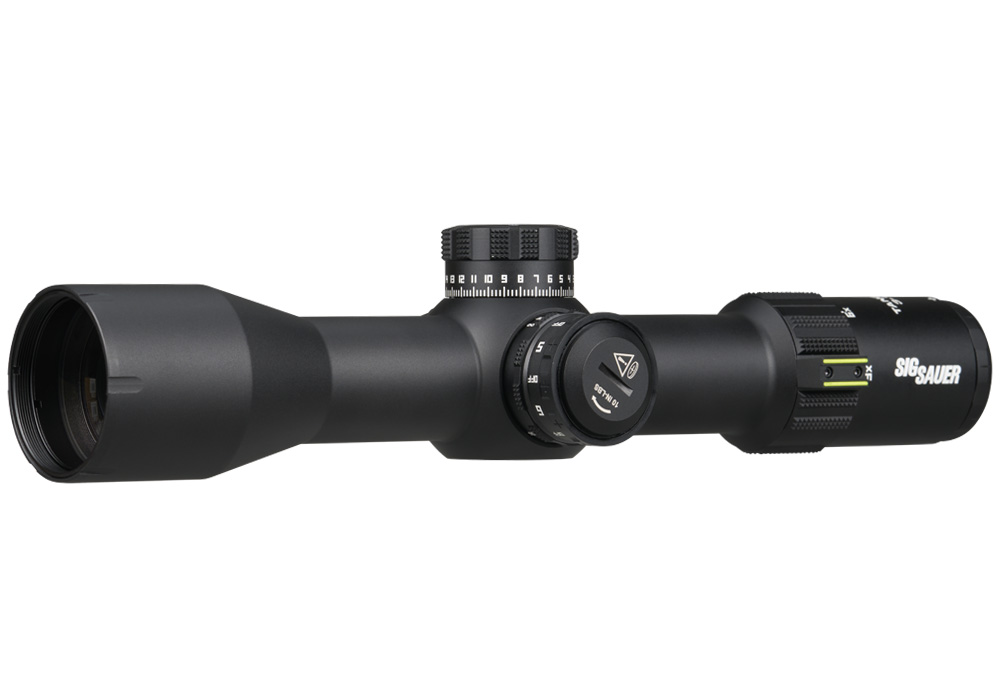
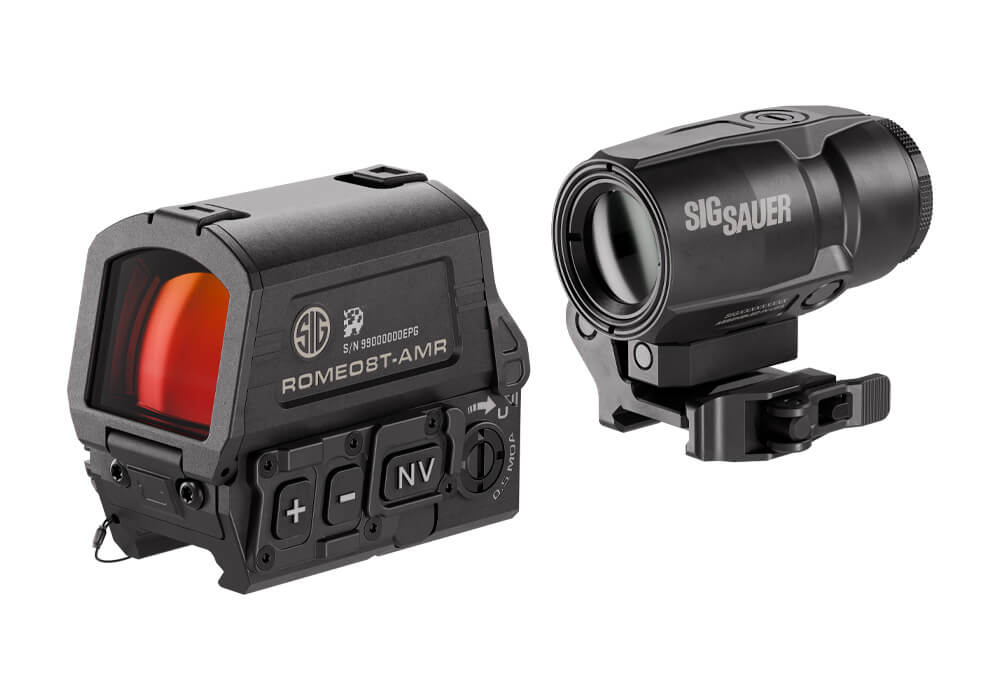
Fast-focus LPVO rifle scopes combine variable magnification with an adjustable eyepiece that brings the reticle into sharp focus for the individual shooter. LPVO stands for low-power variable optic, a scope category that typically starts at or near 1x magnification and offers higher settings for a closer view of distant targets. The fast-focus feature refers to the eyepiece’s diopter adjustment, not the magnification ring or an automatic focusing system. Its purpose is to help the reticle look crisp to the person looking through the scope, accounting for differences in eyesight. Once adjusted for that user, the eyepiece generally needs less attention than the magnification control. This distinction matters: increasing magnification enlarges the target image, while adjusting the diopter addresses reticle clarity. Neither function should be confused with a separate parallax adjustment, when one is present. For recreational target shooting, competition, or compatible hunting applications, this combination offers a useful balance between a broad view at low power and greater visual detail at higher power. At a range with targets at several distances, that flexibility can mean spending less time working around a fixed magnification setting. The useful magnification range depends on the shooting activity, target size, and personal preference rather than the highest number alone. Field of view, eye relief, and the ease of maintaining a full sight picture deserve equal consideration. A generous field of view helps preserve visual context, while comfortable eye relief supports a natural position behind the rifle. The eye box—the area behind the eyepiece where a usable image remains visible—also influences how forgiving a scope feels during ordinary handling. Reticle design adds another layer of choice. Fine markings can preserve an unobstructed view of small targets, while bolder central features may be easier to distinguish against visually busy backgrounds. Illumination, where included, can improve reticle visibility under certain lighting conditions, but it does not replace sound optical design or a clear, properly adjusted view.
The way an LPVO fits the rifle is as important as the view through its lenses. Tube diameter must match the mounting hardware, and the mounting arrangement must suit the firearm’s mounting interface. Objective diameter, eyepiece dimensions, and the position of the magnification ring can all affect clearance around nearby components. Mount height influences head position, so a comfortable cheek weld and appropriate eye relief are more useful considerations than appearance alone. A compact optic can still feel awkward if it sits too far forward, too far back, or at an unsuitable height. Overall length and weight also affect the rifle’s balance, particularly for shooters who carry their equipment between stages or spend extended periods practicing from different supported positions. Aluminum scope bodies are common because they offer a practical combination of strength and manageable weight, though construction details vary. Lens coatings can help reduce reflections and support light transmission; their value is best considered alongside image contrast, edge clarity, and the scope’s overall optical performance. Internal sealing, adjustment mechanisms, and resistance to recoil are additional durability considerations, with specifications providing a better basis for comparison than broad claims of toughness. Turret design deserves attention as well. Capped controls can help protect settings from unintended movement, while other configurations emphasize convenient access to adjustments. The preferred arrangement depends on how the scope will be used. Reticle placement also changes the viewing experience: a first-focal-plane reticle changes apparent size with magnification while maintaining its scale relative to the target, whereas a second-focal-plane reticle maintains a consistent apparent size, with calibrated reference marks generally associated with a specified magnification. Shoppers exploring High Performance LPVO Scopes can weigh these characteristics alongside fast-focus adjustment rather than treating any single feature as a complete measure of performance. The strongest match is an optic whose controls, dimensions, and viewing characteristics work comfortably with the intended rifle and activity.
Routine care helps preserve the clarity and dependable operation that make a fast-focus LPVO useful over time. Before cleaning, confirm the firearm is unloaded and follow the firearm and optic manufacturers’ handling instructions. Loose particles should be removed from the lenses with an appropriate blower or soft optical brush before a lens-safe cloth or cleaning material touches the glass. Rubbing grit across a lens can damage its surface or coatings, even when the cloth itself feels soft. Household cleaners, rough fabrics, and excessive pressure are poor substitutes for supplies intended for coated optics. Lens covers help limit dust and handling marks during transport and storage, while a protective case reduces contact with other equipment. The exterior, mounting hardware, and controls also benefit from periodic inspection, with any servicing or tightening performed according to the relevant manufacturer’s specifications. More force is not necessarily better, especially around scope rings and small fasteners. For illuminated reticles, battery type, replacement access, and storage recommendations are practical ownership details worth understanding before regular use. Shooters who share a rifle should remember that a diopter setting comfortable for one person may not provide the same reticle clarity for another. Prescription eyewear can also influence the viewing experience, making comfortable eye relief and an easily adjustable eyepiece especially relevant. As a gift, an LPVO is most appropriate when the recipient’s rifle compatibility, mounting preferences, and intended activities are already understood; these are personal pieces of equipment rather than universally interchangeable accessories. A target-shooting enthusiast may prioritize a clean view of fine aiming points, while a competition participant may place greater emphasis on control access and a forgiving sight picture. Across those uses, fast-focus LPVO rifle scopes offer a way to tailor reticle clarity without giving up variable magnification. Thoughtful fit, sensible feature choices, and careful upkeep help that versatility remain useful through repeated range sessions.