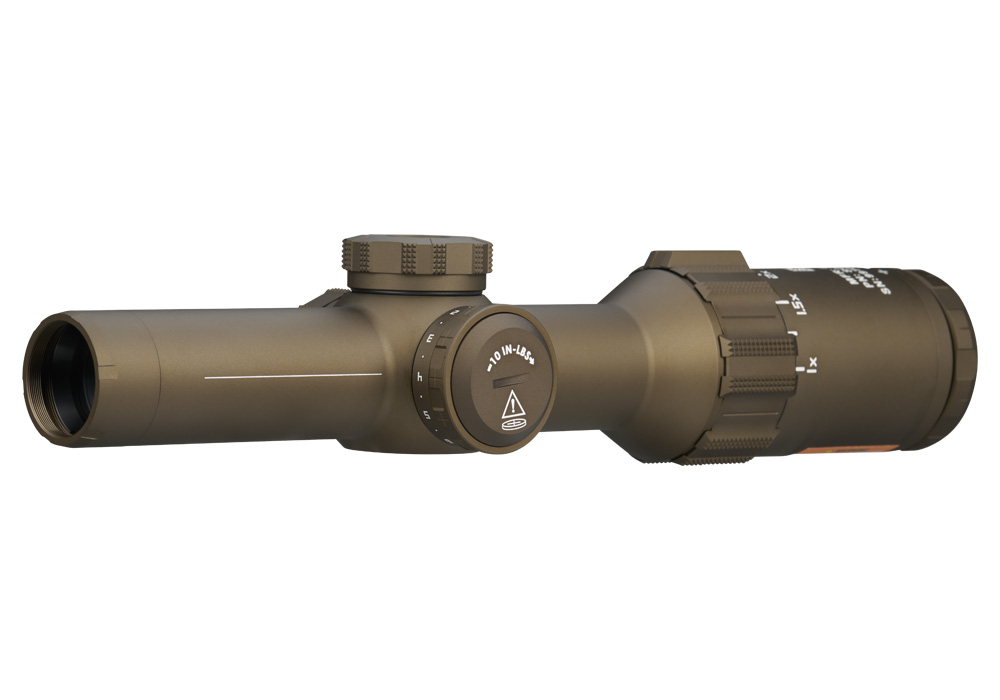
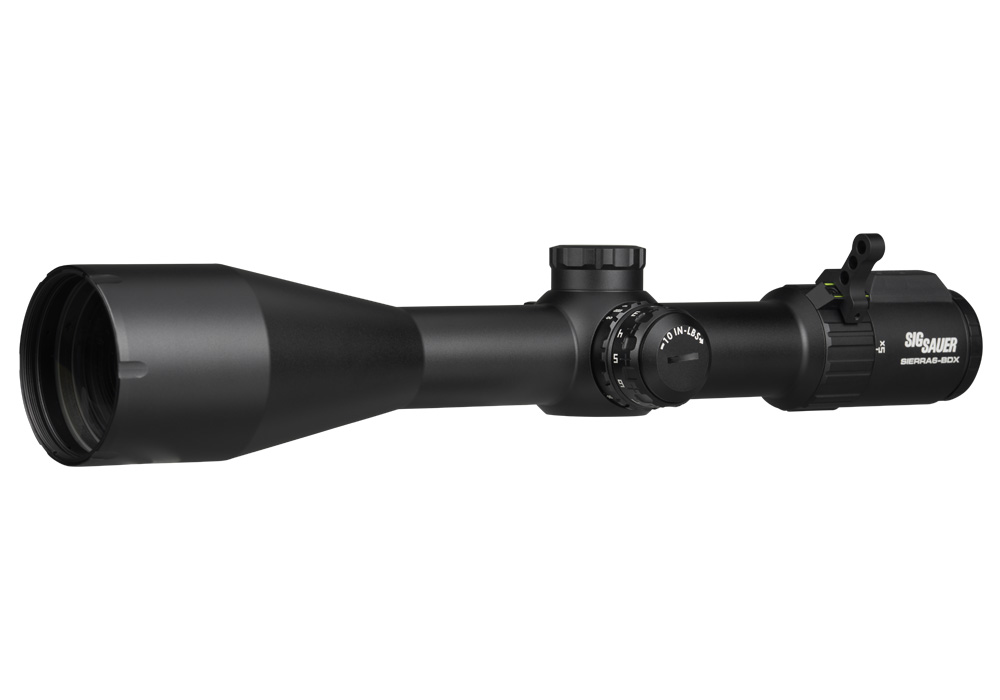
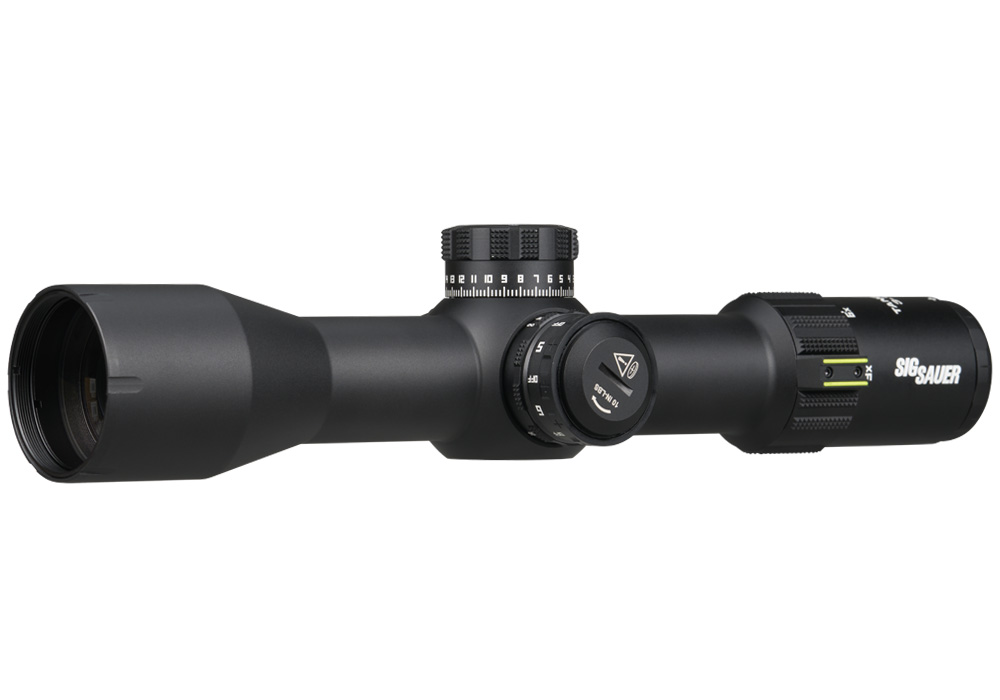
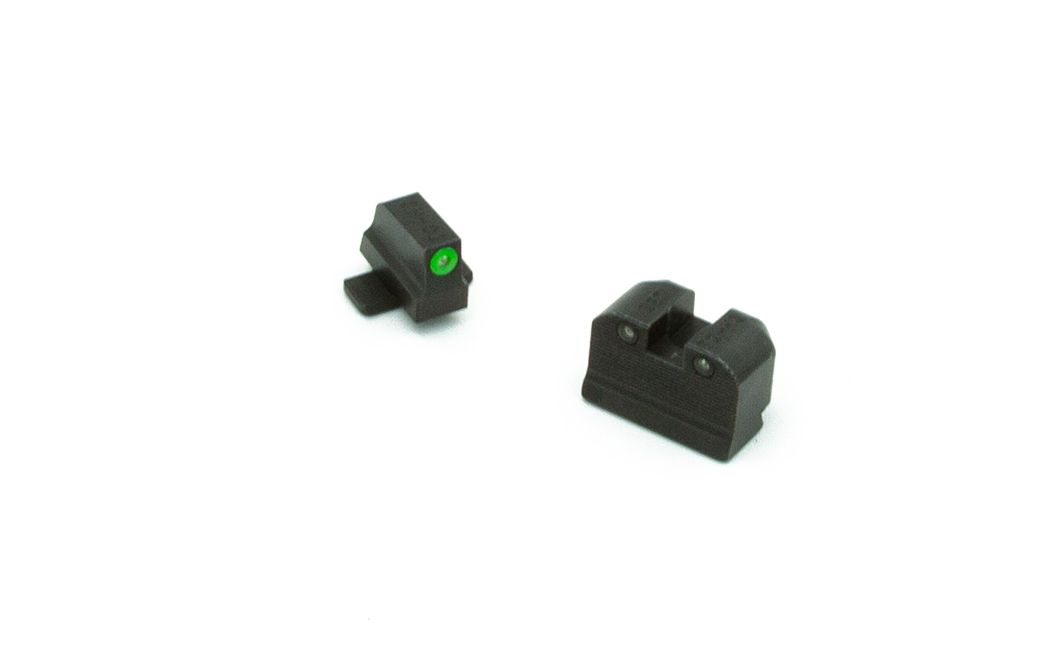
Outdoor shooting tactical scopes are designed for shooters who need a clear, durable sighting solution in changing outdoor conditions. Unlike a simple fixed-power optic, a tactical scope can provide a wider field of view at lower magnification and more detail at greater distances, making it useful for a range of applications from carbine practice and field shooting to precision target work. Low-power variable optics, commonly offered in ranges such as 1-6x or 1-8x, are well suited to dynamic shooting where targets may appear at varied distances and quick transitions matter. Mid-power scopes, often in the 3-15x or 4-16x range, offer a balanced option for shooters who move between close and intermediate distances. Higher-power configurations, including 5-25x and beyond, are intended for deliberate, long-range target engagement where precise aiming and observation are priorities. When comparing outdoor shooting tactical scopes, start with the firearm platform, cartridge, expected distance, and shooting position. A scope that feels ideal from a supported bench may be less comfortable on a rifle carried across uneven ground, while a compact optic intended for fast handling may not provide the magnification or adjustment range needed for distant targets. Consider the optic’s overall length and weight, eye relief, field of view, and mounting height, then confirm that the chosen rings or mount match the rifle and scope tube. Proper mounting, level alignment, and a careful zero are essential to getting dependable performance from any sighting system.
Reticle design is another important consideration. A first focal plane reticle changes size as magnification is adjusted, allowing its holdover and windage references to remain proportionally accurate throughout the scope’s magnification range. This can be especially useful when distance, wind, or target size changes during a session. A second focal plane reticle remains the same apparent size, which many shooters appreciate for a bold, uncluttered aiming point at a preferred magnification. Neither design is universally best; the right choice depends on how often magnification changes and whether the reticle’s subtensions will be used for range estimation or corrections. Turret style also affects how an optic fits a shooting routine. Exposed tactical turrets can make elevation and windage adjustments fast and easy to track, while capped turrets help protect settings from accidental movement during transport. Features such as a zero-stop system, tactile adjustment clicks, a locking mechanism, and a clearly marked adjustment scale may be valuable for shooters who record dope and make frequent corrections. Optical performance matters just as much. Fully multi-coated lenses can help manage glare and improve contrast, while a well-designed reticle remains visible against dark timber, pale grass, or a shaded backstop. During the cooler months, fog resistance and sealed construction become particularly important as a rifle moves between a warm vehicle and crisp outdoor air. Waterproofing, shock resistance, and a rugged aluminum tube can help an optic withstand wet benches, dusty trails, and the ordinary bumps that come with responsible field use. Shooters who prefer a non-magnified sight picture for close-range work may also want to compare these scopes with Outdoor Shooting Red Dot Optics before choosing an aiming system.
The best outdoor shooting tactical scope is the one that complements the shooter’s habits rather than simply offering the largest magnification number. Someone practicing from improvised field positions may value a forgiving eye box, generous eye relief, and a broad low-power view more than extreme top-end magnification. A precision-focused shooter working from a stable rest may place greater emphasis on fine turret tracking, a detailed reticle, parallax adjustment, and resolution at distance. Parallax adjustment can help reduce aiming error when the reticle and target appear to shift relative to one another, particularly at longer ranges, although consistent cheek weld and steady fundamentals remain just as important. Illumination may improve reticle visibility in low-contrast conditions, but it should complement—not replace—clear glass and a reticle that can be read without power. For a gift, a scope can be a thoughtful choice for an experienced shooter, range partner, or outdoors enthusiast when the recipient’s rifle, mounting system, preferred distances, and reticle preferences are known. If those details are uncertain, accessories such as quality scope rings, a protective cover, a level, or a durable case may be easier to match. Before heading outdoors, inspect the mounting hardware, verify the zero at a safe and appropriate range, and confirm that adjustments track as expected. Use a stable backstop, follow all range rules and local regulations, and keep the firearm unloaded and pointed in a safe direction whenever it is not in use. As the weather warms or the air turns cooler, a well-chosen scope can make time at the range more productive and field observation more comfortable, helping the shooter spend less effort fighting equipment and more time building a consistent, responsible shooting routine.