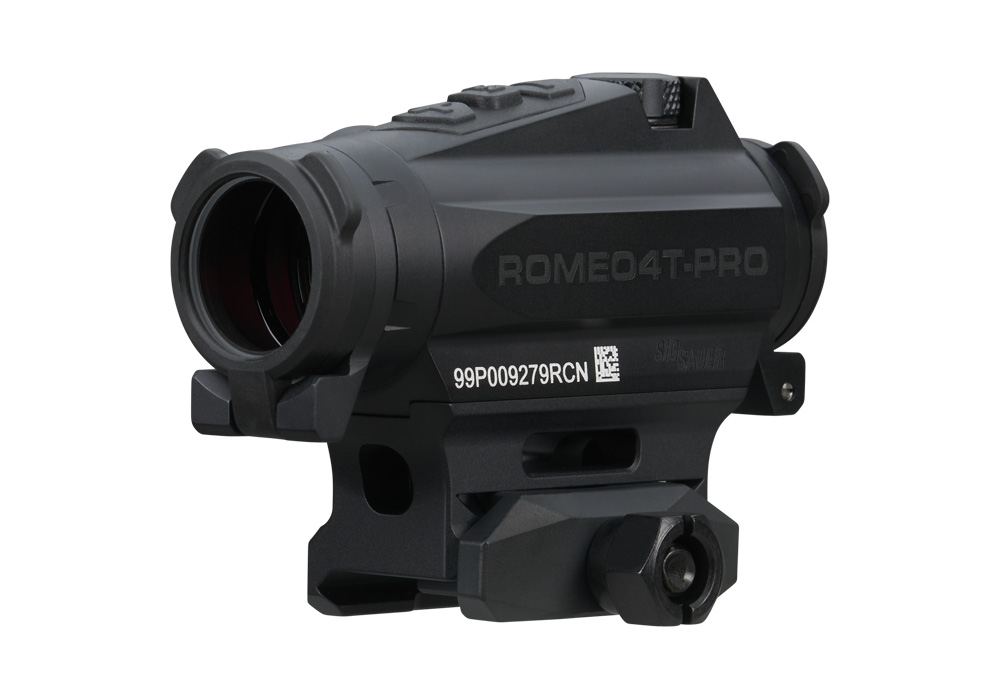
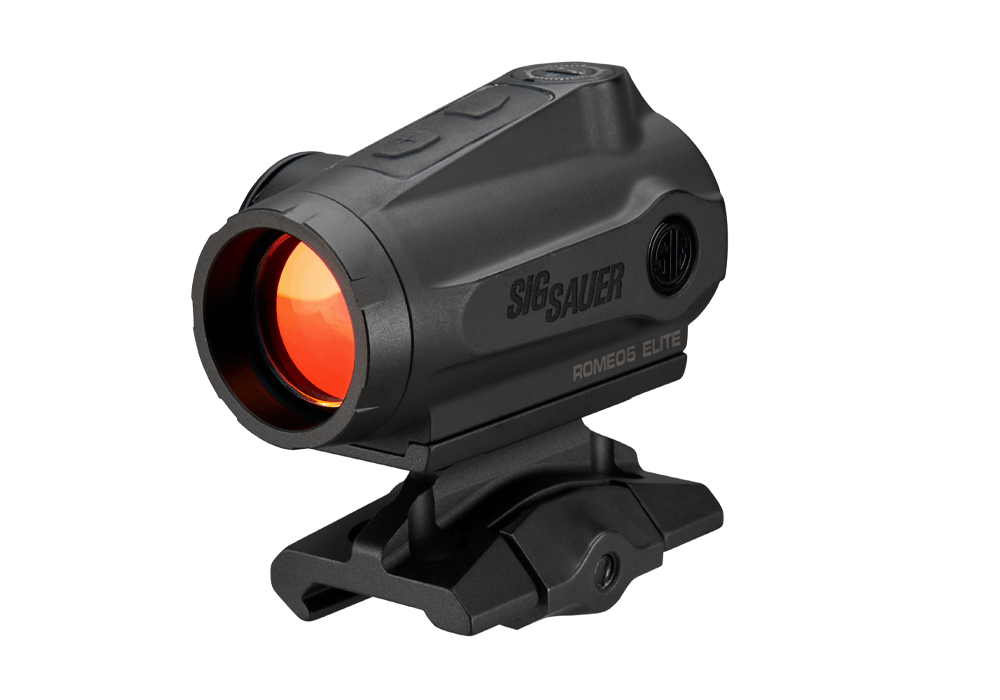
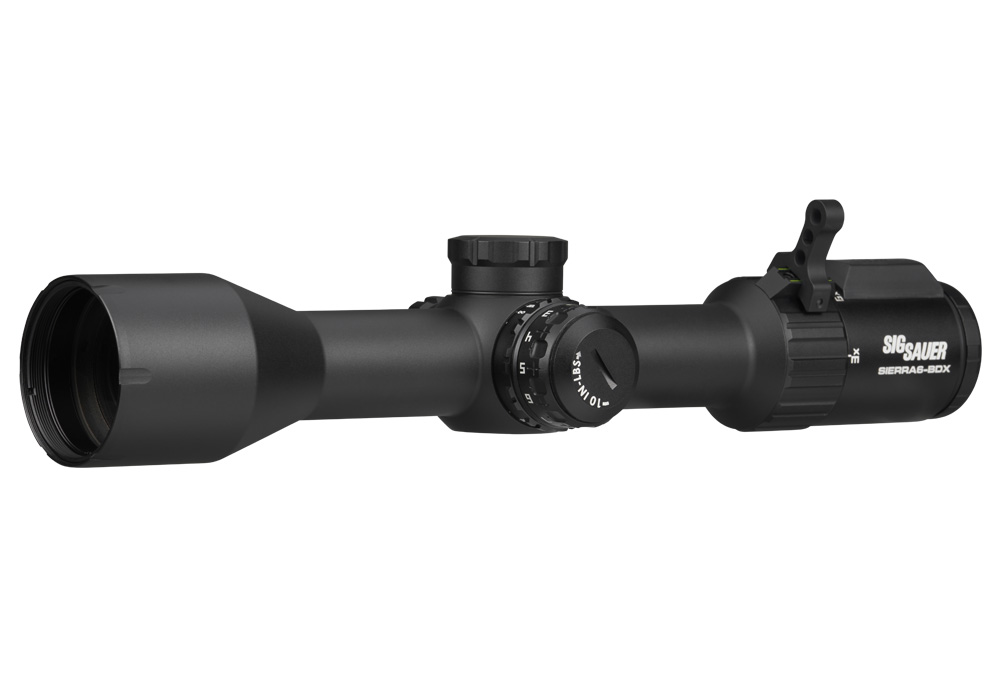
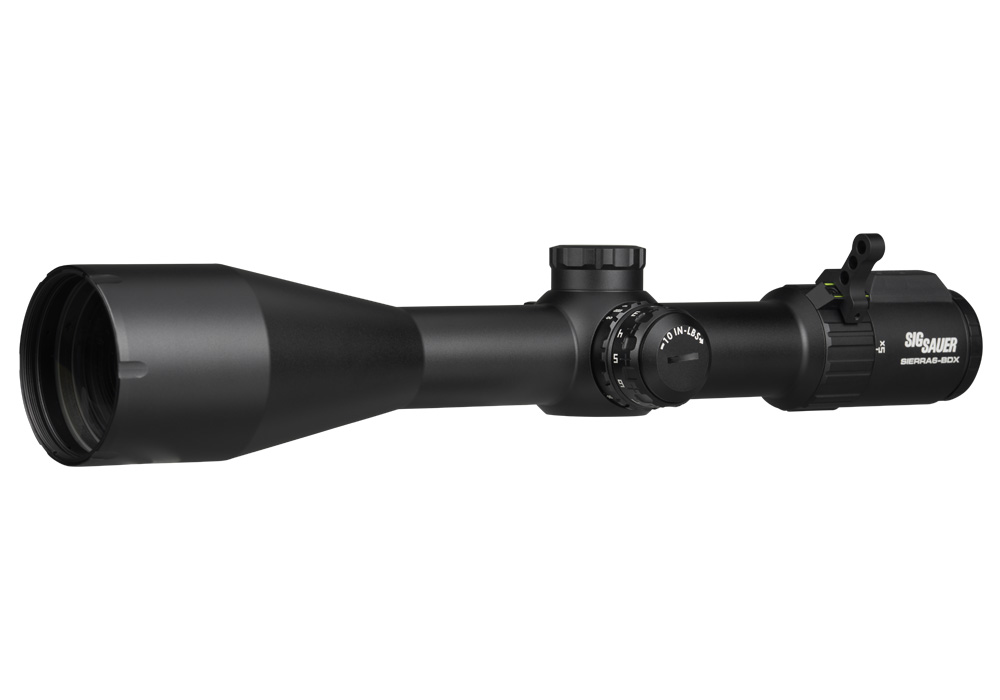
Outdoor shooting optics help shooters see more clearly, aim with greater confidence, and adapt to changing distances and light in open-air environments. This category includes red dot sights for fast target acquisition at close range, low-power variable optics for flexible performance from near distances through the midrange, riflescopes designed for hunting and precision shooting, and spotting scopes that support observation, target assessment, and range work from a stationary position. The right optic depends on the firearm platform, mounting system, intended use, target size, typical distance, and the conditions in which it will be used. A compact red dot can be a practical choice for close-range target practice or dynamic shooting where a wide field of view and both-eyes-open aiming are valuable. An LPVO with a 1x setting can offer a similar near-distance experience while adding magnification for targets farther downrange. At moderate distances, a hunting or general-purpose riflescope in a midrange magnification class can provide a balanced combination of detail, field of view, and manageable size. For precision work at extended ranges, higher magnification and carefully graduated adjustment controls can help the shooter evaluate a target and make deliberate sight corrections. Spotting scopes serve a different but complementary purpose, allowing users to inspect paper groups, steel targets, terrain, or distant movement without repeatedly moving the firearm. Browse the broader selection of Shooting Optics to compare optic types suited to different outdoor shooting setups.
Distance is one of the most useful starting points when comparing outdoor shooting optics. From zero to approximately 100 yards, a red dot or an optic offering 1x to 4x magnification may provide the speed, visibility, and generous field of view needed for common practice sessions and close-range applications. Between roughly 200 and 600 yards, magnification in the 4x to 12x range can make target details easier to see while preserving enough surrounding view to track a target or read changing conditions. At distances from 600 to 1,000 yards and beyond, higher-power riflescopes, often reaching 15x, 25x, or more, can help experienced shooters evaluate smaller targets and refine their point of aim. Magnification alone does not determine performance. Glass clarity, contrast, eye relief, exit pupil, adjustment range, reticle design, parallax control, and low-light performance all influence how useful an optic feels in the field. A large objective lens may gather more light, but it can also add weight and require taller mounting hardware. A compact optic may carry more comfortably during a long walk through uneven ground, while a heavier precision setup may be better suited to a bench, tripod, or fixed firing position. Durability and weather resistance deserve equal consideration when equipment may encounter dust, rain, changing temperatures, or the occasional bump against a vehicle or blind. Before mounting, confirm that the optic and rings or base are compatible with the firearm, and follow the manufacturer’s instructions for installation, eye relief, leveling, zeroing, and maintenance. Always identify the target and what lies beyond it, use appropriate eye and hearing protection, and observe all applicable laws and range rules.
Outdoor shooting optics can suit a wide range of users, from someone building a first range setup to an experienced hunter refining a familiar rifle. They can also make thoughtful gifts for a new shooter, a hunter preparing for the cooler months, or a family member who enjoys organized target practice and wants to spend more time outdoors. A gift selection is easiest when it matches the recipient’s firearm, preferred distance, mounting pattern, and experience level; an optic that is ideal on a lightweight hunting rifle may feel out of place on a compact carbine or a dedicated precision platform. When those details are uncertain, a versatile magnification range, a forgiving eye box, straightforward controls, and a reputation for dependable construction may be more useful than an optic built for a narrow specialty. Think about how the equipment will be carried and used: a hunter moving quietly through brush may value a lighter scope and a generous field of view, while a range shooter working from a bench may prioritize fine adjustment control and higher magnification. During warmer days, clear glass and a practical sunshade can help when glare rises above an open firing line; during cooler months, reliable fog resistance and controls that remain easy to operate with gloved hands can make a noticeable difference. Many shooters remember their first well-organized range session by the small details—the crisp outline of a distant steel plate, a clean group appearing through the spotting scope, or the moment an optic settles naturally into view. Choosing equipment that fits the shooter, firearm, and environment helps create more of those useful, repeatable experiences while supporting responsible, careful time outdoors.