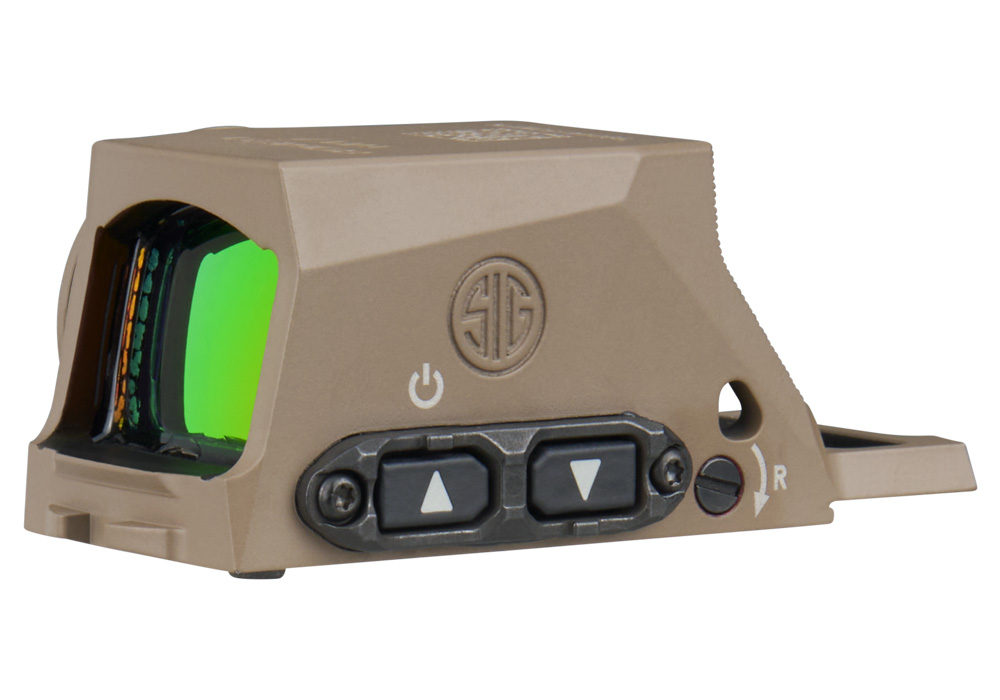
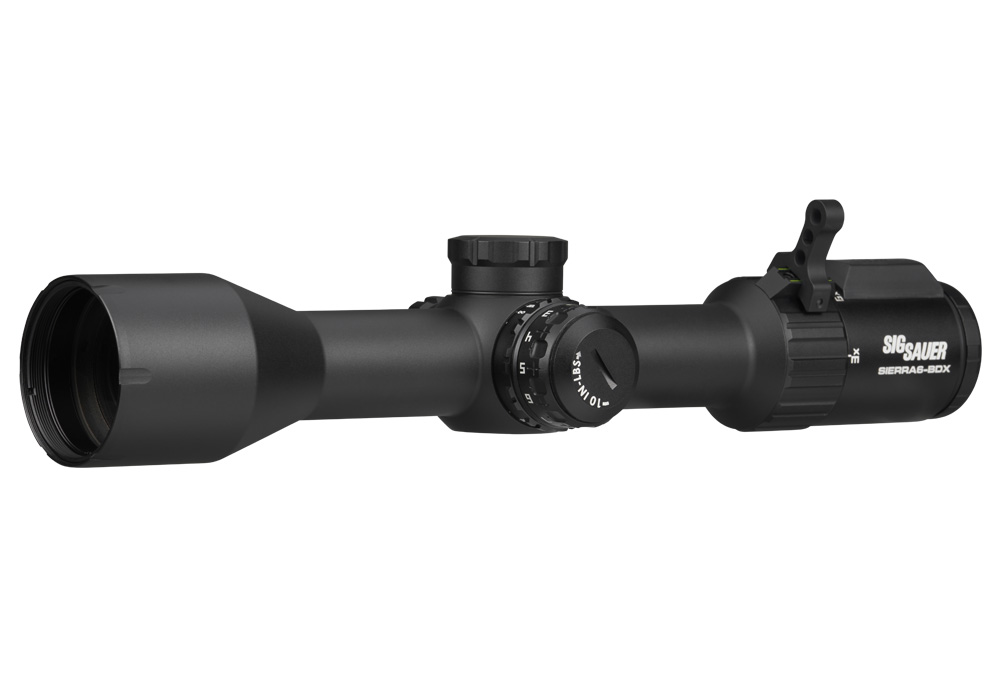
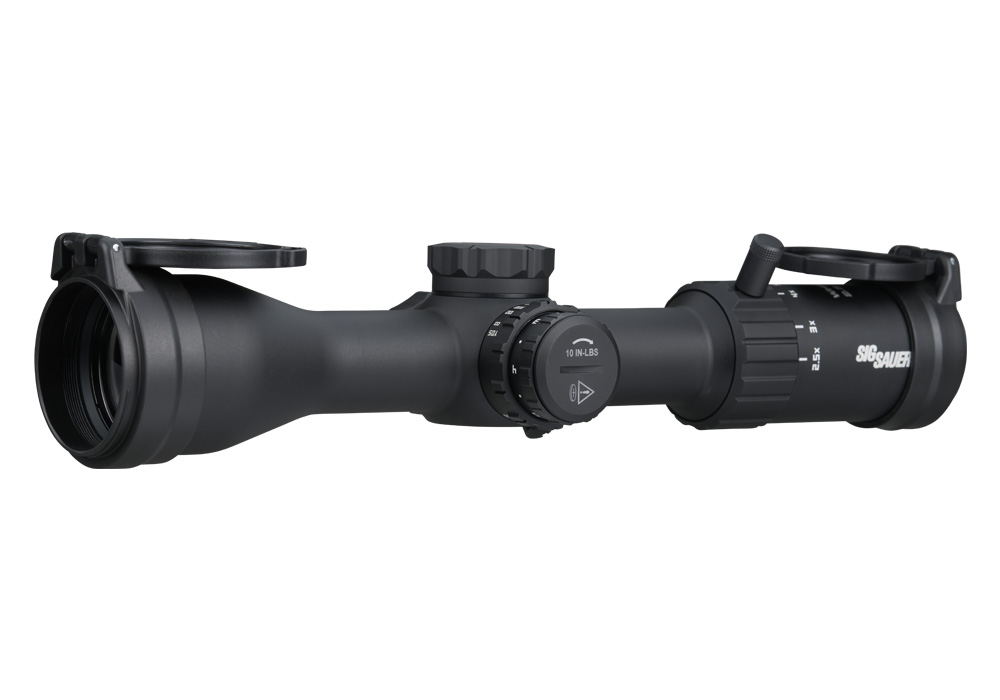
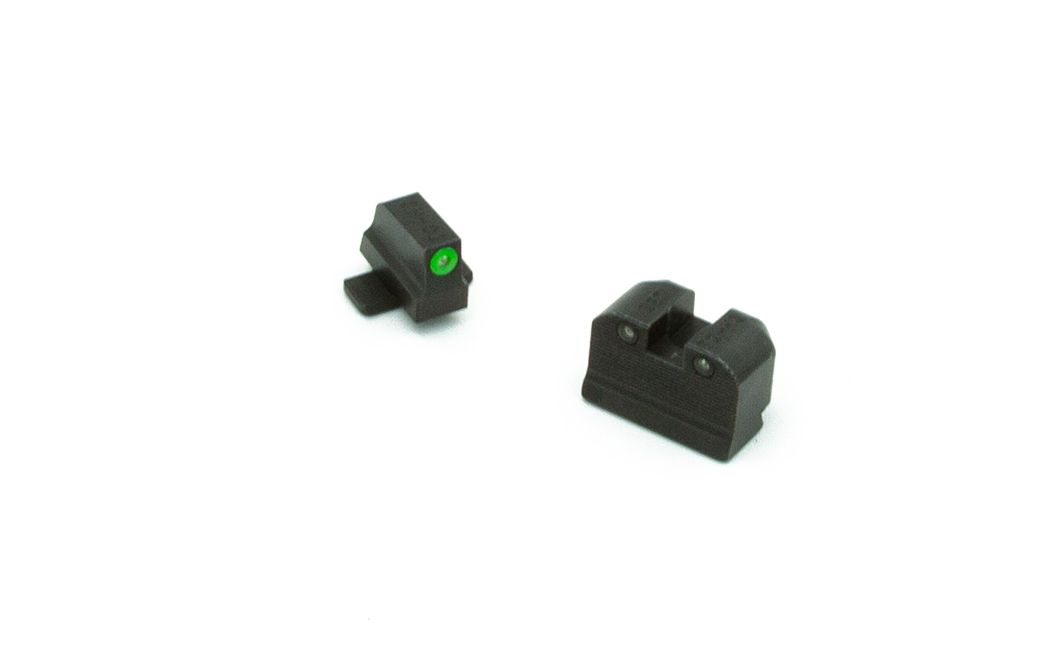
Shooting optics help turn a firearm into a more capable and consistent sighting system by giving the shooter a clearer view of the target, a more defined aiming reference, or useful information about distance and conditions. The right choice depends on the firearm, the way it will be used, and the distances involved. Red dot sights are a popular option for close-range shooting because they typically use true 1x magnification and an illuminated aiming point that can be found quickly with both eyes open. That design supports a broad field of view and fast target acquisition, making red dots well suited to carbine platforms, defensive practice, recreational range use, and competitive stages that require movement between targets. Shooters who spend time at varied distances may prefer a low-power variable optic, commonly called an LPVO. With an adjustable magnification range, an LPVO can provide a wide view and quick handling at the lower setting while offering additional detail and aiming precision at greater distances. Explore Outdoor Shooting LPVO Optics for options intended to balance close-range speed with mid-range versatility. Traditional riflescopes with greater magnification are often selected for hunting, target shooting, and precision applications where careful shot placement and a detailed view of a distant target matter most. Binoculars and rangefinders complement a riflescope or other optic by helping the shooter locate, identify, and evaluate a target area before settling behind the firearm. Together, these categories cover a wide range of shooting activities, from an informal afternoon at the range to deliberate practice across open terrain during the cooler months.
When comparing shooting optics, start with the role the optic will play rather than choosing magnification alone. A lightweight optic with a generous field of view may be the better fit for a rifle carried over uneven ground, while a larger, more feature-rich scope can make sense for a stable precision setup or a firearm used primarily from a bench. Consider the optic’s magnification range, objective lens size, reticle style, illumination controls, adjustment system, and eye relief. Lower magnification generally makes it easier to track movement and acquire a nearby target, while higher magnification can reveal more detail at extended distances but may narrow the field of view and demand steadier support. Eye relief is especially important on firearms that produce noticeable recoil, since a comfortable viewing position helps the shooter maintain a safe, repeatable cheek weld. Reticles also vary considerably: a simple illuminated dot can keep the sight picture uncluttered, while a graduated reticle may assist with holdovers, wind corrections, or ranging references. Turret design and adjustment consistency matter to anyone who regularly confirms or changes zero, and a clearly marked illumination control is valuable when light shifts from a bright afternoon to the muted colors of dusk. It is also worth checking the mounting footprint, tube or base compatibility, available mounting space, and the overall balance of the firearm before purchase. Weather-resistant construction, sealed controls, scratch-resistant lenses, and reliable performance through changing temperatures can be meaningful advantages for hunters and outdoor shooters who may move from a dry range to damp brush, cold mornings, or dusty terrain. A well-matched optic should feel natural behind the firearm, not like an afterthought added to it.
Shooting optics can be a practical gift for a new shooter, an experienced hunter, a competitive participant, or anyone building a more capable range setup. A first-time owner may appreciate a straightforward red dot that makes the sight picture easy to understand, while a seasoned shooter might value a variable optic, a more refined reticle, or a compact observation tool for scouting and target identification. Binoculars and rangefinders can be especially useful gifts because they support the entire shooting experience without being limited to a single firearm; they can help a hunter study terrain, help a range visitor confirm distances, or help a family member learn how light, background, and angle affect what the eye sees through an optic. Before selecting a gift, confirm the recipient’s firearm type, mounting system, preferred shooting distance, and whether the optic will be used primarily in bright daylight, low light, or changing outdoor conditions. It is also helpful to think about the practical details that are easy to overlook, including battery type, control placement, lens covers, mounting hardware, and the weight the recipient is comfortable carrying. Many shooters remember the first time an optic brought a distant target into sharp relief: the fine texture of a paper bullseye, the edge of a steel plate, or a clean line across a field that had looked indistinct through the naked eye. Choosing an optic that suits the person, firearm, and intended use can make that experience more repeatable, more comfortable, and more rewarding throughout the seasons.