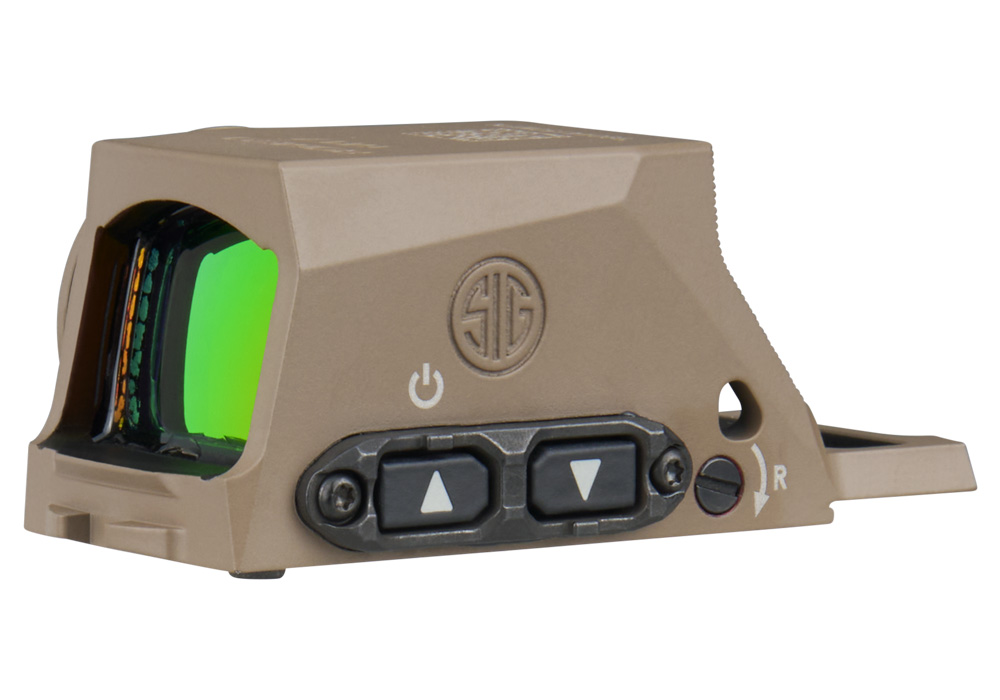
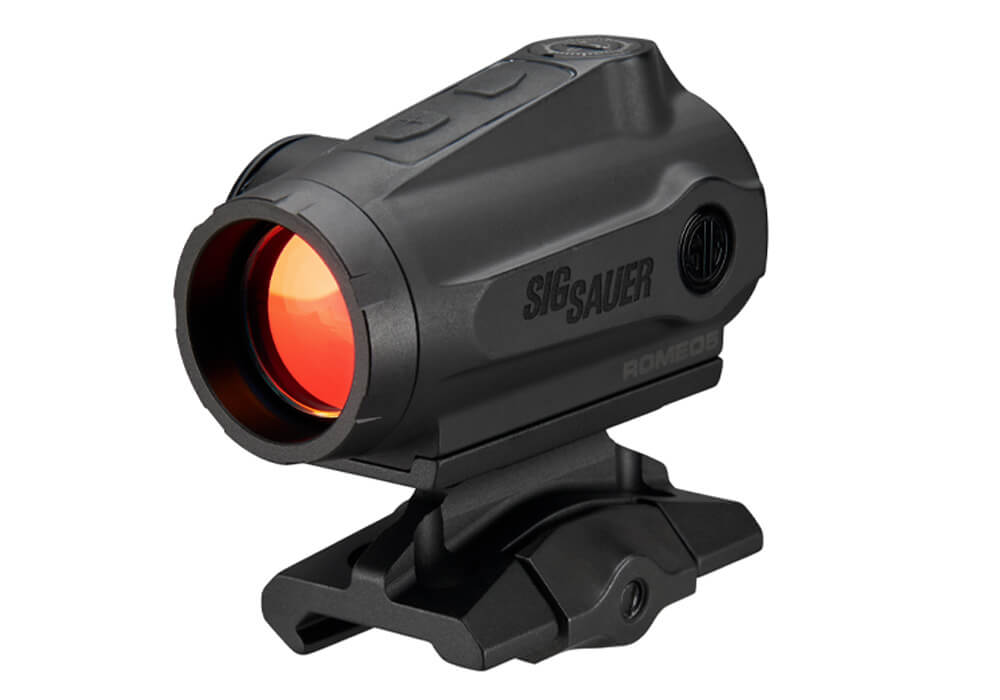
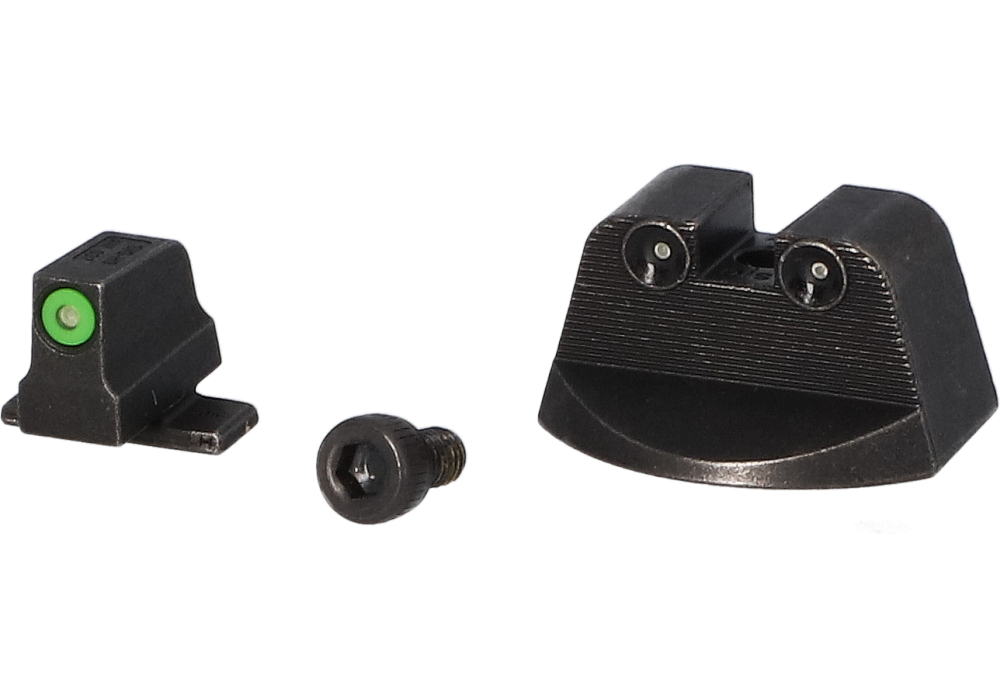
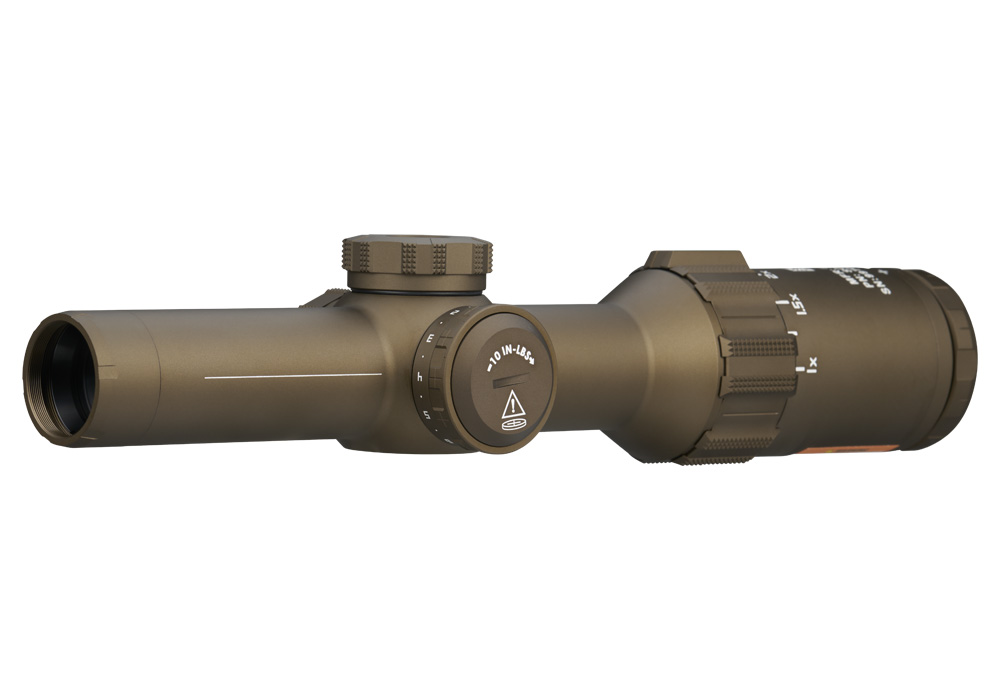
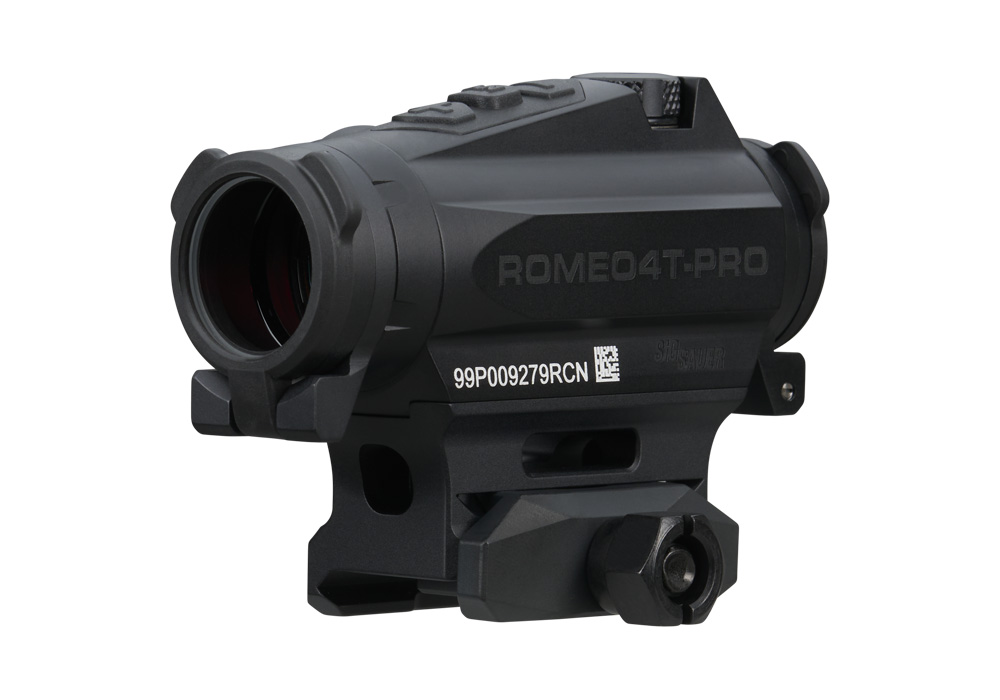
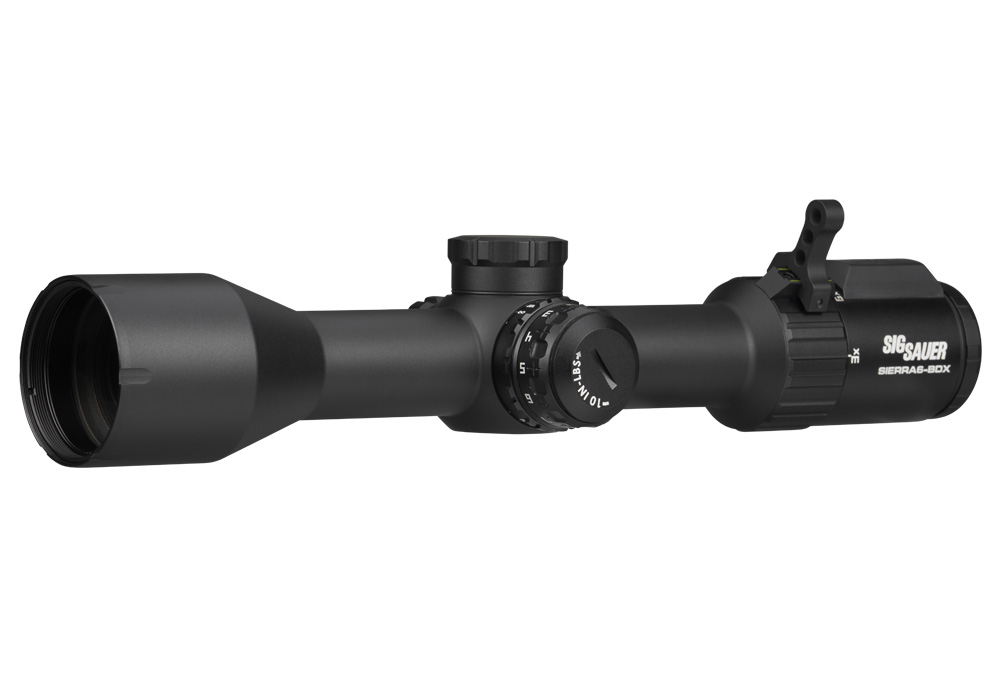
Advanced shooting optics are designed for shooters who want a clearer sight picture, more dependable adjustments, and better information at a glance across changing distances and lighting conditions. This category can include precision riflescopes, compact red dot sights, reflex sights, thermal or night-vision-compatible systems, and digitally integrated optics that combine viewing, ranging, and ballistic data in one platform. The right choice begins with the intended use. A hunter moving through timber during the cooler months may value a bright, forgiving sight picture, compact dimensions, and reliable performance in low light, while a precision shooter working from a bench or prone position may prioritize magnification range, fine reticle detail, repeatable turret adjustments, and excellent glass clarity at extended distances. For close-range defensive, competition, or carbine applications, a red dot or reflex sight can provide a fast, unobstructed aiming reference without adding unnecessary bulk. Shooters who move between wooded terrain, open fields, and prepared ranges may prefer a versatile optic that balances magnification, field of view, eye relief, and overall weight. Consider the firearm’s intended role, the ammunition being used, the distances commonly encountered, and the environment where the optic will be carried or stored. A rugged housing, dependable mounting interface, and controls that remain easy to identify by feel can matter just as much as magnification or objective size when temperatures drop, gloves are in use, or changing weather leaves the range damp and dim. Explore the broader selection of Field Ready Shooting Optics for solutions intended to support practical use in varied field conditions.
Reticle design and focal-plane placement are central considerations when comparing advanced riflescopes. In a first focal plane, or FFP, optic, the reticle changes apparent size with magnification, keeping its holdover references proportional throughout the power range. This can be especially useful when using the reticle for elevation or wind holds at different magnifications, since the subtensions remain consistent according to the optic’s specifications. In a second focal plane, or SFP, optic, the reticle remains the same apparent size as magnification changes. Many shooters appreciate this constant, easy-to-see aiming reference, particularly when the optic is used at a preferred magnification or when a clean, uncluttered view is important. Neither arrangement is universally better; the more suitable choice depends on how the optic will be used, how quickly magnification changes are made, and whether the shooter primarily dials adjustments or holds directly with the reticle. Precision turrets should offer distinct, repeatable clicks and markings that are easy to read in bright sun or subdued light. A zero stop can make it simpler to return to a confirmed baseline after dialing for distance, while a locking or capped turret may help protect a preferred setting during transport and field use. Before purchasing, check adjustment values, total travel, parallax range, illumination settings, and the relationship between the optic’s reticle markings and the ammunition’s trajectory. Digital systems add another layer of capability, with some designs incorporating onboard ballistic profiles, environmental inputs, Bluetooth connectivity, or a laser rangefinder that displays distance and aiming information within the viewing plane. These features can reduce the need to shift attention between separate devices, but they also make battery planning, software compatibility, setup, and practice especially important. A sophisticated optic still benefits from a carefully confirmed zero and a shooter who understands how its information is generated.
Optic selection is also a matter of fit and familiarity. A sight that looks impressive on paper may be less useful if it places the shooter in an awkward position, crowds the rifle with unnecessary weight, or requires controls that are difficult to operate under realistic conditions. Look closely at eye relief, exit pupil, mounting height, tube or base dimensions, battery access, illumination controls, and the space available on the firearm’s receiver or rail. For a red dot, pay attention to reticle size, brightness range, window dimensions, parallax characteristics, and whether the sight supports the intended mounting system. For a riflescope, compare magnification, objective diameter, field of view, focus controls, and the balance between optical performance and portability. Large objectives can support brightness and resolution, but they may also require higher rings and add bulk; compact configurations can carry more naturally through brush and uneven ground. These details become noticeable during a long day outside, when a rifle is slung over the shoulder, a pack is full, and the light changes from crisp morning brightness to the muted shadows of late afternoon. Advanced optics can make thoughtful gifts for experienced hunters, competitive shooters, backcountry guides, and firearm owners who are refining an established setup, although the recipient’s mounting pattern, preferred reticle, firearm platform, and usual shooting distance should be confirmed before choosing. After installation, allow time for mounting, leveling, zeroing, and learning the controls at the range before relying on the optic in the field. Practice should include changes in magnification, illumination, turret adjustments, range estimation, and battery checks, with all use conducted safely and in accordance with applicable laws and range rules. With the right match between optic, firearm, ammunition, and shooter, advanced shooting optics can provide a more consistent sight picture, more useful distance information, and greater confidence when conditions shift from bright open ground to shadowed cover during the cooler seasons.