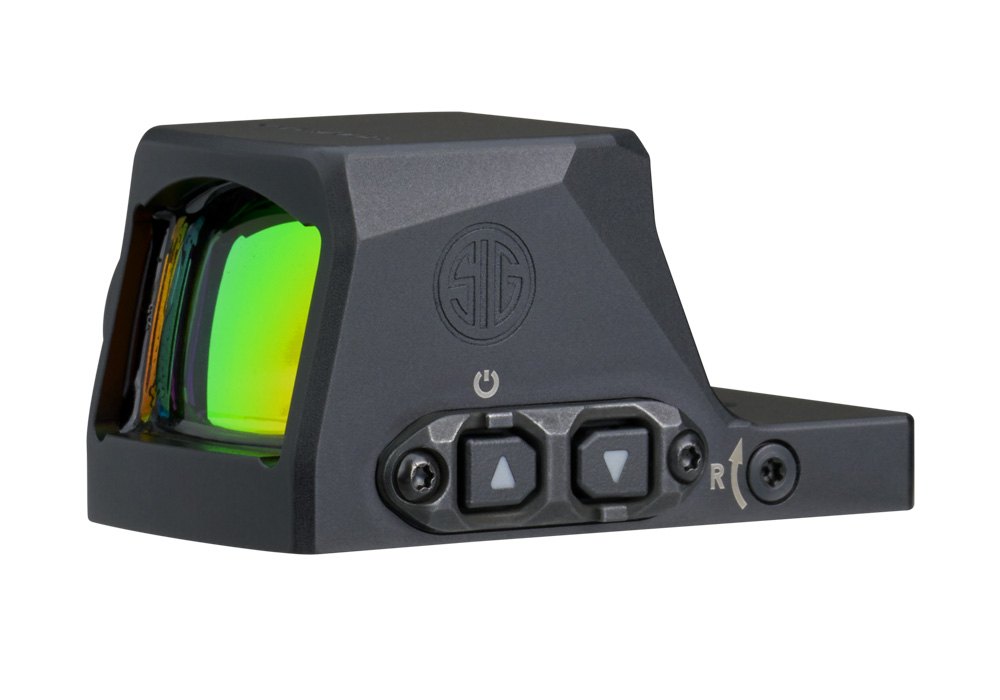
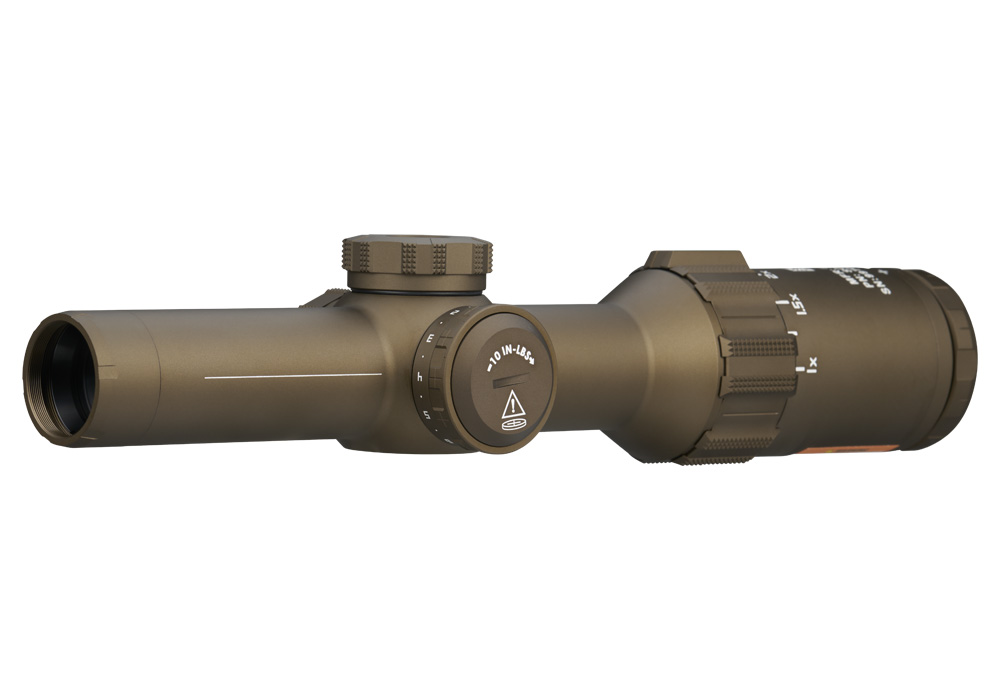
Field-ready shooting optics bring together a clear sight picture, a durable housing, and controls that remain practical away from the shooting bench. The category includes magnified riflescopes, red dot sights, and other sighting systems intended for hunting, recreational shooting, and organized competition. Their defining quality is not simply greater magnification or a longer feature list, but dependable performance through transport, repeated recoil, and regular outdoor use. A hunter carrying a rifle along a narrow trail may value low weight and an uncluttered reticle, while a target shooter working across several distances may prefer more magnification and clearly indexed adjustments. Both benefit from glass that preserves detail and contrast, especially when a dark target sits against a shaded background. Lens coatings can improve light transmission and reduce reflections, although overall image quality also depends on optical design, glass quality, and internal light management. Sharpness near the edges, comfortable eye relief, and an easy-to-find viewing position all contribute to an optic that feels natural rather than demanding. Red dot sights generally emphasize a simple aiming reference and an open view of the surroundings; magnified scopes offer a closer look at distant targets and more options for evaluating detail. Neither approach is universally better. The right balance depends on the firearm, the intended activity, and how much size and weight the shooter wants to carry. For a broader look at related sighting options, Outdoor Shooting Optics provides a useful companion category. Across these types, field readiness is best understood as a combination of optical clarity, secure fit, appropriate recoil resistance, and straightforward operation. Published specifications matter, but so does the experience behind the optic: whether the image appears readily from a normal shooting position, whether the reticle remains readable against varied backgrounds, and whether the controls offer enough definition to operate without unnecessary distraction. Those everyday details often distinguish equipment that is merely feature-rich from equipment that suits its intended purpose.
Construction and mounting compatibility deserve as much attention as the view through the lens. Aluminum housings are common because they offer a useful balance of strength and weight, while protective surface finishes help resist abrasion from routine handling. Material alone does not establish durability; housing design, lens retention, adjustment mechanisms, and the manufacturer’s stated testing all contribute to the complete system. Recoil ratings should suit the intended firearm, and claims about sealing or impact resistance should be checked against the published specifications rather than inferred from appearance. Sealed construction and internal gas purging can help protect the optical system and limit internal fogging, but they do not eliminate the need for sensible care. Fit is equally specific. A riflescope’s tube diameter must match its rings, and its objective housing needs suitable clearance without forcing an uncomfortable head position. For compact sights, the mounting footprint and any required interface must be compatible with the firearm or mounting platform. A familiar-looking screw pattern is not a substitute for confirmed compatibility. Eye relief, stock geometry, and mounting height influence whether a shooter can settle into a repeatable position without stretching forward or lifting away from the stock. Weight distribution also matters: a large optic can feel manageable on a supported target rifle yet cumbersome on a firearm carried for extended periods. Controls should match the same practical priorities. Capped adjustment turrets can help protect settings during handling, while exposed turrets may suit shooters who regularly adjust for different target distances. Where present, a zero-stop mechanism provides a reference for returning the elevation adjustment to an established setting; its operation and limits vary by design. Distinct clicks, legible markings, and consistent adjustment response are more meaningful than an aggressive exterior. Lens covers can protect exposed glass during transport, and a suitable case helps keep the optic from rubbing against other equipment. Together, these considerations support a sighting system that remains comfortable to carry, compatible with its host firearm, and manageable through repeated use.
Reticle design, magnification range, and maintenance shape the longer-term experience of owning field-ready shooting optics. A straightforward reticle can keep the view uncluttered for general range sessions or hunting, while graduated markings provide additional reference points for experienced shooters who understand the system. In a first focal plane scope, the reticle changes apparent size as magnification changes, maintaining its relationship to the target throughout the zoom range. In a second focal plane scope, the reticle’s apparent size stays consistent, and the stated measurement values generally apply at a designated magnification. This distinction matters more than the label alone: fine markings should remain visible at the settings a shooter actually uses, and heavier elements should not obscure the detail needed for the activity. Illumination can improve reticle visibility against certain backgrounds, but brightness should offer useful adjustment rather than overwhelm the sight picture. For electronic sights, battery type, stated runtime, control layout, and power-management features are practical ownership considerations. Magnification also involves tradeoffs. More power can reveal smaller target details, yet it typically narrows the field of view and can make a steady viewing position more demanding. A generous viewing window at moderate magnification may be more useful than maximum power that rarely leaves its lowest setting. Care should protect these optical and mechanical qualities without adding unnecessary wear. Loose grit is best removed before wiping lenses, followed by optical cleaning materials recommended by the manufacturer. Household cleaners, abrasive cloths, and excessive pressure can damage coatings or push debris across the glass. Exterior inspection, appropriate battery care, and periodic attention to mounting hardware should follow the relevant manufacturer instructions, with compatibility or installation concerns directed to a qualified professional. These optics can also be thoughtful gifts for hunters, recreational shooters, and competition participants, provided the recipient’s firearm interface, preferred sighting style, and intended use are known. A well-chosen optic feels considered because it fits an established activity, not because it carries the most elaborate specifications. Clear glass, suitable dimensions, readable references, and dependable construction remain the qualities that make a sighting system useful over time.