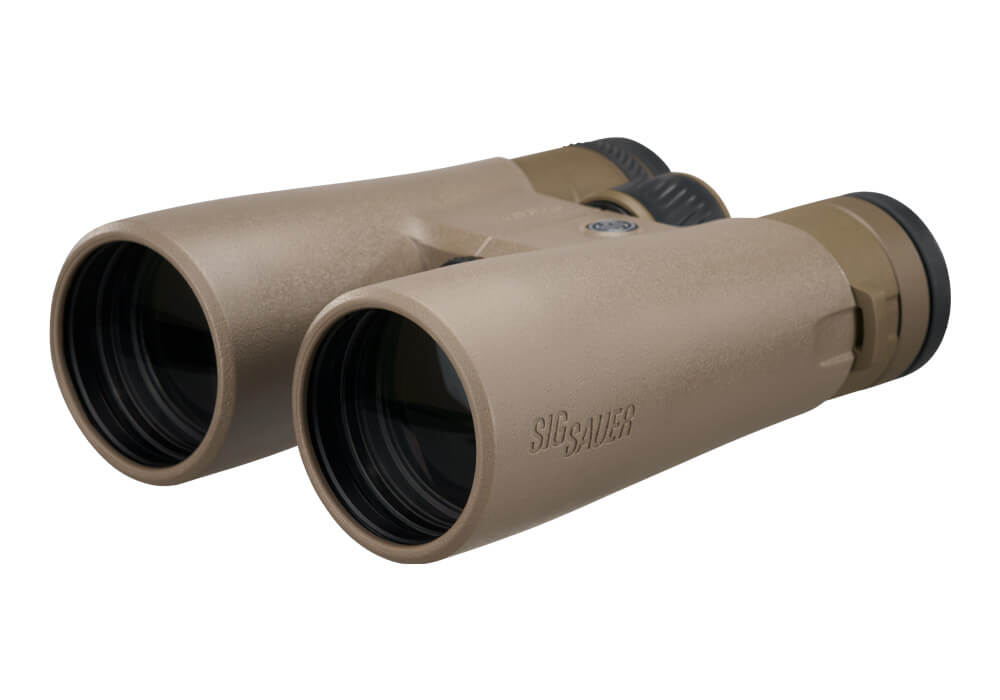
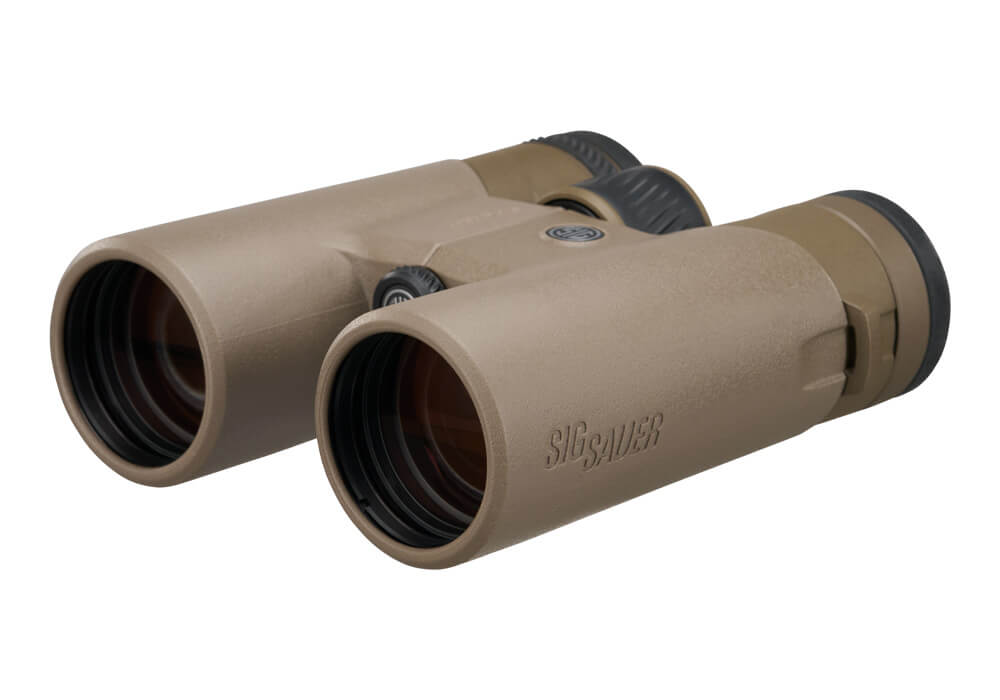
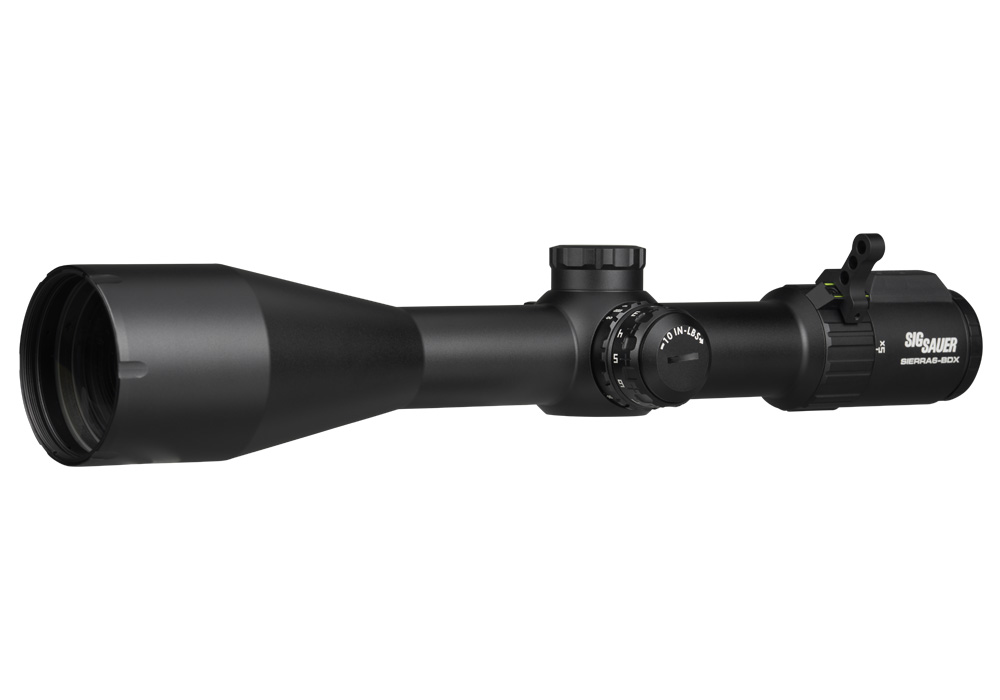
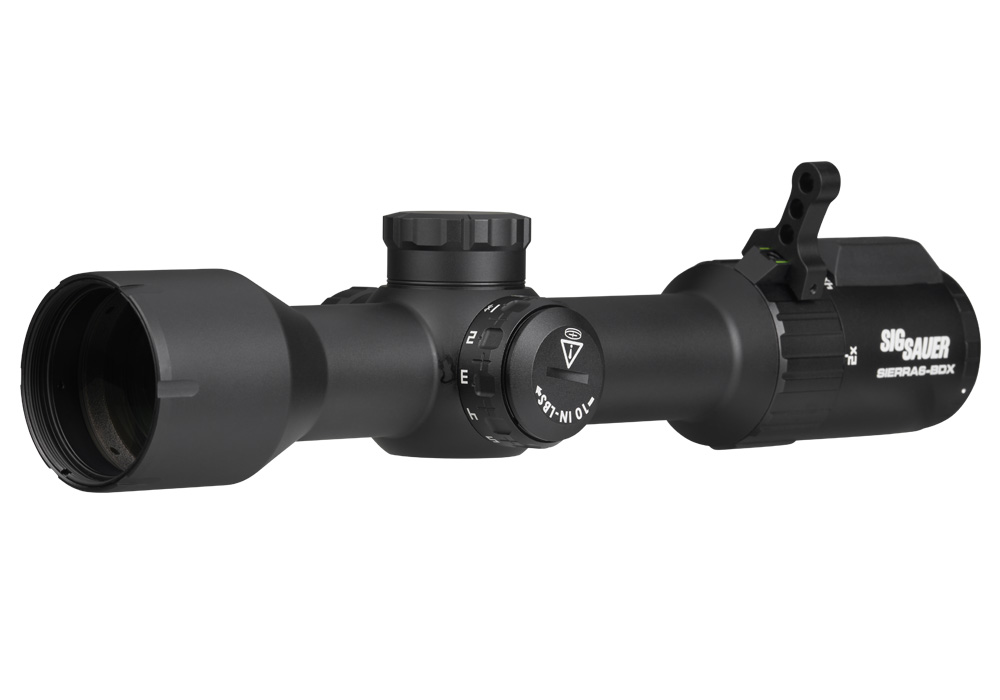
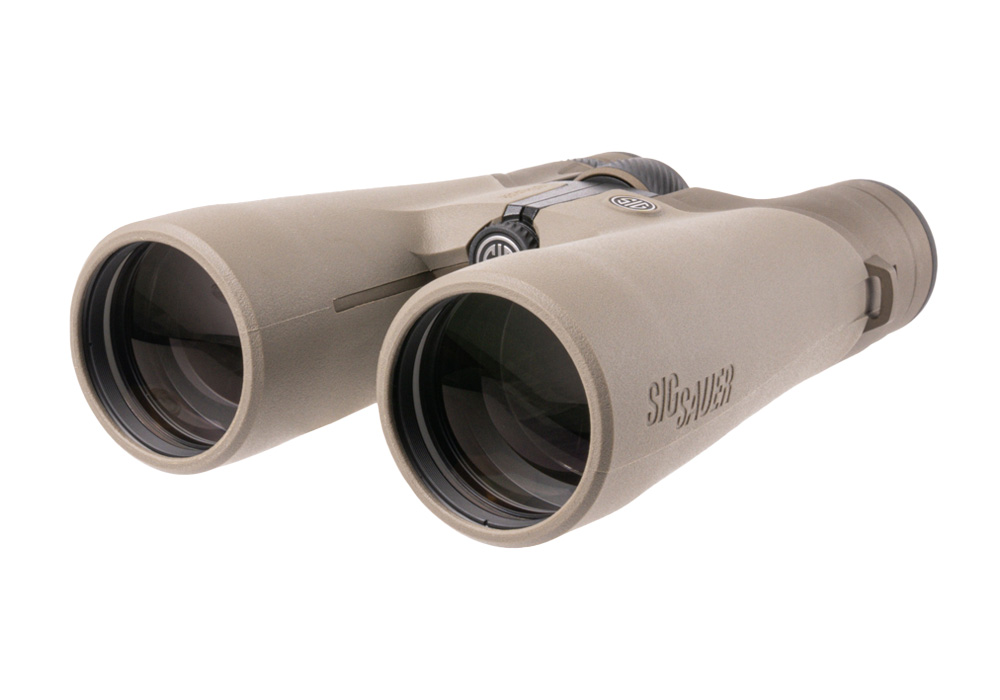
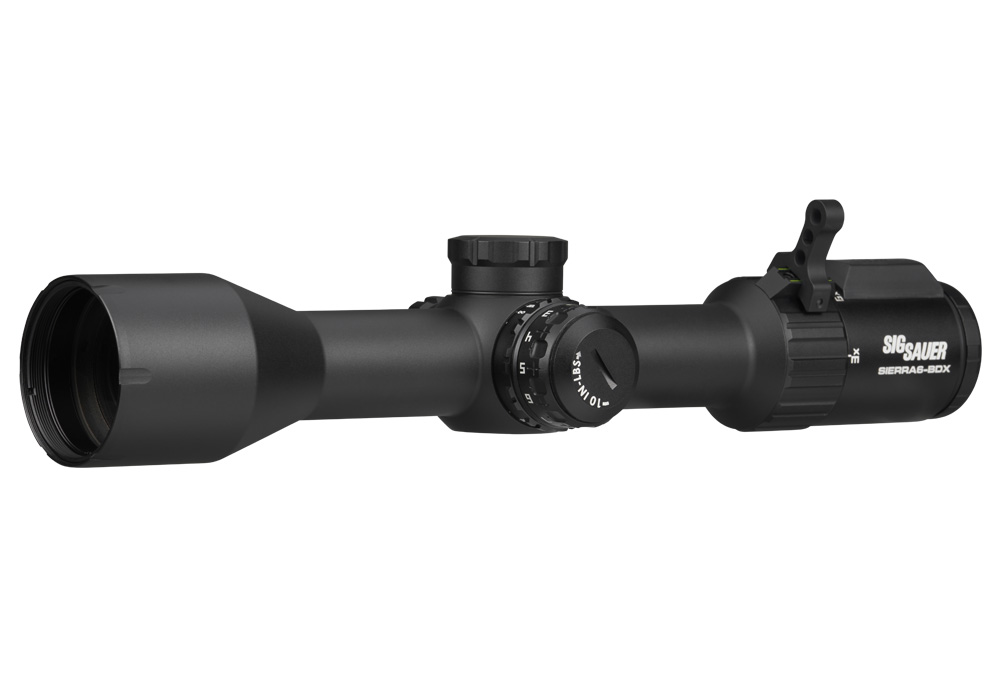
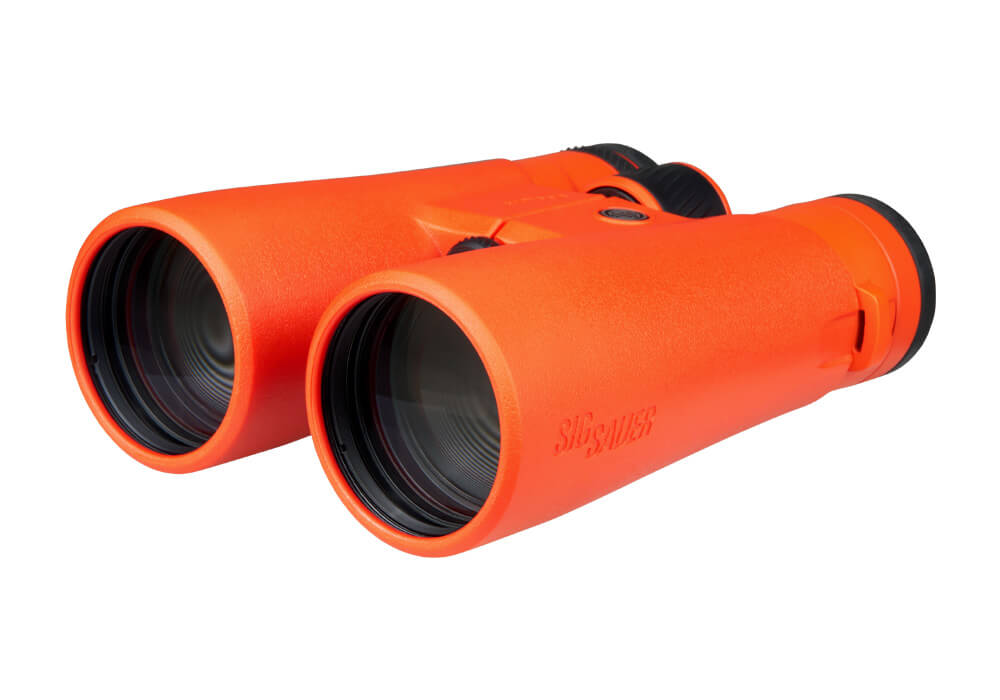
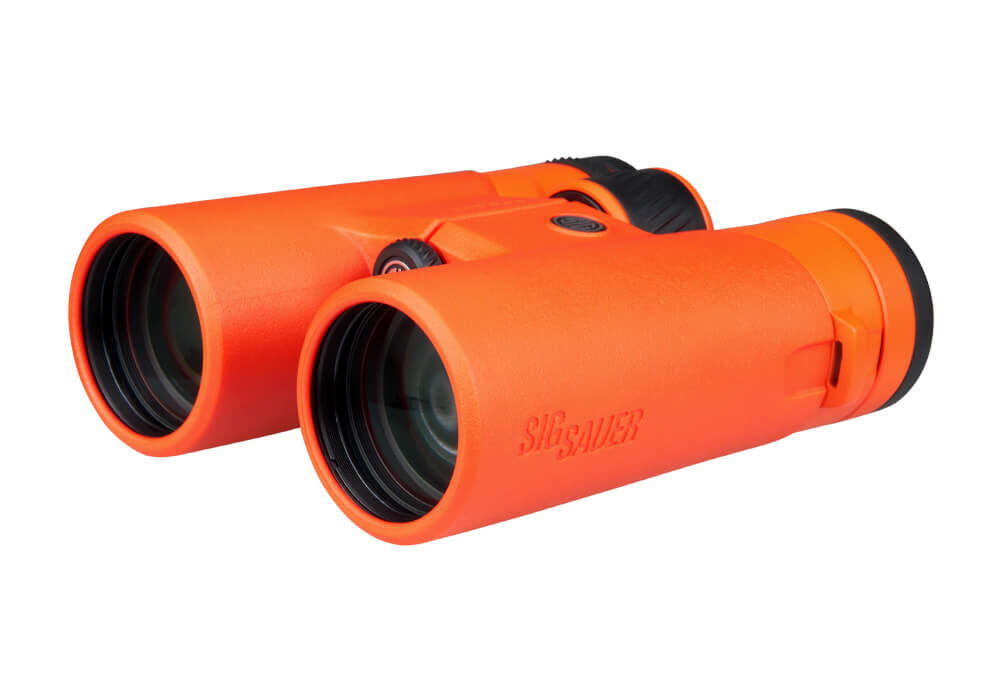
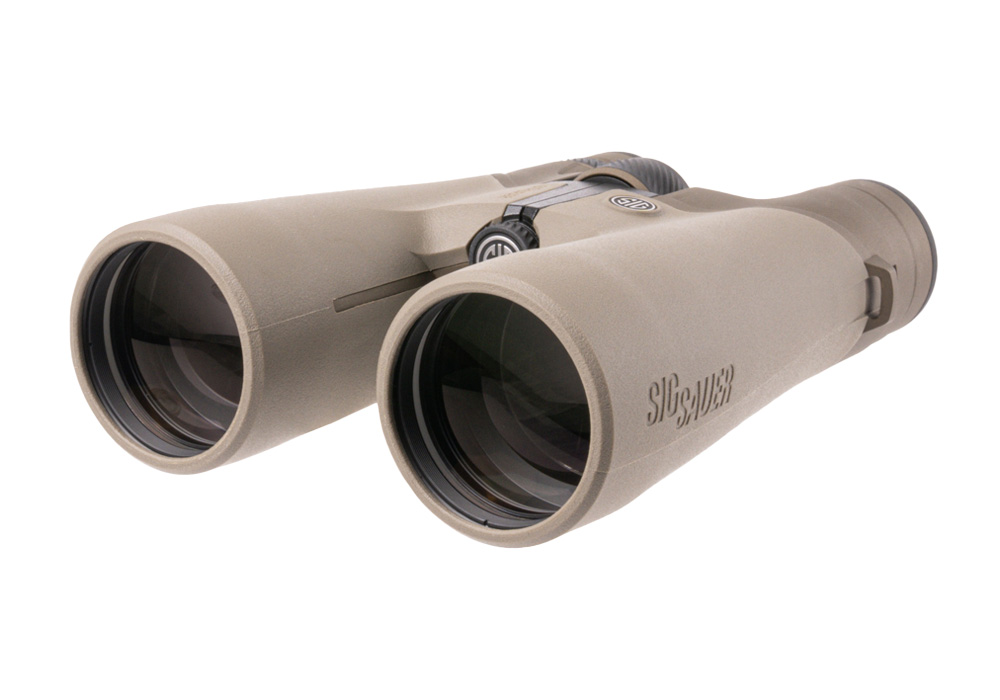
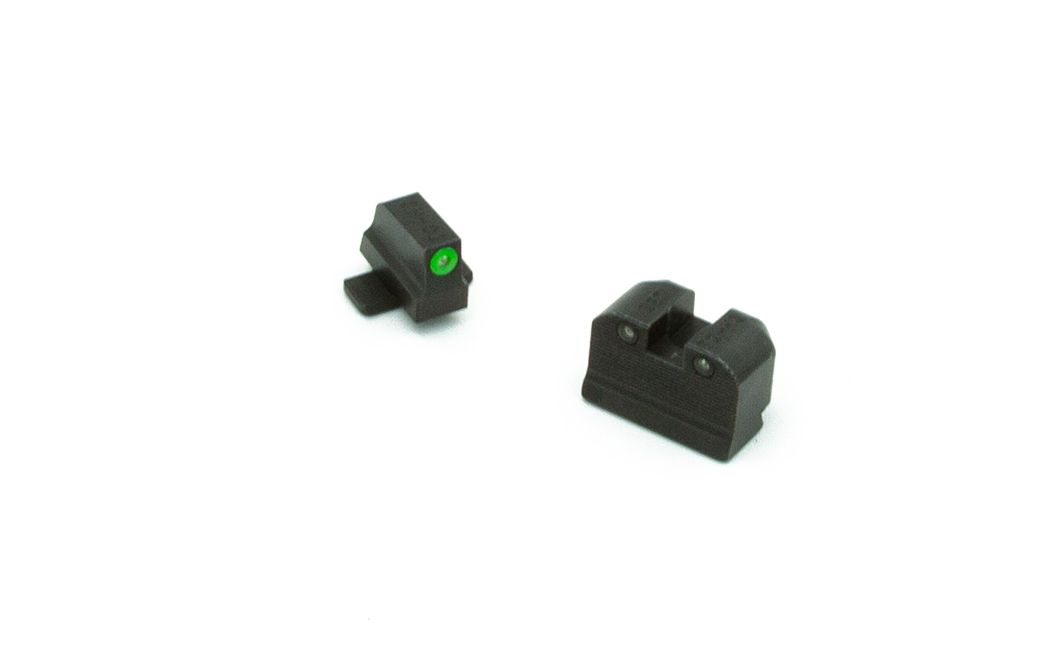
Outdoor optics bring greater detail, confidence, and awareness to time spent beyond the pavement. This broad category includes riflescopes for hunting and shooting, binoculars for scanning open country and observing wildlife, spotting scopes for evaluating distant terrain or targets, and thermal or night vision devices for viewing in darkness or reduced light. Each type serves a different purpose, and the best choice begins with considering how the optic will be used. A hunter moving through timber may value a compact binocular that is easy to carry and quick to bring to the eyes, while someone glassing across a broad valley may prefer greater magnification and a larger objective lens for improved detail. A riflescope should complement the firearm and ammunition, with attention to magnification range, reticle design, adjustment style, eye relief, and mounting compatibility. For target shooting, clear aiming references and repeatable adjustments can make it easier to observe groups and refine technique. For hunting, a generous field of view, dependable light transmission, and a rugged, weather-resistant housing can be especially useful when the landscape changes from open fields to dense cover. Exploring the full selection of Sporting Optics makes it easier to compare these configurations and find an optic suited to a particular rifle, activity, and environment.
Magnification is only one part of the viewing experience. Higher magnification can reveal detail at distance, but it may also narrow the field of view and make it more difficult to find a moving animal or follow a target without steady support. Lower magnification often feels faster and more natural for close or moderate distances. Objective diameter affects the amount of light an optic can gather, while lens coatings and glass quality influence contrast, color, and clarity, particularly during the first and last minutes of daylight. Eye relief deserves careful attention on a riflescope because it affects both comfort and safe positioning behind the firearm; binocular users should also consider weight, focus controls, balance, and whether the housing is comfortable to hold for extended periods. When selecting thermal imaging or night vision equipment, think about detection range, identification range, refresh rate, image presentation, battery life, onboard recording, and the conditions in which the device will be used. Thermal equipment detects differences in heat rather than relying on visible light, making it useful for locating warm objects against a cooler background in darkness, brush, or fading light. Night vision amplifies available light and can provide a more familiar view of shapes and terrain when ambient light is present. Neither replaces sound judgment, a clear understanding of the surroundings, or knowledge of applicable regulations. Before using any thermal or night vision device for hunting, wildlife observation, or property monitoring, review local laws and permissions, and remember that an optic should support responsible decision-making rather than encourage uncertain identification. Weather can also change the experience: fog, heavy rain, dust, and condensation may reduce clarity, so durable construction, sealed housings, reliable controls, and practical lens protection are valuable features during the cooler months and throughout changing outdoor conditions.
Outdoor optics can become trusted companions for a wide range of people. A new hunter may appreciate binoculars that simplify the process of locating game and studying a hillside before moving, while an experienced hunter may be searching for a lighter setup that reduces fatigue during a long day in the field. Recreational shooters can use riflescopes to observe impacts, work on fundamentals, and make more informed adjustments at the range. Birders, hikers, and wildlife enthusiasts often benefit from compact binoculars or a spotting scope that brings distant wings, antlers, or movement into sharper view without disturbing the scene. For families who spend time outdoors, a well-chosen optic can turn a quiet walk into a shared lesson in tracks, habitat, and animal behavior. These products can also make thoughtful gifts for someone preparing for a first hunting season, building a range setup, planning a backcountry trip, or simply developing an interest in observing the natural world. A few practical details help narrow the options: consider whether the recipient prefers a lightweight setup, routinely views subjects at long distance, needs an optic for low-light use, or will carry it through wet and uneven terrain. It is also wise to account for mounting hardware, protective cases, straps, tripods, and spare batteries where applicable. During early fall outings, changing foliage and softer daylight can make contrast and low-light performance noticeable, while during colder weather, glove-friendly controls, fog resistance, and dependable battery management become increasingly important. With the right combination of clarity, durability, ergonomics, and purpose-built features, outdoor optics help users spend less time fighting their equipment and more time paying attention to the landscape, the target, or the wildlife moving quietly through it.