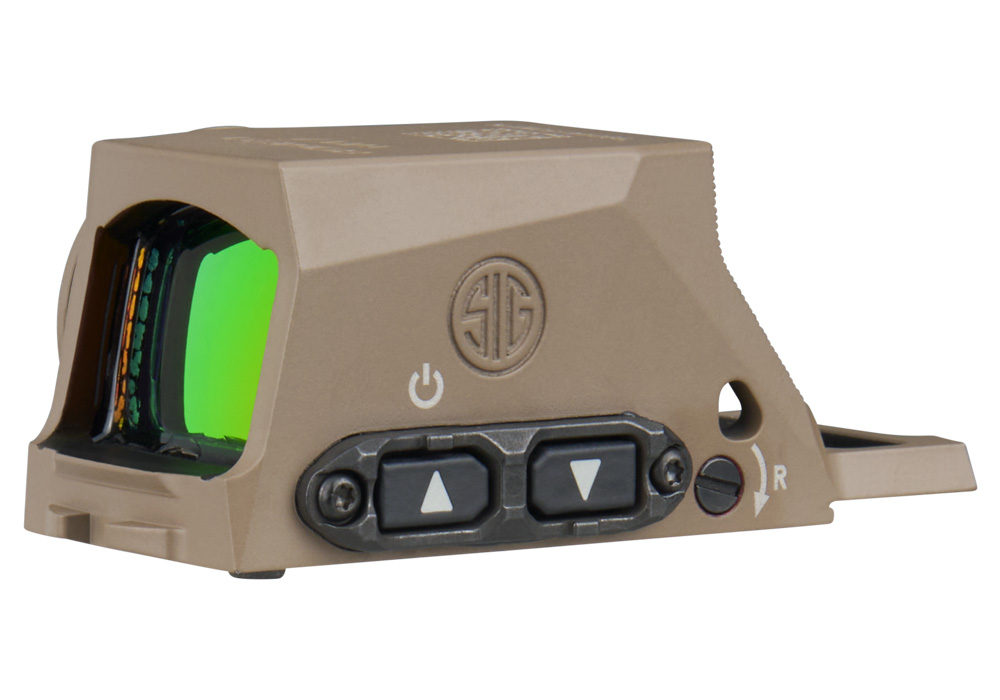
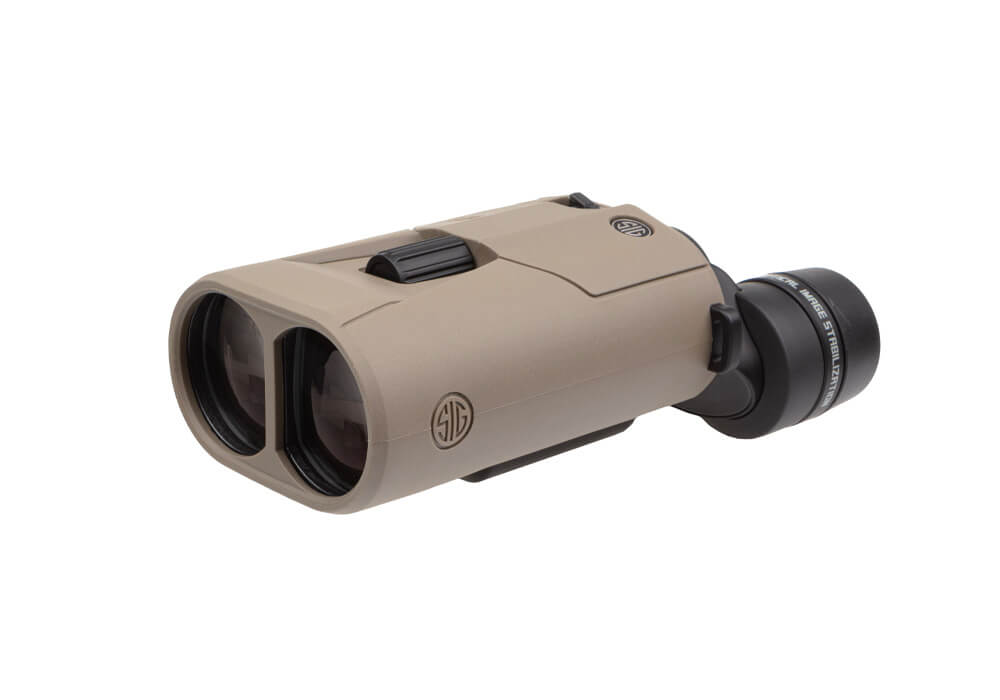
Sporting optics bring distant detail into clear view for hunters, target shooters, birders, wildlife observers, and anyone who spends time outdoors. The right optic can turn a dim shape at the edge of a meadow into a recognizable animal, reveal the texture of distant terrain, or help a shooter maintain a precise sight picture at the range. This category includes riflescopes, binoculars, spotting scopes, rangefinders, and supporting accessories, with options suited to everything from casual weekend outings to demanding field use. When comparing products, begin with the activity, typical viewing distance, available light, and the amount of equipment you are comfortable carrying. Compact binoculars are convenient for hiking and general observation, while full-size models with 42mm or 50mm objective lenses can gather more light during the early morning, late afternoon, and overcast conditions often encountered during the cooler months. An 8x magnification generally provides a broad, steady field of view that works well for scanning woods and open country, while 10x magnification offers more detail across longer distances when a steady grip or support is available. Optical glass and coatings also matter. Extra-low-dispersion glass can improve color fidelity and reduce distracting color fringing around high-contrast edges, helping antlers, feathers, branches, and ridgelines appear more natural. A weather-sealed housing, textured armor, and smooth focus mechanism add practical value when gear is handled with cold hands, set down on damp ground, or carried through brush. For shoppers exploring the wider range of viewing equipment, the Outdoor Optics collection offers a useful place to compare formats and features according to the way the optic will be used.
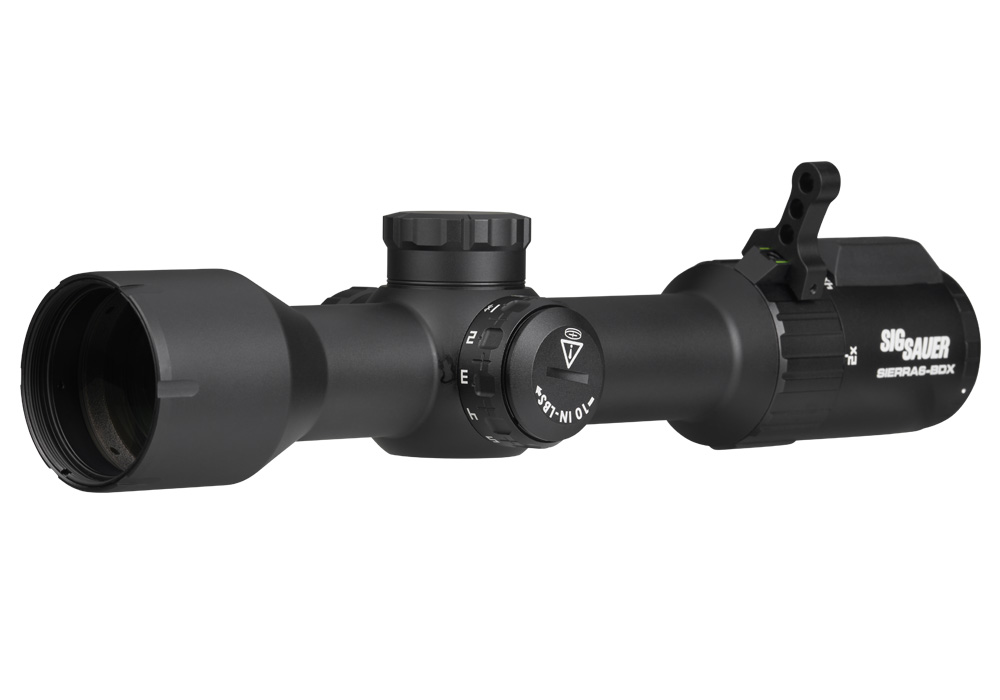
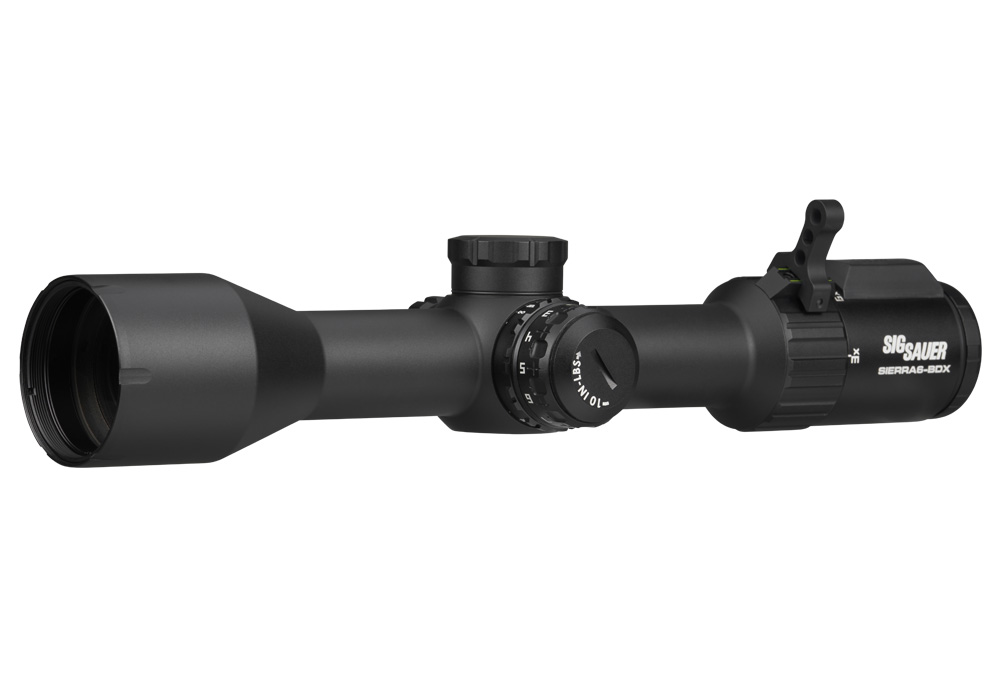
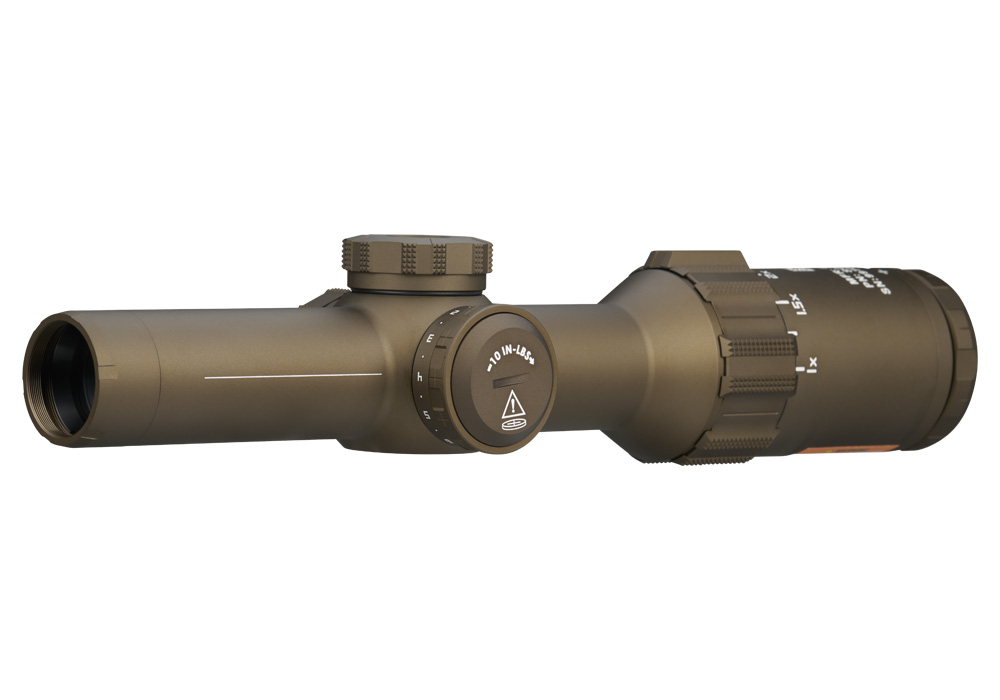
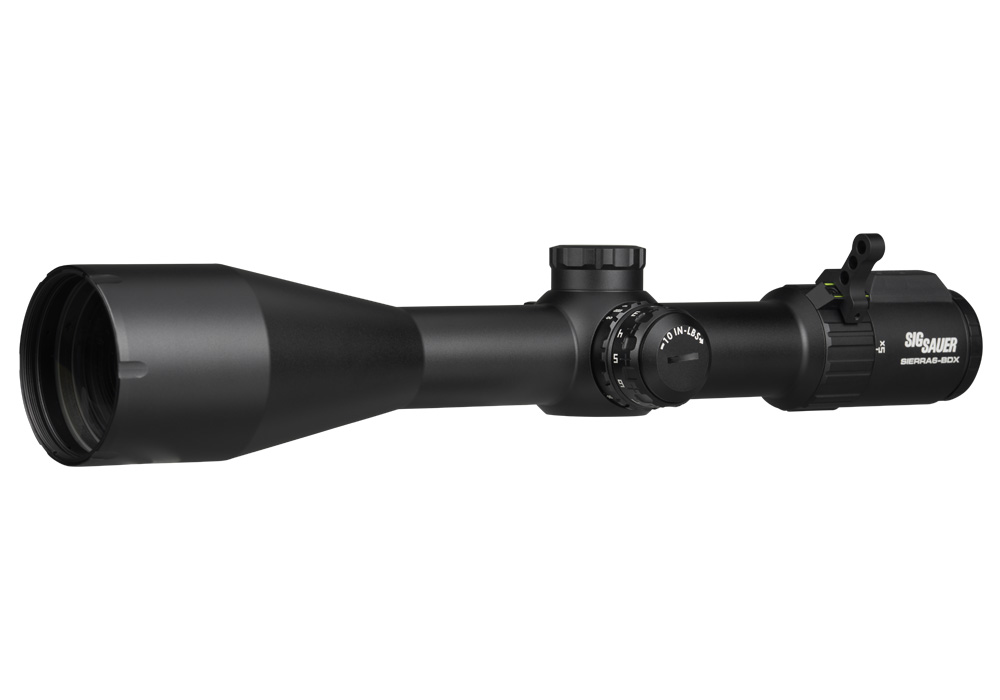
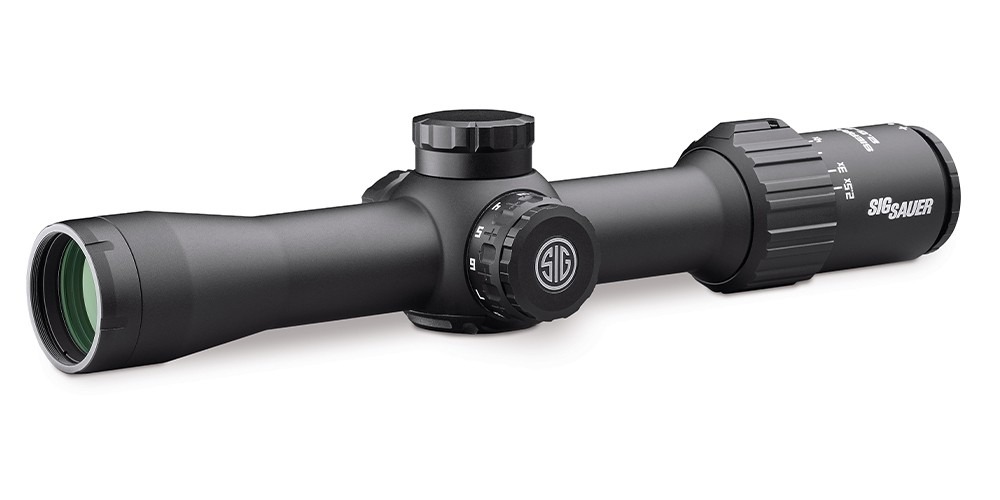
Riflescopes are selected differently from binoculars because magnification, reticle design, adjustment controls, and mounting dimensions all influence how naturally the optic works with a rifle and the intended shooting environment. A lower magnification range can provide a generous field of view for close and moderate distances, making it easier to locate a moving subject or follow changing terrain. A wider magnification range can be useful when one optic must cover varied distances, from wooded trails to open fields, but additional magnification may add weight and require more deliberate support. Parallax adjustment can help refine the sight picture at changing distances, while dependable turrets with positive, repeatable clicks are valuable for shooters who make careful adjustments at the range or in the field. Reticle placement is another important consideration: a first-focal-plane reticle changes apparent size with magnification and can support consistent hold references, while a second-focal-plane reticle remains visually familiar as magnification changes. Illuminated reticles may improve visibility against a dark or cluttered background, particularly during the softer light of dawn and dusk, though brightness controls should be easy to use without losing a clear view. A durable scope should also tolerate recoil, temperature changes, and the inevitable bumps that come with outdoor use. Mounting height, tube diameter, eye relief, and compatibility with existing rings or bases deserve attention before purchase. For long-distance precision, shoppers often prioritize strong adjustment range, a fine reticle, reliable parallax control, and excellent edge-to-edge sharpness. For general hunting or recreational shooting, a lighter design, forgiving eye relief, and a simple illuminated aiming point may be more useful than the most extensive feature set. These details help match an optic to real conditions rather than choosing based on magnification alone.
Spotting scopes occupy a useful middle ground between binoculars and riflescopes, delivering greater magnification for identifying distant wildlife, reading terrain, observing impacts at a shooting range, or studying birds without approaching their habitat. Straight-body designs are quick to point and convenient when viewing from a standing position or moving between locations, while angled designs can be more comfortable for extended sessions and easier to share among observers of different heights. Because higher magnification also magnifies hand movement, a stable tripod is usually an essential part of the setup. A generous objective lens can improve brightness in low light, but it may increase overall size and weight, so hikers and backcountry hunters often balance optical performance against pack space. Premium glass, including extra-low-dispersion or fluorite-based elements, can produce impressive clarity, contrast, and color separation, while more accessible models can still provide a sharp, useful view for scouting, range work, and nature observation. Binoculars make thoughtful gifts for birders, families building an outdoor kit, landowners, and travelers who enjoy pausing at a scenic overlook to examine distant wildlife. A compact optic may suit a young observer or casual hiker, whereas a full-size binocular or tripod-ready spotting scope is better for someone who regularly spends long hours glassing. During the transition from warm days to cooler weather, clear optics and comfortable controls make it easier to stay outside as light changes and conditions become less predictable. Protective cases, lens covers, cleaning kits, harnesses, tripods, and mounting adapters can also extend the usefulness of a new optic. Whether the goal is following a flight of waterfowl across a marsh, checking a distant ridgeline before moving through the field, or studying paper targets from the firing line, the best sporting optic combines clear glass with practical ergonomics, dependable construction, and features that support the user’s actual outdoor routine.