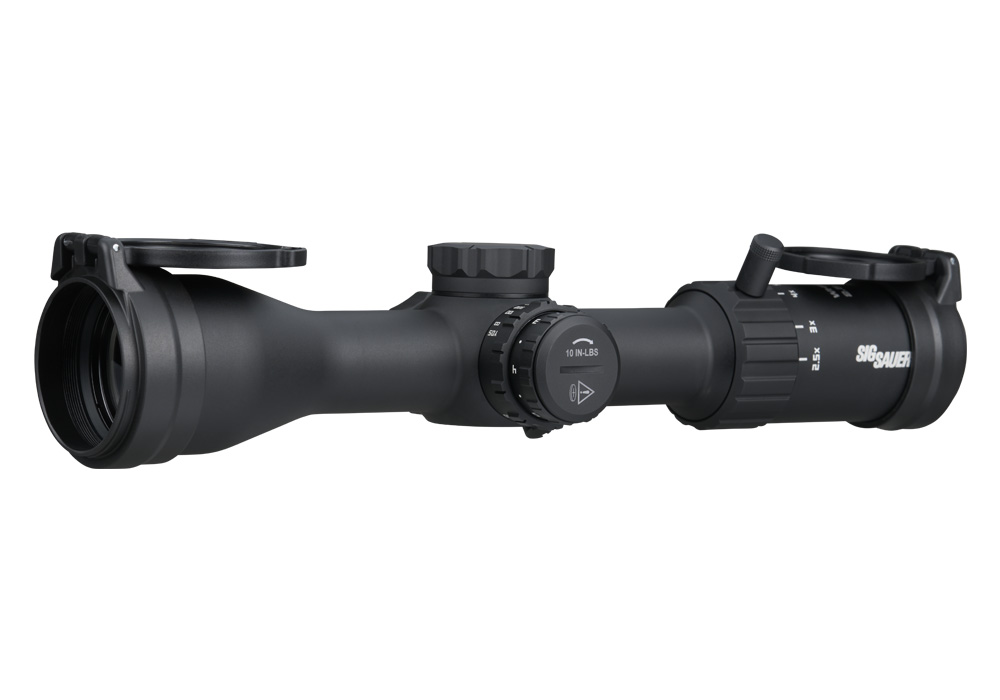
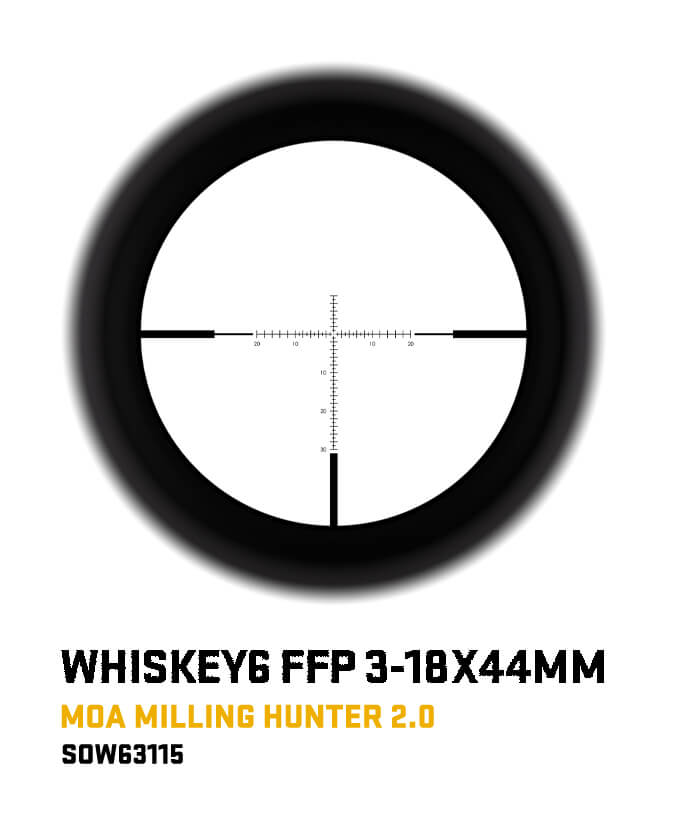
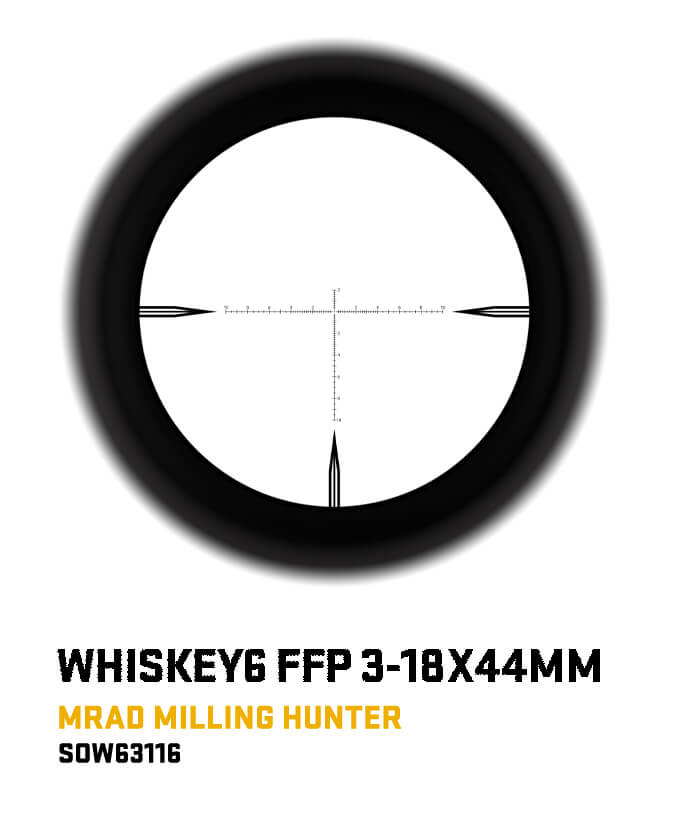
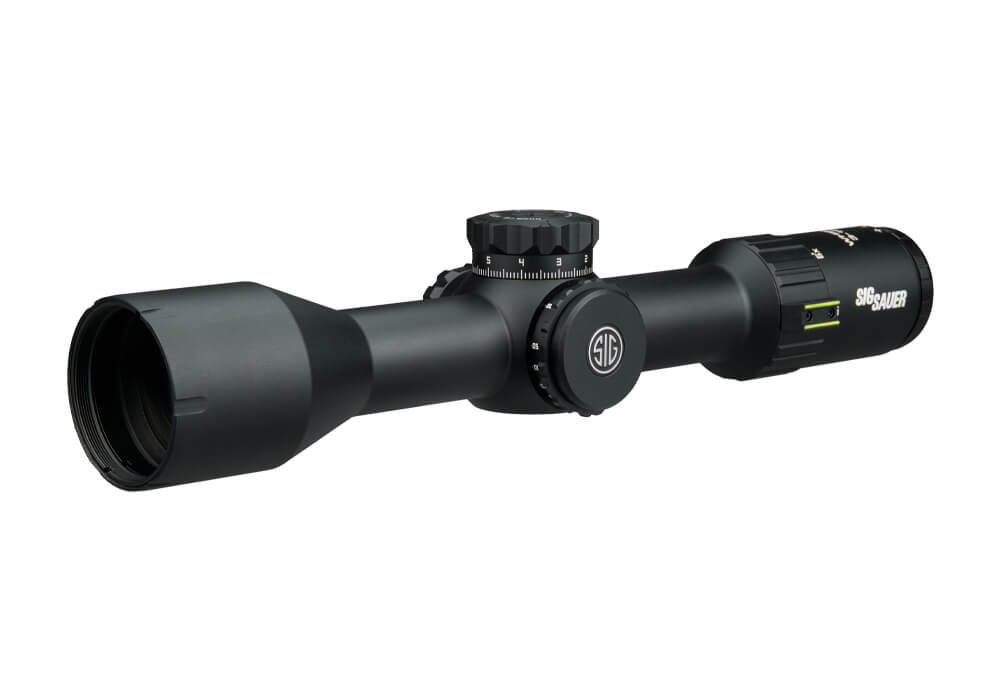
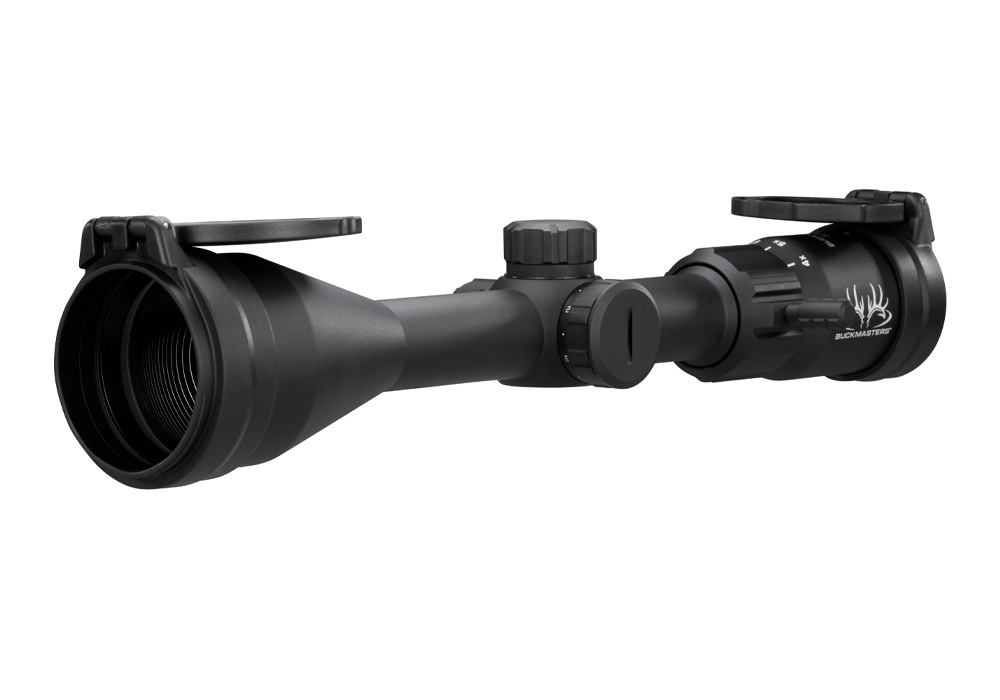
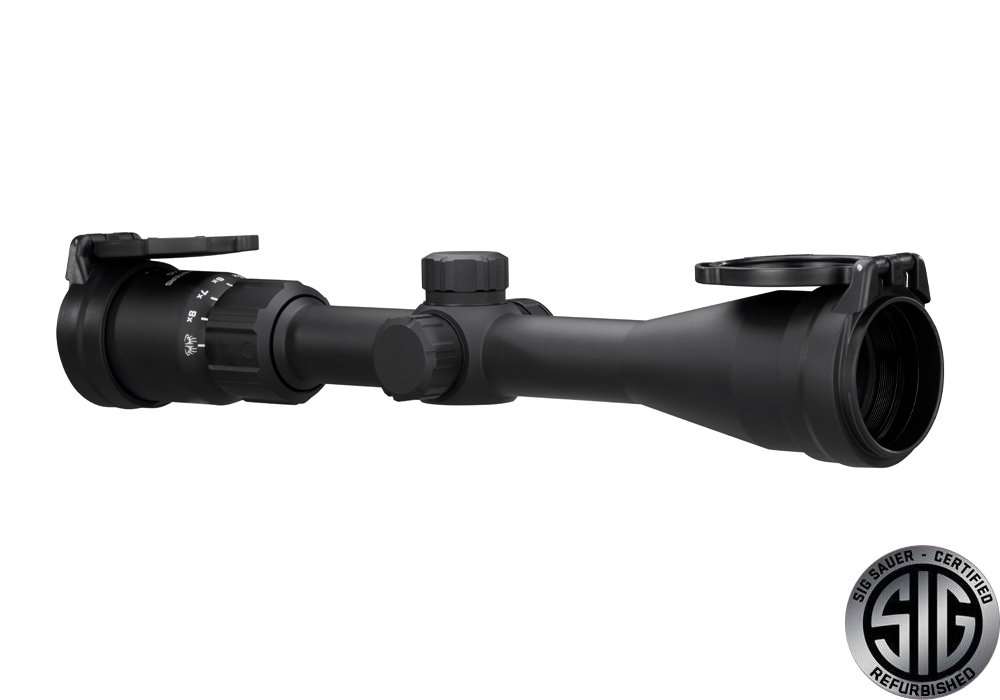
Hunting optics gear helps turn a fleeting glimpse into a clear, confident observation, whether you are following a trail through dense timber, glassing a distant slope, or watching a field edge in the soft light of dawn. The right combination may include binoculars for scanning, a riflescope for precise aiming, a spotting scope for extended-range observation, or a rangefinder for confirming distance before making a shot. Each optic serves a different purpose, and choosing well begins with matching the equipment to the terrain, game, and way you hunt. In thick woods, a compact riflescope with a practical 3-9x magnification range can offer a broad field of view at lower power while still providing useful detail when a clear lane opens. In open plains, foothills, or western country, a 3-15x scope may provide the additional magnification needed to evaluate animals across long basins and broken ridgelines. For binoculars, 8x magnification is often a steady, versatile choice for extended glassing, while higher magnification can reveal more detail at distance when used with stable support. Optical clarity matters most when the sun is low and contrast is limited. Extra-low dispersion glass can reduce chromatic aberration and help preserve fine detail around antlers, hair, and brush, while quality light transmission can make the difference between recognizing an animal and losing it in a gray backdrop. A useful setup should also feel natural in your hands and at your shoulder; an optic that adds unnecessary weight may be manageable for a short walk but tiring after a long climb with a pack, layers, and other gear. Consider eye relief, field of view, reticle style, adjustment controls, and mounting compatibility alongside magnification. A simple, readable reticle can be especially helpful when a dark animal stands against shadowed timber, while an illuminated aiming point may improve visibility in dim conditions when permitted and appropriate for your application.
Hunting conditions are rarely as clean and predictable as a product description. Optics may be exposed to blowing dust on a dry ridge, wet brush during a morning stalk, freezing temperatures at a glassing point, or the repeated knocks that come from moving through steep country. Look for construction intended to handle those demands, including rugged housings, scratch-resistant armor coatings, O-ring watertight seals, and argon or nitrogen purging to help prevent internal fogging when temperatures change. Weather resistance protects more than the outside finish; it helps preserve a clear view when warm breath meets cold glass or when a sudden shower passes over camp. Lens coatings can improve contrast and reduce glare, but careful handling remains important. Keep lenses capped when the optic is not in use, use a blower before wiping away grit, and carry a soft lens cloth in a protected pocket rather than rubbing dust across the glass. A comfortable binocular harness or secure carry system can keep binoculars accessible without allowing them to swing against a pack or rifle. Spotting scopes and larger binoculars benefit from a stable tripod, particularly when comparing animals at distance or studying a hillside for several minutes at a time. A rangefinder can complement either setup by providing useful distance information, but it should be practiced with before the hunt so its controls are familiar in cold, low-light conditions. Mounts and rings deserve the same attention as the optic itself: proper height, secure fastening, and a level installation support dependable performance, while an awkward cheek position or inconsistent eye alignment can make even excellent glass feel difficult to use. Those building a versatile field system may also explore Hunting Battle Optics for optics suited to observation and aiming applications where durability, clarity, and practical controls matter.
Hunting optics gear can be selected as a complete setup or added one piece at a time as experience and hunting plans develop. A new hunter may appreciate a dependable pair of binoculars that makes it easier to scan before moving, identify tracks and terrain features, and spend more time observing without raising a rifle. For an experienced hunter, an upgraded riflescope, compact spotting scope, rangefinder, or set of protective accessories can be a thoughtful gift, especially when chosen around familiar terrain and pack preferences. Someone who hunts wooded whitetails may value a lightweight optic with a generous field of view, while a hunter preparing for open-country elk or mule deer may prioritize magnification, tripod compatibility, and fine detail at distance. Predator hunters often benefit from clear low-light performance and a reticle that remains visible against changing backgrounds, while those who spend long hours glassing may place greater emphasis on ergonomics, image comfort, and manageable weight. During the cooler months, simple details become more important: controls should be easy to operate with gloved hands, eyecups should adjust securely, and the optic should transition from a warm vehicle or cabin into cold air without distracting delays from fogging. Before purchasing, consider the entire system rather than one specification in isolation. Compare the optic’s size and weight with the distance you typically travel, the magnification with the realistic ranges of your terrain, and the performance features with the amount of time you spend hunting near dawn or dusk. Confirm that mounting components fit the selected optic and firearm, and allow time to sight in, check eye relief, practice adjustments, and verify how the reticle appears from common shooting positions. The best hunting optics gear is the equipment you can carry comfortably, operate without hesitation, and trust to present a clean, honest view when the landscape is quiet and the opportunity lasts only a few seconds.