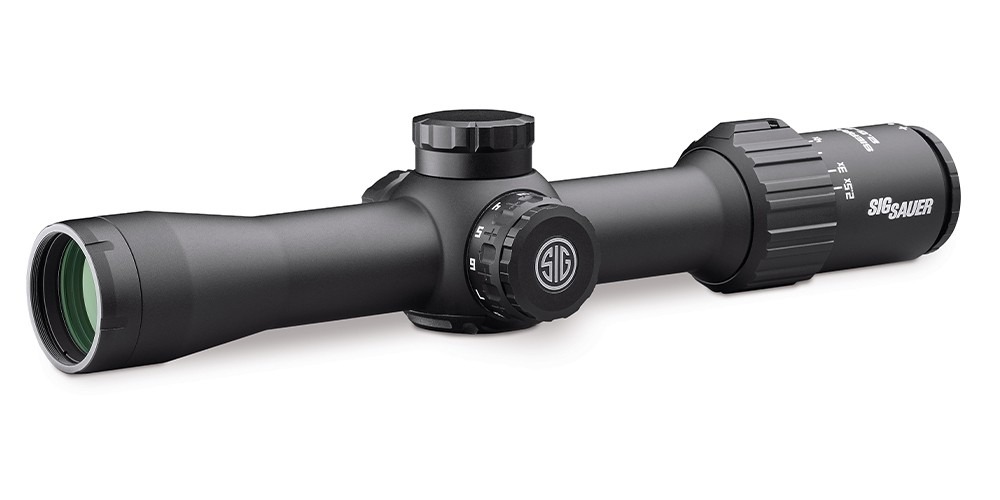
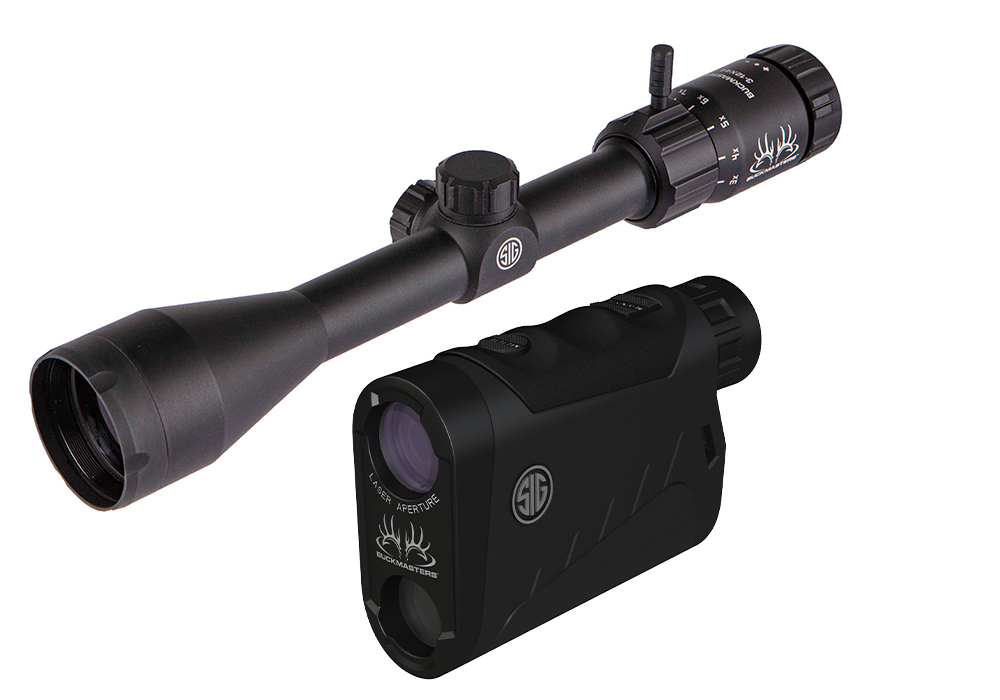
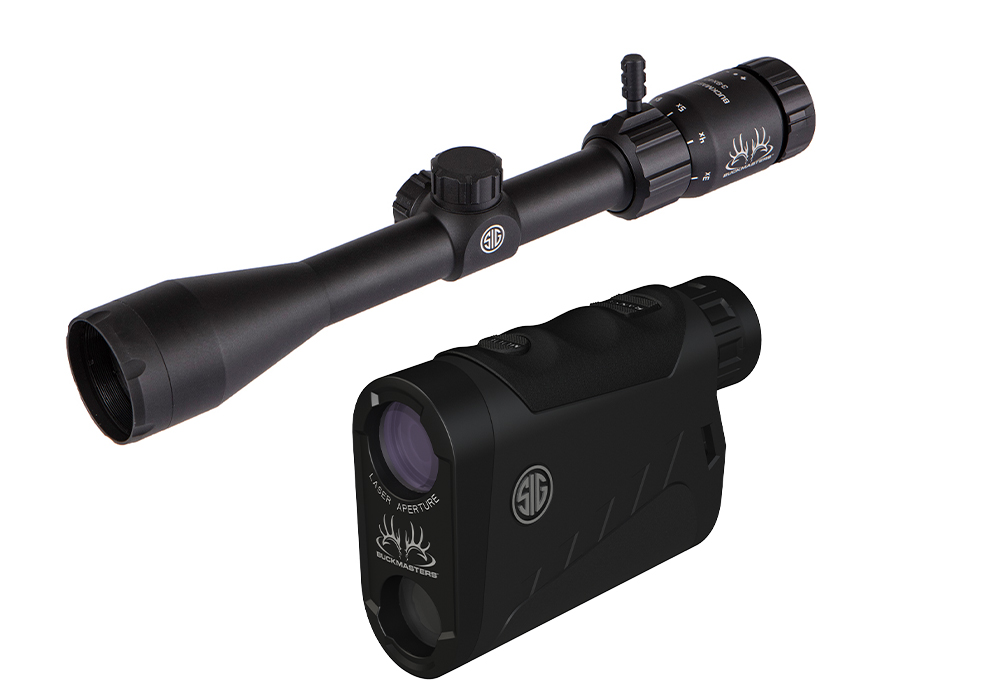
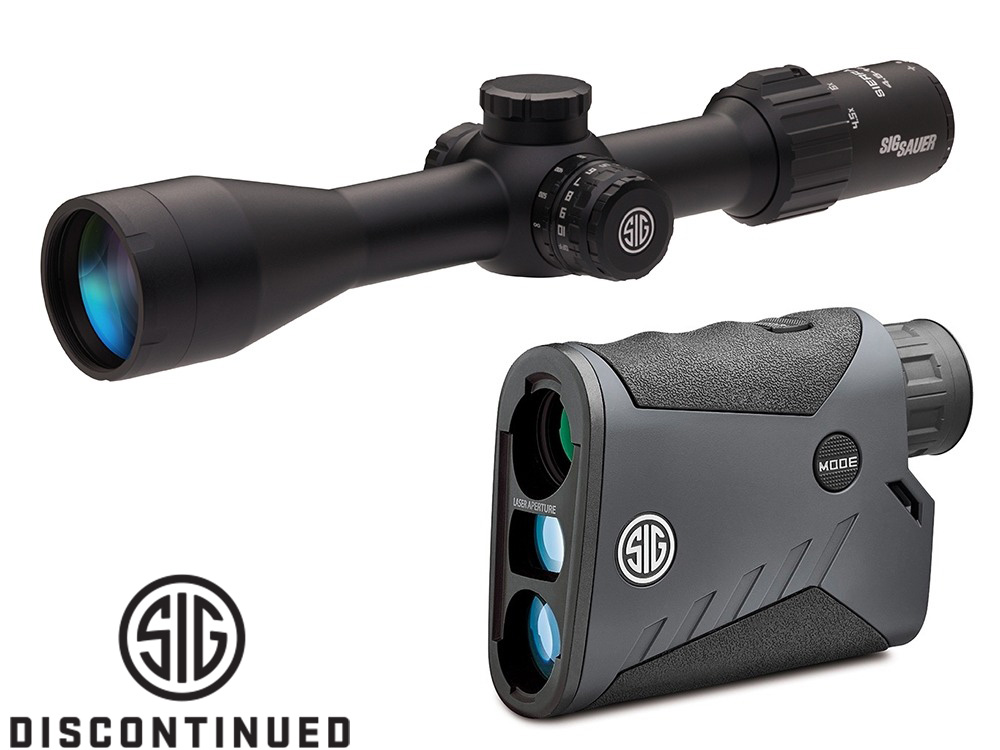
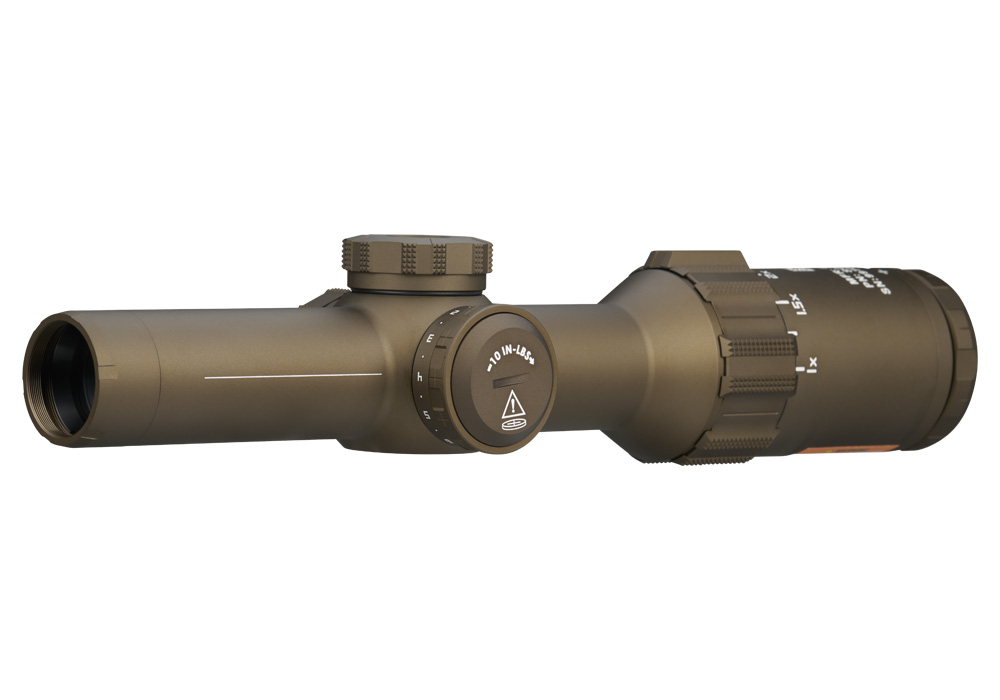
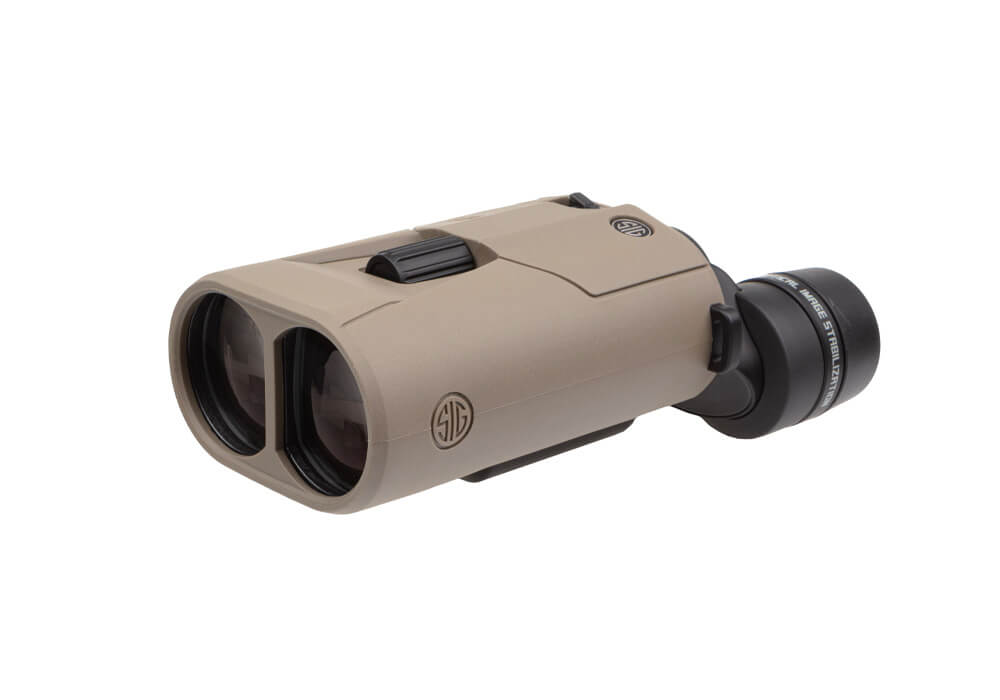
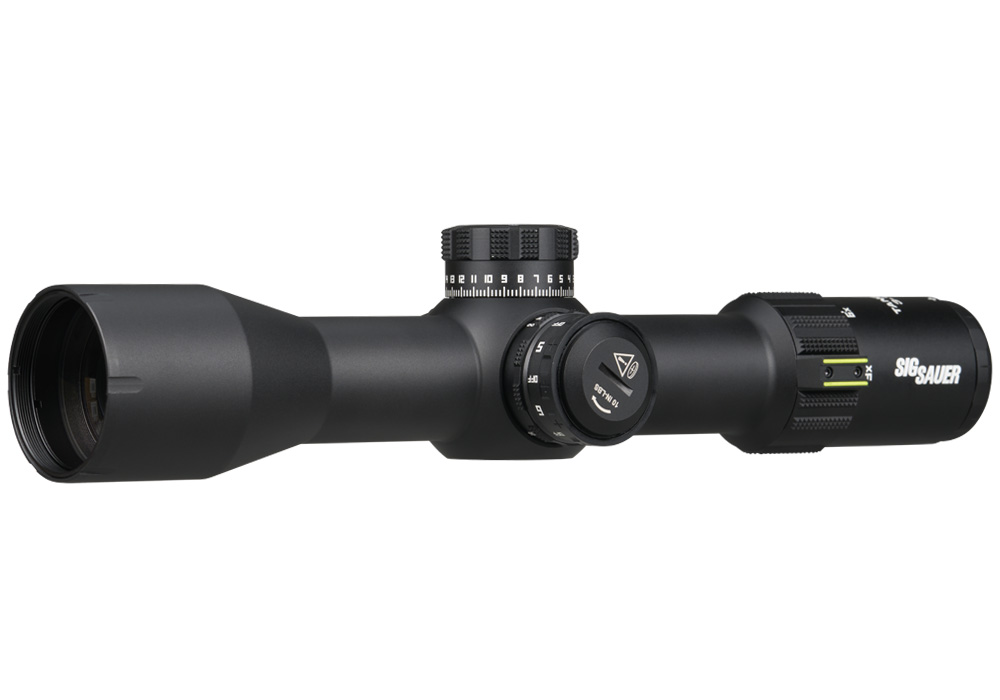
Hunting season optics packages bring several essential tools together for clearer observation, more confident ranging, and better preparation in the field. Depending on the configuration, a package may include a riflescope, binoculars, a rangefinder, a spotting scope, a tripod, or practical accessories such as lens covers and mounting hardware. The right combination depends on the game, terrain, shooting distance, and time of day. A hunter moving quietly through thick timber may value a compact variable riflescope with a generous field of view, while someone glassing open ridgelines may benefit from higher-magnification binoculars or a spotting scope supported by a steady tripod. In mixed terrain, a balanced setup can be especially useful: binoculars for scanning brush and distant slopes, a riflescope for precise aiming after a legal target has been identified, and a rangefinder for confirming distance before making any shot. These tools are not substitutes for sound judgment, ethical hunting practices, or familiarity with a firearm; they are instruments that help a prepared hunter observe carefully, understand the landscape, and make informed decisions. Packages are also a practical way to organize equipment before the cooler months bring early starts, long hikes, and changing light. Instead of discovering at the trailhead that a critical accessory is missing, hunters can begin with a coordinated group of optics selected for the demands of the hunt.
Optical performance matters most when the landscape is quiet and the light is fading. Look for clear glass with strong contrast, useful edge-to-edge resolution, and coatings designed to manage glare and reflections. Extra-low-dispersion glass can help maintain sharp detail and natural color, particularly when studying distant animals against shadowed timber or sunlit grass. Magnification should match the environment rather than simply being as high as possible. More power can reveal detail across open country, but it can also narrow the field of view and make it harder to locate moving game. A moderate variable riflescope is often versatile for woodland and mixed-terrain hunts, while a higher-magnification configuration may suit open western landscapes where animals are spotted from extended distances. Binoculars in a compact format are easy to carry during a full day of walking; larger objectives may gather more light but add weight and bulk. Rangefinding binoculars can combine two field tasks in one housing, which may appeal to hunters who prefer a streamlined pack. For extended glassing sessions, a tripod-compatible spotting scope can reduce fatigue and make it easier to study antler structure, animal movement, or distant terrain without constantly shifting position. Weather resistance is equally important. Waterproof, fogproof, and shock-resistant housing helps optics remain dependable when a clear morning turns into cold rain, when condensation forms after moving between temperature zones, or when equipment receives the ordinary bumps of a day outdoors. Check eye relief, focus controls, reticle style, battery access, and mounting compatibility before selecting a package, and confirm that the included components work together without adding unnecessary weight.
These packages can serve hunters across a wide range of experience levels, from someone preparing for a first deer season to an experienced backcountry hunter refining a carefully chosen kit. They can also make thoughtful gifts for a parent, partner, adult child, or hunting companion, especially when the recipient spends long hours scouting and appreciates equipment that has a clear purpose in the field. A gift does not need to be limited to a single hunt. Quality binoculars can be used for scouting, wildlife observation, and range days, while a durable riflescope can support practice and responsible field use for years. When choosing a package for someone else, consider the type of hunting they enjoy, whether they travel on foot or from a vehicle, and how much equipment they are comfortable carrying. A hunter who spends dawn in dense woods may prefer a lighter setup with quick target acquisition, while a western hunter who studies distant basins may prioritize optical resolution, magnification, and a stable tripod system. Predator and hog hunters may look for specialized low-light or digital viewing equipment where lawful, along with dependable controls that can be operated in darkness; all night-vision or thermal equipment should be used in accordance with applicable laws and regulations. Before heading afield, spend time mounting and leveling the riflescope, confirming eye relief, practicing with the reticle, checking rangefinder readings against known distances, and learning how the optics behave in low light. Wipe lenses with suitable materials, keep protective covers in place during travel, and carry spare batteries when electronic features are involved. A few quiet practice sessions at the range or on familiar ground can make the equipment feel natural when the terrain is unfamiliar and the first light of day reveals only fragments of the landscape. For shoppers selecting a useful present or building a more complete field kit, explore Hunting Optics Gifts alongside seasonal optics packages designed for observation, ranging, and precise aiming.