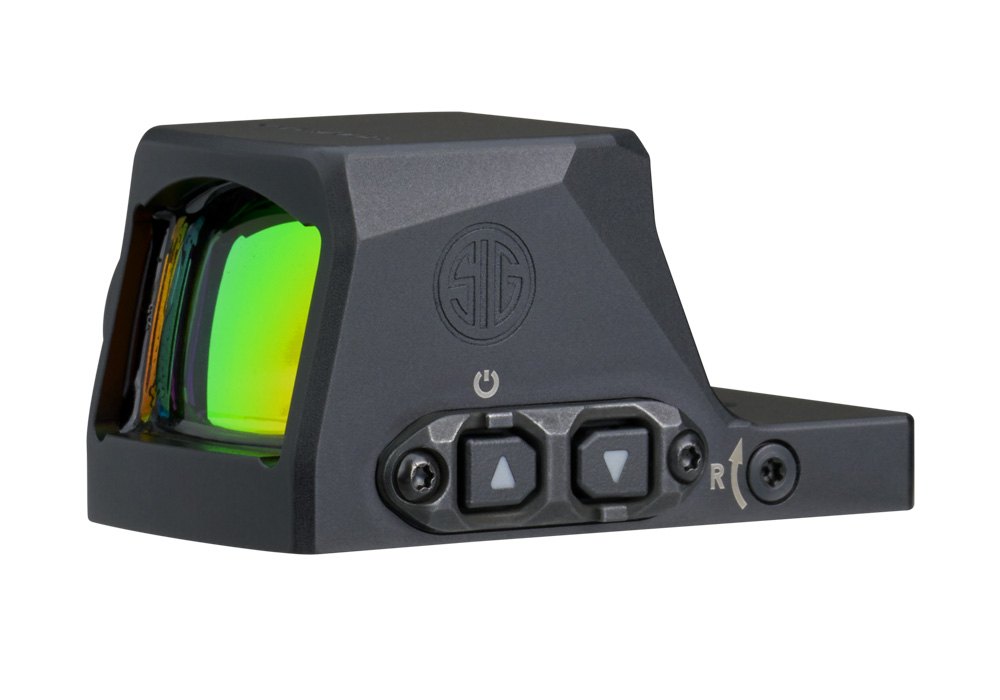
Hunting battle optics bring together two practical priorities: the clear, usable sight picture hunters need to evaluate game and the rugged construction associated with tactical rifle optics. Hunting-oriented scopes often emphasize manageable weight, useful magnification, and visibility in subdued light, while battle-oriented optics generally place greater emphasis on dependable zero retention, protected controls, and quick sight acquisition. The overlap suits rifles that serve more than one purpose, from time at the range to hunting in timber or across open terrain. Neither category has a single defining magnification range or housing style; the important distinction is how the optic’s features support its intended use. A hunter moving through dense cover may value a broad field of view and an uncluttered reticle more than substantial magnification. Someone observing game across a wide clearing may prefer additional magnification for a more detailed view, while still relying on binoculars or a spotting scope for general observation. Low-power variable optics offer a useful middle ground, combining a low setting for a wider view with higher settings for more deliberate observation and aiming. Models with ranges such as 1–6x or 1–8x illustrate this approach, although the quality of the sight picture at the lowest setting varies by design. Higher-magnification scopes serve different needs, particularly when fine visual detail matters more than a compact profile. Objective lens size also influences the overall package. A larger objective can provide a larger exit pupil at a given magnification, but diameter alone does not determine brightness or clarity. Glass quality, optical design, lens coatings, and magnification all contribute to what the eye actually sees. At dawn or dusk, a clean image with good contrast may be more useful than additional magnification that leaves the view dim or difficult to settle behind. Good optics support careful identification, but they do not replace a clear view of the animal, its surroundings, and what lies beyond it. The most suitable combination keeps the rifle comfortable to carry while providing the detail and aiming reference appropriate to the hunt.
Construction and fit matter just as much as the view through the lenses. Aluminum housings are common because they balance strength with reasonable weight, while protective finishes help resist surface wear from regular handling. Tube design, internal support, sealing, and adjustment mechanisms all contribute to durability; an imposing exterior alone says little about how consistently an optic will perform. Specifications for recoil resistance, water resistance, and internal fog prevention provide more useful information than broad claims about toughness. Nitrogen or argon purging can help limit internal fogging when combined with effective seals, though it does not prevent moisture from collecting on an exterior lens. Lens coatings can improve light transmission and contrast, and some protective treatments help simplify routine cleaning. Mounting compatibility deserves equally close attention. Tube diameter, ring dimensions, rail interface, mounting height, and clearance around the objective must suit the rifle and the optic. A comfortable cheek position and appropriate eye relief help establish a repeatable view without requiring the shooter to stretch forward or lift away from the stock. Eye relief specifications are particularly relevant on rifles with substantial recoil, while a forgiving eye box makes the sight picture easier to maintain when the rifle is shouldered. Compact optics have their own mounting footprints and compatibility requirements, so similar appearance does not guarantee an interchangeable fit. Reticle design adds another layer of choice. Simple patterns keep the image visually open, while more detailed patterns provide references that some experienced users prefer. First focal plane reticles maintain their measurement relationship to the target throughout the magnification range; second focal plane reticles retain a consistent apparent size, with measurement references typically valid at a designated setting. Capped turrets protect adjustment controls from unintended movement and suit hunters who prefer a set-and-confirm approach. Exposed turrets offer easier access to adjustments, with locking features and clearly marked settings providing useful distinctions between designs. Across these choices, consistent adjustments, secure mounting, and an unobstructed sight picture matter more than the number of features listed on a specification sheet.
Illumination can make an aiming reference easier to distinguish against a shaded animal or a visually busy background, especially when a dark reticle blends into the scene. It does not brighten the target itself, and a bright setting can overwhelm fine detail rather than improve it. Useful designs offer a range of brightness levels, straightforward controls, and clearly stated battery requirements. Some retain a visible etched reticle without battery power, while others depend on an electronic aiming point; that difference matters for both routine use and backup planning. For a closer look at this feature, Hunting Optics With Illuminated Display centers on optics with illuminated aiming references. Battery access, shutoff functions, and control placement are practical considerations when an optic shares space with scope rings, lens covers, or other rifle components. Long-term satisfaction also depends on ordinary care. Covered lenses are less exposed to dust and abrasion during transport, and a padded case helps protect the optic from hard contact with other equipment. Loose grit should be cleared with an appropriate blower or soft optical brush before a lens cloth touches the glass; approved lens-cleaning materials help avoid damage to coatings. Household cleaners and rough fabric are poor substitutes for supplies intended for optical surfaces. Housing surfaces, mounting hardware, and controls also benefit from periodic inspection according to the manufacturer’s instructions, with mounting torque and maintenance left to qualified help when needed. Hunters who walk substantial distances may appreciate a lighter scope that preserves the rifle’s balance, while those hunting from a fixed position may accept additional weight for a larger objective or more adjustment features. Recreational target shooters may favor an optic that performs comfortably on the range and remains practical for hunting. As a gift, a rifle optic is most successful when the recipient’s firearm, mounting system, preferred reticle, and typical use are already understood. Matching those details matters more than choosing the most elaborate design. Clear glass, durable construction, sensible controls, and a comfortable fit give hunting battle optics their everyday value: a dependable view and an aiming reference suited to the rifle and the person behind it.