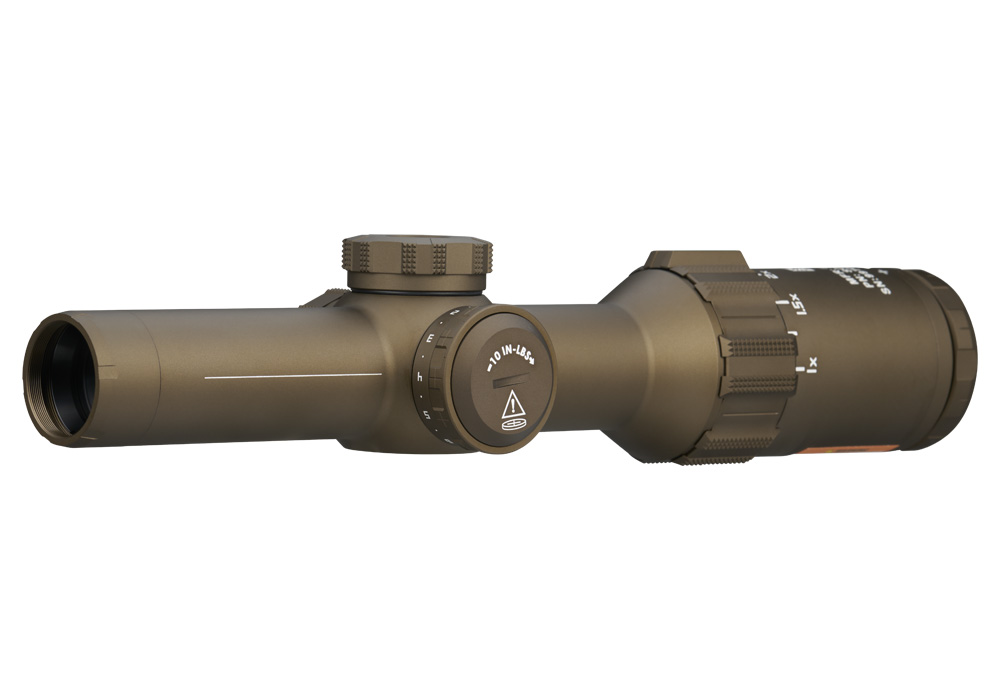
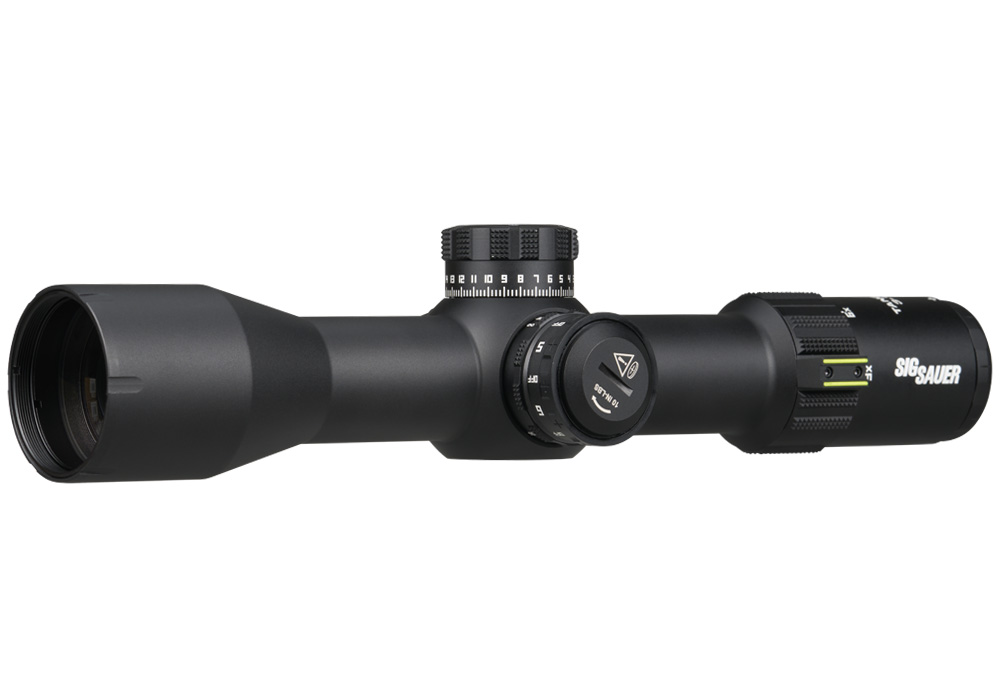
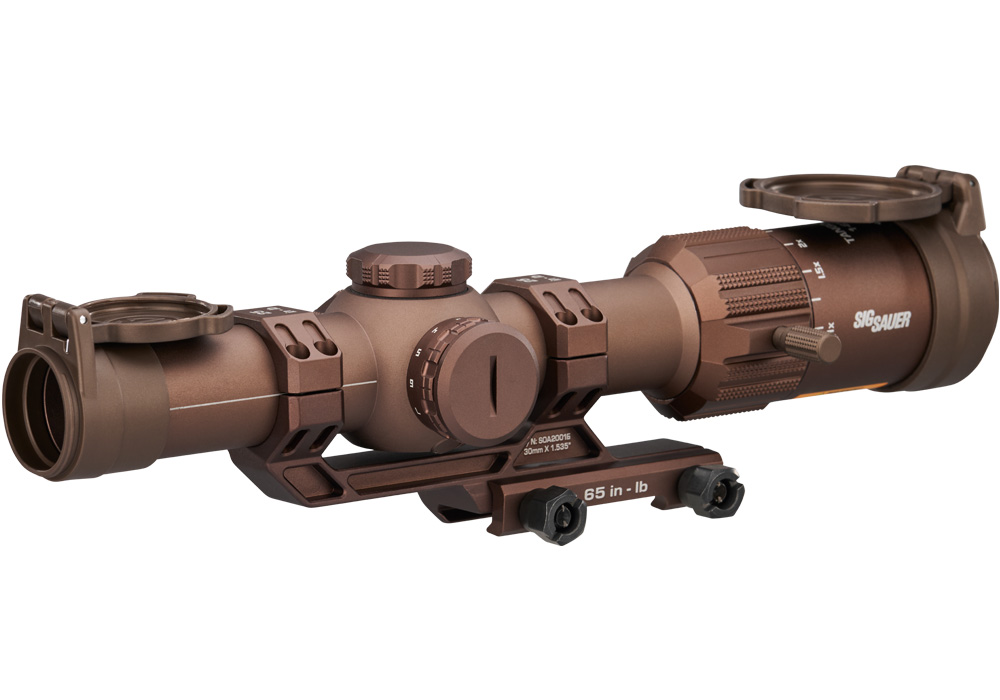
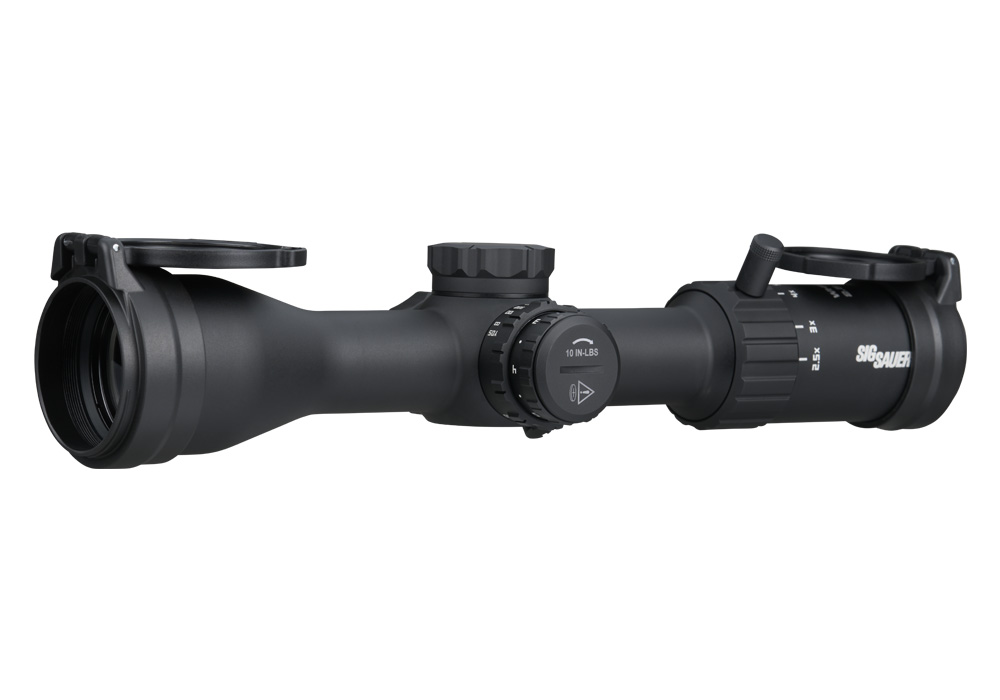
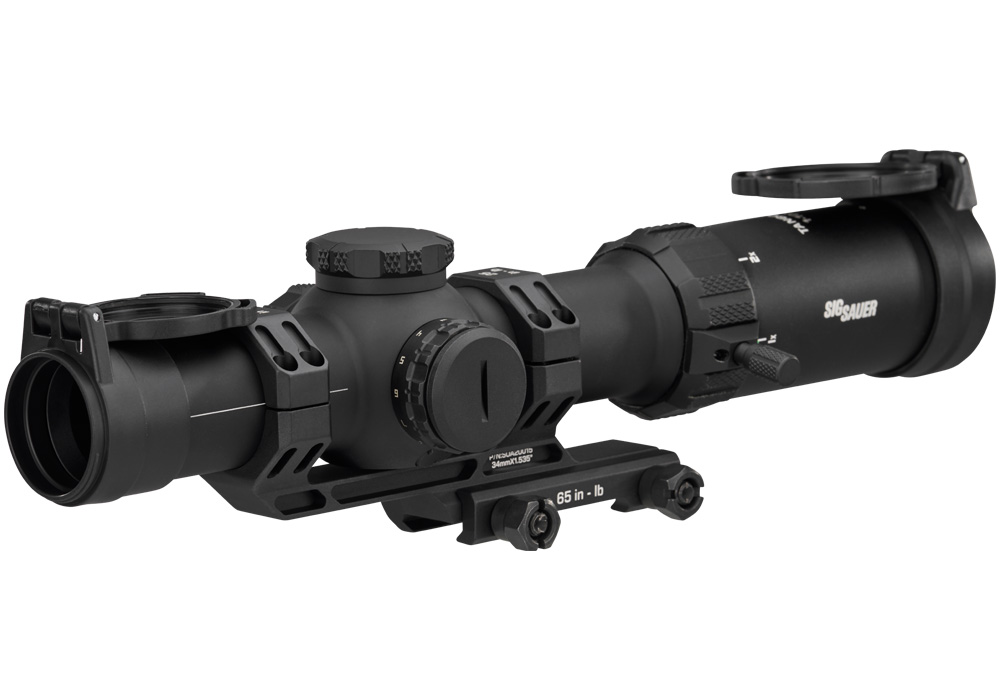
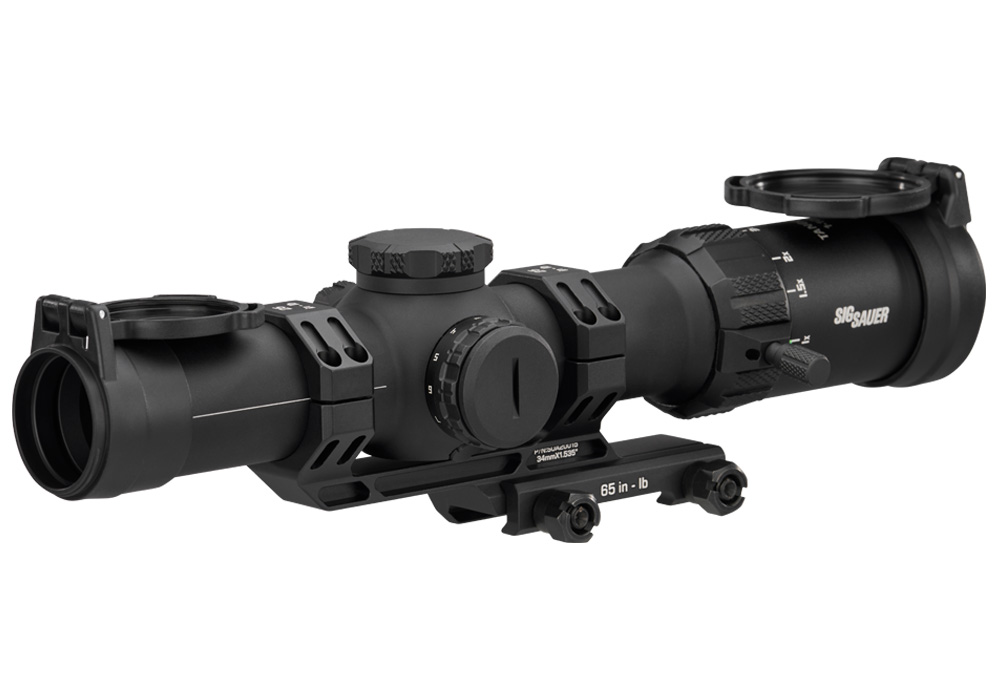
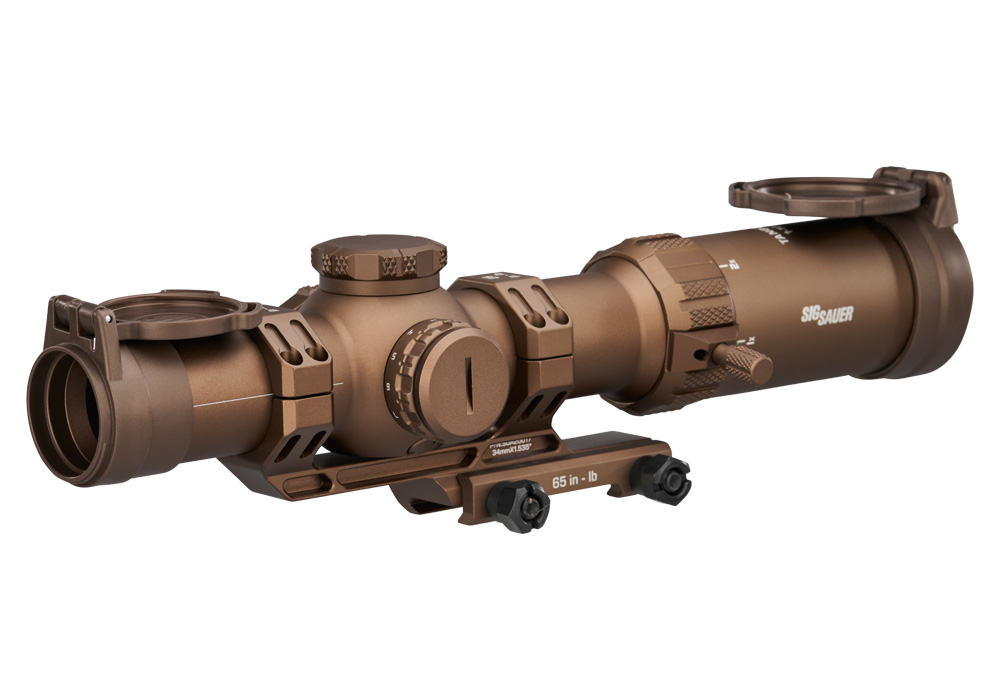
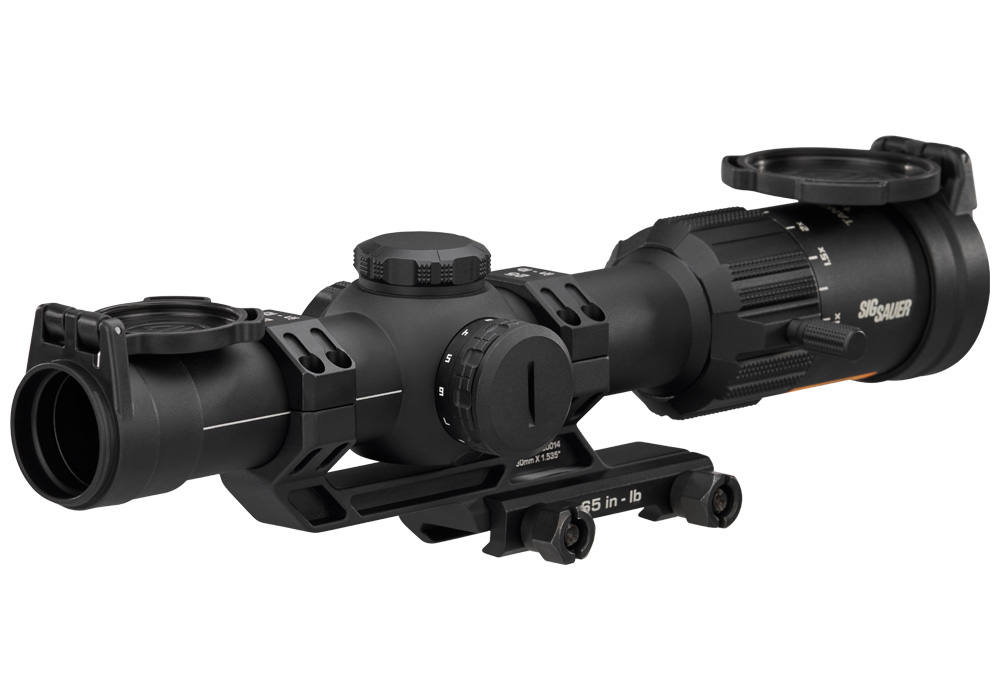
Hunting optics with illuminated display features are designed to make the aiming point easier to see when available light is limited, especially during the first and last portions of a legal hunting period. An illuminated reticle may use a glowing center dot, crosshair, or other aiming pattern powered by a small battery, helping the eye separate the reticle from a dark animal, dense timber, brush, or a shadowed hillside. This can be particularly useful during dawn and dusk, when the background may still be visible but a standard black reticle begins to blend into the scene. In open country, an illuminated aiming point can also remain distinct against darker terrain, while in snowy conditions a lower setting may prevent the reticle from appearing overly bright. These optics are suitable for hunters pursuing deer, elk, hogs, predators, and other game, with the best choice depending on the terrain, expected shooting distance, rifle or firearm setup, and the type of reticle preferred. A hunter moving through thick woods may value a simple, highly visible center aiming point and a compact optic, while someone glassing across open fields may prioritize magnification range, sharp image quality, generous adjustment controls, and a reticle that supports precise holdover at longer distances. Illuminated hunting optics are not intended to replace careful observation, sound field judgment, or a clear understanding of safe shooting angles. Instead, they provide another way to maintain a visible point of aim when changing light makes a conventional reticle more difficult to see.
Brightness control is one of the most important features to consider when comparing hunting optics with an illuminated display. Multiple intensity settings allow the reticle to be tailored to the surroundings: a subdued setting may be most comfortable in dark timber, while a brighter setting can help the aiming point stand out against sunlit grass, pale rock, or snow. The goal is a reticle that is visible without overpowering the target or drawing the eye away from the surrounding field of view. An optic with intuitive controls is especially valuable when conditions change quickly. A hunter may begin a walk beneath a bright overcast sky, settle into a shaded blind, and later find the landscape illuminated by a low sun reflecting off frost. Controls that can be adjusted without losing a steady position or taking excessive attention away from the surroundings are practical advantages. Battery life should receive equal consideration. Cold weather can reduce battery performance, so carrying a fresh spare coin-cell battery in a protected pocket or small field case is a sensible habit during the cooler months. It is also wise to confirm that the illumination turns off when not needed, inspect the battery compartment periodically, and practice activating the reticle before heading into the field. Hunters should verify the optic’s mounting system, eye relief, adjustment range, and compatibility with their firearm, then confirm zero at the distance and ammunition they intend to use. As with any hunting equipment, the optic should be tested in realistic lighting and weather rather than evaluated only under bright indoor conditions. Those exploring a related category may also compare these options with Hunting Gear With Digital Reticle, especially when a digitally assisted aiming system fits the planned setup and style of hunting.
Illuminated hunting optics can also be a thoughtful gift for a new hunter, an experienced family member preparing for another season, or anyone upgrading a dependable rifle for changing terrain. The most useful gift is rarely determined by appearance alone; magnification, tube size, mounting requirements, reticle style, illumination controls, and intended game all matter. Before purchasing for someone else, it helps to know whether they hunt from a blind, still-hunt through timber, hike steep country, or spend long periods watching fields and clearings. A lightweight optic may be appreciated by someone who carries equipment over ridgelines, while a model with a broader field of view may suit close-range work in thick cover. Hunters who travel between wooded and open environments may prefer a versatile configuration with an adjustable magnification range and a reticle that remains readable at several settings. Responsible use also includes learning the regulations that apply to the planned hunting area. Illuminated reticles contained within an optic are commonly treated differently from devices that project a visible beam or aiming point onto an animal, and rules can vary by jurisdiction, game species, and season. Checking current state and local regulations before a hunt is essential. Once the optic is mounted and zeroed, regular practice helps build familiarity with the controls and reinforces safe firearm handling. The quiet moments before legal shooting light, the soft outline of a tree line, and the gradual change from gray morning to full daylight are exactly when a dependable aiming system earns its place in a hunting setup. With appropriate brightness, reliable battery preparation, a clear view, and careful attention to regulations, hunting optics with illuminated displays can support confident, responsible target acquisition across a wide range of field conditions.