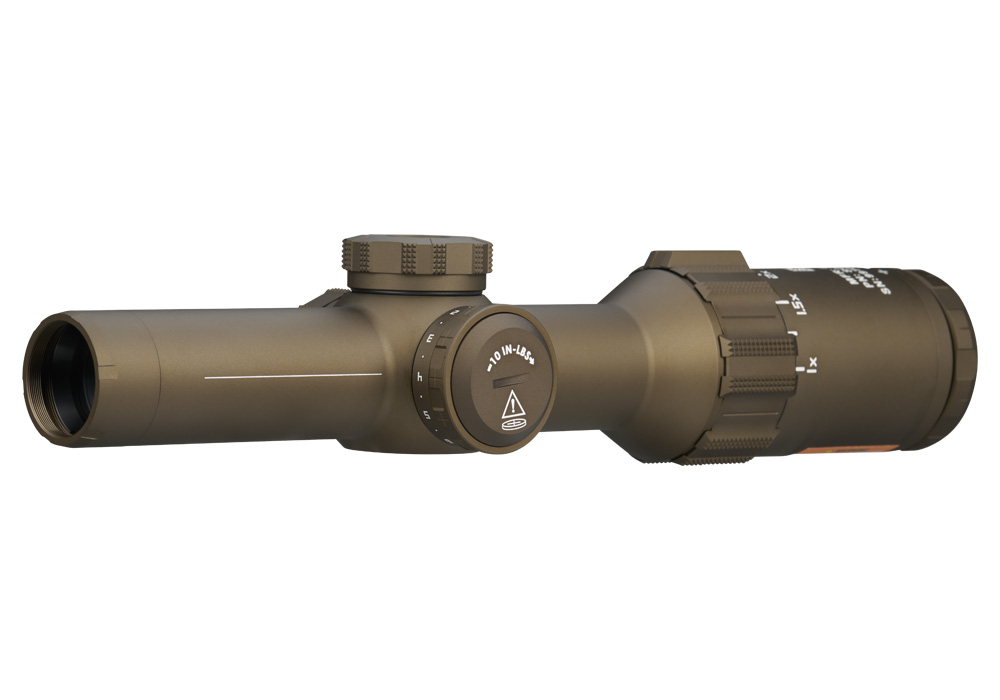
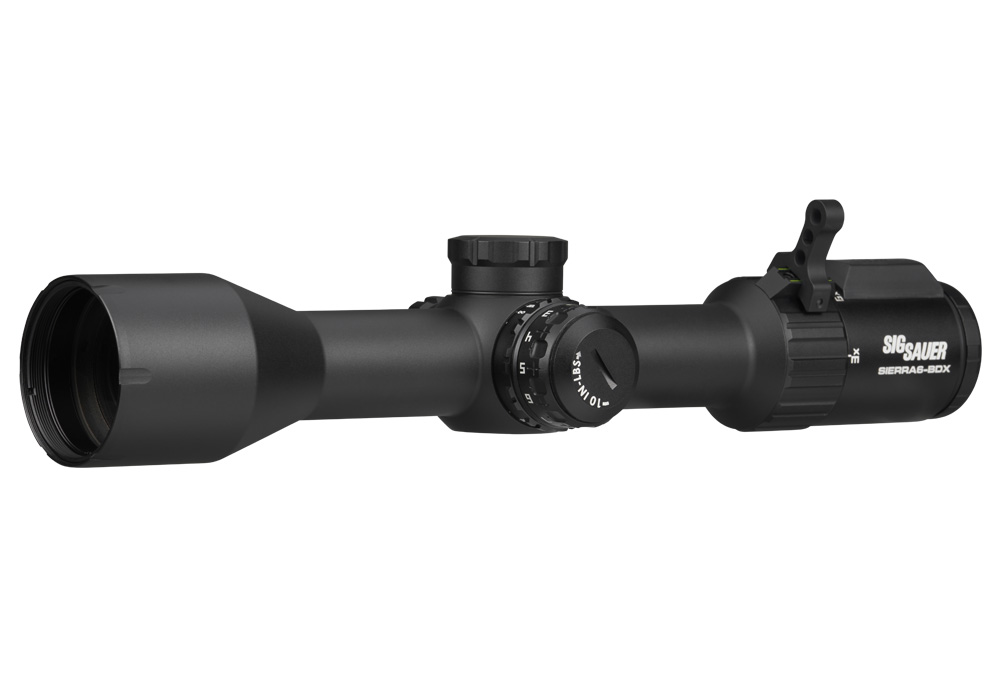
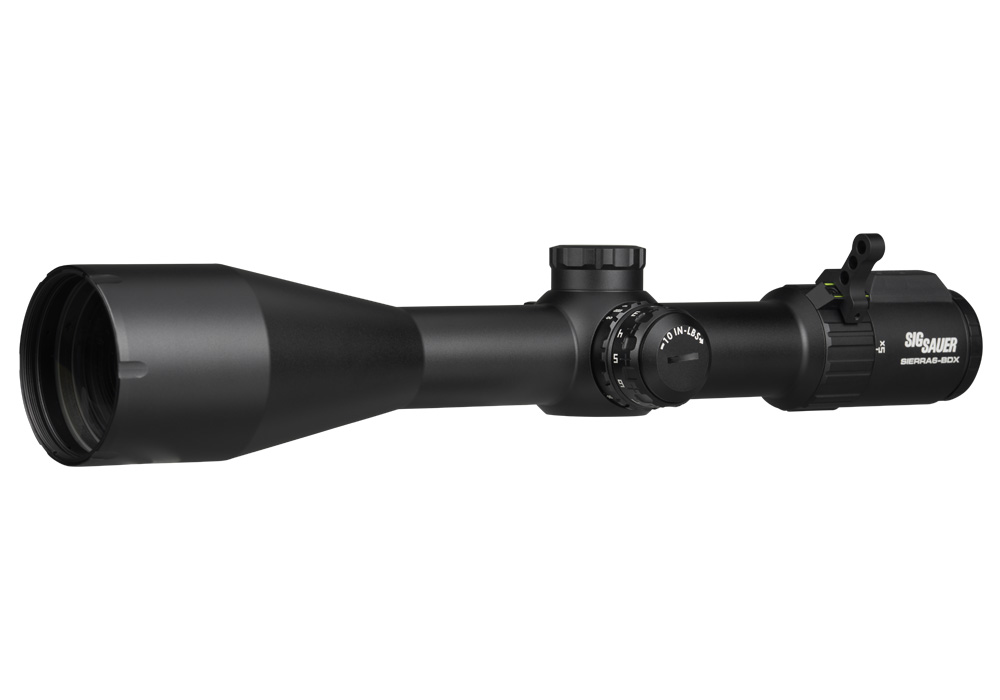
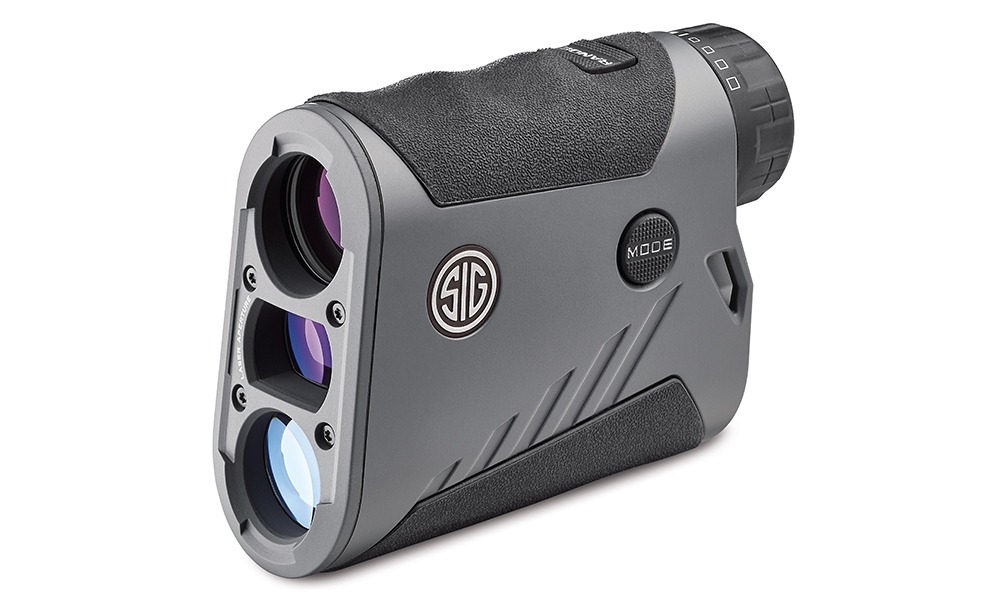
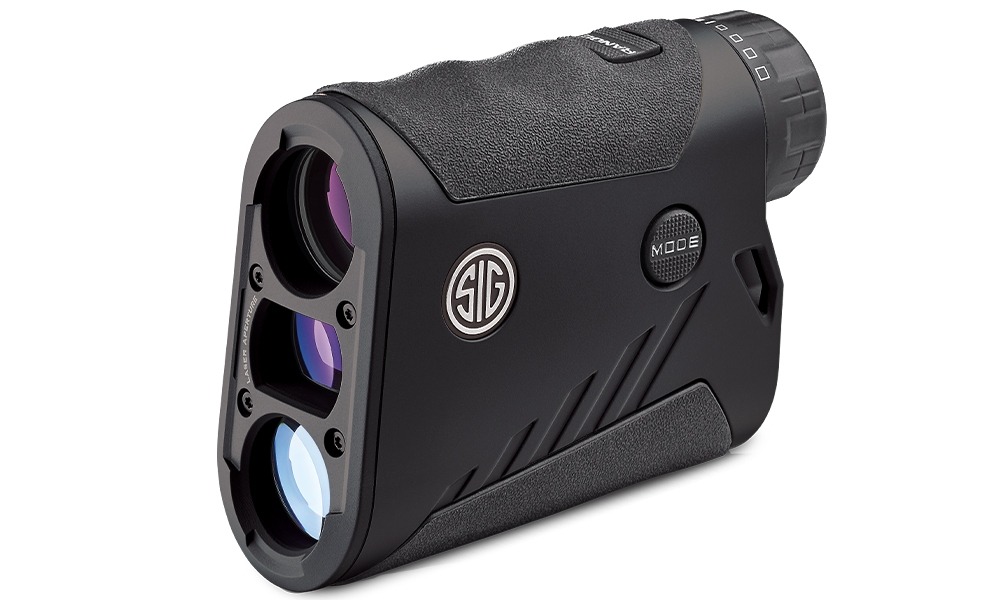
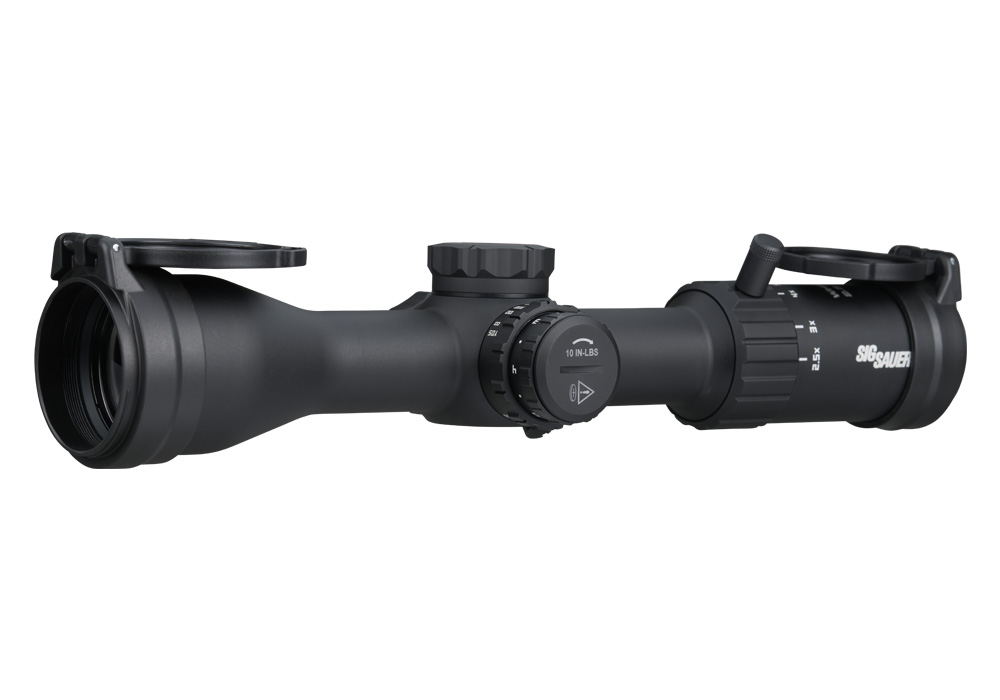
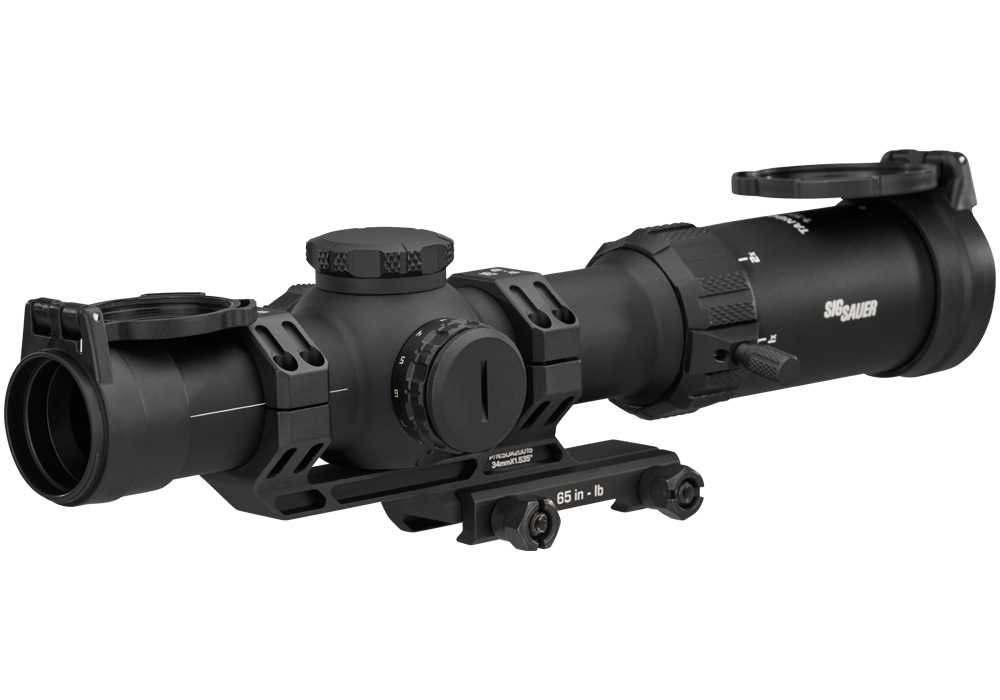
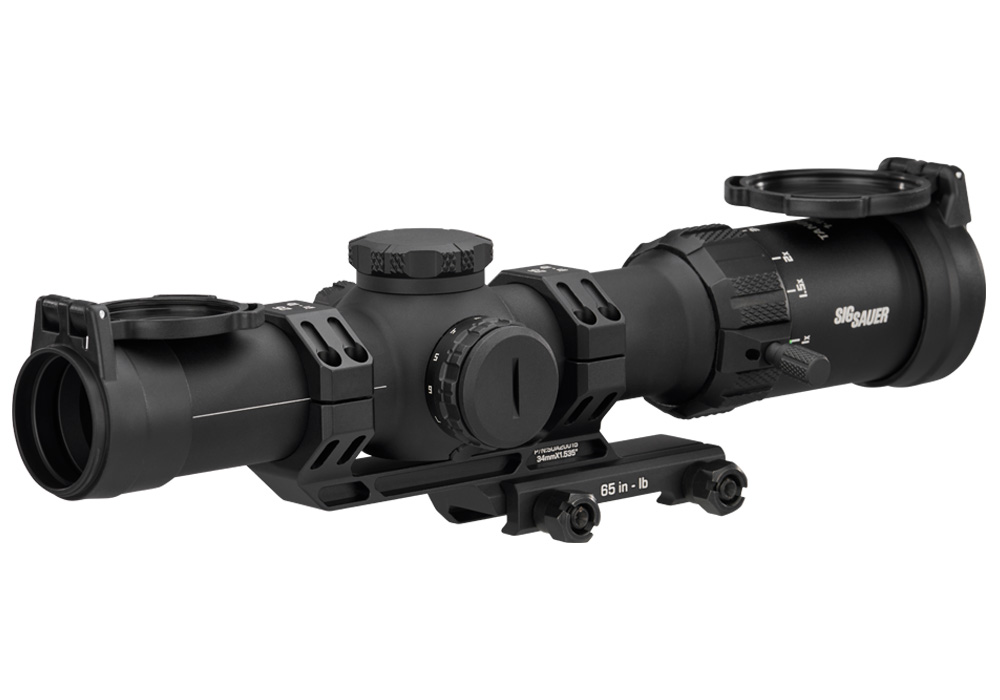
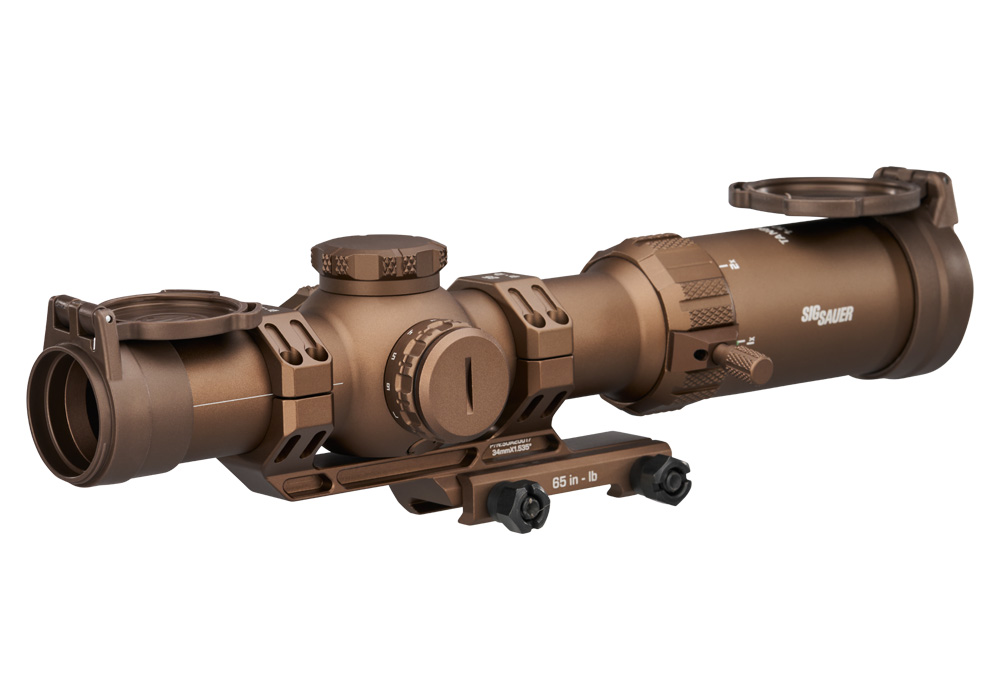
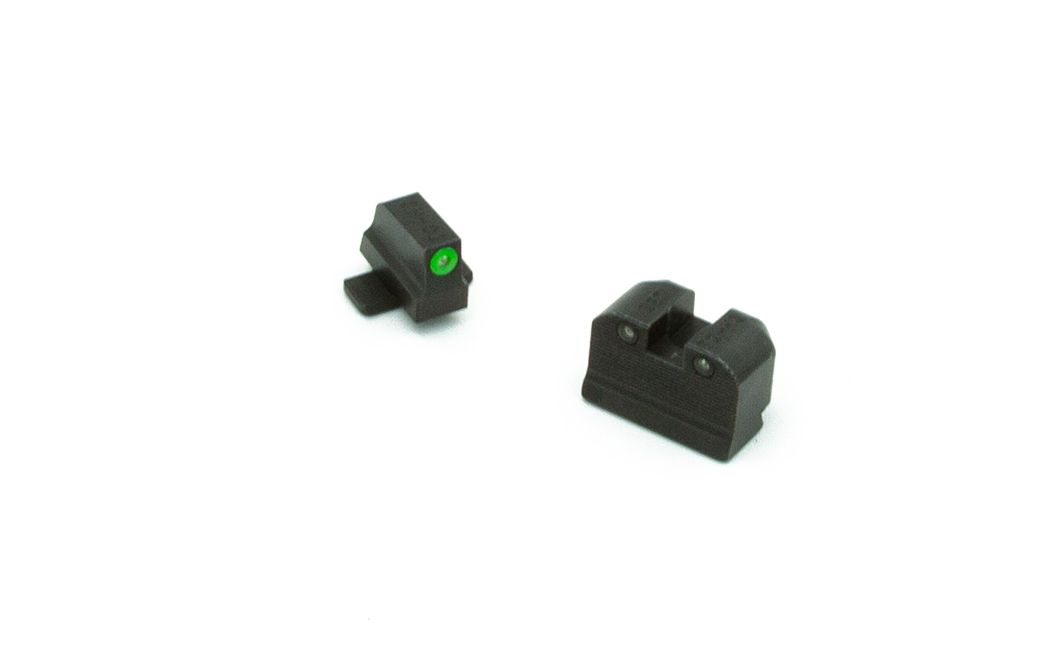
Hunting gear with a digital reticle brings electronic aiming technology to the field in several useful forms, including smart rifle scopes, digital bow sights, and clip-on night-vision or thermal systems. Unlike a traditional reticle that remains fixed within the optic, a digital reticle can offer selectable aiming points, illuminated holdovers, ranging information, and other visual data that help hunters make more informed decisions. Depending on the system, the display may project a single unobstructed pin for archery, show multiple distance references, or overlay a reticle on a digital image for daytime and low-light use. Some rifle-oriented systems can combine a measured distance with configured ballistic information to suggest a corrected aiming point, while others provide adjustable reticle shapes, brightness levels, and colors to suit changing backgrounds. A digital bow sight can be especially helpful for hunters who regularly move between known and unknown distances, since the sight may use an electronic pin or calculated reference rather than requiring a cluster of fixed pins. Clip-on systems offer another approach by attaching in front of or behind a compatible day optic, allowing hunters to add low-light viewing capability without completely replacing their familiar setup. These products may appeal to experienced hunters refining a well-practiced system, as well as newcomers looking for a clear way to organize distance and aiming information. They can also make thoughtful gifts for an archer preparing for a first big-game season, a rifle hunter who spends long hours watching field edges during the cooler months, or an outdoors enthusiast interested in responsible observation after daylight fades. Before choosing, identify the intended platform, the type of game pursued, and the conditions in which the equipment will be used. A bow sight designed for archery will have different mounting, power, and aiming considerations than a digital rifle scope, while a clip-on optic must be matched carefully to the host optic, rail, eye relief, and available clearance. Reviewing compatibility before purchase helps prevent the frustration of discovering that a promising system cannot be mounted, zeroed, or viewed comfortably on existing equipment.
The most useful digital reticle is one that remains clear, predictable, and easy to manage when conditions become less than ideal. In the bright, uneven light of late summer mornings, a reticle that is too intense may obscure hair, hide a narrow opening, or draw attention away from the target area. As the weather cools and shadows lengthen, adjustable brightness becomes more important, particularly when a dark reticle disappears against timber or a bright point blooms against a pale sky. Look for controls that can be operated with gloved hands and settings that are easy to confirm without taking the optic away from the shooting position. A rangefinder-enabled system may help estimate distance, but ranging and ballistic functions should be treated as aids rather than substitutes for practice, careful observation, and sound judgment. Environmental inputs such as temperature, elevation, ammunition, arrow weight, velocity, wind, and angle can affect the usefulness of a calculated holdover. The data must be entered accurately, and the system should be verified at the distances and conditions where it will actually be used. A hunter sighting in during calm conditions at a range may see different results after hiking through wet grass, climbing to a higher elevation, or taking a position where the air is moving across an open ridge. Spend time learning how the display behaves in direct sun, deep shade, brush, and low light. Confirm the zero, test every selected reticle, and practice switching between magnification, brightness, ranging, and aiming modes before heading into the field. For bowhunters, pay close attention to anchor position, sight housing alignment, bubble level visibility, and whether the digital pin remains easy to place without rushing. Rifle hunters should evaluate eye relief, field of view, turret or control layout, image quality, and the relationship between the displayed aiming point and the rifle’s established zero. Anyone considering night-vision or other low-light capability should also review applicable laws, ethical restrictions, and season rules before use, since regulations can vary by location, species, and hunting method.
Durability and practical field use matter just as much as advanced features. Hunting equipment may be exposed to rain, dust, cold fingers, damp slings, brush, and the occasional hard bump against a blind or truck door. A digital reticle system should have a rugged housing, dependable seals, secure mounting hardware, and a battery plan that matches the length of an outing. Carry spare batteries when permitted and practical, store the optic so its controls cannot be activated accidentally, and learn how quickly the system starts, shuts down, or returns to a preferred setting. Solar charging, automatic brightness adjustment, recording functions, onboard memory, and wireless connectivity can be useful, but each added feature deserves hands-on testing before it becomes part of a hunting routine. A simple interface that can be trusted in a quiet tree stand may be more valuable than a long list of functions that are difficult to navigate under pressure. Hunters who wear glasses should check eye relief and display size from their normal shooting position, while those who travel with equipment should consider weight, protective cases, and the time required to remount and confirm zero. For shoppers comparing digital reticle equipment with other illuminated aiming options, Hunting Optics With Illuminated Display provides another useful category to explore. Whatever system fits the intended setup, responsible use begins with knowing the target and what lies beyond it, following local regulations, respecting safe handling practices, and taking only a shot that can be made with confidence. Digital aiming technology can organize information and improve visibility, but careful preparation remains the foundation of an ethical, accurate hunt.