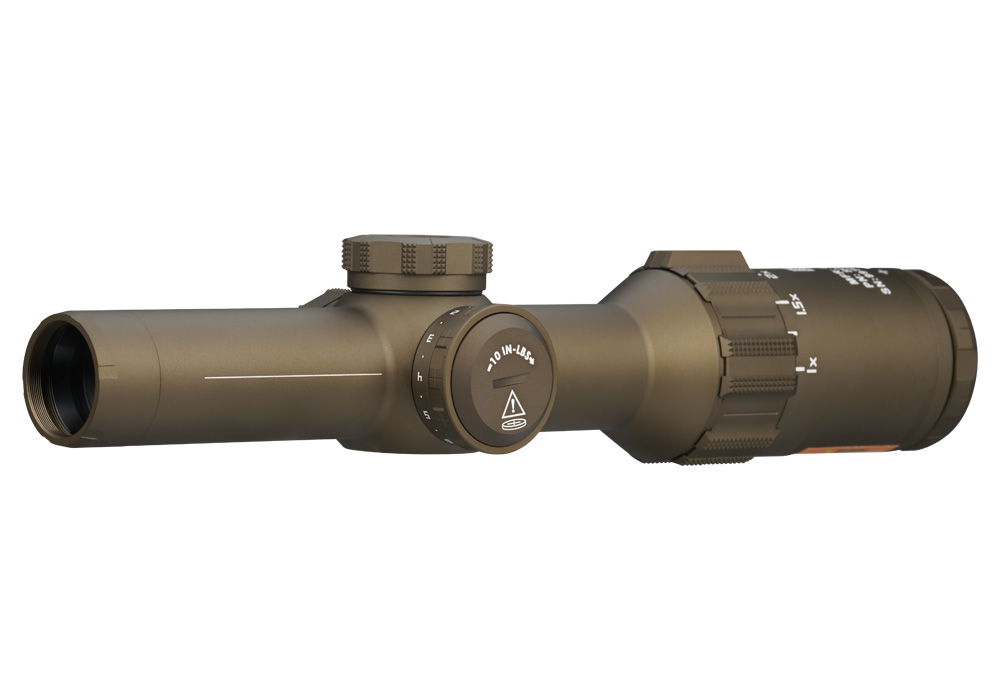
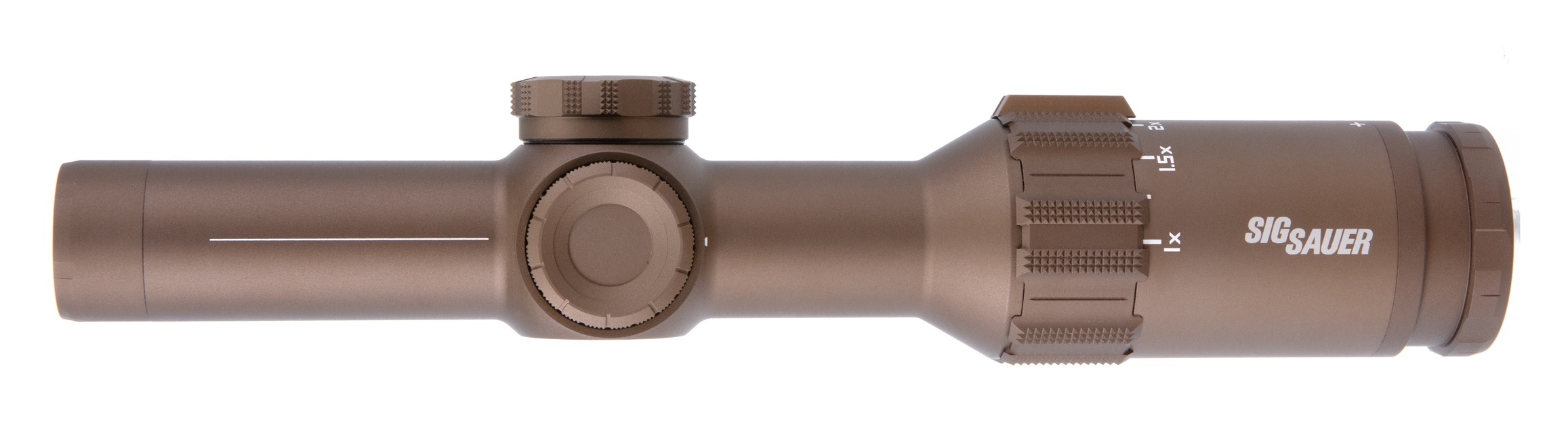
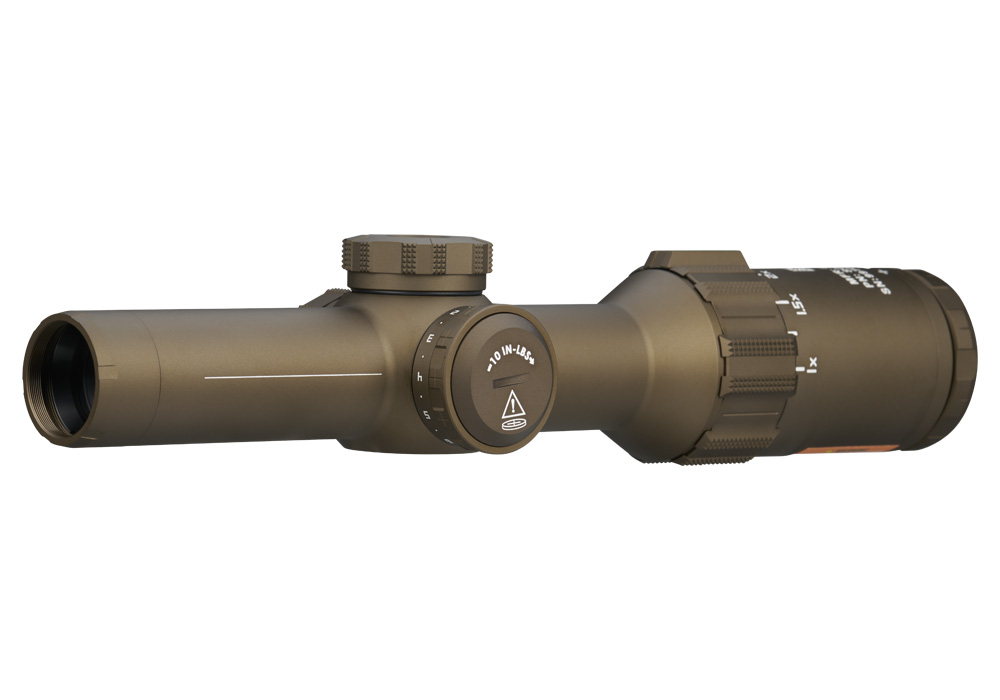
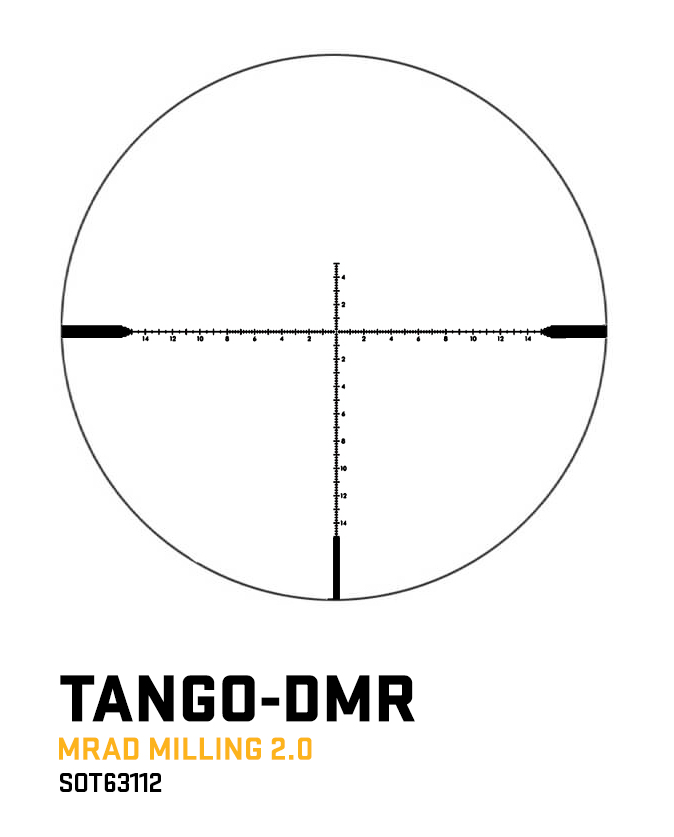
Hunting reticles are the aiming patterns built into riflescopes to help hunters place a shot with greater speed and confidence. The right reticle can make it easier to find a target against dark timber, open grass, brush, snow, or changing shadows, while also helping the shooter account for distance and bullet drop. For many big-game hunters, a traditional duplex reticle remains a dependable choice. Its heavier outer posts naturally draw the eye toward a fine center crosshair, making it quick to acquire when an animal appears between trees or moves through uneven cover. This uncluttered design is especially useful for general hunting at moderate distances, where the priority is a clear sight picture and a fast, steady hold rather than a series of elevation calculations. Hunters who spend more time across open country may prefer a bullet drop compensation, or BDC, reticle. These reticles add hash marks, dots, or additional aiming points below the center crosshair to represent different distances and trajectories. When matched appropriately to a rifle, cartridge, bullet, and sight-in distance, those reference marks can help a shooter hold over without immediately adjusting turret settings. BDC markings are not universal measurements, however; their practical value depends on the ammunition and rifle combination, environmental conditions, and the distance at which the reticle is confirmed. A range session before heading into the field helps establish where each mark actually places a shot. For hunters who often glass at dawn, dusk, or beneath a heavy canopy, an illuminated reticle can make the central aiming point easier to distinguish from a shadowed animal or a complex background. Illumination should support a precise sight picture without becoming so bright that it obscures detail, and adjustable brightness is useful as the surrounding light changes. A well-chosen hunting reticle is ultimately one that complements the terrain, game, rifle, and shooting style rather than adding unnecessary visual information.
Choosing among hunting reticles begins with an honest look at the conditions in which the optic will be used. A hunter pursuing deer in wooded terrain may value bold outer posts and a simple center aiming point, particularly when shots are brief and the animal is framed by branches or muted fall colors. An elk hunter moving through steep country may appreciate a reticle with practical holdover references for varied distances, while someone pursuing predators or varmints across fields may favor finer markings that support more deliberate aiming. Typical shot distance matters just as much as the species. A reticle intended for close or moderate ranges can be fast and intuitive, with enough structure to guide the eye but not so many marks that the center becomes difficult to see. For extended distances, additional windage and elevation references may be useful, especially for shooters who prefer holding with the reticle instead of turning adjustment turrets between shots. Grid-style or “Christmas tree” reticles provide a detailed network of horizontal and vertical marks for elevation, wind holds, and precise corrections, though that level of information may feel busy for a hunter who usually shoots inside a few hundred yards. Magnification also affects the experience. In a second focal plane scope, the reticle remains the same apparent size as magnification changes, so it can stay bold and visible at lower power and in dim light; holdover marks are generally intended for a particular magnification setting. In a first focal plane scope, the reticle changes size with magnification, allowing its measured references to remain proportionally accurate across the optic’s power range. That can be helpful when a shot may develop at an uncertain distance, but the reticle’s fine details may appear more prominent at higher power and less substantial at lower power. Buyers should also consider eye relief, reticle visibility, adjustment style, mounting height, overall optic size, and whether the reticle remains easy to read while wearing cold-weather clothing or shooting from an improvised rest. During the cooler months, a hunter may move from bright open ground into shaded timber, wipe moisture from the glass, or shoulder a rifle with gloved hands; a reticle that is immediately recognizable under those conditions can be more useful than one with an impressive list of features that takes extra time to interpret.
Hunting reticles can be a thoughtful gift for a new hunter, a sportsman preparing for a different type of terrain, or an experienced shooter replacing an optic after years of hard use in the field. The best choice depends on the recipient’s rifle platform, cartridge, preferred game, usual range, and whether the optic will be used primarily in daylight, low light, or a mixture of both. It is wise to confirm compatibility before purchase, including tube diameter, mounting requirements, magnification range, reticle position, and the intended zero distance. A gift recipient may also appreciate a reticle that matches the way they already shoot: a straightforward duplex for a clean sight picture, a BDC design for familiar holdover references, an illuminated center for changing light, or a more detailed grid for carefully measured long-range practice. Regardless of the pattern, responsible use includes checking local regulations, following safe firearm-handling practices, confirming the rifle is unloaded during installation, and verifying the optic at a proper range before carrying it afield. Reticle markings are aids, not substitutes for practice or judgment. Temperature, wind, elevation, ammunition differences, and shooting angle can all affect where a bullet lands, and even a carefully calibrated BDC reference should be treated as a starting point until confirmed with the actual rifle and ammunition. Hunters who prefer a broader selection of aiming designs for other applications can also explore Tactical Reticles. From a quiet morning overlooking a frost-covered meadow to a slow climb through timber as daylight fades, a dependable hunting reticle helps keep the sight picture organized when the moment arrives. Selecting one that is clear, appropriate for the expected distance, and familiar through repeated practice can support more confident handling and more responsible shot placement throughout the season.