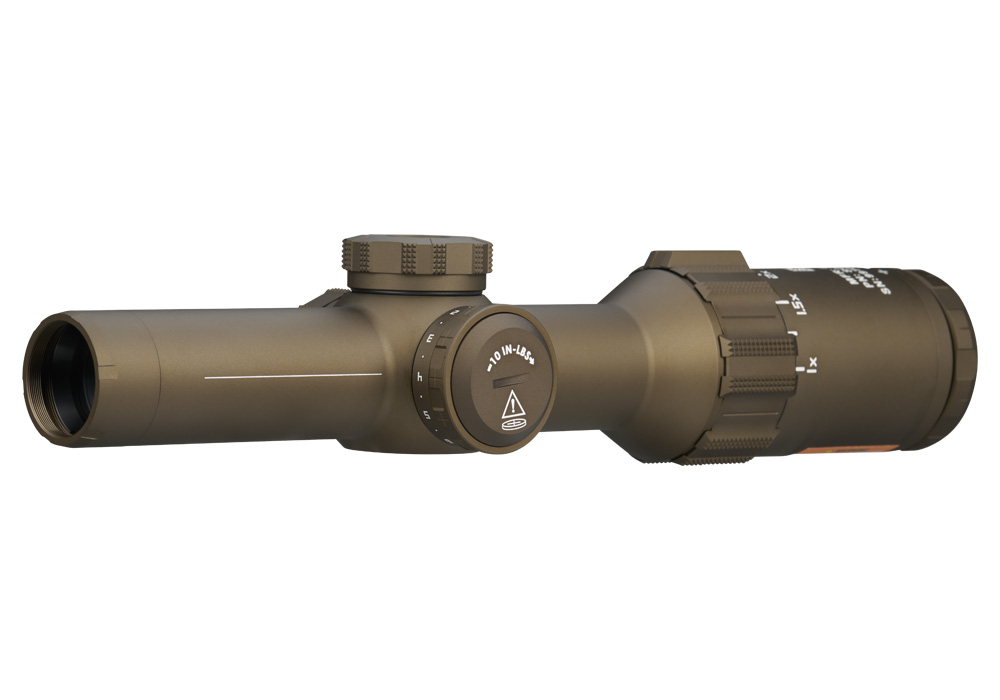
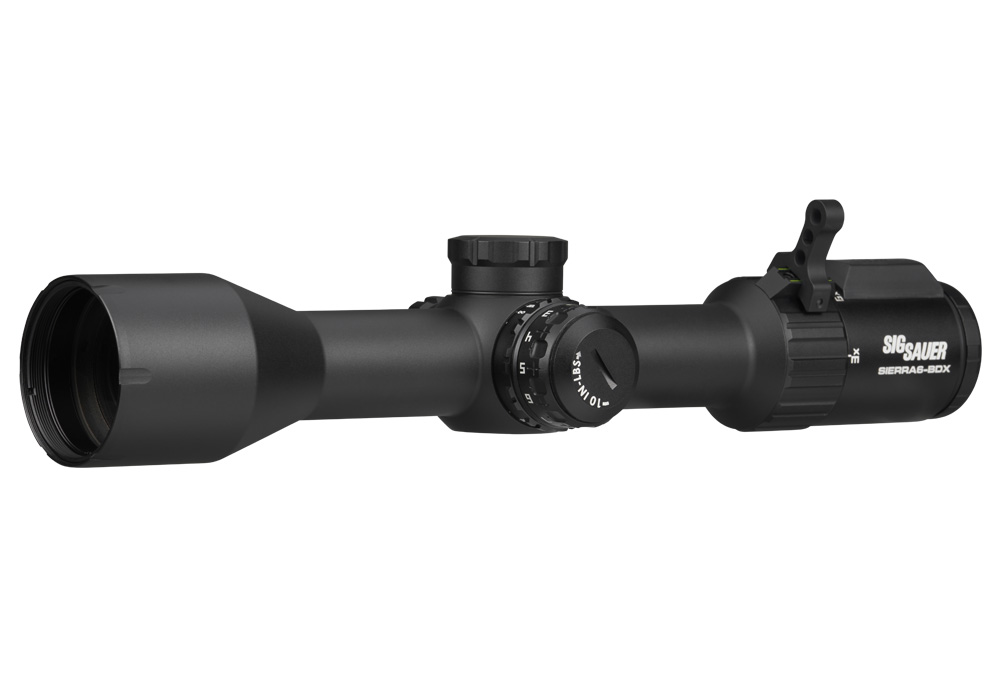
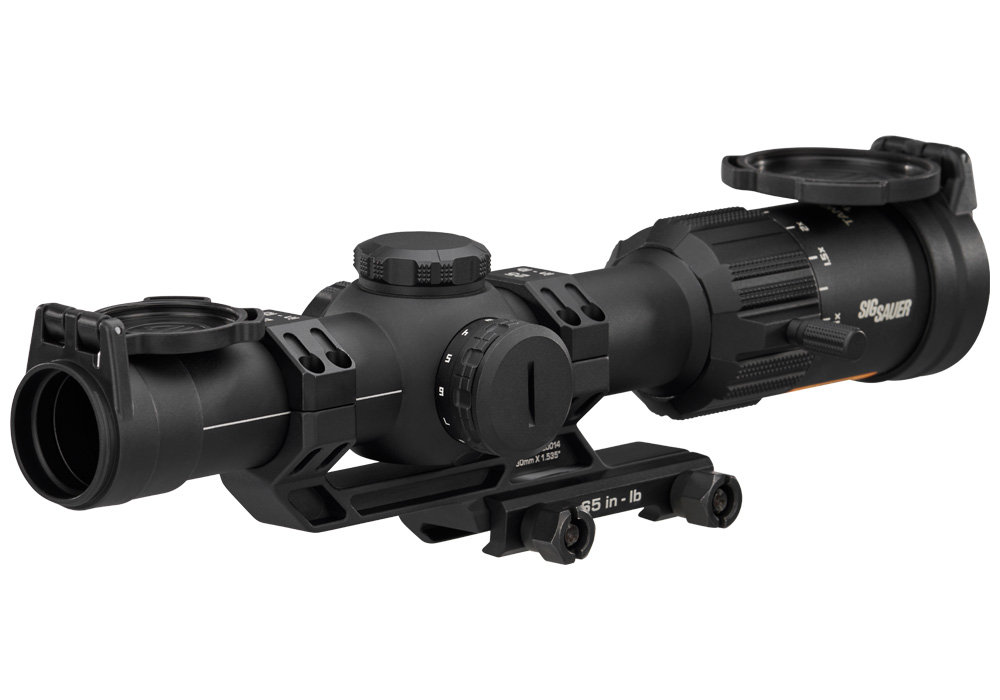
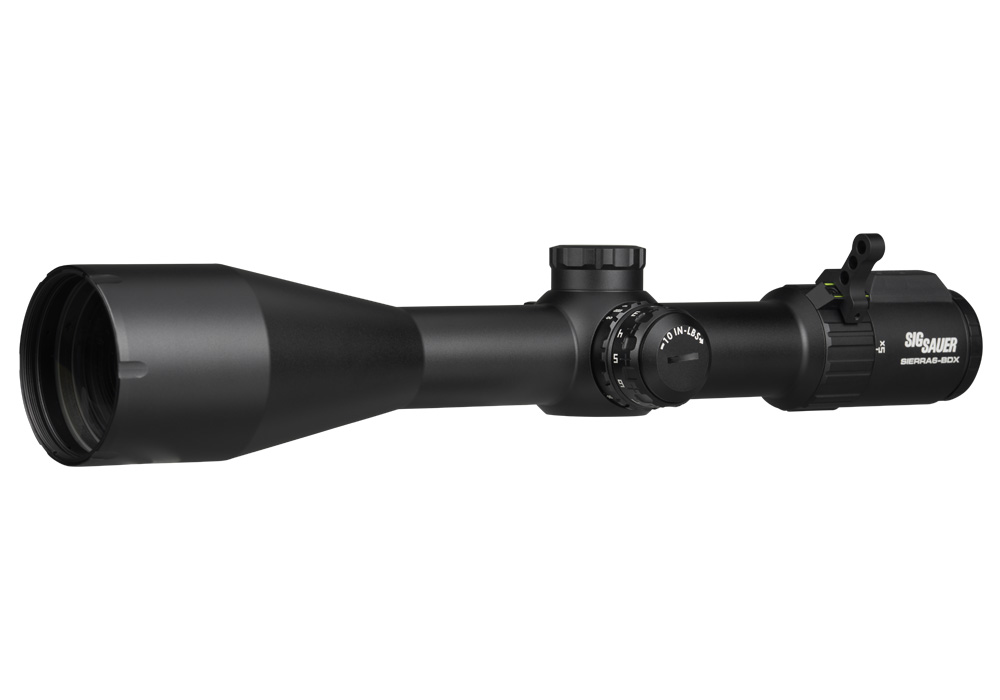
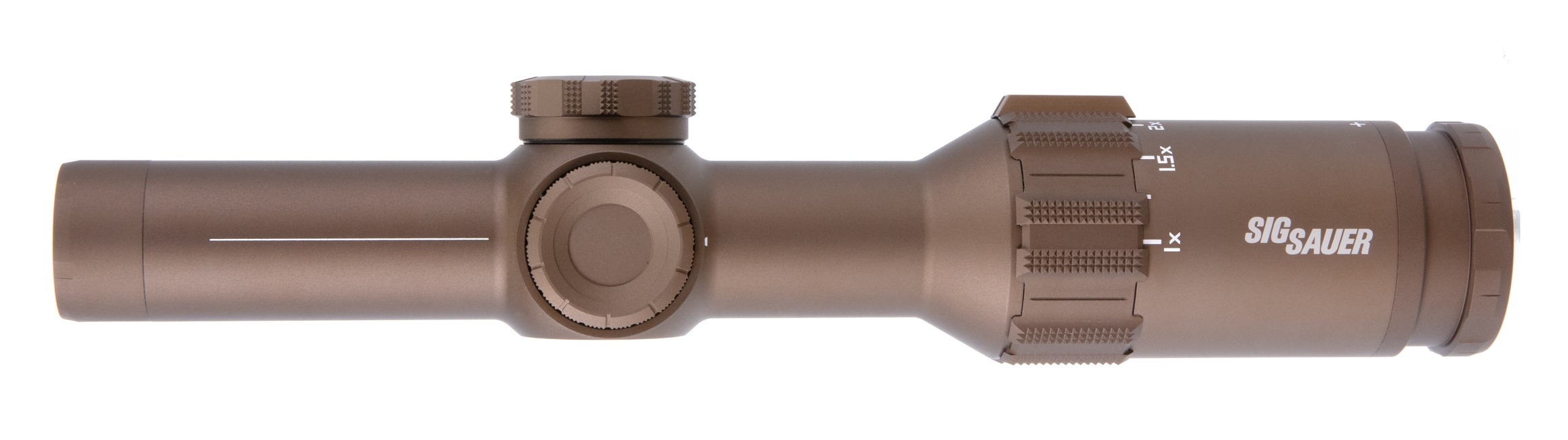
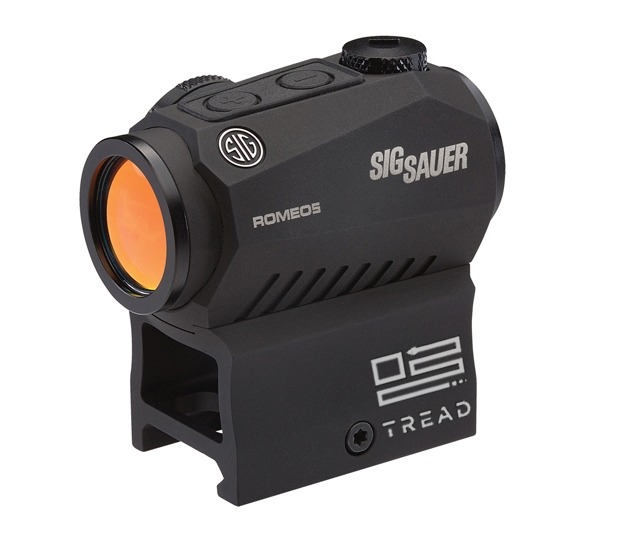
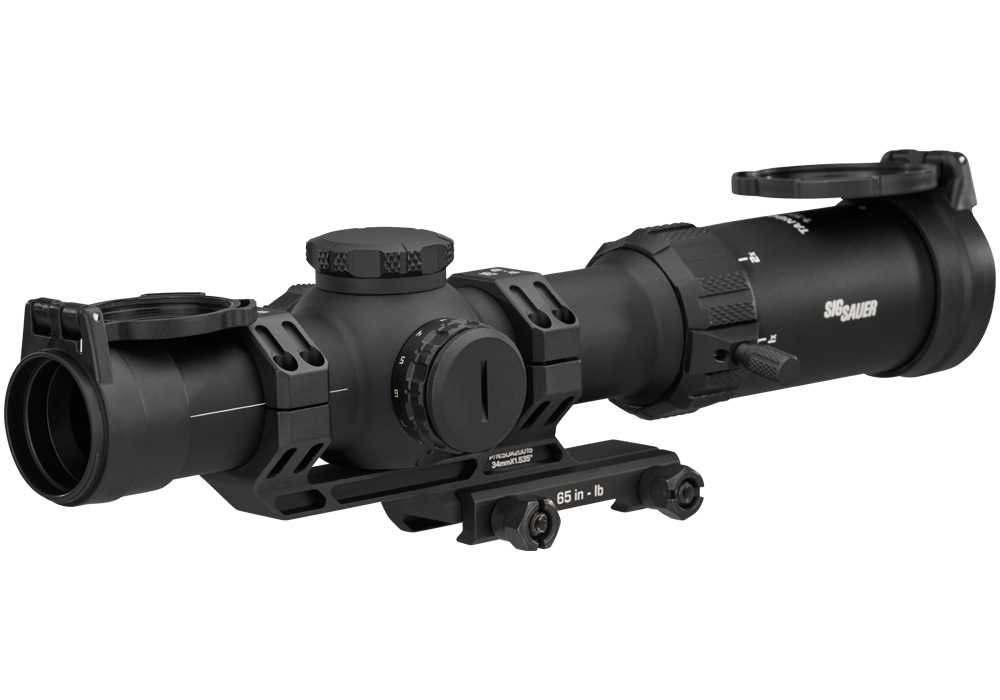
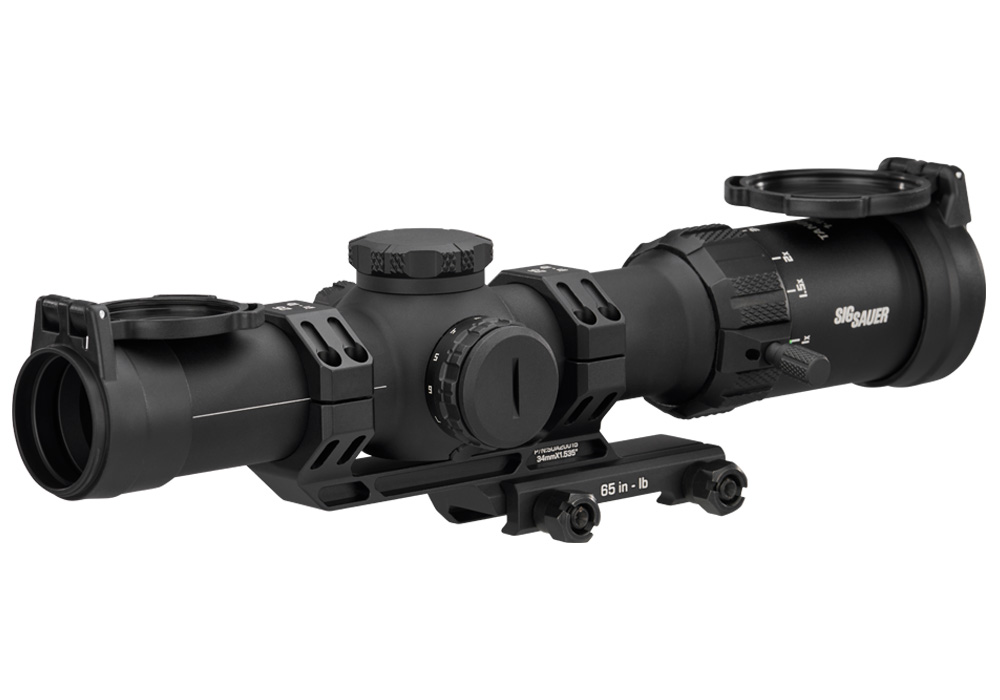
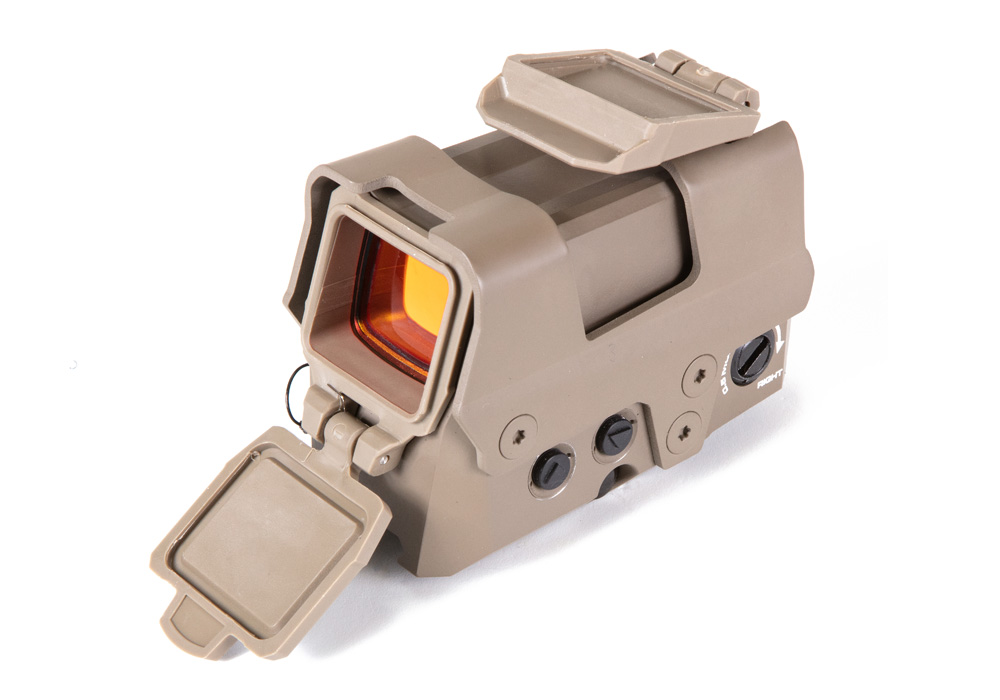
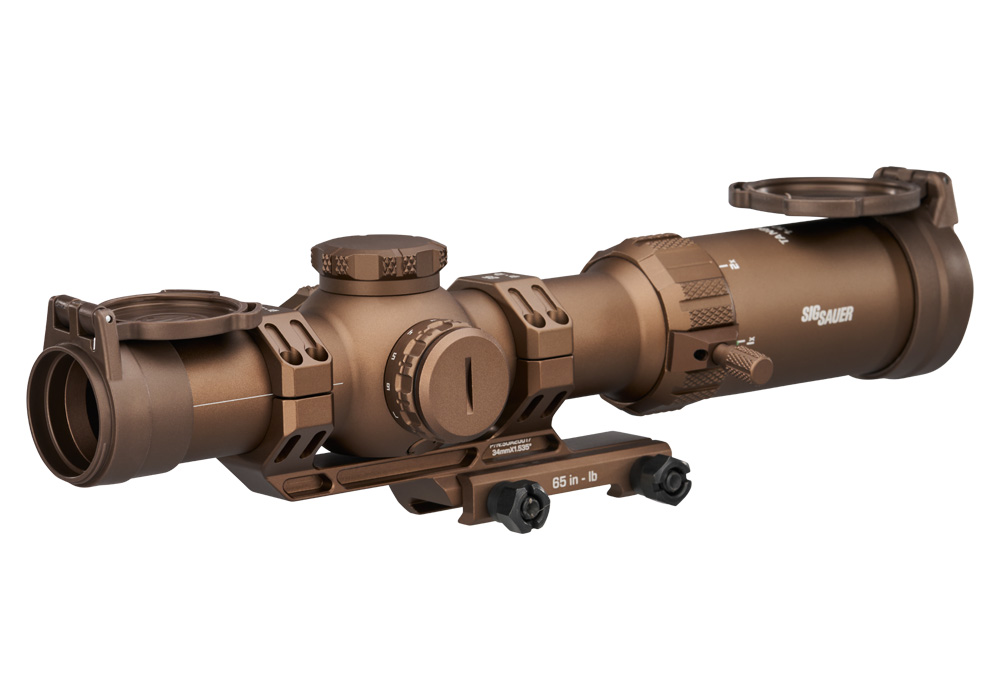
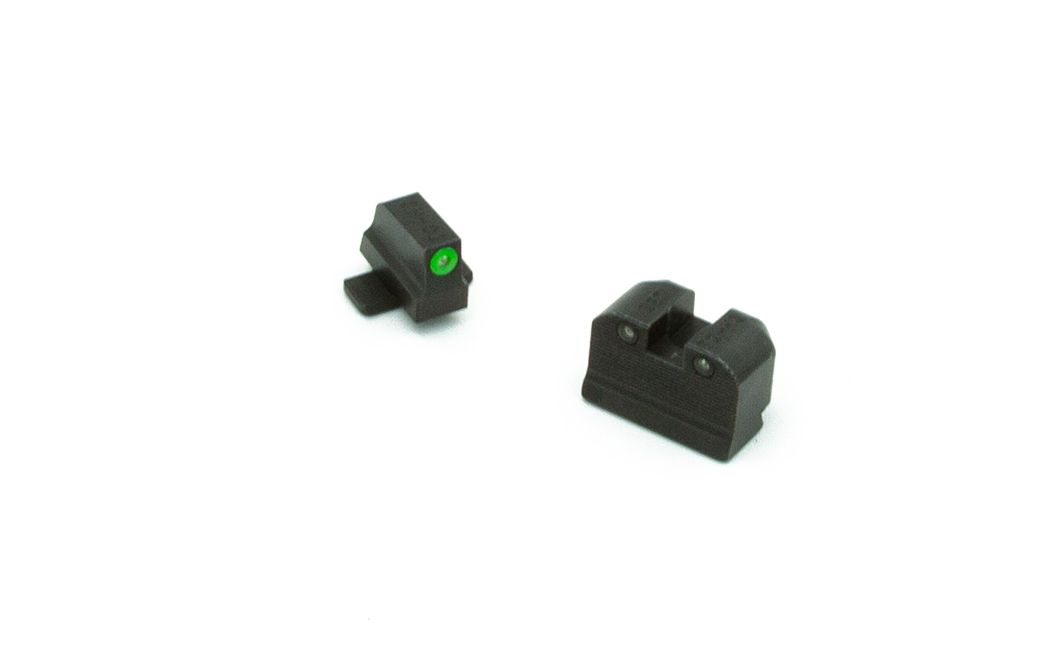
A firearm reticle is the aiming reference visible inside a scope or optical sight, usually a crosshair, illuminated dot, circle, or measured pattern of lines. Its design determines how much information appears in the sight picture and how clearly the aiming point stands out against the background. Firearm reticles range from clean, uncomplicated patterns for recreational shooting and hunting to detailed grids for organized precision competition. The right choice is not necessarily the pattern with the most markings; it is the one that remains readable through your eyes, at your preferred magnification, in the conditions where you actually spend time. A duplex reticle uses thick outer posts that taper toward a fine center crosshair, drawing attention inward while leaving the central view relatively open. That balance appeals to hunters who need a visible reference against dark timber without a dense grid covering the scene. A center-dot or circle-dot reticle offers a simpler visual reference, commonly found in nonmagnifying sights used for range practice and sporting applications. Many of these sights support both-eyes-open viewing, although visual comfort varies from person to person. Reticles with additional reference marks provide more information, but their usefulness depends on whether the shooter understands the pattern and can distinguish it clearly. Picture a paper bull’s-eye in flat afternoon light, then a dark silhouette against shaded brush: the same fine crosshair can look very different against those two backgrounds. Contrast, line thickness, and illumination all affect that experience. Because reticles are generally integrated into an optic rather than purchased as interchangeable inserts, shopping for a particular pattern usually means comparing complete sights or scopes. Look beyond the reticle illustration to the optic’s magnification range, viewing comfort, dimensions, and compatibility with the intended firearm. A detailed diagram helps explain the layout, but the view through the optic tells you whether its proportions feel natural. For many buyers, a clear and comfortable sight picture matters more than an elaborate feature list.
Measured reticles add reference points to that basic aiming function. Milliradian, often abbreviated MRAD or mil, and minute-of-angle, or MOA, patterns use angular spacing between dots, hash marks, or grid lines. These intervals are called subtensions, and they provide a consistent scale within the sight picture. Neither measurement system is inherently more accurate; familiarity, readable markings, and consistency with the scope’s adjustment system are more useful purchase considerations. Matching the reticle’s units to the adjustment dial units keeps the optic’s controls and visual references in the same language. Ballistic compensation reticles take a different approach, using marks associated with predicted trajectory at specified distances. Those references depend on the ammunition, firearm setup, and conditions assumed by the design, so they should not be treated as universal distance labels. Manufacturer documentation should explain the intended calibration and its limitations. Tree-style reticles arrange progressively wider horizontal references beneath the center, creating a branching grid that appeals to some precision competitors. That additional information can be valuable in a structured sporting setting, while someone who mainly enjoys relaxed target sessions may prefer a less crowded view. Shoppers exploring more detailed patterns can also compare Tactical Reticles, with attention to the layout and optical specifications rather than the category name alone. Focal-plane placement is another important distinction for variable-power scopes. A first focal plane reticle changes apparent size as magnification changes, preserving its angular measurements throughout the zoom range. A second focal plane reticle maintains the same apparent size, while its measured spacing corresponds to the stated values only at the designated magnification. That setting is often, but not always, the highest power; the scope’s specifications should identify it. Neither arrangement suits everyone equally well. A first focal plane pattern may appear very fine at low power, while a second focal plane design can offer a familiar, consistently sized center reference. Comparing illustrations at both ends of the magnification range helps reveal differences that a single enlarged reticle image can hide.
Everyday usability often comes down to details that receive less attention than the reticle’s name. Illumination should offer enough adjustment for the surroundings without making the center appear oversized or obscuring fine lines. An illuminated etched reticle generally remains visible without battery power when there is sufficient ambient light, while an electronic-only aiming reference depends on its power source; confirm how the particular optic works. Battery type, control placement, automatic shutoff features, and access to the battery compartment are practical considerations for anyone who would rather spend a range visit shooting than searching through a gear bag. Eyesight matters, too. Some people with astigmatism perceive an illuminated dot as a streak or starburst instead of a crisp point, and increasing brightness may make that effect more noticeable. Whenever possible, compare sights in person while wearing the corrective lenses you normally use. With magnified optics, consider eye relief, the ease of finding a full sight picture, and whether the reticle stays legible across the settings you expect to use most. During the cooler months, gloved hands, subdued daylight, and transitions between warm indoor spaces and cold outdoor air put extra emphasis on accessible controls and weather-resistant construction. Look for clearly stated waterproofing and internal fog-resistance specifications rather than assuming every optic offers the same protection. Hunters, recreational target shooters, and competition participants may all shop for firearm reticles, but their preferences can differ substantially even when they use similar equipment. One person values a bold center that is easy to see; another wants fine lines that leave a small paper target unobscured. As a gift, an optic with a carefully chosen reticle can be meaningful for an established shooting-sports enthusiast, provided you know the recipient’s preferred pattern, mounting requirements, and intended use. Guessing at those details can result in an otherwise appealing optic that does not fit their setup. Clear specifications, useful reticle diagrams, dependable warranty support, and a suitable return policy help turn an attractive pattern into a considered purchase.