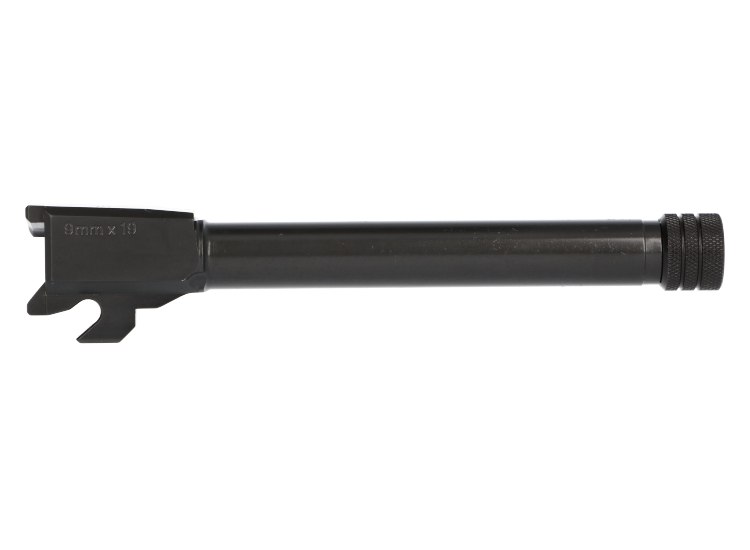
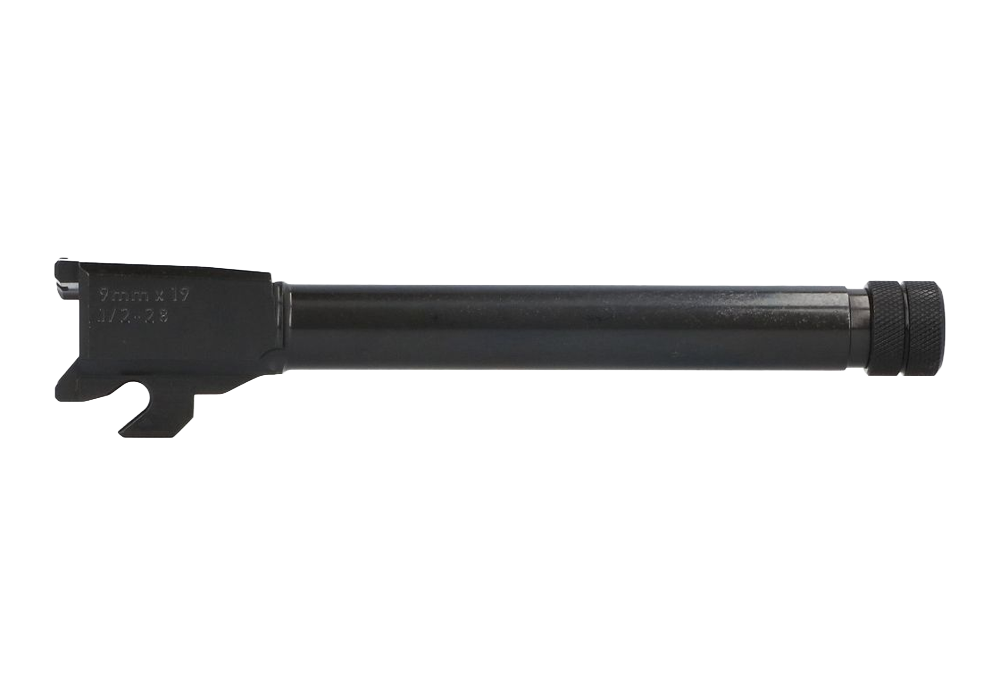
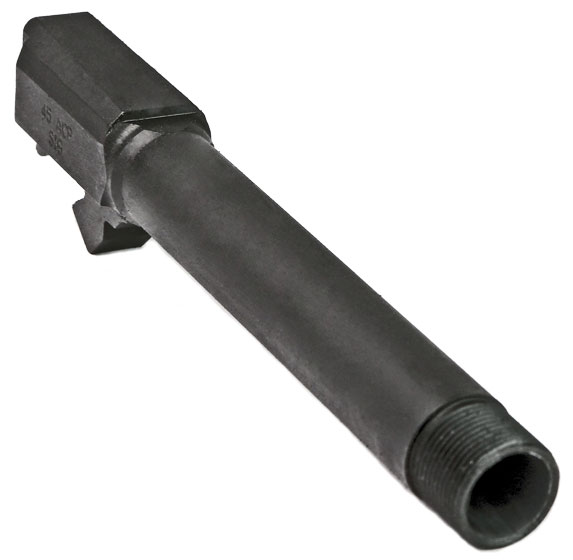
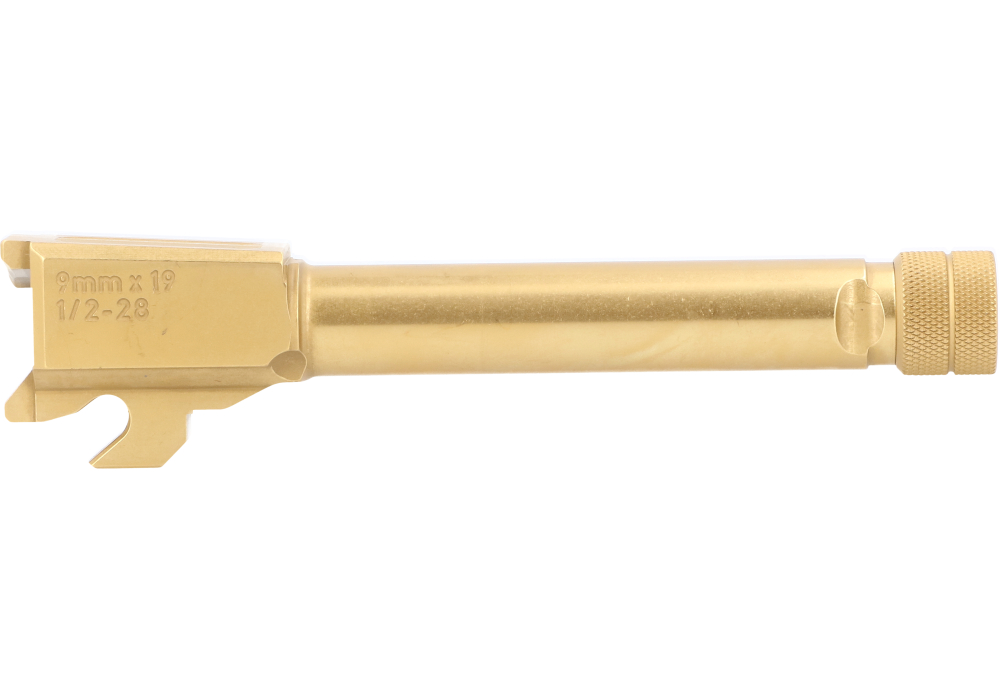
A threaded barrel adds external muzzle threads to a compatible firearm, creating a secure mounting point for select accessories such as suppressors, compensators, and flash hiders. Unlike a standard non-threaded barrel, this configuration gives shooters more flexibility when setting up a handgun or rifle for training, competition, recreational shooting, or lawful field use. The threaded section is typically protected by a thread protector when no accessory is installed, helping shield the fine metal threads from impact, dirt, moisture, and wear during storage or transport. A properly fitted thread protector also keeps the muzzle profile neat and helps prevent accidental damage when the firearm is used without a muzzle device. Threaded barrels are often chosen by experienced firearm owners who want one platform to support multiple configurations: a clean, compact setup for routine practice, a compensator-equipped setup for managing muzzle movement, or a suppressor-ready arrangement where permitted by applicable law. Because the barrel is a critical component, compatibility matters at every step. Confirm the firearm’s exact make and model, chambering, barrel length, and operating configuration before selecting an option. Even firearms that appear similar may use different barrel dimensions, locking systems, or slide and frame specifications. A barrel intended for one model should never be assumed to fit another simply because both use the same caliber. For a broader look at compatible replacement and configuration options, explore Gun Barrels.
Thread pitch is one of the most important details when choosing a threaded barrel. The pitch describes the diameter and spacing of the external threads, and both measurements must match the accessory being attached. Common 9mm thread patterns include 1/2x28, widely encountered on firearms using U.S. threading conventions, and 13.5x1 LH, a metric left-hand pattern found on some compatible platforms. For .45 ACP, .578x28 and 16x1 LH are common examples. These specifications are not interchangeable, and forcing an accessory onto an incorrect thread pattern can damage the barrel, accessory, or both. Left-hand threads also tighten in the opposite direction from the conventional right-hand pattern, making careful attention to the markings especially important. Before purchasing, compare the barrel’s listed thread pitch with the accessory manufacturer’s specifications, and account for any required piston, booster, direct-thread mount, or adapter. Suppressor use may also require a particular mounting system and a correctly fitted barrel shoulder to support proper alignment. Compensators and flash hiders have their own fitment requirements, including clearance around the projectile path and sufficient shoulder contact. An alignment check should be performed with the firearm unloaded and handled in a safe, controlled setting before live fire. If there is any uncertainty about installation, timing, or alignment, a qualified gunsmith can help verify the setup. These details may seem small when reading a product listing, but they become important in the shop and on the range, where a clean fit, firm seating surface, and undamaged thread profile contribute to dependable performance.
Threaded barrels appeal to a wide range of firearm owners. A recreational shooter may appreciate the ability to change the configuration of a familiar handgun for different forms of practice, while a competitive shooter may select a compatible compensator to help manage muzzle rise and return the sights to the target more efficiently. A suppressor owner may use a threaded barrel as part of a quieter, more comfortable range setup where ownership and use are lawful, while a rifle owner may value a flash hider or other muzzle device for a specific training or field application. The right choice depends on the firearm, the shooter’s goals, and the accessories already in hand. Threaded barrels can also make thoughtful gifts for an experienced firearm owner, but they are best purchased only after confirming the exact model, caliber, thread pitch, and barrel specifications. A beautifully packaged accessory is of little use if the fit is wrong, so a gift card or a carefully verified selection may be more practical than guessing. During the cooler months, when many shooters spend extra time maintaining equipment and organizing range bags, it is a good opportunity to inspect the muzzle threads, clean away residue, check the thread protector, and confirm that every accessory remains in sound condition. Store the barrel and firearm securely, follow all applicable laws and manufacturer instructions, and treat every installation as a fitment decision rather than a one-size-fits-all upgrade. With the correct specifications and careful handling, a threaded barrel can provide a versatile foundation for tailoring a firearm to the way it is practiced, maintained, and used.