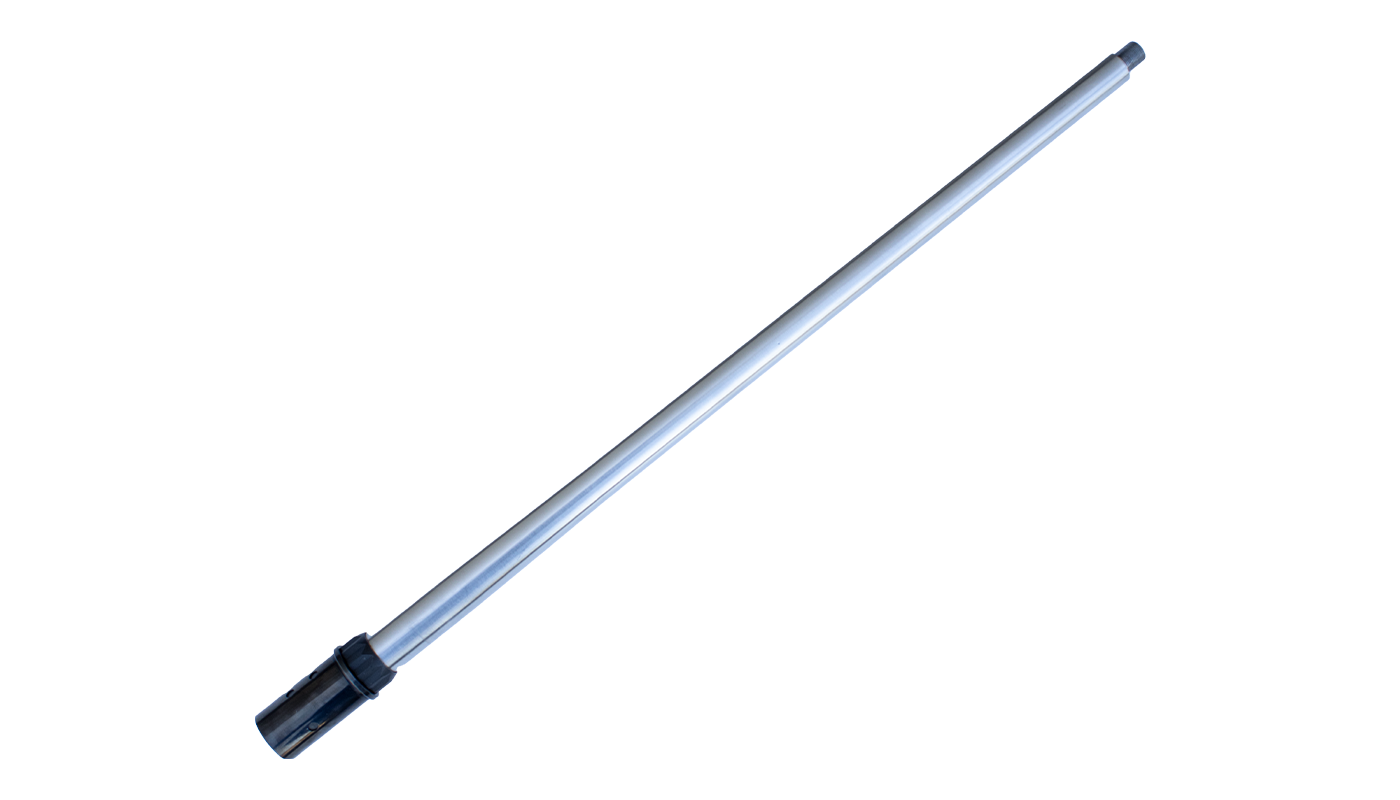
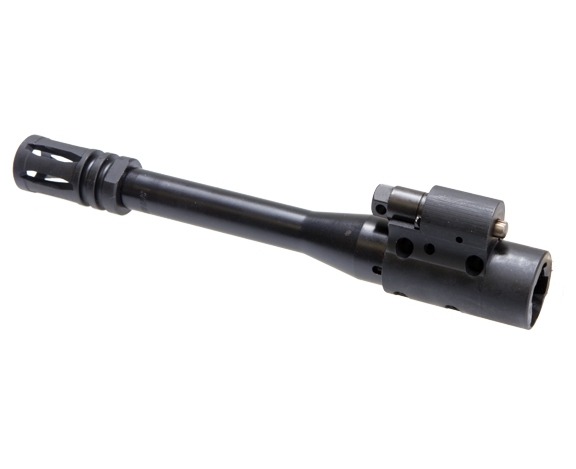
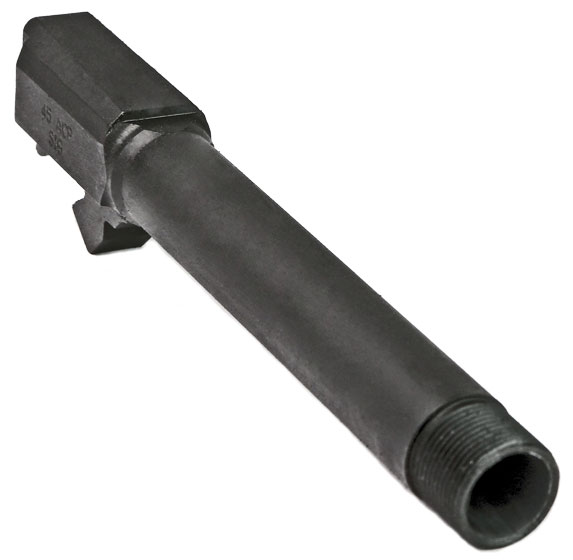
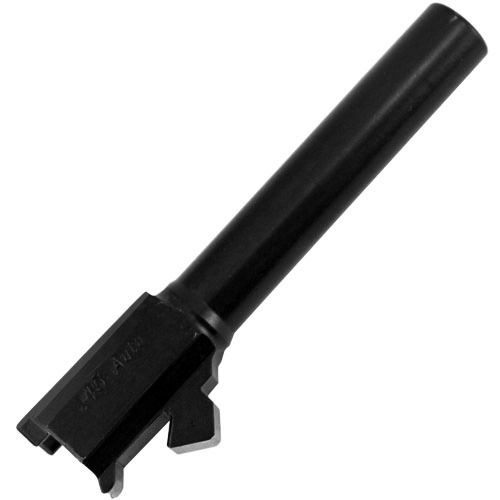
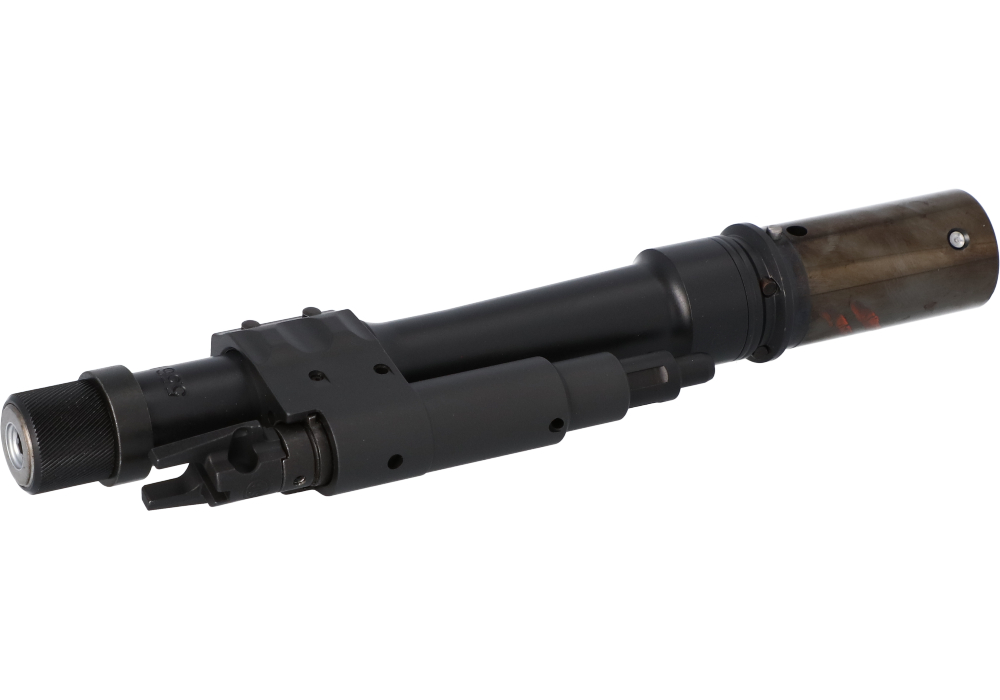
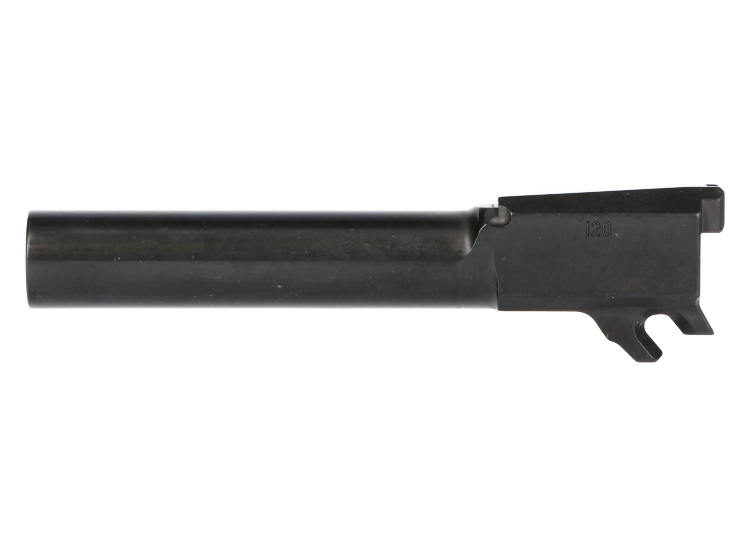
A gun barrel is the precision-machined metal tube that guides a projectile from a firearm, using the pressure created when ammunition is fired. Its interior is called the bore, and its dimensions must correspond with the firearm’s chambering and the ammunition selected for use. Rifling consists of spiral lands and grooves within the bore that impart spin to a bullet, helping it travel with greater stability and consistency. Shotgun barrels may feature a smooth bore or rifling, depending on the intended ammunition and application. Because the barrel is central to how a firearm handles, cycles, and places shots on target, selecting the right one begins with confirming exact compatibility. Important details include caliber or gauge, chamber length, action pattern, overall barrel length, contour, threading, attachment method, and any requirements related to a gas system or handguard. Even a small mismatch can prevent proper installation or create an unsafe condition, so firearm owners should compare the barrel specifications with the manufacturer’s documentation and consult a qualified gunsmith when needed. For those researching related components, the Gun Barrel Parts collection can help organize the search for compatible items and supporting hardware.
Barrel material and production method also influence longevity, weight, maintenance, and precision. Common steel options include 4140 or 4150 chrome-moly steel, valued for strength and service life, along with 416R stainless steel, often selected for precision-focused applications and its resistance to corrosion when properly maintained. A protective finish can add another layer of defense against moisture, fingerprints, and the changing conditions encountered in the field, while a stainless surface may appeal to owners who prefer a clean appearance and straightforward inspection. Button rifling presses spiral grooves into the bore with a hardened tool, while cut rifling removes material one groove at a time and allows highly controlled twist-rate specifications. Neither approach replaces the importance of proper ammunition, sound installation, or careful maintenance. Twist rate describes how quickly the rifling completes one full rotation, and it should suit the bullet weight, length, and profile intended for use. Barrel length can affect balance, sight radius, velocity, and maneuverability: a longer profile may support a steady hold and efficient performance, while a shorter profile can feel easier to carry through thick brush, around a range bench, or in a secured storage case. Contour matters as well. A lighter barrel may be comfortable during long walks, whereas a heavier contour can provide added rigidity and help manage heat during extended range sessions. These choices are personal, and the best selection often reflects the way a firearm is actually carried and used rather than a specification chosen in isolation.
Gun barrels may serve hunters, recreational range users, competitive shooters, collectors, and firearm owners restoring or configuring a compatible platform. A hunter preparing for cooler weather may prioritize manageable weight, dependable corrosion resistance, and a contour that balances naturally while moving through wooded terrain. A range enthusiast may focus more closely on twist rate, bore quality, threading, and the consistency required for repeated groups from a stable bench. A competitor may weigh every ounce and examine how barrel length affects transitions, sight movement, and the feel of the firearm between stages. Barrels can also be thoughtful gifts for an experienced firearm owner when the recipient has identified the correct chambering, dimensions, and installation requirements; a gift card or a conversation about specifications is often more useful than guessing at compatibility. Before purchasing, verify local and state regulations, confirm that the barrel is intended for the exact firearm configuration, and inspect all product details carefully. Installation should be handled according to the firearm manufacturer’s instructions, with headspace and fit checked by a qualified professional whenever the work requires specialized tools or technical judgment. Routine care remains essential after every outing: follow safe unloading procedures, inspect the bore and exterior, remove fouling with appropriate supplies, protect the steel from moisture, and store the firearm securely. During the cooler months, condensation can form when equipment moves between warm rooms and cold outdoor air, making a careful wipe-down and inspection especially worthwhile. With the right specifications, responsible handling, and consistent care, a properly selected barrel can provide a dependable foundation for years of range practice, field use, and responsible ownership.