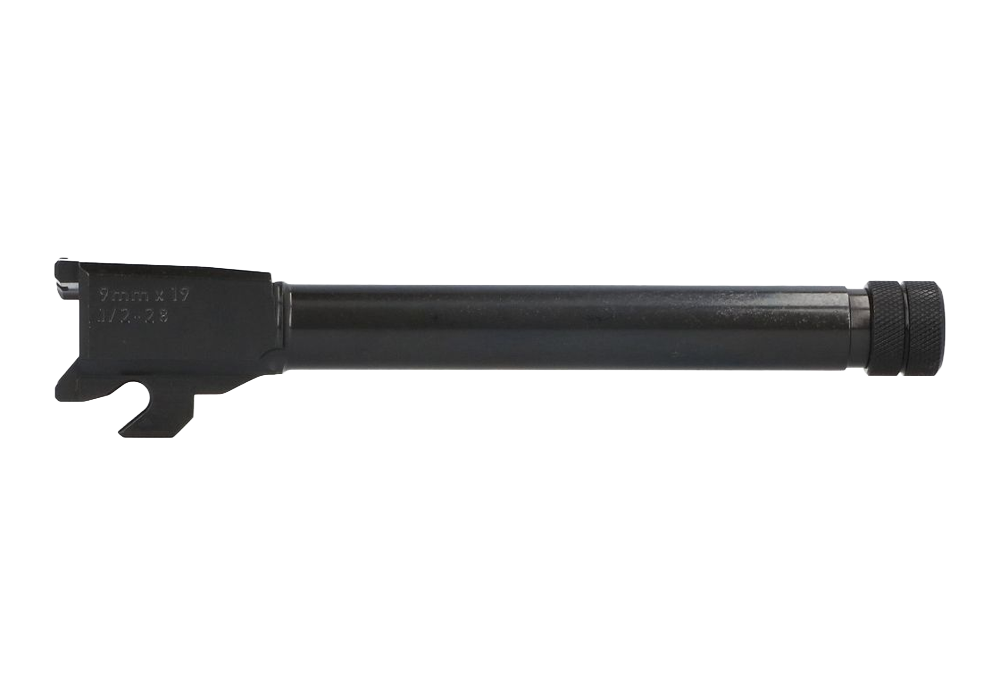
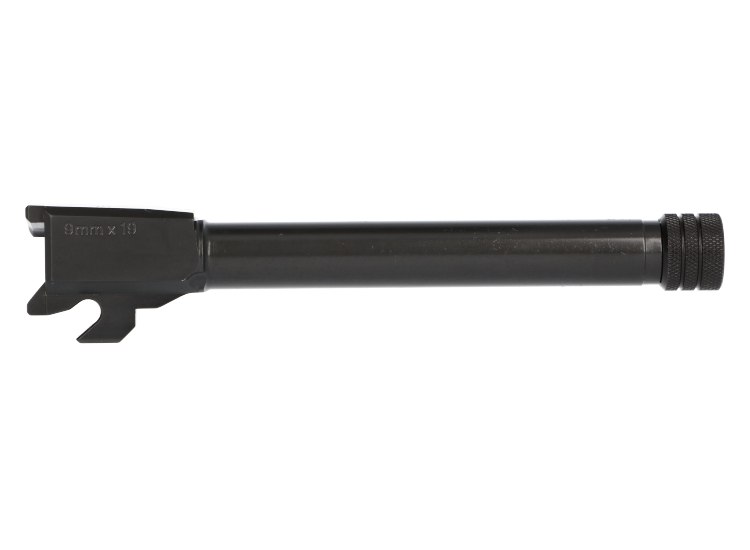
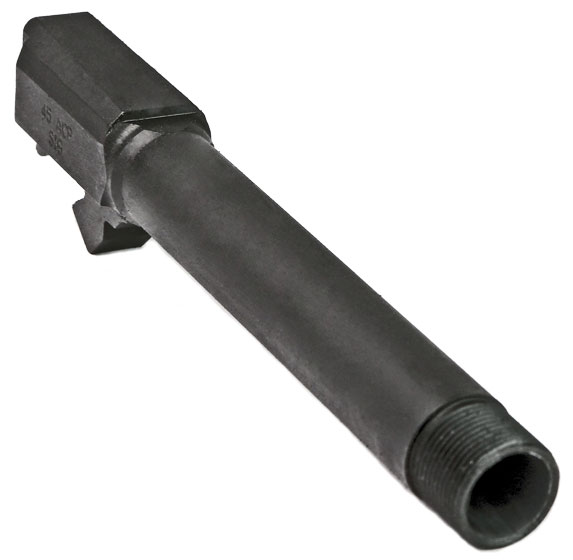
Replacement gun barrels are firearm components intended to replace an existing barrel with one that matches the firearm’s documented specifications and intended use. A barrel contains the bore through which a projectile travels, and many designs also incorporate the chamber, locking surfaces, or other features essential to correct function. That makes compatibility more important than a similar appearance or a matching caliber marking alone. The firearm’s model, generation, action type, chambering, barrel length, exterior profile, and attachment interface can all affect whether a replacement is appropriate. Even closely related firearms may use different barrel dimensions or locking arrangements. Browsing Gun Barrels with the firearm’s exact identification and manufacturer documentation at hand helps keep the selection focused on relevant replacement options. Factory-specification replacements generally preserve the original configuration, while pre-fit barrels are intended for a specifically defined action or platform. A pre-fit designation does not necessarily mean that installation requires no fitting, inspection, or professional work. Barrel blanks are a different category: they require substantial machining and fitting by a qualified professional before they can function as finished firearm components. For any design, correct chamber dimensions, headspace, and engagement with the firearm’s operating system are essential safety considerations. These are not qualities that can be confirmed from a product photograph. A qualified gunsmith can determine whether a barrel is suitable and whether additional work is necessary. For a handgun owner replacing a worn barrel, retaining the original length and exterior dimensions may help preserve familiar handling and compatibility with existing equipment. For a rifle owner, the relevant specifications may include the action interface and barrel contour as well as chambering. The best match is a documented fit for the particular firearm, not simply a barrel described as suitable for the same general category. Clear specifications and professional confirmation matter more than broad compatibility claims.
Materials and construction influence a replacement barrel’s durability, maintenance needs, weight, and suitability for its intended role. Barrel steels are selected and treated to withstand the mechanical and thermal stresses associated with normal firearm use. Stainless steel and carbon steel are common material categories, but the material name alone does not establish quality, service life, or corrosion resistance. Alloy composition, heat treatment, machining, surface finish, and manufacturing tolerances all contribute to the finished component. Stainless steel still requires routine care, and carbon steel may rely on protective finishes and appropriate maintenance to resist corrosion. Some barrel designs incorporate a carbon-fiber exterior around a steel core to balance structural requirements and weight, but suitability remains specific to the firearm and its approved configuration. Exterior contour also matters. A heavier profile can change the firearm’s balance and handling, while a lighter profile may better preserve the feel of a rifle carried over long distances. Barrel length affects overall dimensions and can influence compatibility with cases, holsters, and other equipment; it should not be treated as an isolated measure of quality. Inside the barrel, bore condition, rifling consistency, and chamber finish are relevant to reliable service, while the crown—the finished edge at the muzzle—deserves protection from impact and careless cleaning. Threaded and unthreaded configurations have different compatibility requirements, and any threaded accessory must be appropriate for the barrel and firearm according to the relevant documentation. Finish color or an attractive surface treatment is secondary to these functional details. A shooter noticing a change in familiar target groups may reasonably want the barrel inspected, but a replacement is not automatically the answer. Ammunition differences, sighting equipment, maintenance, and other mechanical factors can produce similar symptoms. Professional evaluation helps distinguish actual barrel wear or damage from unrelated issues. A sound replacement choice addresses a verified need while preserving the firearm’s correct operation, rather than relying on assumptions about appearance, material, or an advertised performance designation.
Intended use gives those specifications practical meaning. Someone maintaining a regularly used range handgun may prioritize an exact factory-compatible replacement that preserves the familiar configuration. A hunter may value the same balance and handling that allow a rifle to sit naturally in the hands during a long walk or settle comfortably into a supported shooting position. A competition participant may need a replacement consistent with both the firearm’s specifications and the rules of the relevant discipline. Owners maintaining an older firearm may face an additional challenge: identifying the precise version and confirming that a replacement matches its original mechanical requirements. In each case, the purpose is to keep a firearm serviceable with a suitable component, not to assume that a new barrel will resolve every concern. Care after installation remains important. Manufacturer-recommended cleaning equipment and compatible solvents help remove fouling without unnecessary abrasion or damage to finishes. Cleaning practices should protect the chamber, bore, muzzle, and any exterior threads, with special attention to avoiding hard contact at precision surfaces. A barrel that looks clean on the outside can still require internal inspection, and visible rust, unusual wear, or damage warrants professional assessment rather than guesswork. There is no universal replacement schedule that suits every firearm: ammunition, firing frequency, maintenance practices, and the original design all influence service life. Following the firearm manufacturer’s inspection and maintenance guidance is more useful than relying on a single round-count rule. Spare barrels also benefit from dry, protected storage that prevents impacts and preserves identifying information. Keeping the component’s documentation with it makes future compatibility checks easier, particularly when several similar firearms are involved. As a gift, a replacement barrel calls for exact knowledge of the recipient’s firearm and intended configuration; a familiar caliber alone is not enough. Thoughtful selection centers on verified fit, appropriate materials, careful maintenance, and qualified installation. Those considerations help a replacement serve its real purpose: supporting safe, dependable use of an existing firearm over time.