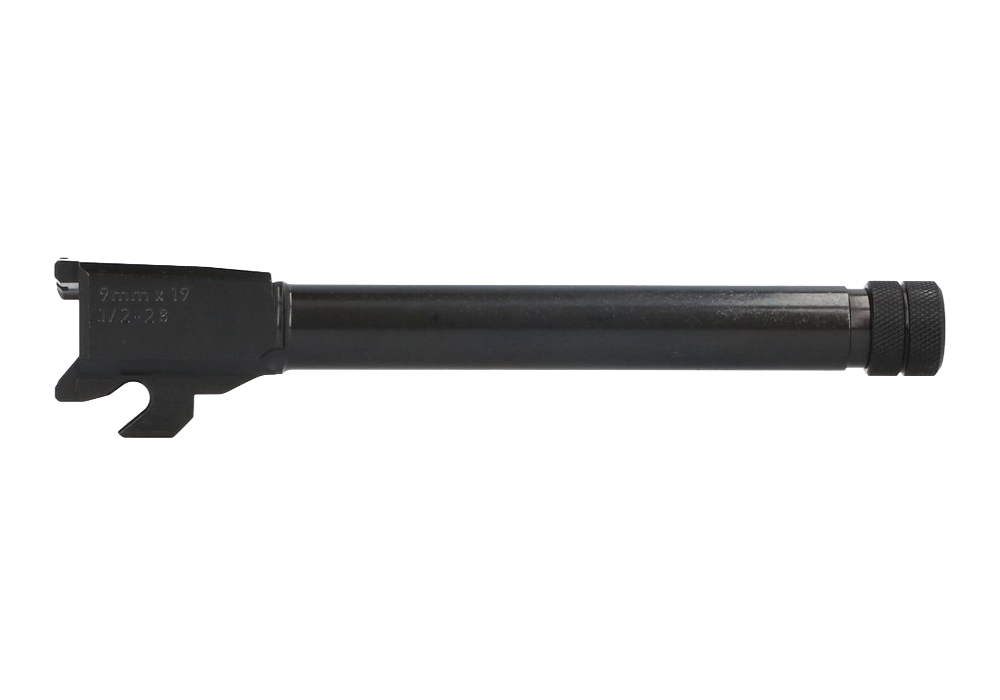
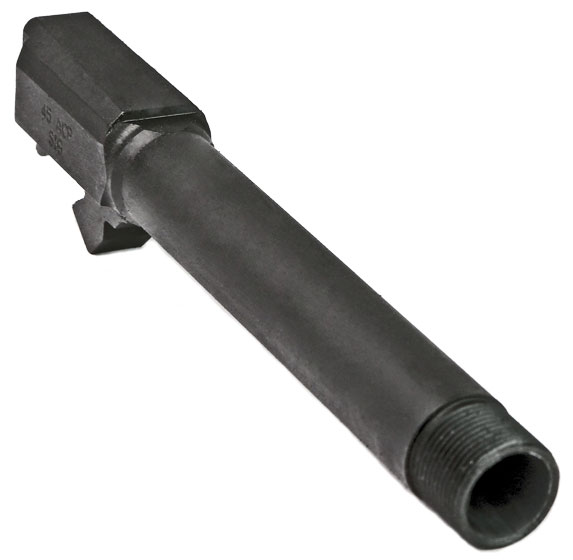
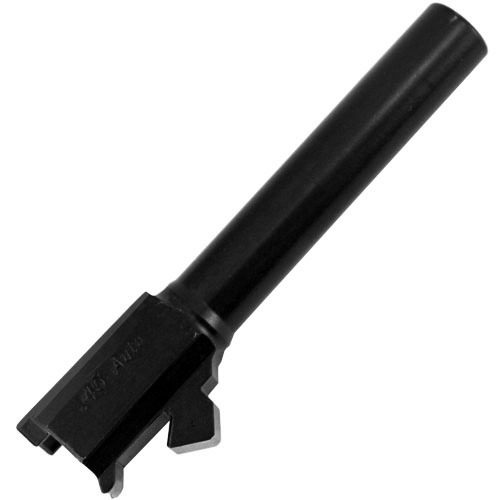
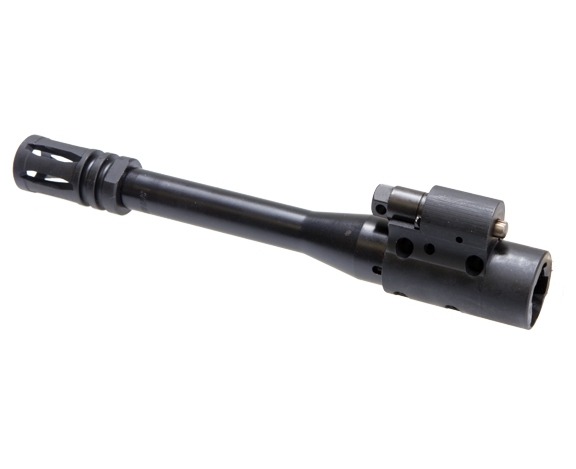
Replacement handgun barrels are practical components for restoring, refining, or adapting a compatible pistol. A barrel may be replaced when the original has accumulated substantial wear, shows visible pitting or damage, or no longer provides the fit and performance expected from a well-maintained handgun. Many owners also choose a replacement barrel when they want a different configuration, such as a threaded muzzle for use with a compatible suppressor or compensator, a match-style barrel intended to support tighter consistency, or a caliber-conversion option approved for their specific platform. Available configurations can include standard and extended lengths, threaded and non-threaded muzzles, fluted and non-fluted profiles, and finishes selected to complement the slide or other components. Pricing commonly falls in the approximate range of $130 to $350, depending on material, finish, barrel length, machining, fitting requirements, and intended use. Before selecting a replacement handgun barrel, identify the exact make, model, generation, caliber, and slide configuration of the firearm. Small differences between similar-looking handguns can affect locking surfaces, feed-ramp geometry, lug dimensions, extractor clearance, and overall compatibility. A barrel designed for one variant should not be assumed to fit another simply because the two pistols share a name or general appearance. Carefully compare the manufacturer’s specifications, confirm whether the barrel is intended as a drop-in or fitted component, and verify all related requirements before placing an order.
The right replacement barrel depends on how the handgun is used and what the owner hopes to change. For a range shooter, a match-grade or precision-oriented barrel can be an appealing upgrade when paired with quality ammunition, a consistent grip, and disciplined practice. It may also provide a fresh, clean bore after years of regular use, giving the pistol a renewed feel without replacing the entire firearm. A threaded barrel can be useful for owners who have a compatible suppressor or compensator and want the flexibility of an accessory-ready muzzle, but thread pitch, shoulder dimensions, overall length, and clearance must all match the intended accessory. A caliber-conversion barrel may allow certain compatible platforms to use another cartridge, although conversion is never simply a matter of inserting a different tube. Magazine compatibility, recoil-spring weight, slide configuration, extractor function, and manufacturer guidance all matter, and some conversions require additional components. Owners of full-size pistols can also explore the selection of Full Size Handgun Barrels when replacing a worn component or selecting a configuration suited to regular range sessions, duty-style training, or competition practice. For someone receiving a replacement barrel as a gift, the most thoughtful approach is to confirm the exact firearm details beforehand. A gift card or carefully verified component is usually more useful than choosing by appearance alone, since an attractive barrel that does not match the recipient’s pistol cannot be safely or properly used.
Installation and inspection deserve the same attention as selection. Some replacement handgun barrels are designed for straightforward installation by a qualified owner, while others may require professional fitting to establish the correct lockup and reliable function. The barrel should seat fully, lock consistently, and maintain appropriate clearance with the slide and frame; unusual movement, resistance, peening, uneven contact marks, or failure to return to battery are reasons to stop and seek assistance from a qualified gunsmith. After installation, function checks should follow the firearm manufacturer’s procedures, and live-fire testing should begin in a controlled range environment with appropriate eye and ear protection. Test with the ammunition intended for regular use, paying attention to feeding, extraction, ejection, point of impact, and any change in recoil or cycling. Threaded configurations should be checked with the accessory removed and installed according to the accessory manufacturer’s instructions, while suppressor use may require a properly rated setup and additional attention to barrel length, alignment, and maintenance. Keep the barrel clean, lightly protected as appropriate, and inspected for unusual wear after shooting, especially during extended range sessions or humid weather. As the weather warms or during the cooler months, a reliable replacement barrel can help keep a frequently used handgun ready for practice, training, and responsible ownership, provided compatibility, installation, and safe handling remain the priority.