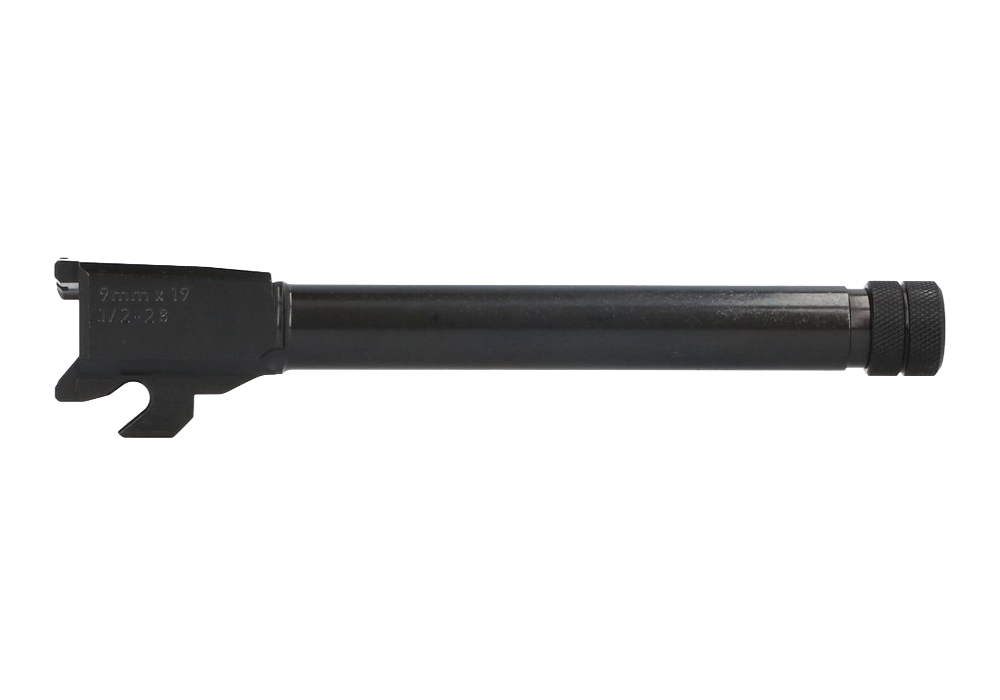
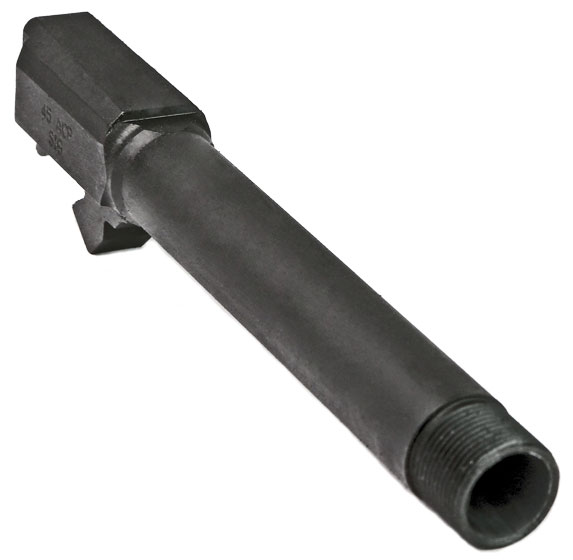
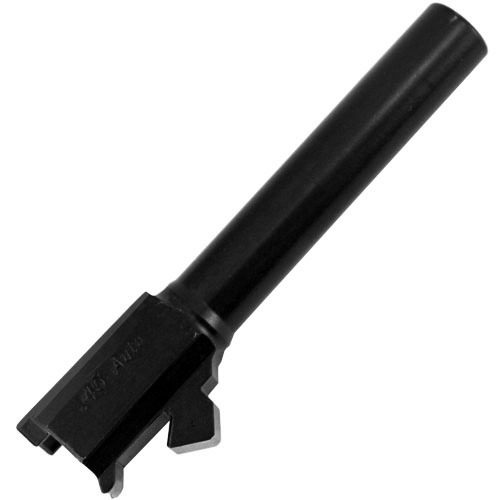
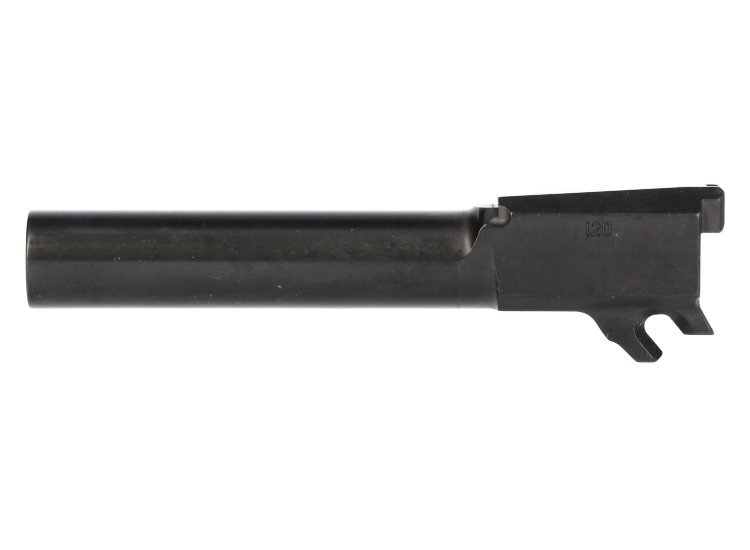
Full size handgun barrels are replacement or upgrade components designed for full-size semiautomatic pistols, typically measuring about 4.5 to 5.5 inches depending on the handgun platform and barrel configuration. A standard-length barrel generally follows the original dimensions of a duty-size or service pistol, while a longer barrel may be associated with a long-slide configuration, a threaded muzzle, or a competition-oriented setup. Choosing the correct barrel begins with platform compatibility: the barrel must be made for the exact handgun model, generation, slide length, caliber, and operating system. Even when two pistols appear similar, differences in locking surfaces, hood dimensions, lug geometry, extractor clearance, or chamber design can make components incompatible. A factory-style replacement is often selected to restore dependable function after wear or damage, while an aftermarket barrel may be chosen for a particular finish, rifling style, target application, or muzzle configuration. Full-size barrels are commonly made from stainless steel or other durable barrel-grade alloys, with finishes such as black nitride, QPQ, or PVD treatments used to help resist corrosion, abrasion, and handling wear. A well-finished barrel can be especially useful for a pistol that sees regular range time, rides in a holster, or is stored for extended periods during the cooler months. For shoppers comparing options, pay close attention to the listed caliber, barrel length, rifling type, finish, and fitment notes rather than relying on appearance alone. A reliable match between the barrel, ammunition, slide, and recoil system is central to safe, consistent operation.
The choice between a non-threaded and threaded full size handgun barrel depends largely on the intended setup. A non-threaded barrel preserves the conventional profile of a service pistol and is often the straightforward choice for general range use, training, duty-style practice, or a replacement that mirrors the original component. A threaded barrel extends beyond the slide and includes muzzle threads for compatible accessories such as a suppressor or compensator, but the thread pitch must match the device precisely. Common specifications may include 1/2x28 for many 9mm configurations, while other platforms use metric patterns such as 13.5x1 left-hand; the correct specification is always the one identified for the specific barrel and accessory combination. Thread protectors help shield exposed threads when no muzzle device is installed, particularly when a pistol is transported in a case or handled around a busy workbench. Extended or threaded barrels may also require attention to overall length, slide movement, holster clearance, and local regulations. Fitment deserves equal consideration. Many standard replacement barrels are marketed as drop-in components, but that term does not eliminate the need to verify function. Match-grade barrels can be manufactured to tighter tolerances and may require professional fitting by a qualified gunsmith to achieve proper lockup. A barrel should seat correctly, allow the slide to cycle as designed, and be tested with appropriate ammunition before a handgun is used for defensive purposes. When browsing this category, shoppers seeking a compact full-size replacement dimension may also want to review 4.4 Inch Barrels for another common length option.
Full size handgun barrels can serve several types of owners. A recreational shooter may choose one as a dependable spare for regular practice, where repeated cleaning, holster contact, and thousands of rounds can eventually make replacement parts a practical part of responsible ownership. A competitive shooter may prefer a carefully finished barrel with consistent lockup and a profile suited to a specific division or muzzle device. Someone maintaining a defensive handgun may want a factory-specification replacement that preserves the familiar handling and sight relationship of the original pistol. These components can also make a thoughtful gift for an experienced handgun owner when the exact model, caliber, and configuration are known; a barrel is not a universal accessory, so confirming those details before purchase is essential. During warmer weather, a clean, corrosion-resistant finish can be valuable for range sessions, outdoor training, or travel between storage and the firing line. As conditions turn cooler, a replacement barrel can be part of a careful inspection and maintenance routine, giving the owner an opportunity to examine the chamber, feed area, rifling, crown, and locking surfaces for signs of unusual wear. Always follow the handgun manufacturer’s instructions, use ammunition in the marked caliber, and have a qualified professional inspect any component that does not fit, lock, or function normally. With the right specifications and careful installation, a full size handgun barrel can help preserve the familiar balance, sight alignment, and dependable operation that make a service-size pistol useful for practice, competition, collection, and responsible defensive readiness.