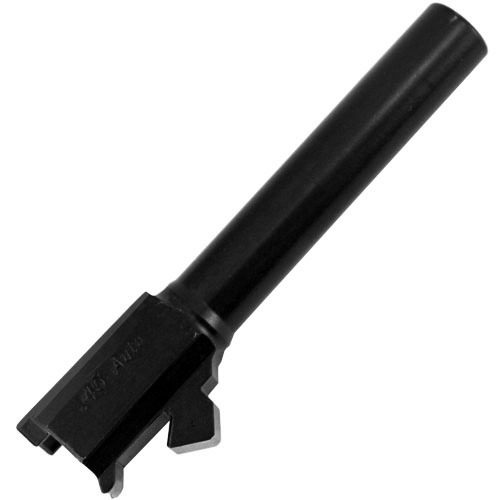
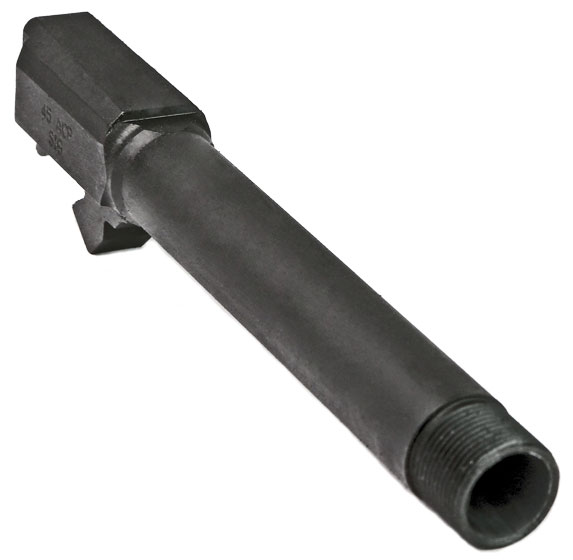
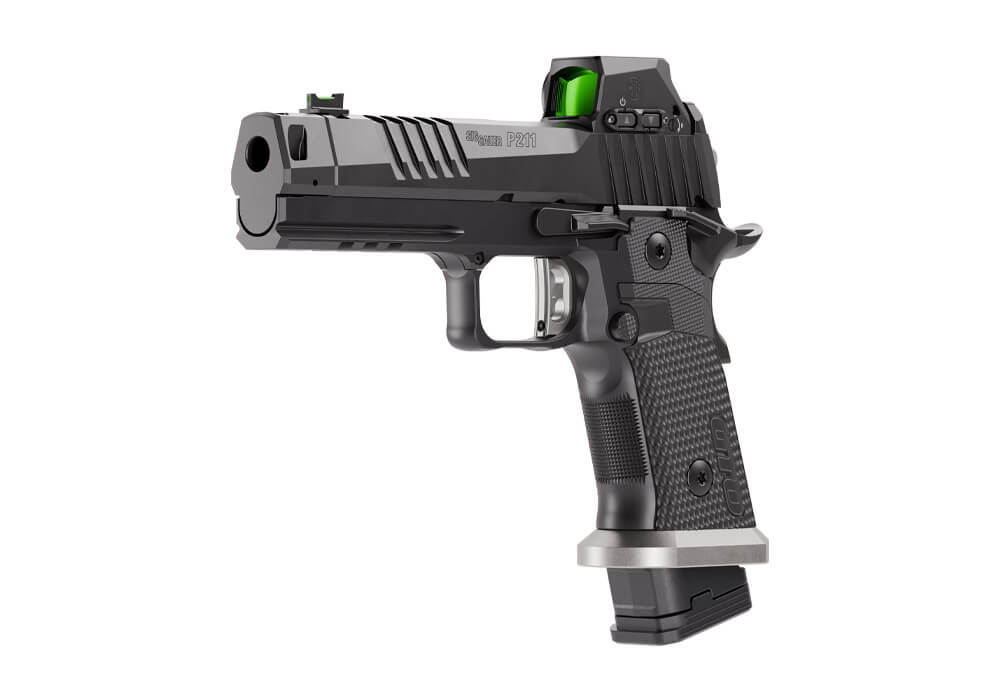
A 4.4 inch barrel offers a well-balanced profile for shooters who want many of the handling advantages associated with a full-size handgun without committing to the added length of a five-inch setup. This barrel length is most commonly found on full-size and compact-duty semiautomatic pistols, where the extra fraction of an inch over shorter carry barrels can contribute to a steadier presentation, a longer sight radius, and useful bullet velocity. For defensive 9mm ammunition, that additional barrel length may help many loads reach the velocity range for which they were designed, while keeping the slide and muzzle manageable for everyday handling. Compared with a sub-compact barrel in the three- to three-and-a-half-inch range, a 4.4 inch barrel generally provides a calmer feel during recoil, a more forgiving sight picture, and a little more forward weight to help the pistol track smoothly between shots. Compared with a five-inch barrel, the difference is modest, but the shorter profile can be easier to clear from a holster, easier to maneuver around a vehicle or doorway, and somewhat simpler to conceal inside the waistband. These characteristics make 4.4 inch barrels a popular middle ground for range practice, duty-style use, home-defense applications, and concealed carry for people whose clothing, build, and training support that choice. A pistol’s barrel length is only one part of its overall design, so consider the grip size, unloaded weight, slide dimensions, trigger system, controls, and intended ammunition before selecting a configuration. A longer grip may influence concealment more than the barrel, while a heavier frame can reduce felt recoil but become less comfortable during extended wear. Reviewing the manufacturer’s specifications, confirming local laws, and handling comparable configurations at a qualified retailer or range can make the selection process more personal and practical.
When comparing 4.4 inch barrel pistols, pay close attention to the way the handgun fits your hands and how naturally it aligns with your vision. At a safe, unloaded counter demonstration, the grip should feel secure without forcing your fingers into an awkward position, and the sights should be easy to find when the pistol is brought to eye level under instruction. A longer sight radius can reduce the visible effect of small alignment errors when using iron sights, although practical accuracy still depends on the shooter, ammunition, trigger control, and consistency. Optics-ready slides, accessory rails, interchangeable grip panels, ambidextrous controls, and illuminated or high-contrast sights may be valuable depending on how the handgun will be used. For a home-defense firearm, consider secure storage, a dependable light, a holster or lockable bedside solution that keeps the trigger protected, and a training plan that includes movement, safe identification of a target, and operation in reduced light. For range use, look for a configuration that remains comfortable through a full practice session. The first few magazines may feel effortless, but small differences in grip angle, trigger reach, recoil impulse, and slide operation become much more noticeable during a long afternoon of drills. Shooters who carry should evaluate holster compatibility, belt support, clothing coverage, access while seated, and whether the overall setup remains comfortable during ordinary activities such as driving, walking, or working at a desk. Practice with the exact handgun, magazines, sights, and defensive ammunition intended for use, and follow all applicable storage and transport requirements. Ammunition selection should also be deliberate: use loads approved for the firearm, confirm reliable function, and reserve defensive ammunition testing for a controlled range environment. A standard-capacity magazine may suit some users, while an extended-capacity option can provide a different balance of grip length, weight, and concealment; neither choice replaces safe handling and regular training.
A 4.4 inch barrel can also be a thoughtful choice for an experienced shooter who is helping a family member begin responsible handgun ownership, although any firearm gift should be handled with care and in accordance with applicable laws. Rather than choosing solely by appearance, consider the recipient’s hand size, physical comfort, experience level, storage arrangements, and access to professional instruction. A secure locking device, quality eye and ear protection, a basic cleaning kit, and a lesson with a certified instructor can be more useful than accessories selected without knowing how the handgun will be used. New owners benefit from learning the fundamentals in a calm setting: treating every firearm as loaded, keeping the muzzle pointed in a safe direction, keeping the trigger finger outside the trigger guard until ready to fire, and knowing the target and what lies beyond it. Experienced competitors may appreciate the way a 4.4 inch barrel balances a quick draw, predictable recoil, and a sight radius that supports precise target work, while homeowners may value a manageable package that is substantial enough to control without feeling unwieldy. Those who prefer a different platform or a significantly longer barrel can also explore options such as 24 Inch Barrel Tactical Rifles, but rifle dimensions bring different storage, handling, and training considerations. Across the warmer and cooler parts of the year, the best 4.4 inch barrel setup remains the one that fits the shooter, works reliably with properly selected ammunition, and can be stored, carried, and practiced with responsibly. Browse the available configurations with those priorities in mind, compare the specifications carefully, and choose a setup that feels dependable in the hand and realistic for the way it will be used.