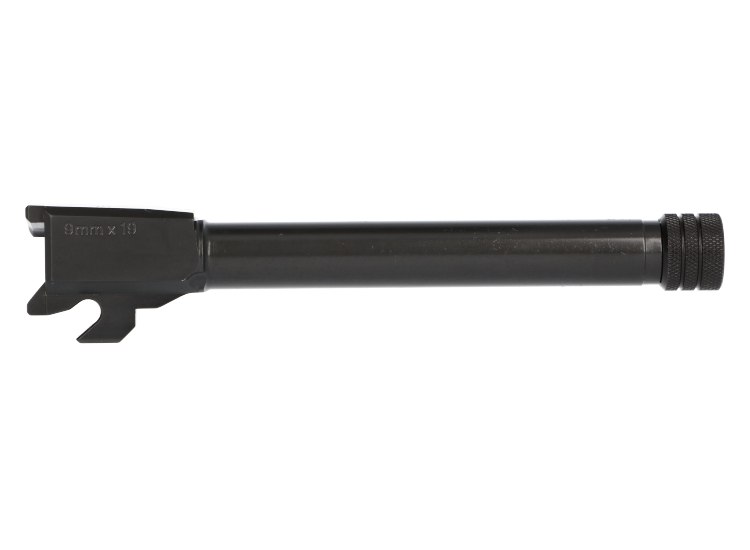
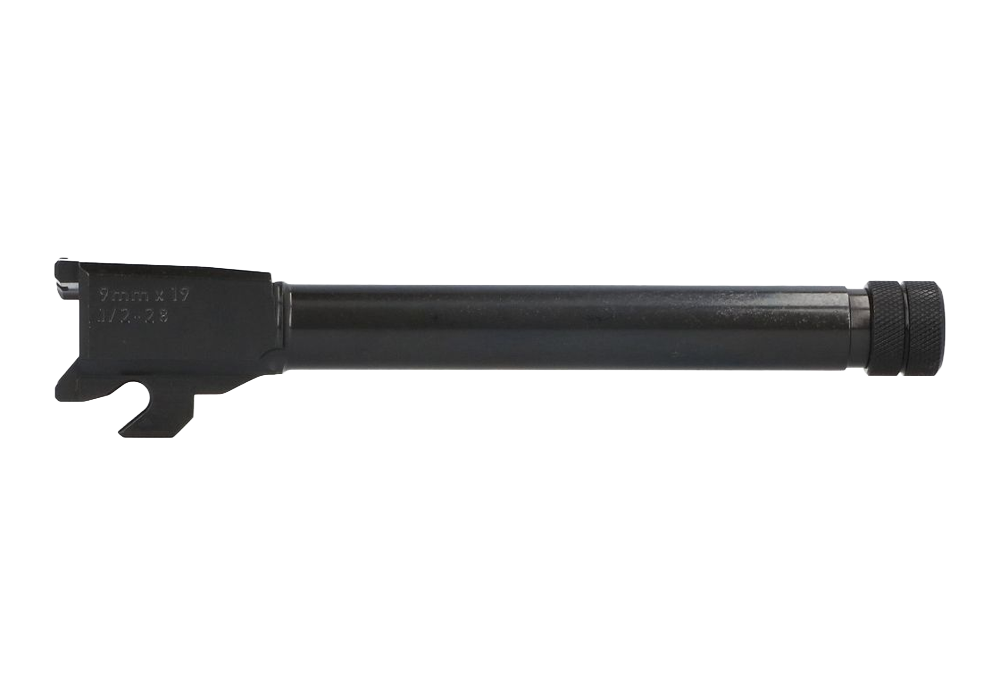
Five-inch barrels occupy a specialized place in the world of compact firearms, offering an exceptionally short configuration for users who value maneuverability, reduced overall length, and easy handling in confined spaces. These barrels are commonly associated with compact AR-style platforms, pistol-caliber builds, and select handgun configurations, although the exact fit and intended use depend on the firearm, chambering, operating system, and manufacturer specifications. A shorter barrel can make a firearm easier to transport in a properly secured case, more convenient to handle around vehicles or tight indoor environments, and less cumbersome during range practice. It can also create a particularly compact platform for experienced owners who understand the tradeoffs that come with reducing barrel length. The difference is immediately noticeable when moving through a safe, checking a case for transport, or bringing a firearm onto a shooting bench: there is less length extending forward, less weight at the muzzle, and often a more agile feel in the hands. At the same time, five-inch configurations are not simply standard barrels cut down without other considerations. The gas system, ammunition, twist rate, muzzle device, handguard, and overall build must work together for reliable and predictable performance. On a gas-operated platform, an extremely short barrel provides limited dwell time, meaning the distance and time available for propellant gases to operate the action are reduced. A compatible micro-length or specialized pistol-length gas system may therefore be important, and buyers should verify that the barrel and upper assembly are designed to function together rather than assuming every component will be interchangeable.
Chambering is one of the most important considerations when comparing 5 Inch Barrels. A short barrel generally produces less velocity than a longer barrel, and the difference can be more pronounced with cartridges that were developed around longer platforms. With 5.56 NATO or .223 Remington, for example, users should expect increased muzzle blast, visible flash, and a reduction in velocity compared with common carbine-length configurations. Those characteristics do not automatically make a short barrel unsuitable, but they do make ammunition selection, hearing protection, muzzle-device choice, and realistic expectations especially important. Some experienced builders look to .300 Blackout for compact platforms because that cartridge is designed to perform efficiently from shorter barrels, particularly when paired with projectiles and loads appropriate to the intended use. Nine-millimeter options can also be attractive for compact pistol-caliber platforms, with familiar ammunition availability and a shooting experience that may be easier to manage for some users. Twist rate deserves close attention as well. A fast twist rate, such as 1:5, may be selected to stabilize certain projectiles as they leave a short barrel, but the correct rate depends on bullet weight, bullet construction, cartridge, and the firearm’s specifications. Buyers should confirm compatibility before purchasing a loose barrel or complete upper, paying careful attention to chamber dimensions, feed-ramp design, thread pattern, gas-block requirements, handguard clearance, and the intended ammunition. A short configuration can be particularly useful for experienced range users, collectors, and owners building a compact platform for lawful recreational shooting, but it may not be the easiest choice for a first-time owner. The sharp report and pronounced muzzle flash can be more noticeable under a covered firing line or in an indoor range, while the shorter sight radius on some handguns may require more deliberate practice. Quality eye and ear protection, a stable shooting position, and instruction from a qualified professional help make the experience more comfortable and productive.
When selecting a five-inch barrel, start with the complete firearm or build rather than viewing the barrel as an isolated part. Confirm the receiver pattern, operating system, gas length, barrel extension, caliber marking, twist rate, thread specifications, and compatibility with the intended muzzle device or suppressor, where legal and appropriate. A suppressor-ready thread pattern may add flexibility, but any suppressor use requires careful attention to regulations, mounting systems, alignment, ammunition, and manufacturer guidance. The short overall length can be valuable for transport and storage, yet it also places greater emphasis on safe handling because the muzzle may be easier to swing across nearby objects or people if the owner becomes careless. Treat every firearm as loaded, keep the muzzle pointed in a safe direction, keep the finger outside the trigger guard until ready to fire, and store the firearm unloaded and secured when not in use. Local and federal laws may apply differently to pistols, rifles, short-barreled configurations, braced platforms, suppressors, transfers, and transportation, so buyers should review current requirements and obtain qualified legal guidance when necessary. For shoppers comparing compact options, an even shorter format such as 3.6 Inch Barrels may suit a different build, while a five-inch setup can offer a useful middle ground between minimal length and practical handling. These barrels can be a thoughtful gift for an experienced shooter when the recipient’s chambering, platform, and legal requirements are already known, but firearms and major components should never be purchased as surprises without confirming fit and transfer details. Whether used for structured range sessions, a carefully planned compact build, or collection development, the best five-inch barrel is one that matches the entire system and the owner’s experience level. During the cooler months, when range time often calls for deliberate preparation and dependable equipment, a properly matched short barrel can provide a compact, distinctive setup with clear advantages and equally clear considerations.