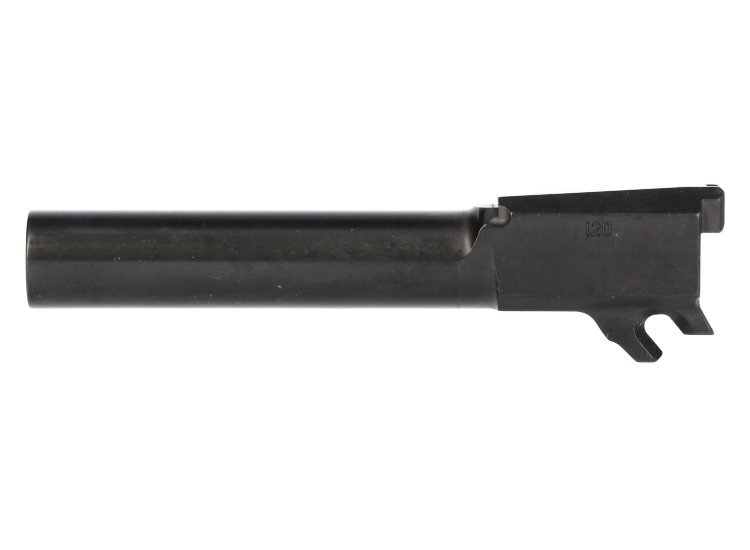
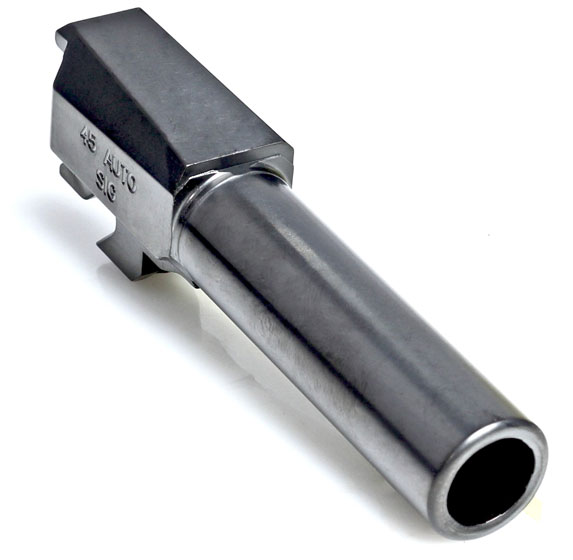
3.6 inch barrels are a popular choice for compact and subcompact handguns because they offer a practical balance between portability, shootability, and everyday handling. A barrel in this length range is compact enough to support comfortable inside-the-waistband carry while still providing a useful sight radius and a grip that many shooters find easier to control than a smaller pocket-oriented handgun. For shoppers comparing barrel lengths, a 3.6-inch configuration can be a versatile middle ground: shorter than many duty-size or full-size setups, yet long enough to provide a steady feel in the hand and dependable performance with common defensive and practice ammunition. The reduced overall length may also make a handgun easier to store securely, transport in accordance with local requirements, and draw from a properly fitted holster during training. As with any firearm component, barrel length should be considered alongside the frame size, slide dimensions, grip profile, unloaded weight, optic or sight system, and the intended role of the handgun. A compact setup that feels balanced during a few careful shots at a counter may feel different after an extended range session, so comfort, control, and fit deserve as much attention as the number printed in the product specifications. Shooters who prefer a longer sighting plane, additional forward weight, or the characteristics associated with a larger handgun may want to compare these options with Full Size Handgun Barrels before making a final selection.
When selecting a 3.6-inch barrel, start with exact compatibility rather than relying on general descriptions such as “compact” or “subcompact.” Barrel fit can depend on the firearm’s model, generation, chambering, slide assembly, locking system, recoil spring arrangement, and whether the handgun is configured for an optic or other accessories. A standard replacement barrel is often the straightforward choice for restoring an existing handgun to its original configuration, while a threaded barrel may be considered by owners whose setup and local regulations allow compatible muzzle devices or suppressor use. Threaded configurations typically require additional attention to thread specifications, thread protectors, timing, and the relationship between the barrel and the slide, frame, recoil system, and any mounted accessory. Not every compact handgun accepts every barrel marketed for a similar length, and a barrel intended for one chambering should never be treated as interchangeable with another. Review the manufacturer’s fitment information, confirm the exact firearm designation, and consult a qualified gunsmith when specifications are unclear. It is also wise to inspect the feed ramp, locking surfaces, crown, and chamber area for clean machining and a consistent finish, while remembering that appearance alone cannot establish safe function. After installation, function checks and careful range testing with the intended ammunition can help verify feeding, extraction, lockup, and point of impact. Firearms should be unloaded during inspection and installation, and all work should be completed with the firearm pointed in a safe direction and handled according to the owner’s manual and applicable law.
For concealed-carry users, a 3.6-inch barrel may help reduce the amount of slide and barrel extending below the belt line, particularly when paired with a properly designed inside-the-waistband holster and a compact frame. That shorter profile can be helpful when sitting in a vehicle, moving through a busy workday, or dressing in lighter layers as the weather warms, while the additional length compared with very small carry handguns may provide a more familiar grip and steadier handling. The tradeoff is that a shorter barrel generally produces somewhat lower velocity than a longer barrel firing the same ammunition, and it may offer a shorter sight radius when using traditional iron sights. Ammunition selection, recoil characteristics, and reliable function should therefore be evaluated with the specific handgun rather than assumed from barrel length alone. Red-dot optics can change how shooters approach sight alignment, but they also introduce their own requirements for mounting compatibility, maintenance, batteries, and training. A 3.6-inch barrel can also suit new owners who are building confidence through supervised instruction, experienced shooters seeking a compact range or carry configuration, and responsible enthusiasts assembling a practical spare or replacement setup. It may be a thoughtful gift for an adult firearm owner when the recipient’s exact model, chambering, and preferences are already known, though transfers and purchases must always follow applicable laws and retailer requirements. During the cooler months, when heavier clothing may change concealment and holster comfort, it is worth reassessing how the complete handgun setup rides, draws, and remains secure. Whether the goal is routine practice, a replacement for a worn component, or a carefully matched compact configuration, the best 3.6-inch barrel is one that fits the firearm precisely, supports consistent control, and complements the owner’s training, storage, and responsible-use habits.