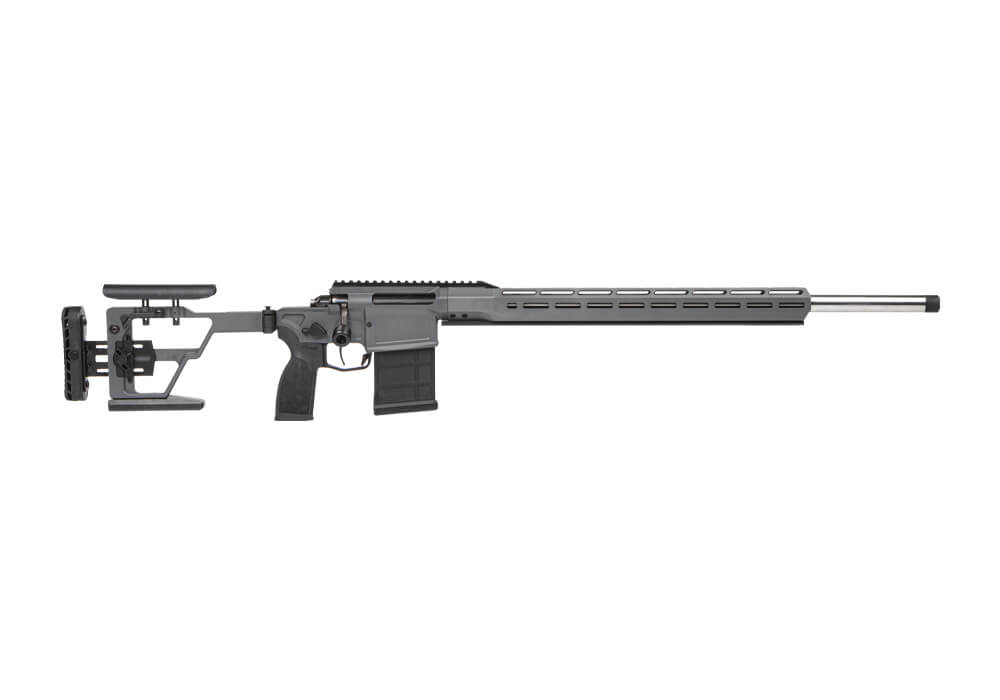
A 24 Inch Barrel Tactical Rifle is often selected by shooters who value stability, velocity, and consistent performance at extended distances. The longer barrel gives propellant more time to work behind the projectile, which can help produce higher muzzle velocity and a flatter trajectory when compared with shorter configurations chambered in the same cartridge. That additional length may also contribute to smooth handling from a supported position, especially when the rifle is used from a bench, prone position, tripod, or pack-supported field setup. For precision-oriented work, these rifles are commonly paired with cartridges such as 6.5 Creedmoor, 6mm Creedmoor, .308 Winchester, and magnum options, though the right choice depends on the shooter’s goals, local availability, and experience level. A 24-inch tactical rifle can suit target shooters building confidence at longer distances, hunters who prefer a stable platform in open country, and trained professionals whose equipment requirements call for repeatable precision. It can also be a thoughtful gift for an experienced shooter, provided the recipient’s preferences, local regulations, and safe storage arrangements are understood in advance. Before selecting a rifle, consider the intended range, typical terrain, transportation needs, and whether the rifle will spend most of its time on a firing line or in the field. A longer barrel adds forward weight and overall length, so it may feel less agile in dense brush, vehicles, or confined shooting positions than a shorter setup. For shoppers who prioritize compact handling and a familiar intermediate cartridge, the 16 Inch 5.56 Tactical Rifles collection offers a useful point of comparison.
The best 24 Inch Barrel Tactical Rifles balance barrel profile, action design, stock fit, trigger feel, and optic compatibility rather than relying on barrel length alone. A heavier barrel can resist heat-related shifts during longer strings of fire, while a lighter profile may be easier to carry across uneven ground. Carbon-wrapped and other lightweight construction approaches can help manage overall weight, but each rifle should be evaluated as a complete system that includes the optic, mount, bipod, sling, and ammunition. Bolt-action platforms are often chosen for deliberate precision work because their operation is straightforward and their lockup supports consistent shot placement. Semi-automatic configurations may appeal to shooters who value faster follow-up shots and a familiar manual of arms. An adjustable stock can help align the eye naturally behind the optic, while an adjustable cheek rest and length of pull can improve comfort when wearing heavier clothing during cooler months. Look for a handguard or forend that accepts the accessories you actually plan to use, such as a bipod, barricade stop, sling attachment, or compatible mounting system. Threading at the muzzle may provide flexibility for a brake or sound suppressor where lawful, but muzzle devices can affect length, balance, blast, and the rifle’s overall feel. Magazine dimensions and feeding reliability also deserve attention; choose a standard or extended option only when it suits the platform, range rules, and intended use. Examine the trigger for a clean, predictable break, and check that the safety, bolt handle, magazine release, and stock adjustments are easy to operate without disturbing your position. Small ergonomic details become especially noticeable during a long session, when the rifle rests against a pack and every control must be found by feel.
A careful purchase plan should include more than the rifle itself. Match the optic’s magnification range and reticle to the distances you realistically expect to shoot, then select rings or a mounting system that provide a secure, properly aligned fit. Ammunition performance can vary from one rifle to another, so a methodical zeroing session with several suitable loads can help identify what the rifle prefers. Keep a record of sight settings, weather conditions, ammunition lot information, and group results; notes written beside a quiet bench on a cool morning can be surprisingly valuable when conditions change later. Training is equally important. New owners should begin at modest distances, confirm safe handling habits, learn the rifle’s controls, and work with a qualified instructor before extending their range. Always follow the owner’s manual, range rules, and applicable laws, and use a secure storage method that prevents unauthorized access. During the cooler months, inspect the rifle after moving between warm interiors and cold outdoor air, since condensation can affect metal surfaces and optics. A sling, protective case, lens covers, chamber safety device, cleaning supplies, and a stable rest can round out a practical setup without adding unnecessary equipment. Whether the goal is paper precision, steel at distance, field practice, or a carefully chosen gift for a knowledgeable shooter, a 24-inch tactical rifle rewards thoughtful matching of cartridge, configuration, accessories, and training. The right combination should feel steady from the shoulder, predictable from the bench, and manageable throughout the full session.