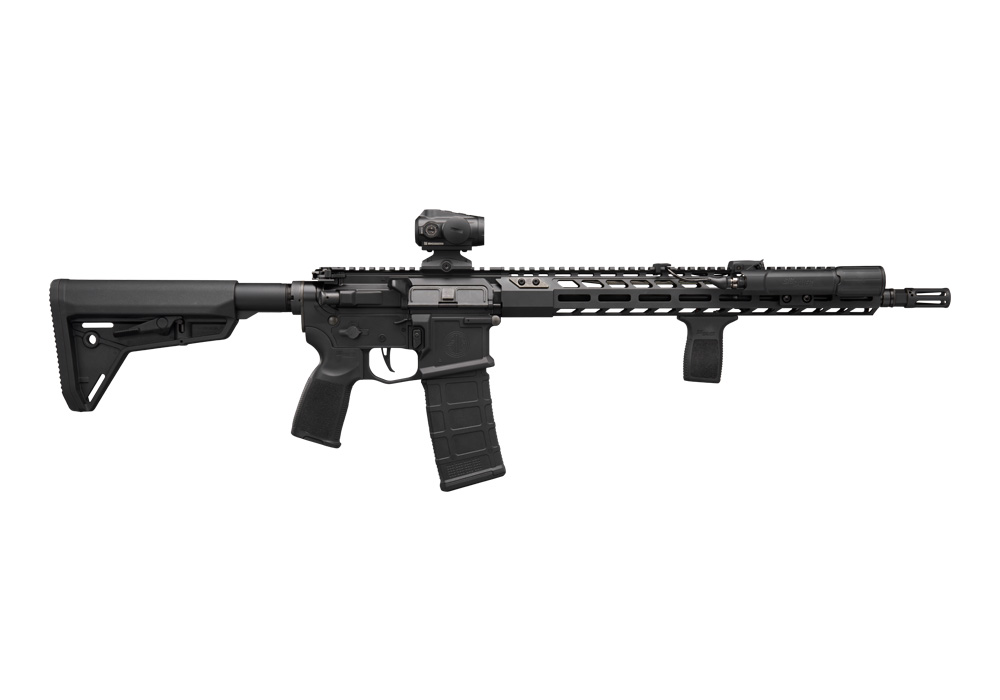
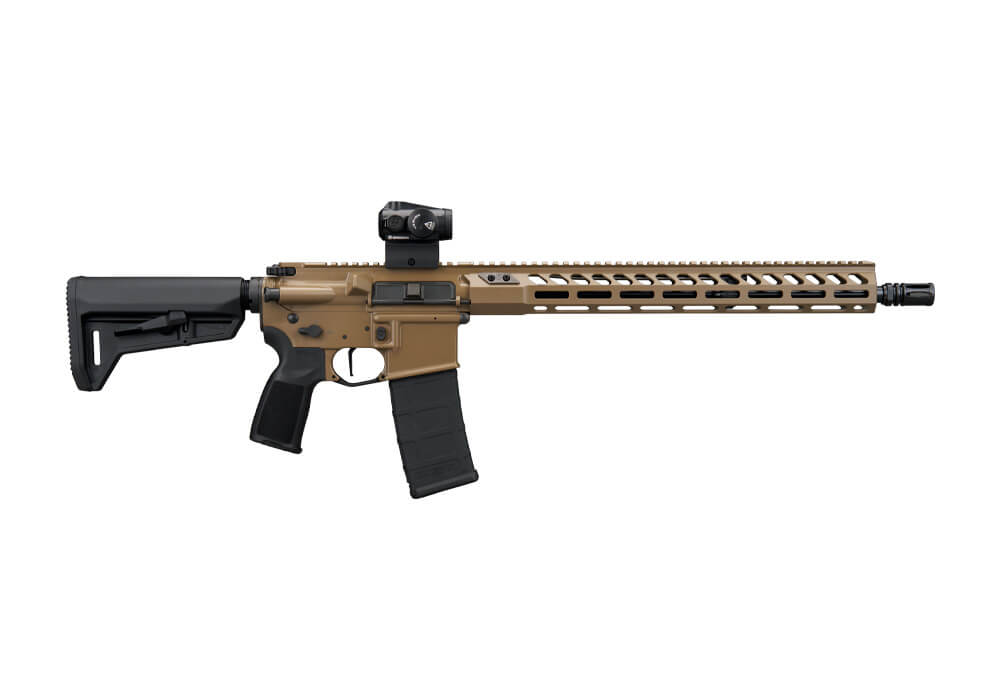
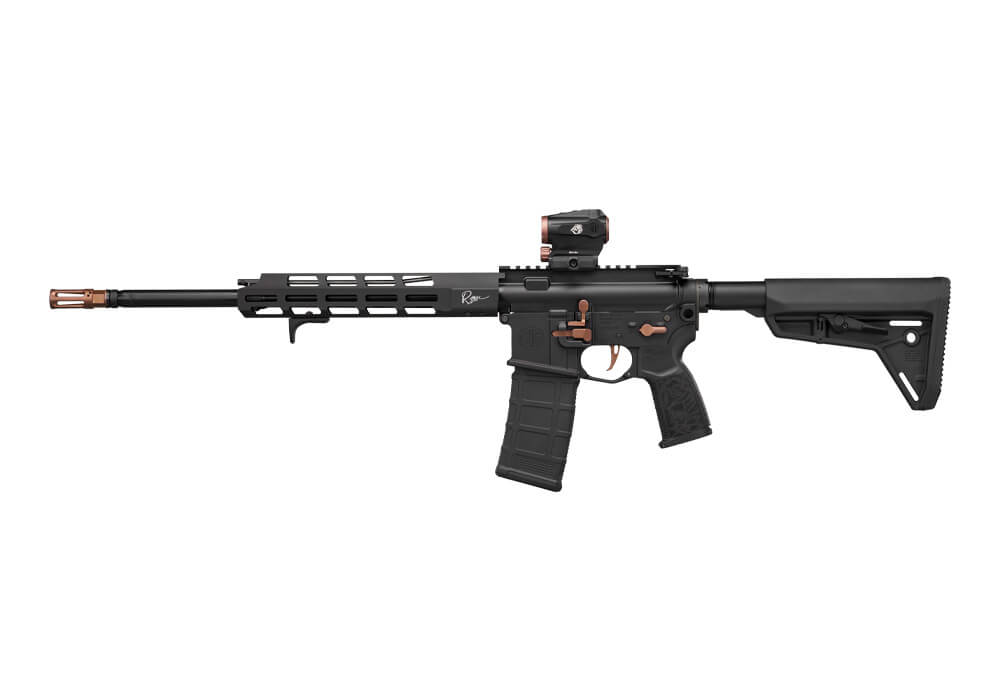
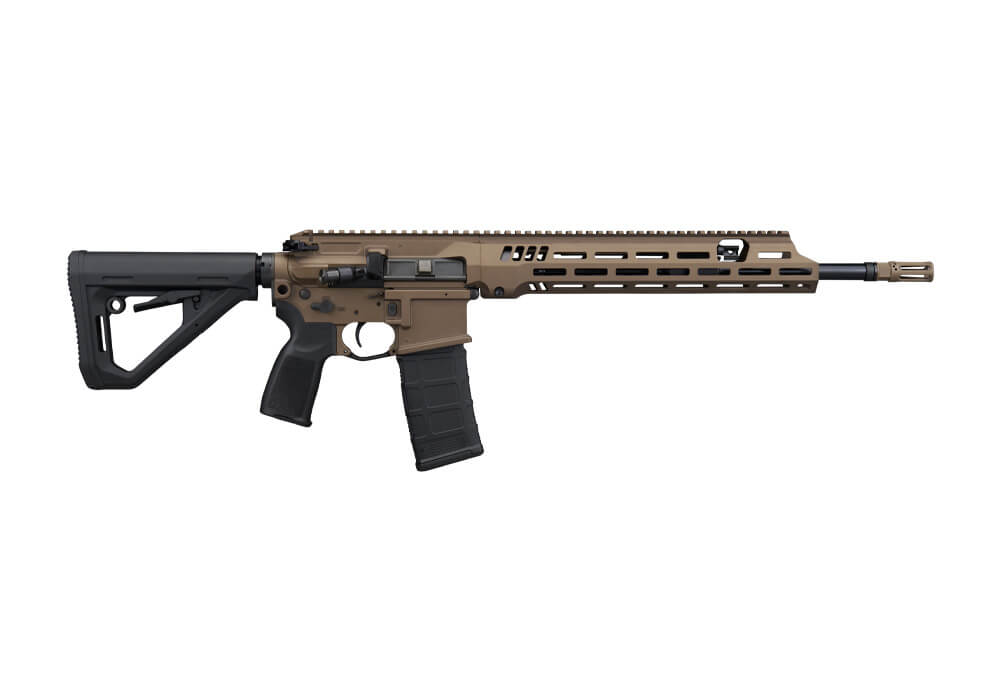
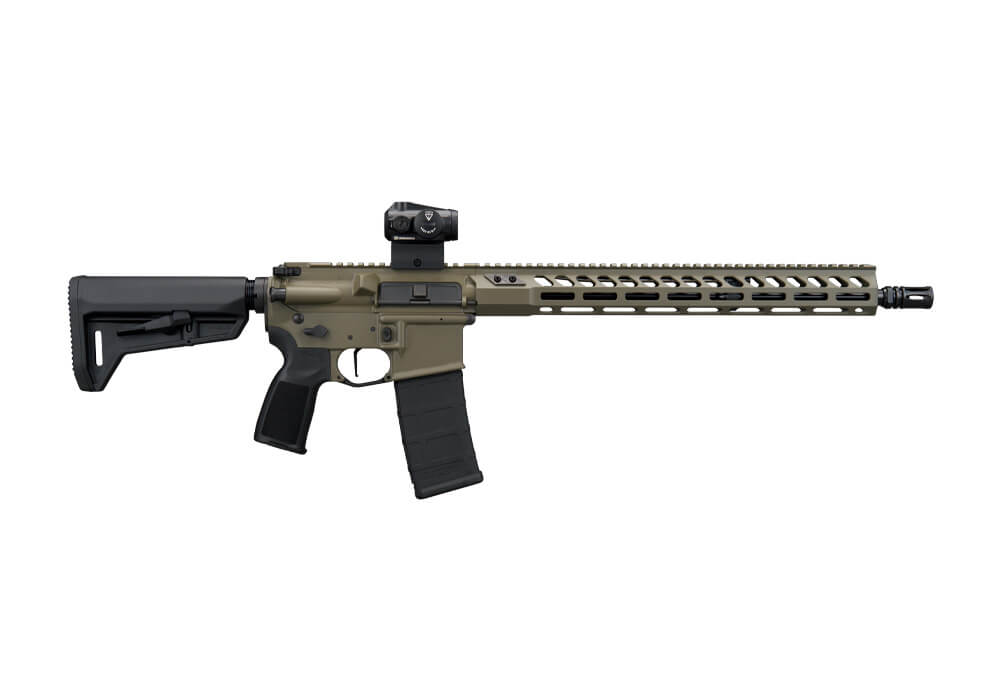
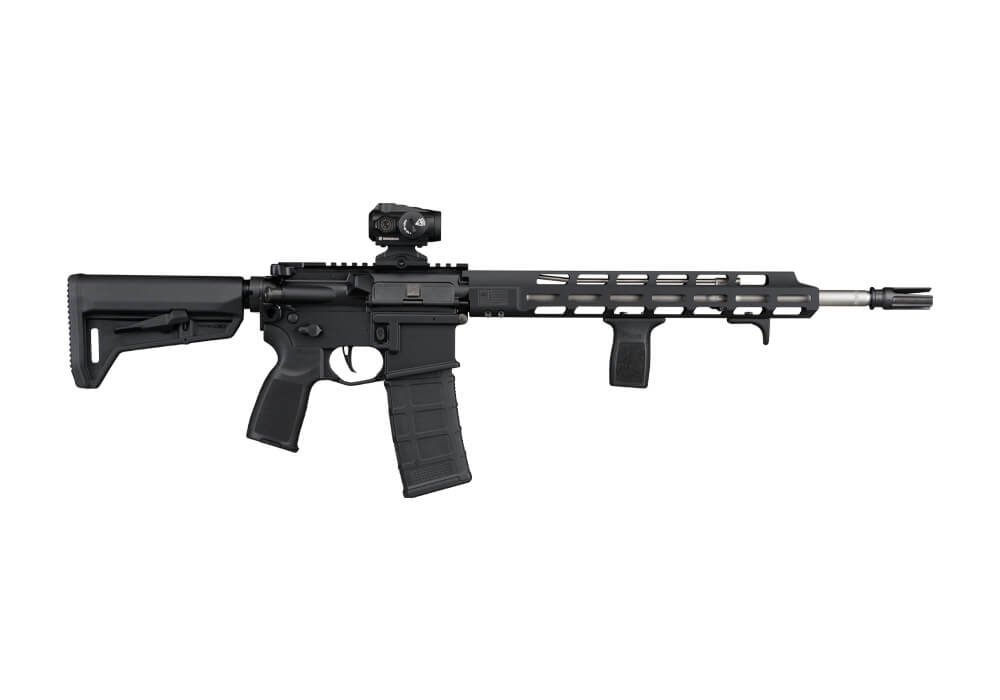
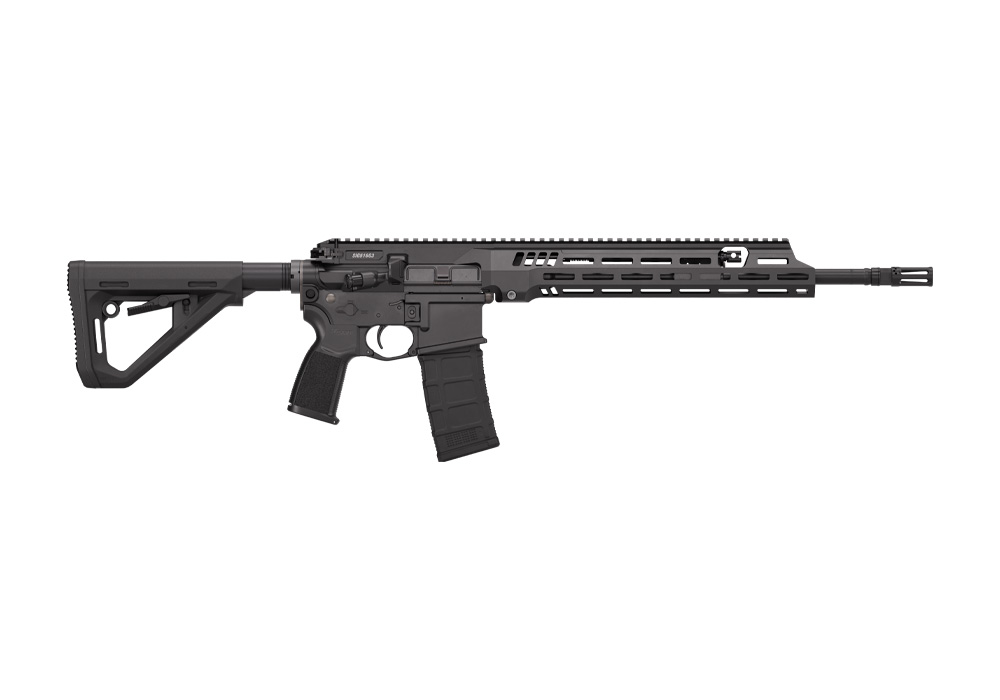
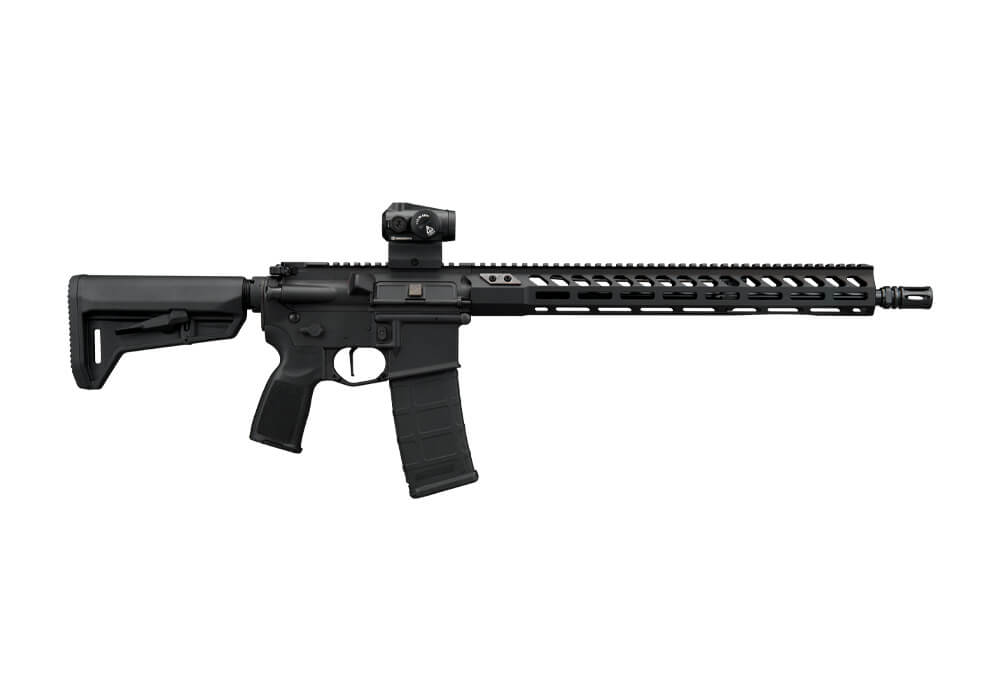
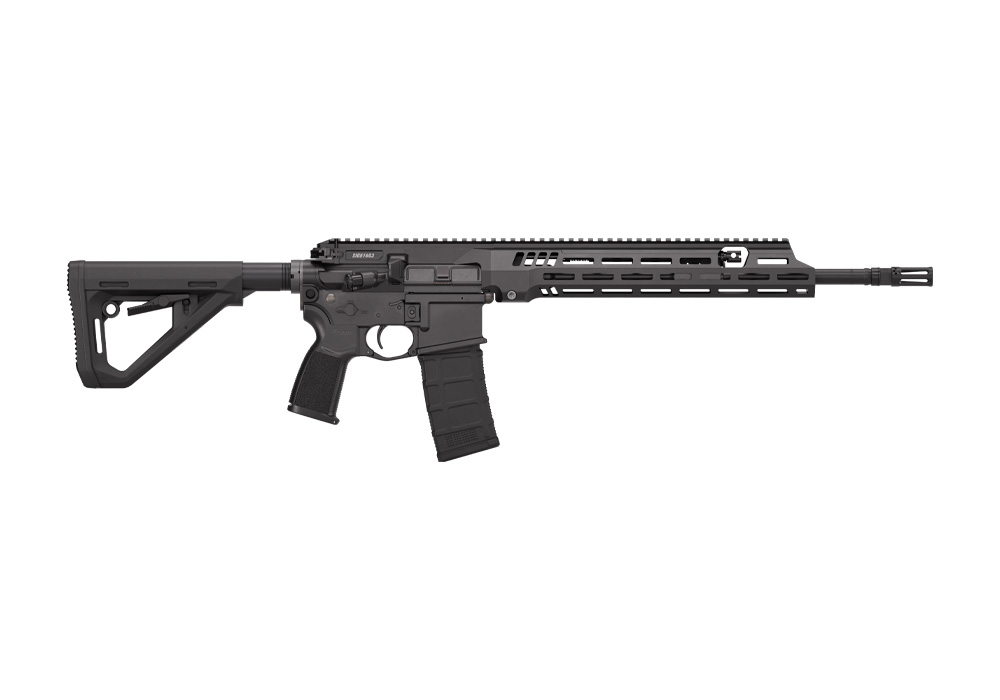
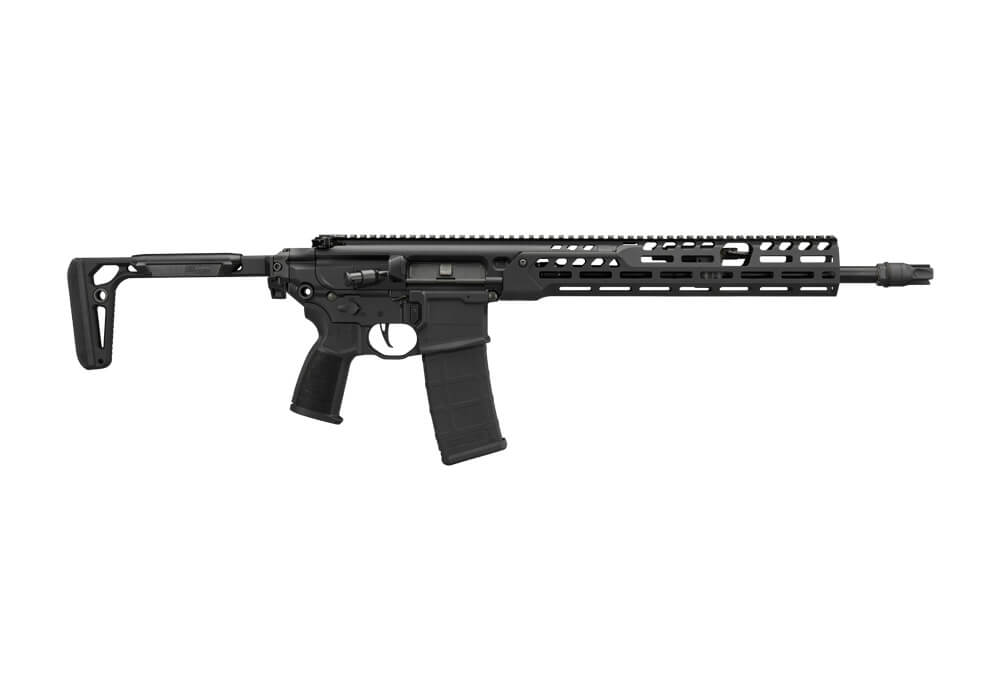
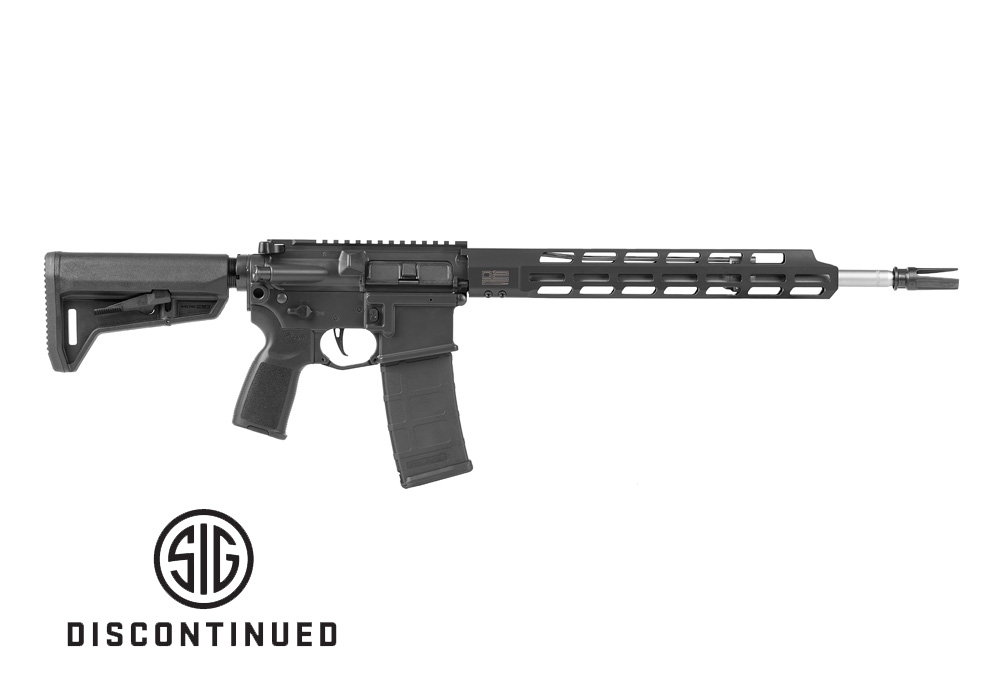
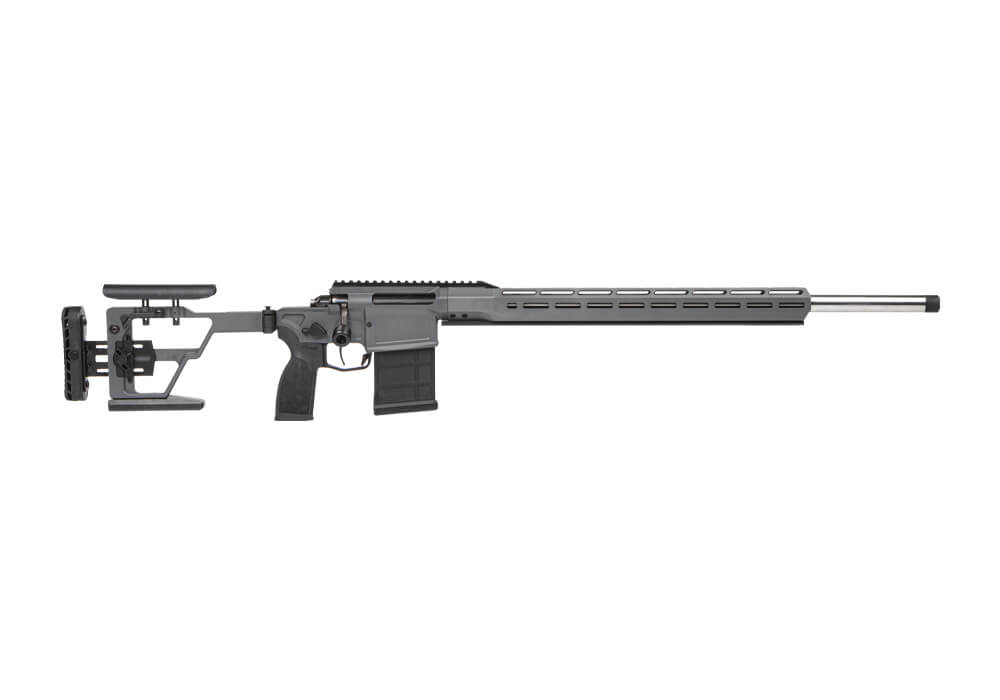
A 16-inch 5.56 tactical rifle offers a practical balance of handling, reach, and accessory compatibility for shooters who want a versatile semi-automatic platform. The 16-inch barrel keeps the overall setup manageable in tight spaces, around vehicles, and on busy range lanes, while retaining useful velocity for mid-range practice and field applications. With the right ammunition and a capable shooter, this configuration can support accurate work at distances extending well beyond typical carbine drills, though real-world results depend on barrel quality, ammunition selection, optics, weather, and training. The 5.56 cartridge is widely available in a broad range of bullet weights and performance styles, giving owners flexibility for paper targets, steel targets, training exercises, and lawful sporting use. A rifle in this category may suit a first-time rifle owner seeking an adaptable platform, an experienced shooter refining fundamentals, or a competitor who values quick transitions between targets. It can also be a thoughtful gift for a responsible adult who has completed appropriate safety training and has a clear understanding of local laws, although firearms should always be transferred through the proper legal process and selected with the recipient’s experience, stature, and intended use in mind. Before choosing a configuration, consider how the rifle feels when shouldered, whether the controls are easy to operate, and how naturally the stock fits against the shoulder. A well-balanced carbine should feel steady without becoming tiring during a long range session. During the cooler months, that comfort becomes especially noticeable when shooters spend extended time outdoors wearing layered clothing and gloves.
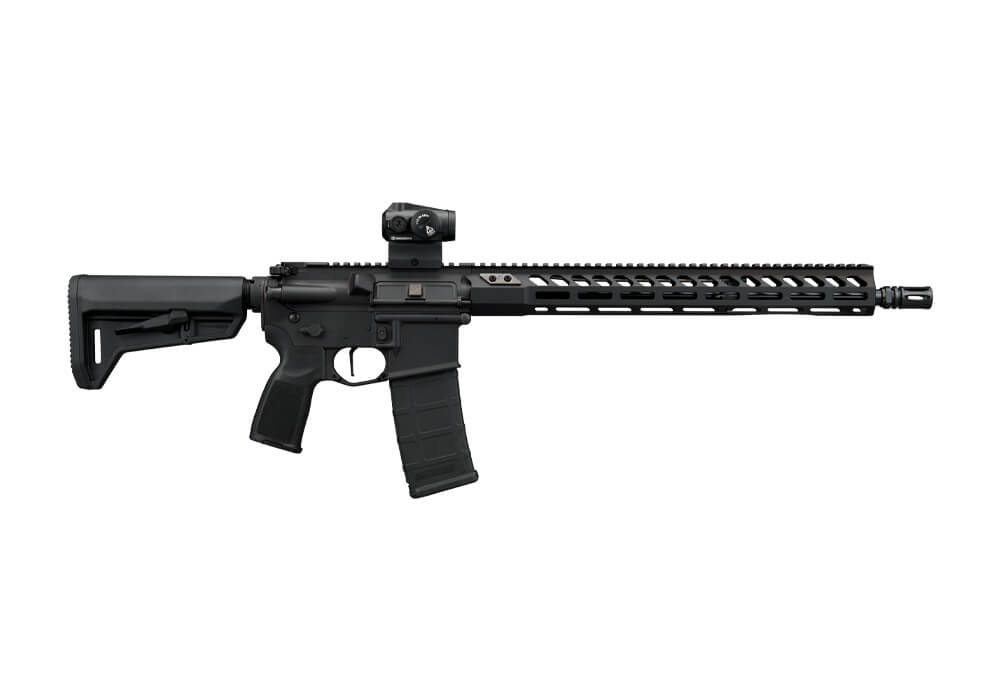
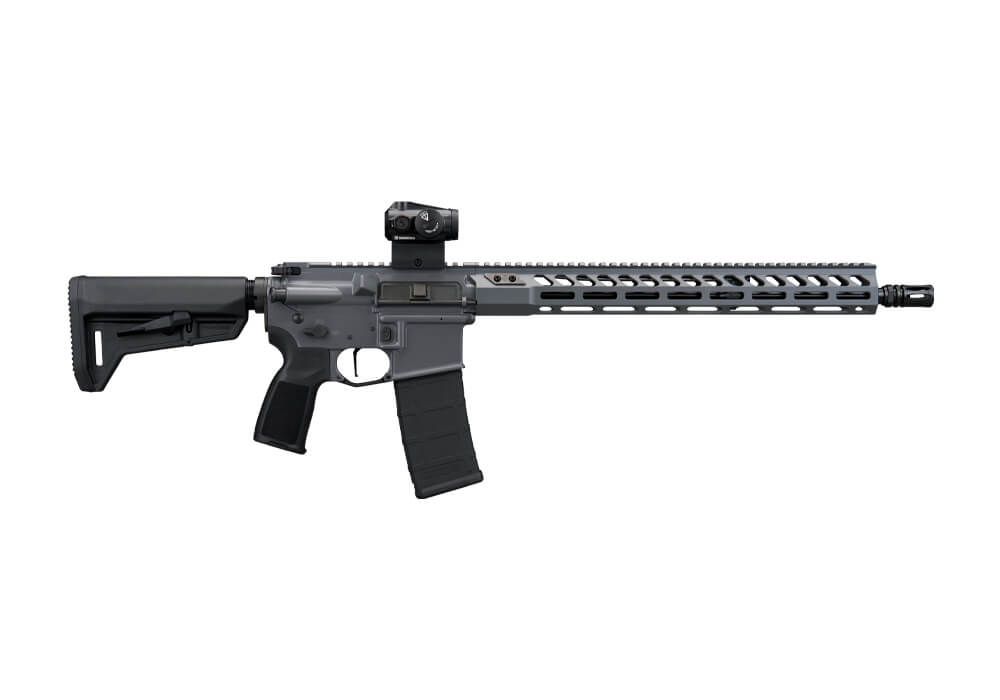
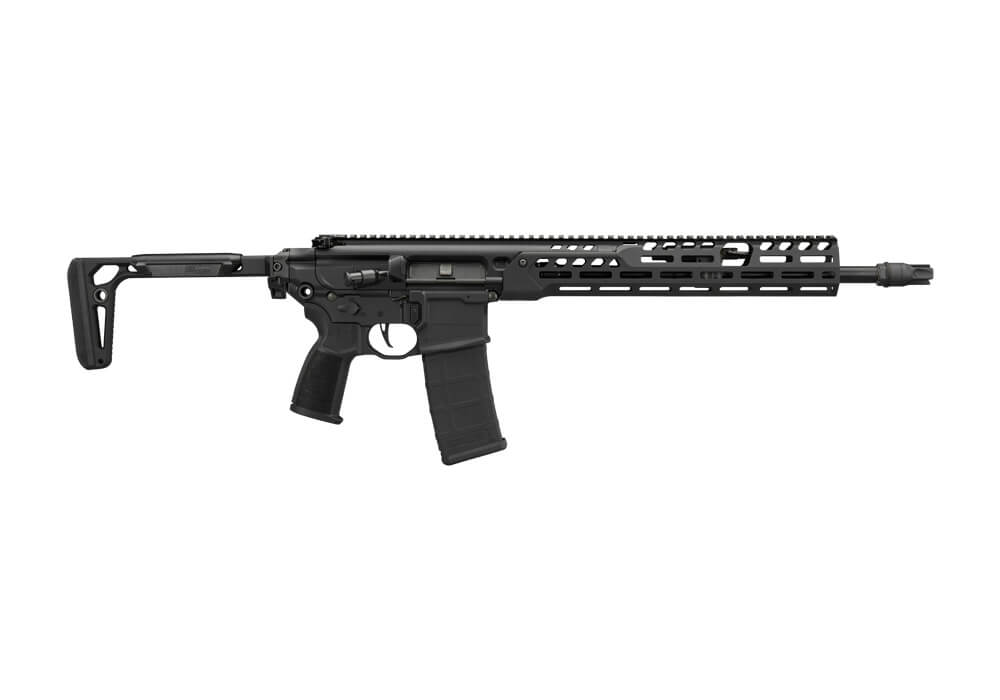
When comparing 16-inch 5.56 tactical rifles, begin with the details that affect reliability, accuracy, and long-term ownership. Look for a barrel profile that suits your priorities: a lighter profile can make movement and offhand shooting easier, while a heavier profile may remain steadier during extended strings of fire. Twist rate should match the bullet weights you plan to use, and a free-floating handguard can help preserve point of impact when accessories or a support position place pressure near the front of the rifle. A full-length or modular rail system provides room for an optic, backup sights, a sling attachment, and other carefully chosen accessories without forcing the rifle into an awkward balance. An adjustable stock can improve fit for different shooters and clothing layers, while a familiar control layout may shorten the learning curve for someone building confidence. Pay attention to the trigger, grip angle, bolt carrier group, gas system, and finish quality, but avoid judging a rifle by one specification alone. The most useful setup is the one that combines dependable function with comfortable operation and straightforward maintenance. Optics deserve equal attention. A simple red-dot sight can be quick at common carbine distances, while a low-power variable optic may offer more precision for shooters who regularly stretch the rifle’s effective range. Whatever sighting system you choose, confirm that the mount is secure, the eye relief is comfortable, and the reticle remains easy to see against changing backgrounds. Magazine selection, sling design, cleaning equipment, and ammunition storage also influence the experience. Choose reliable magazines in the appropriate configuration, use a sling that keeps the rifle controlled during movement, and store ammunition in a cool, dry location separate from unauthorized access.
Safe ownership begins before the first trip to the range. Read the owner’s manual, verify the rifle is unloaded whenever it is handled for inspection or maintenance, and keep the muzzle pointed in a safe direction even when the rifle appears clear. Eye and ear protection should be part of every range session, and new shooters benefit from an instructor who can demonstrate loading procedures, sight alignment, trigger control, malfunction clearing, and safe movement. A simple practice routine can begin with slow, deliberate shots at close distance, then build toward controlled pairs, position changes, and longer-range groups as skill improves. Keep notes on ammunition, sight settings, weather, and group size; these details help reveal what the rifle and shooter are doing consistently rather than relying on memory. Regular cleaning and lubrication should follow the manufacturer’s instructions, with special attention to the chamber, bolt assembly, gas system, and contact surfaces. Store the rifle locked in a secure container and keep the key or access code away from children and unauthorized users. Laws governing purchase, transport, storage, magazine configuration, and use vary by jurisdiction, so review current requirements before completing a transaction or taking the rifle across state or local boundaries. Shooters who want a longer barrel and a different balance for deliberate distance work can also compare 24 Inch Barrel Tactical Rifles. For most buyers, the strongest choice comes from matching the rifle to a realistic routine: regular practice, responsible storage, suitable ammunition, and a configuration that feels natural from the first careful presentation to the last shot of the day.