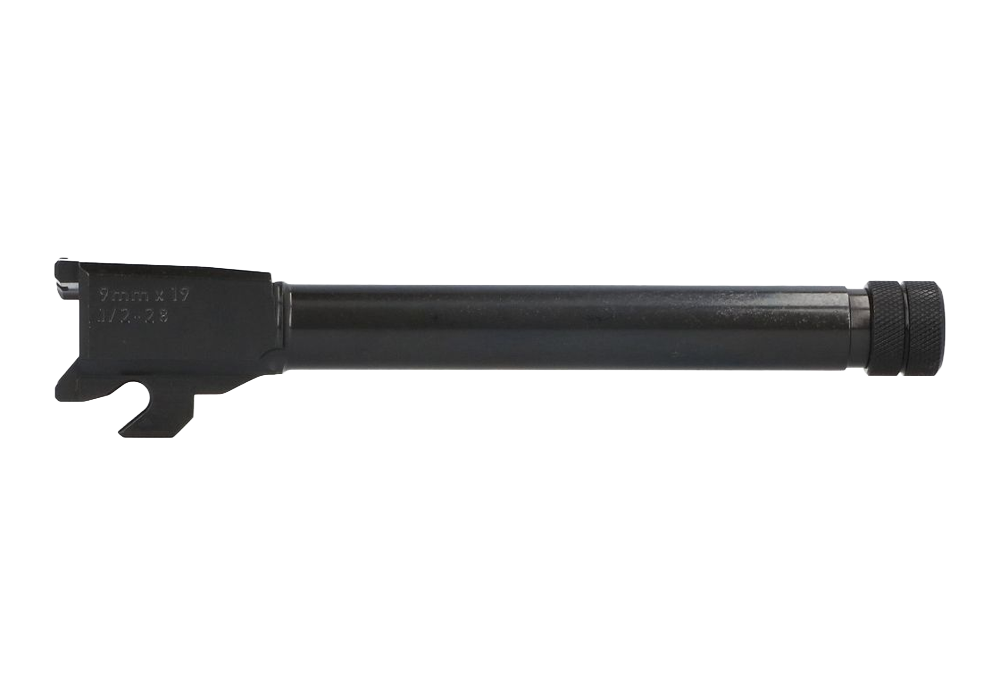
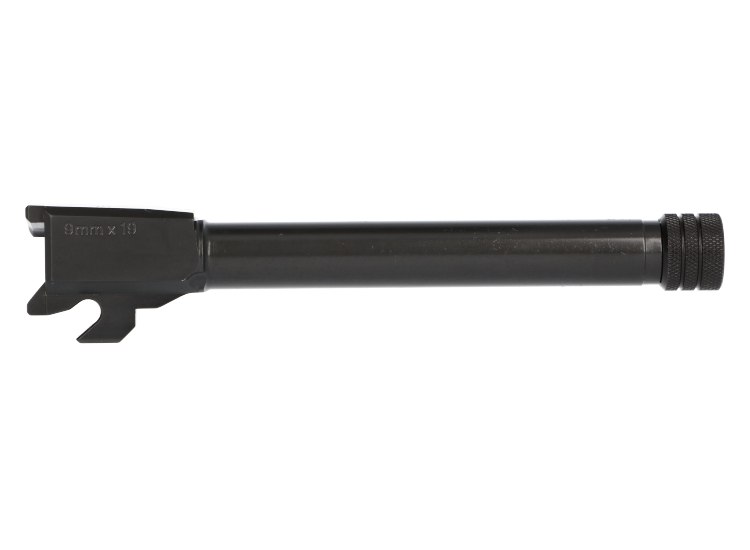
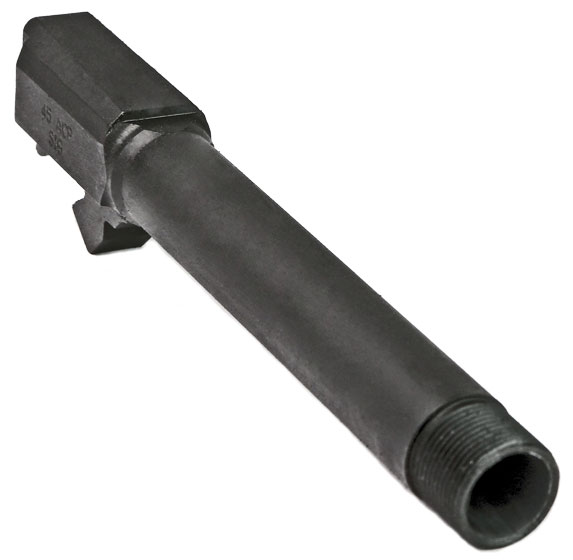
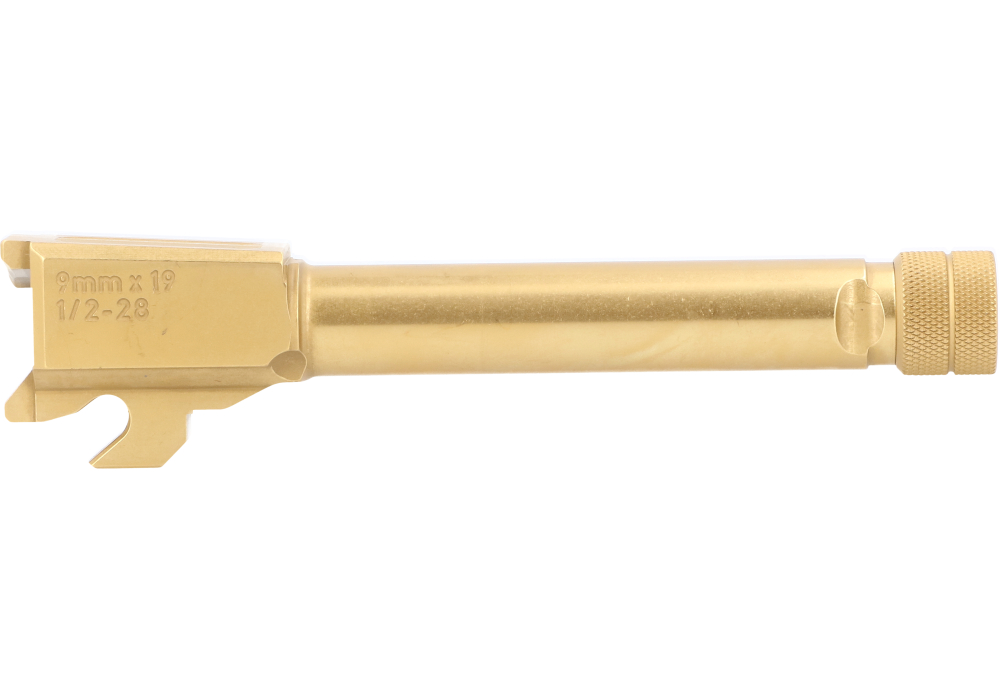
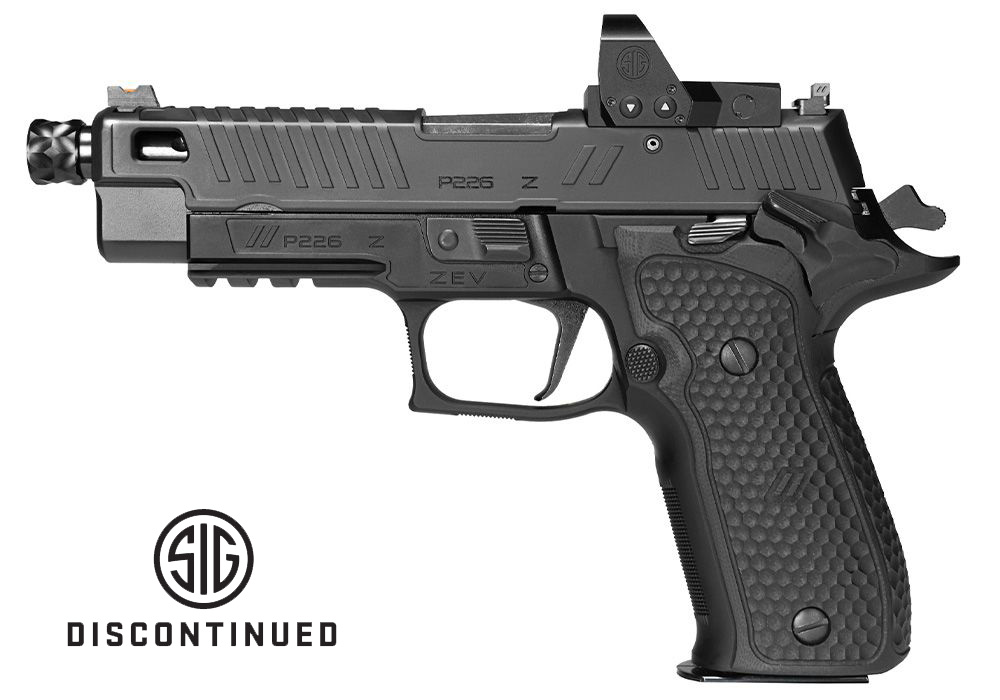
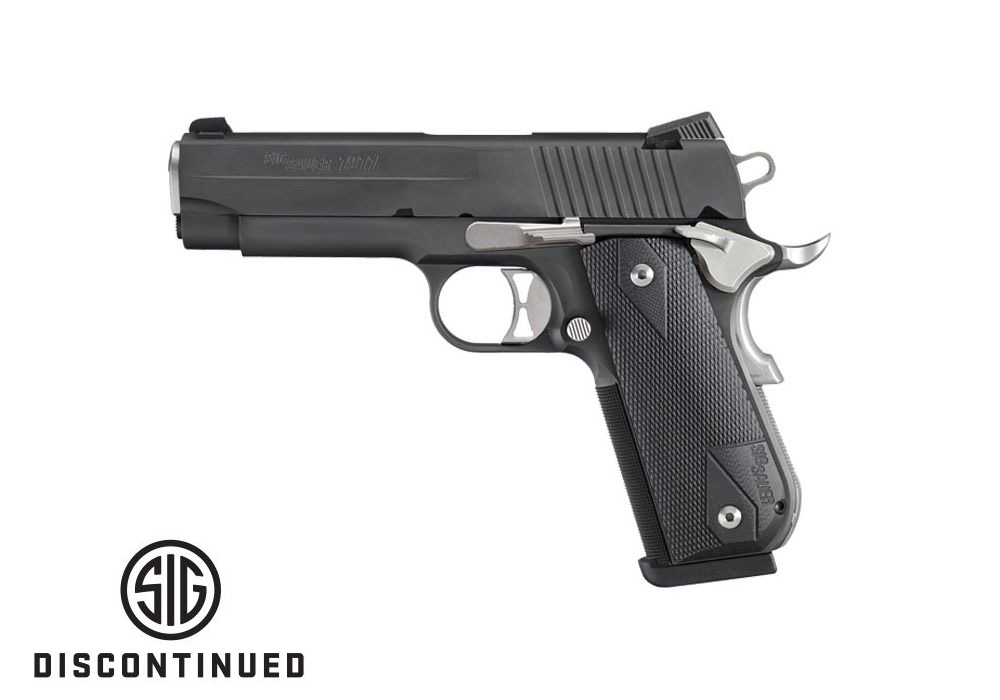
A threaded pistol barrel is a handgun barrel with external threads at the muzzle that provide an attachment point for compatible muzzle accessories, including suppressors where permitted by law. The threaded section generally extends beyond the front of the slide, giving the barrel a different profile from a conventional flush-fitting design. For shoppers comparing pistol threaded barrels, the most important distinction is compatibility with the exact handgun, not simply a shared caliber or a similar appearance. Frame size, slide length, model generation, chamber dimensions, and the barrel’s relationship with the slide all matter. Two pistols from the same family may require different barrels, even when their names and dimensions appear closely related. Manufacturer fitment information should identify the intended platform, and any uncertainty about fit belongs with a qualified gunsmith before use. Thread specifications deserve the same attention. Common 9mm patterns include 1/2x28 and M13.5x1 LH, but neither should be assumed from caliber alone. Thread diameter, pitch, direction, and the accessory manufacturer’s requirements must agree; matching one measurement does not establish complete compatibility. A threaded barrel is also only one part of a compatible suppressor setup, rather than a guarantee that any suppressor will work with a particular pistol. Accessory selection and installation should follow the relevant manufacturers’ instructions and any required professional evaluation. Overall barrel length affects everyday handling and storage, too. A muzzle that extends beyond the slide can interfere with a closed-bottom holster or press against the end of a closely fitted pistol case. A thread protector adds another dimension to consider when checking clearance. For smaller handgun platforms, Aftermarket Threaded Barrels For Subcompact Pistols offers a more focused category to explore. Even within that category, the correct match depends on the specific pistol and its documented specifications, rather than the general description of subcompact size. That distinction matters whether the pistol spends most of its time on a range bench, in a transport case, or in a compatible holster.
Materials, surface treatment, and manufacturing consistency help distinguish threaded handgun barrels beyond their outward appearance. Stainless steel, including 416R in some designs, is used for its combination of machinability and suitability for precision barrel manufacturing. Other barrel steels are also used, and the material designation should be considered alongside the manufacturer’s specifications rather than treated as a quality ranking by itself. Stainless steel can resist corrosion, but it is not immune to staining, moisture, or residue left after handling and firing. Black nitride and related surface treatments can provide wear and corrosion resistance, although their properties and application vary. A dark exterior should not be treated as proof of a particular treatment, and a polished surface does not reveal the quality of the chamber, rifling, or machining beneath it. Consistent dimensions, cleanly finished surfaces, and properly formed threads are more meaningful considerations than color alone. The chamber, bore, muzzle, and locking surfaces each have a role in reliable function, while the external threads need protection from impacts and contamination. A thread protector helps shield those exposed threads when an accessory is not attached, but its presence does not replace careful handling. On a shared range bench, keeping the muzzle end away from loose tools and hard edges is a small habit that helps preserve a precision component. Intended use also shapes expectations. Recreational target shooters and owners who practice regularly may value a threaded barrel as part of a manufacturer-supported accessory configuration. Those maintaining a familiar handgun platform may place greater emphasis on documented fit, straightforward care, and compatibility with existing equipment. A threaded muzzle does not automatically produce better accuracy, and a longer barrel does not guarantee a meaningful performance advantage. Practical results depend on the complete firearm, appropriate ammunition, mechanical condition, and shooter consistency. Suppressors can reduce sound, but they do not make a firearm silent or remove the need for appropriate hearing protection. Evaluating the complete setup is more useful than relying on a single feature or a broad performance claim.
Regular care helps preserve both the barrel’s interior surfaces and the fine geometry of its muzzle threads. Carbon residue, lint, and other debris can collect around exposed threads or beneath a protector, especially when a pistol moves frequently between a range bag, case, and holster. Cleaning products and methods should be suitable for the barrel’s material and finish, with maintenance performed according to the firearm and accessory manuals. Before cleaning or inspection, the firearm should be unloaded and ammunition kept separate from the work area. Harsh abrasives, improvised tools, and excessive force can damage surfaces that depend on precise dimensions. Any unusual resistance, visible thread damage, corrosion, or change in function warrants attention from a qualified gunsmith rather than an attempt to force components together. Routine inspection is also an opportunity to notice wear on contact surfaces and confirm that protective components remain in serviceable condition. For storage, a clean, dry environment and a case that does not put pressure on the extended muzzle help protect the barrel between range visits. Documentation is worth keeping with the firearm’s records, particularly when several similar pistols or barrels share the same storage space. A clear record of platform compatibility and thread specifications can prevent confusion later. As a gift, a threaded pistol barrel is best suited to an experienced firearm owner whose exact handgun configuration and preferences are already known. Guessing from caliber, appearance, or a general model family can result in a component that does not fit the recipient’s equipment. Confirming those details in advance makes the choice more thoughtful and practical without turning a precision part into a surprise compatibility problem. Applicable laws also deserve attention, since threaded handgun barrels and related accessories can be restricted by state or local rules, and suppressors have separate legal requirements. Responsible selection brings together documented fit, suitable materials, realistic expectations, and ongoing care. The result is a barrel choice grounded in the needs of a particular pistol and owner, with attention to the details that support dependable use over time.