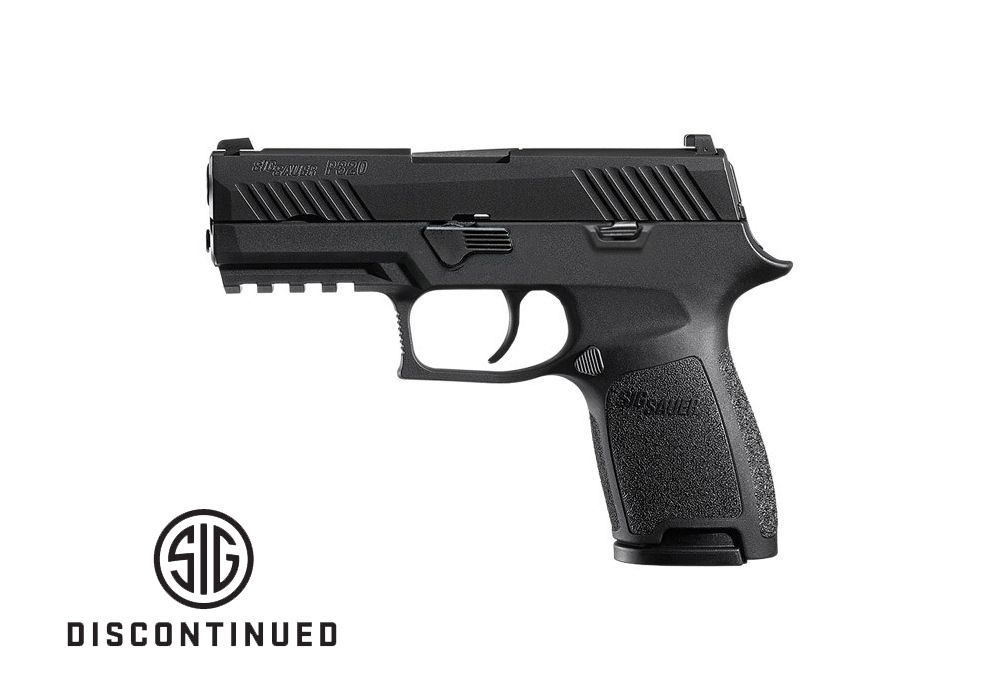
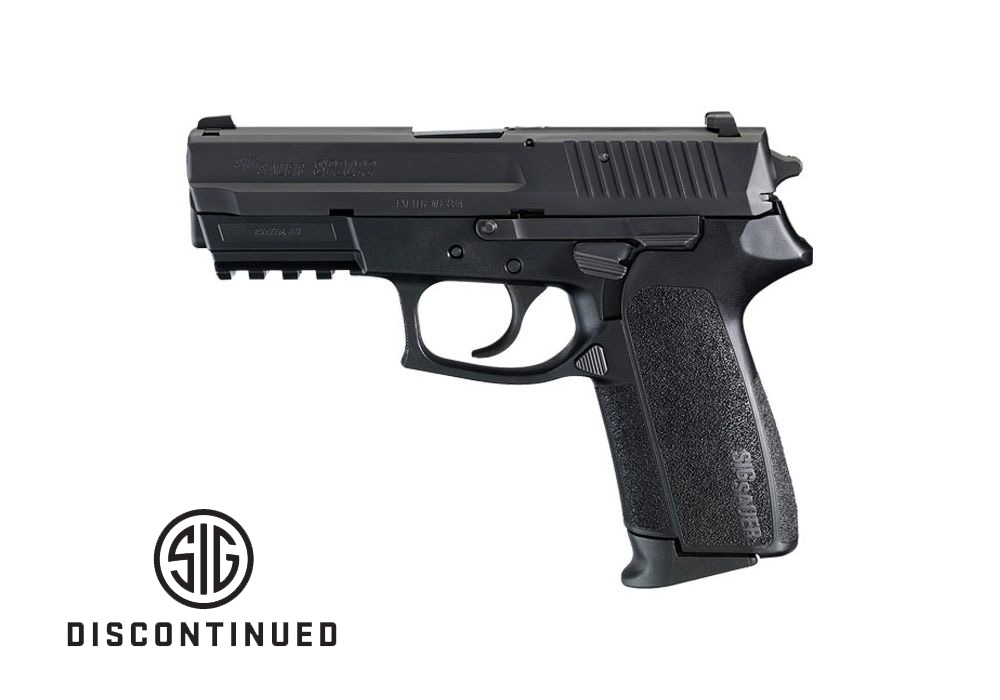
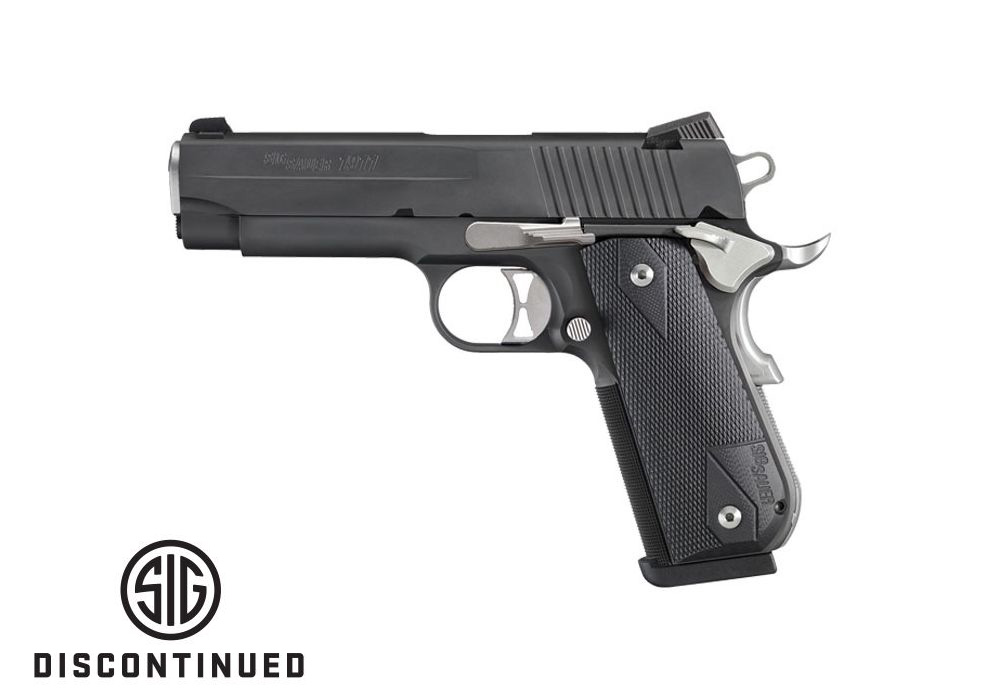
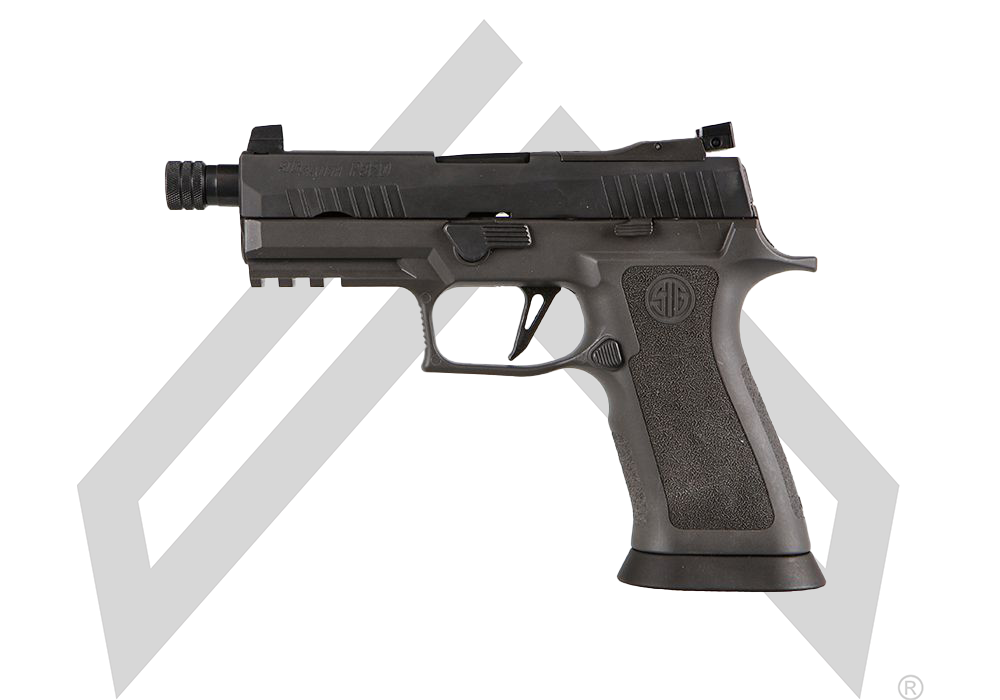
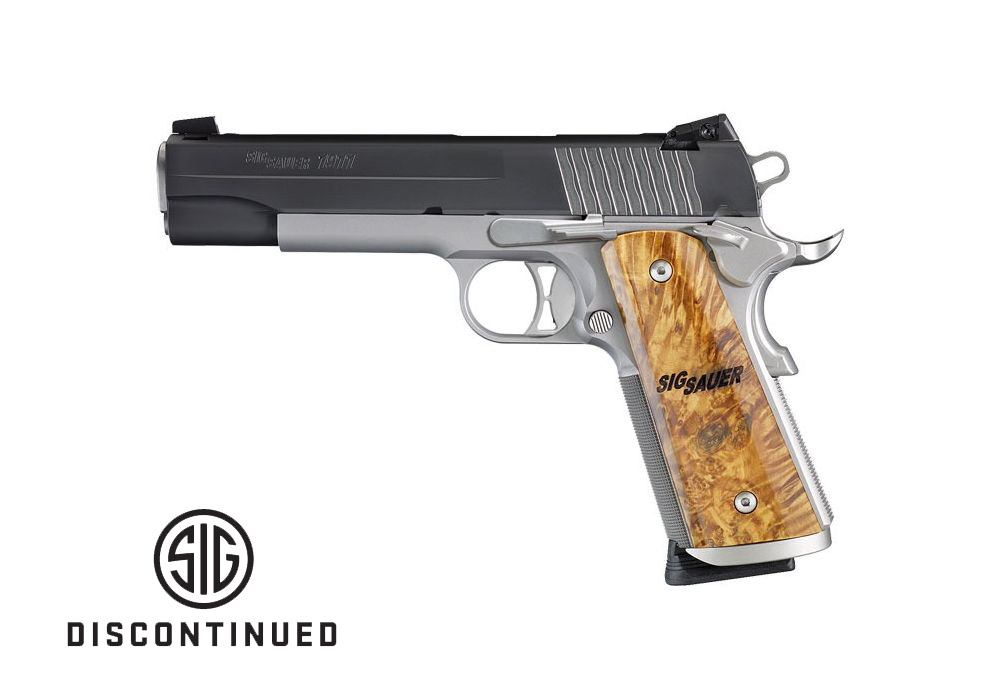
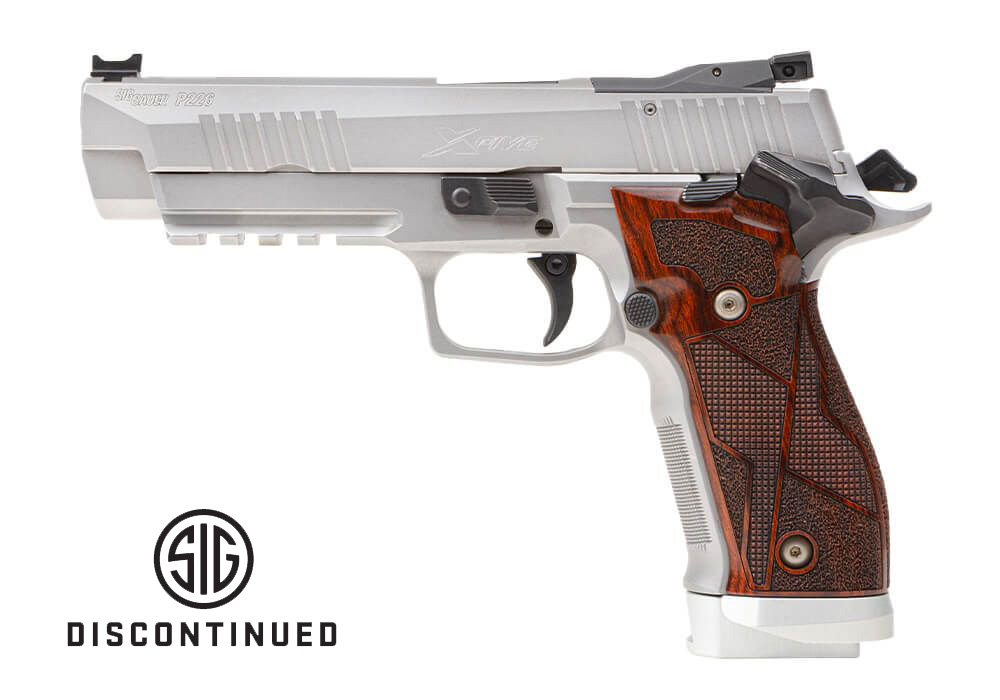
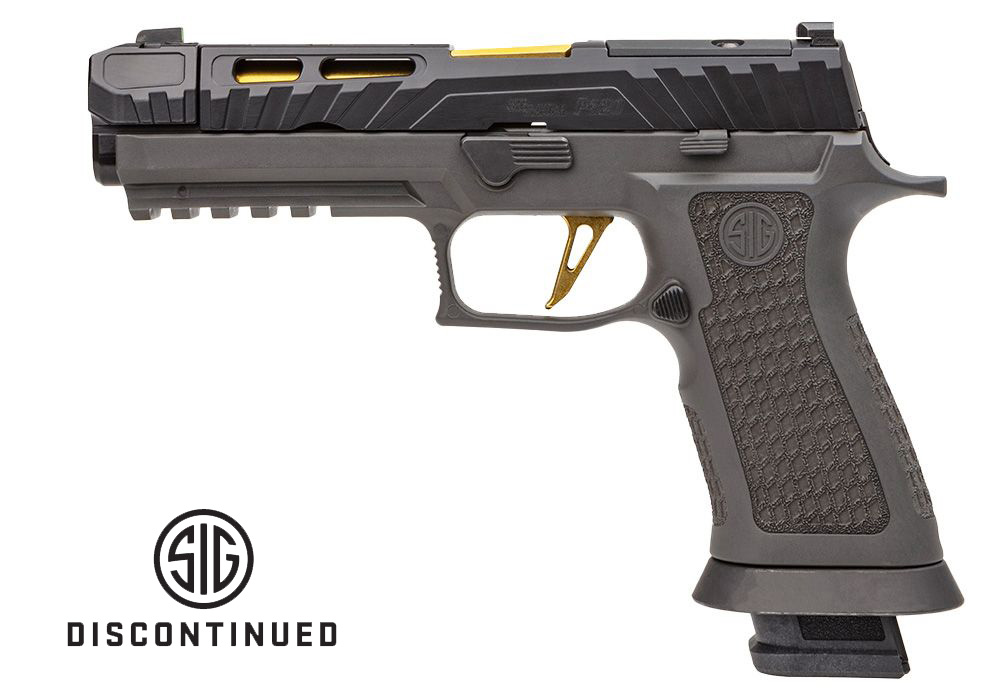
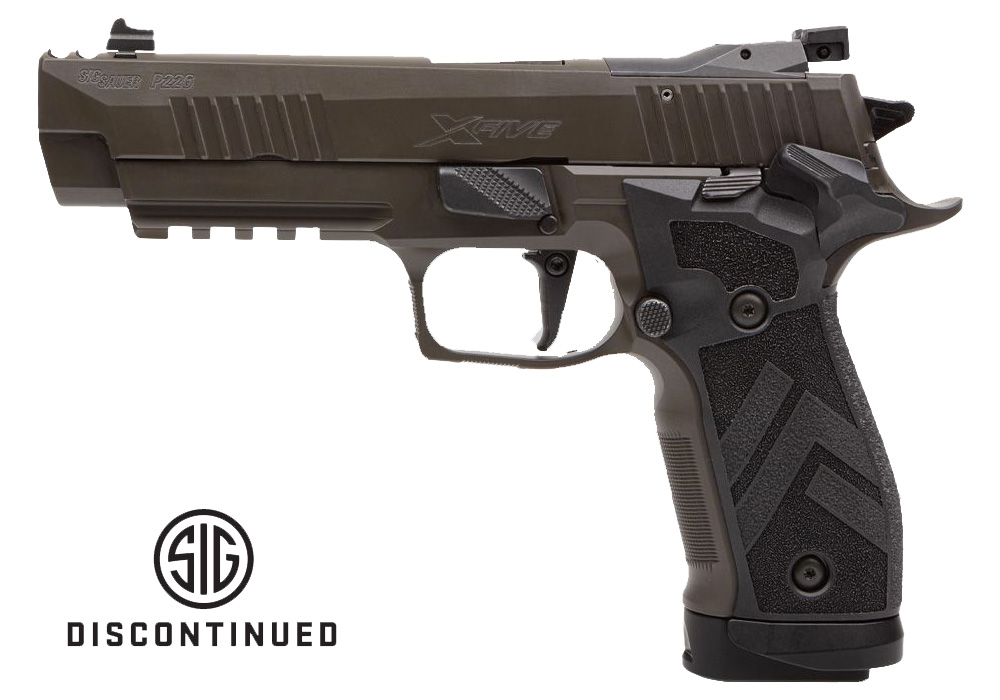
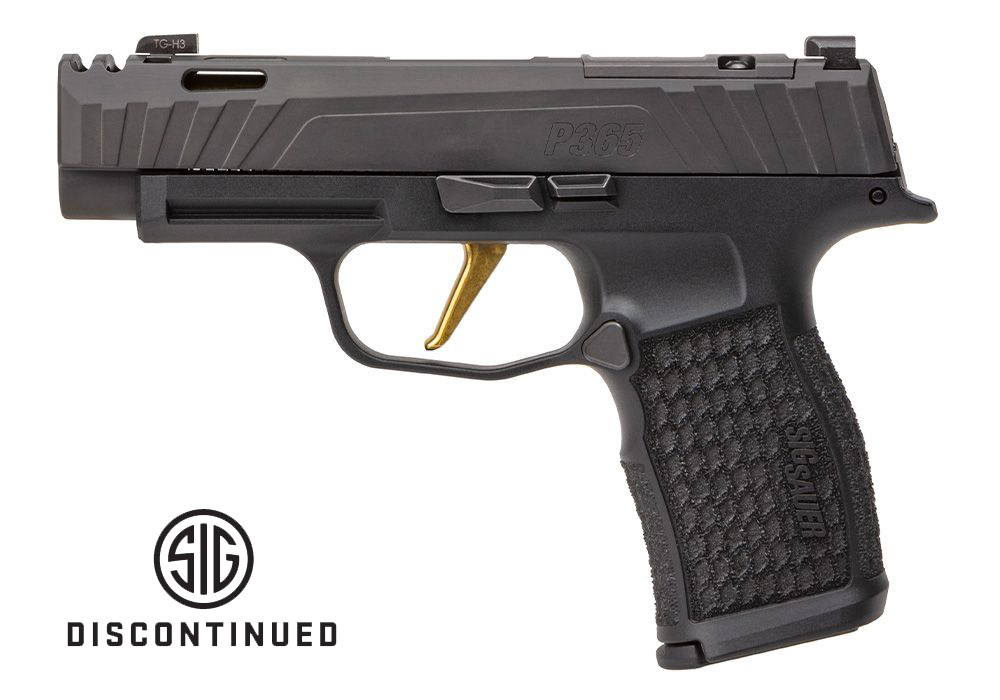
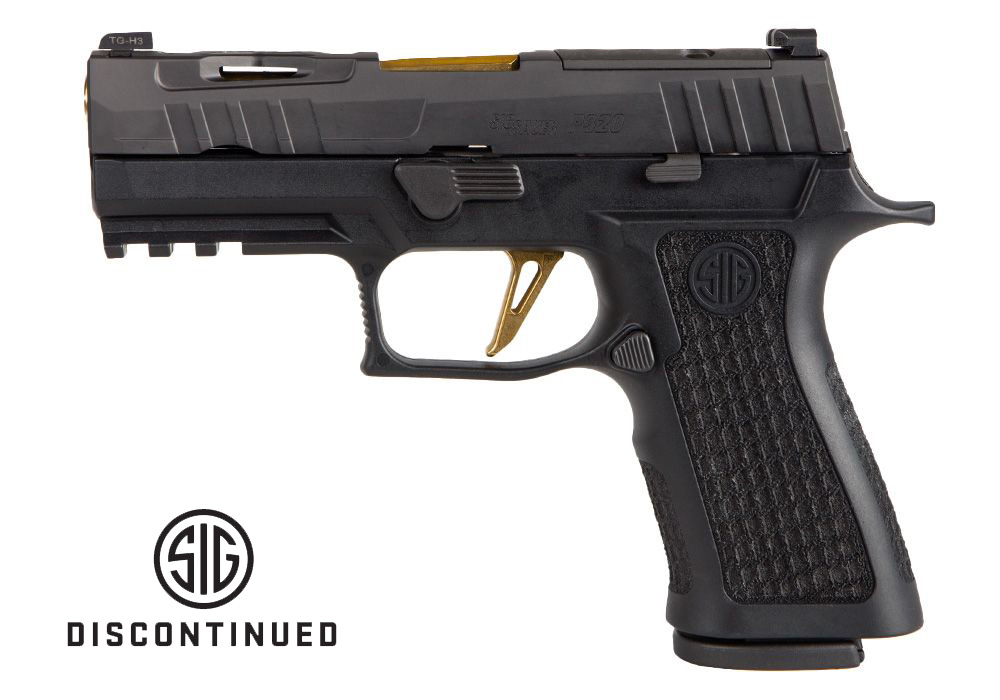
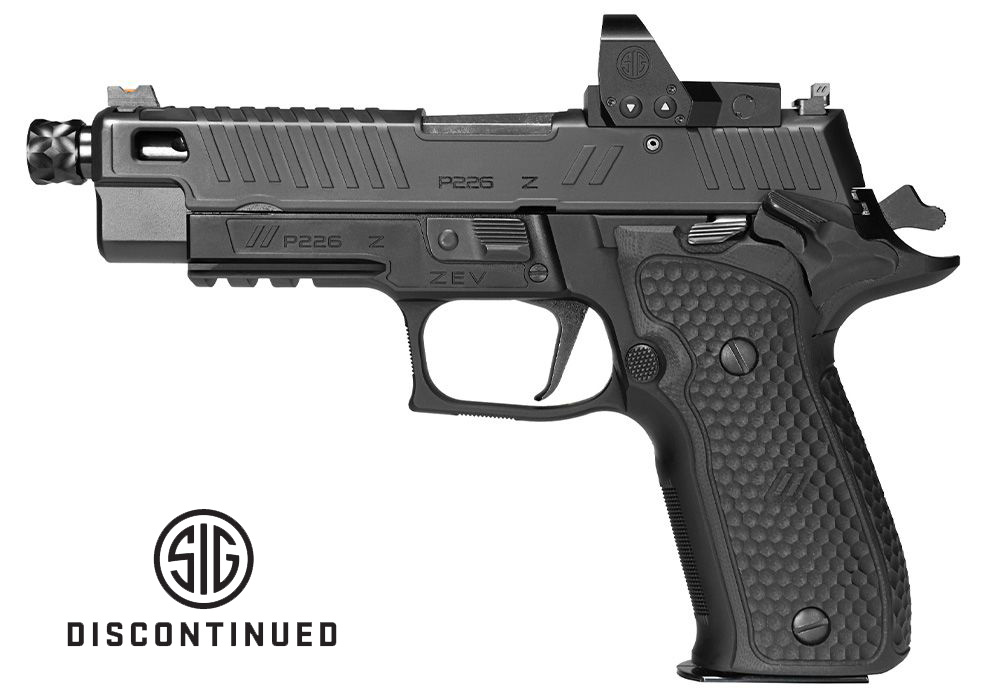
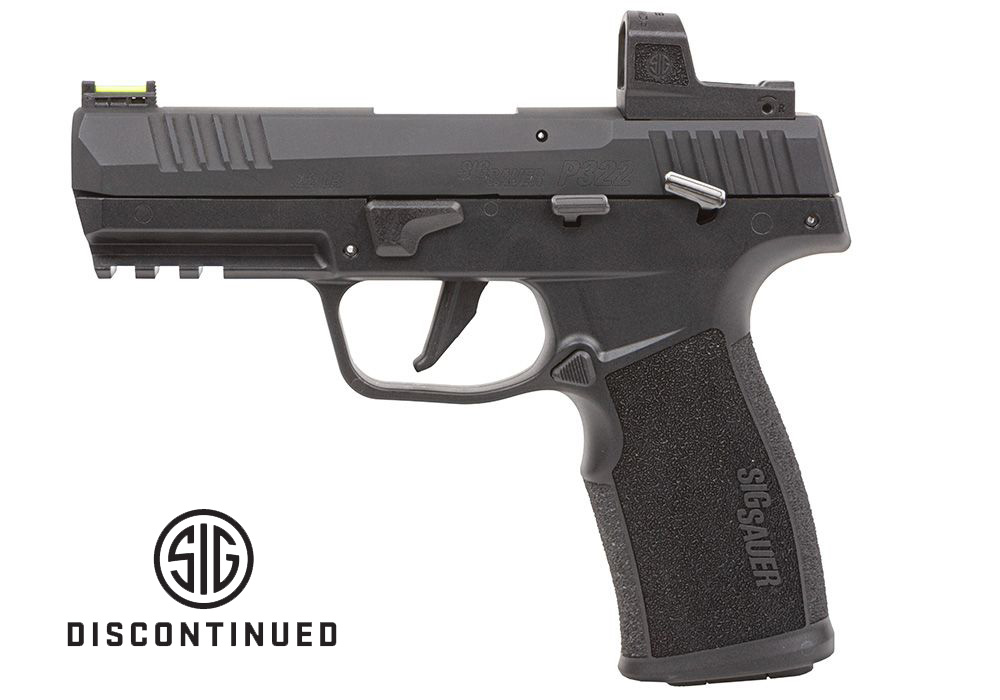
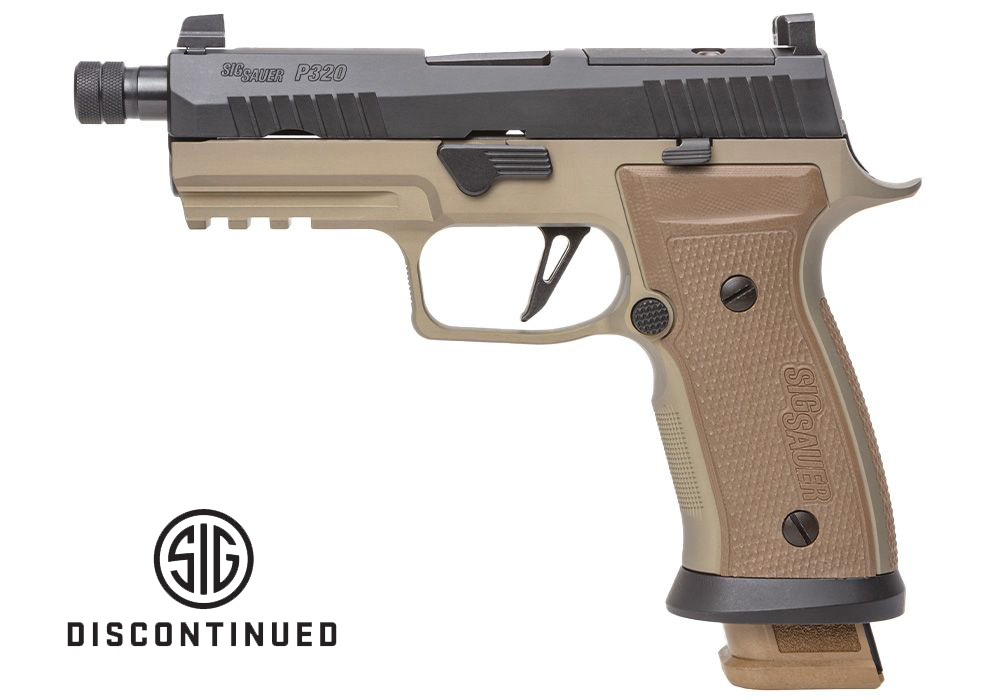
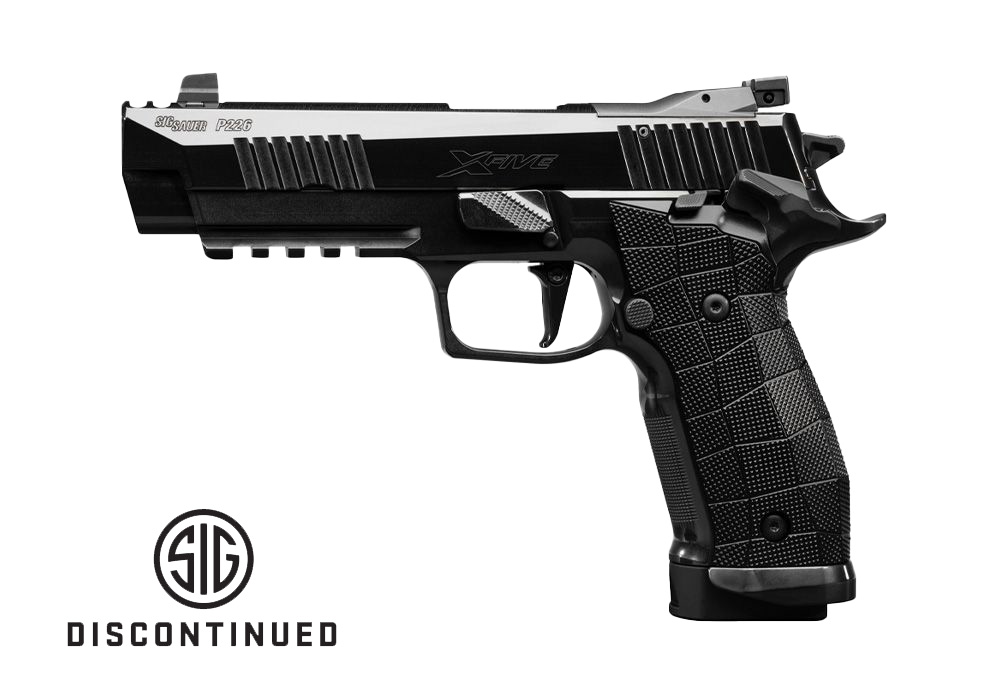
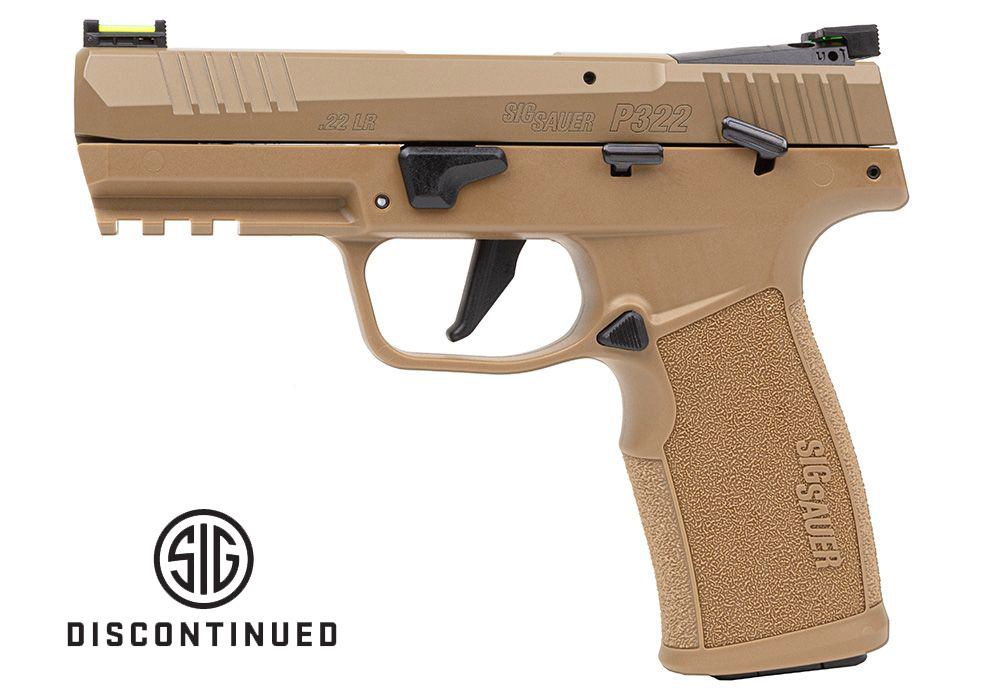
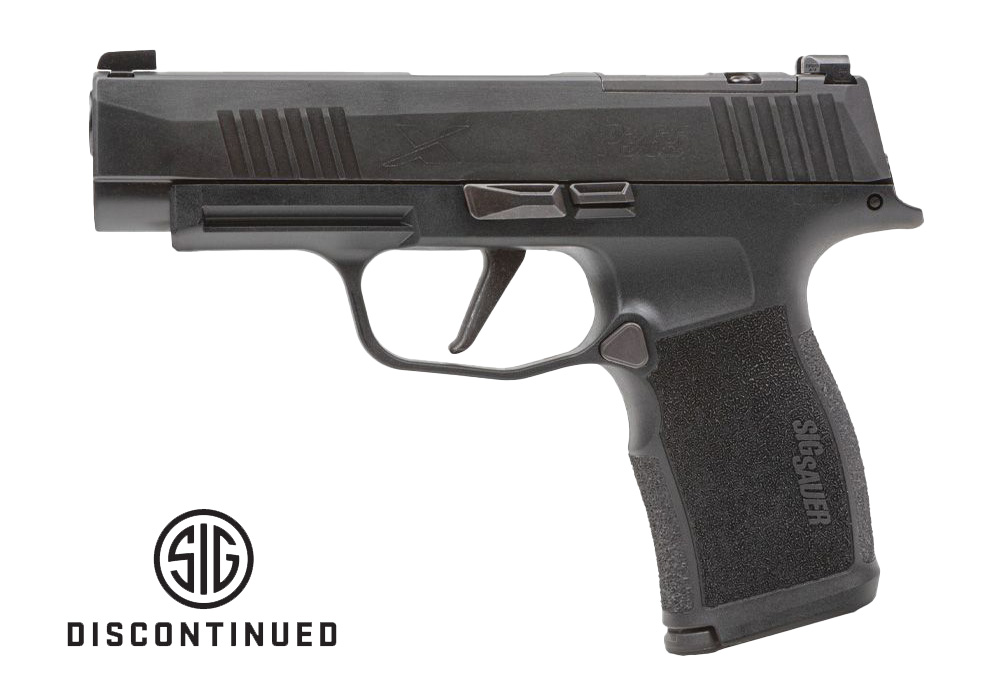
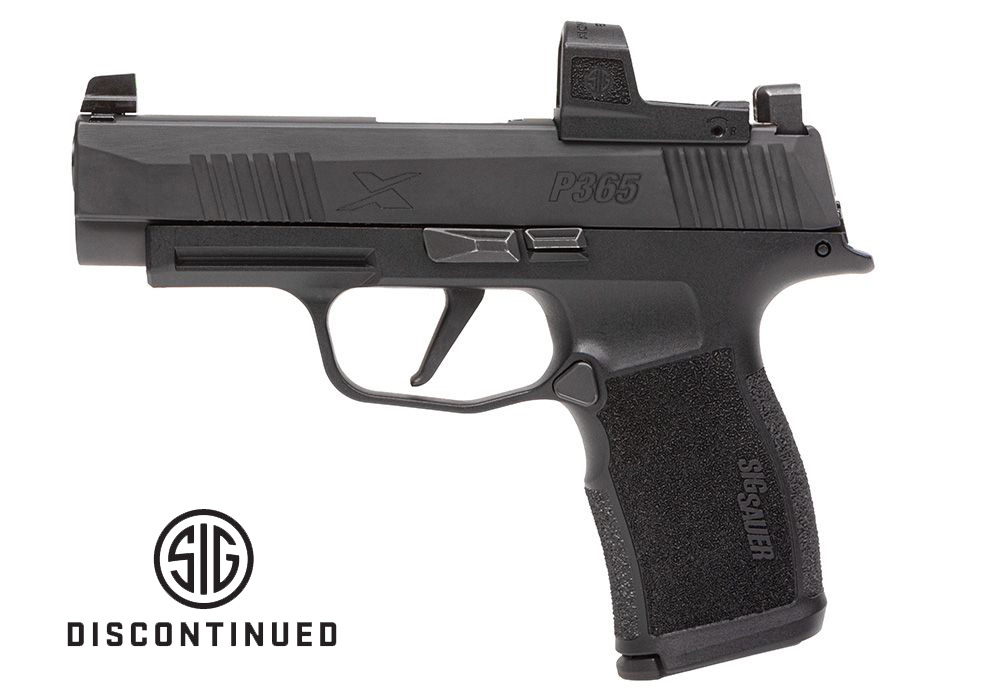
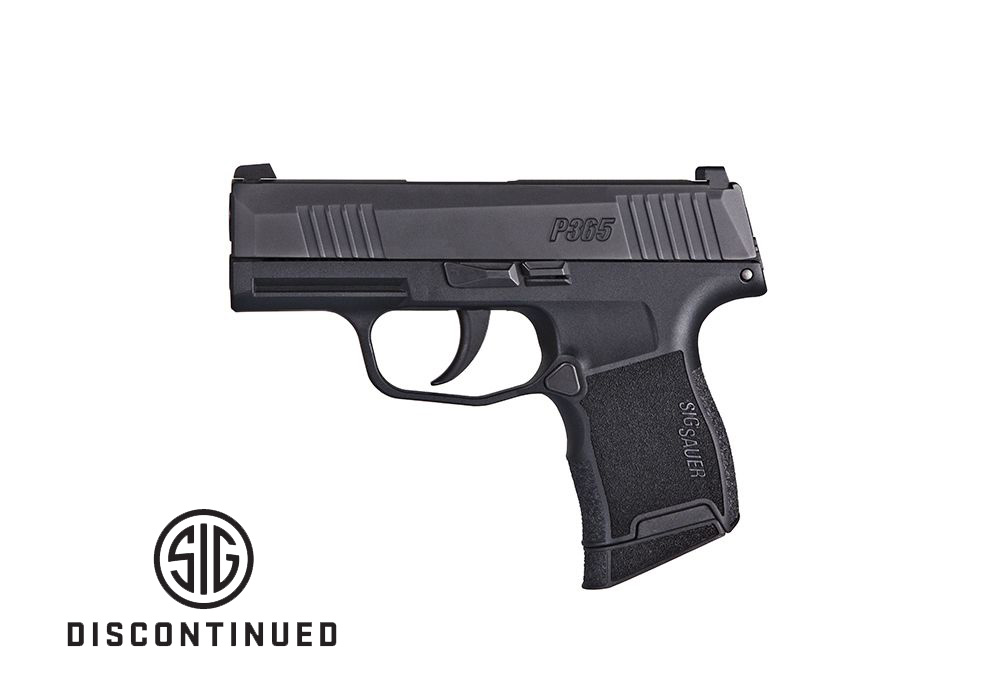
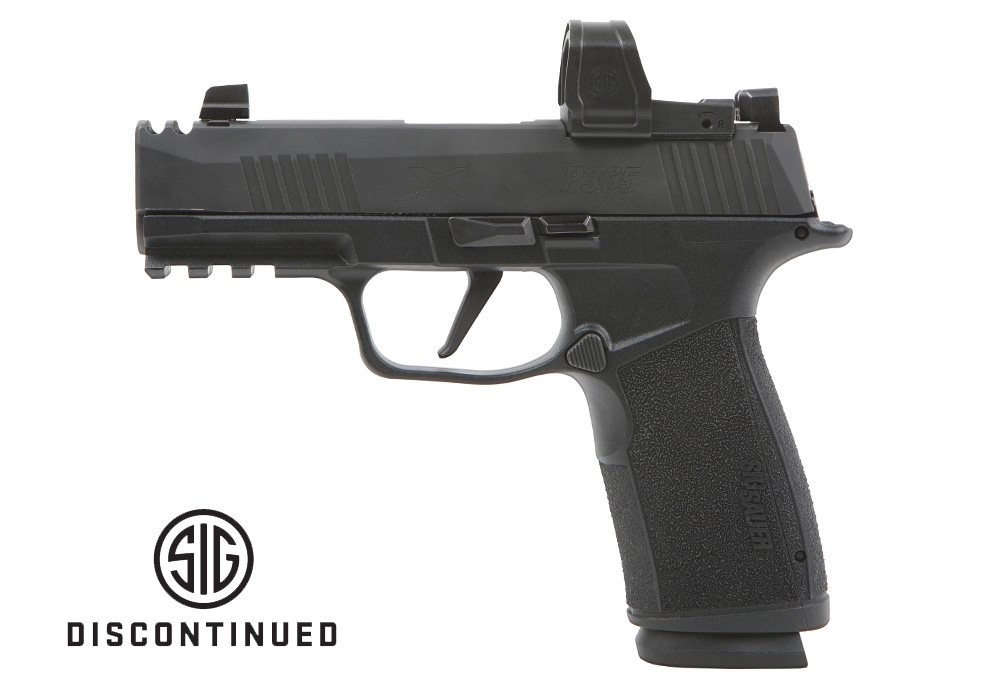
Manual safety pistols with threaded barrels bring together two features that appeal to shooters who want a greater degree of setup flexibility: an external manual safety and a muzzle designed to accept compatible accessories. The manual safety is typically operated with the shooting-hand thumb and provides a mechanical means of blocking the trigger or firing mechanism when engaged. Many owners appreciate having that additional control during administrative handling, storage, transport, or a deliberate holstering routine. As with any safety system, it should complement—not replace—safe handling habits, including keeping the muzzle pointed in a safe direction, keeping the trigger finger outside the trigger guard until ready to fire, and treating every firearm as loaded. A threaded barrel extends beyond the slide and includes machined threads that can accept approved accessories such as a sound suppressor or compensator when the firearm, ammunition, and accessory are properly matched. This combination can suit range shooters exploring different configurations, experienced owners building a dedicated training setup, and those who value the ability to adapt one pistol for more than one lawful purpose. A manual safety may also be preferred by shooters who want a consistent, tactile step in their ready-to-fire routine, particularly when practicing careful reholstering or handling around a structured range environment. The right choice ultimately depends on comfort, training, intended use, and the owner’s ability to operate every control instinctively and safely.
When comparing manual safety pistols with threaded barrels, begin with the fundamentals: caliber, overall dimensions, grip shape, sight arrangement, trigger reach, and control placement. A compact pistol may be easier to carry and maneuver, while a larger frame can offer a steadier feel and more room for the support hand. If a suppressor is part of the intended setup, confirm the barrel’s thread specification before purchasing an accessory. Common thread patterns include 1/2x28 and 13.5x1 left-hand, but compatibility must be verified by caliber, barrel design, manufacturer specifications, and the suppressor or muzzle device instructions. A thread protector should be used when an accessory is not installed to help shield the exposed threads from damage, and any attached device should be installed, checked, and maintained according to the relevant instructions. A compensator may also require a specific mounting method or ammunition guidance, so it is important to review the complete configuration rather than treating threaded barrels and accessories as universally interchangeable. Suppressor ownership and use are subject to federal, state, and local laws, and purchasers should confirm all requirements before ordering, transferring, transporting, or installing one. Ammunition selection matters as well; some suppressed setups are designed around particular loads, and reliable cycling, point of impact, and sound performance can vary. Shooters who prefer a smaller format may also want to explore Compact Handguns With Threaded Barrels while comparing dimensions and intended roles across a broader selection.
Holster fitment deserves special attention because the threaded portion usually projects beyond the standard muzzle profile. A conventional closed-end holster may not accommodate that extra length, so look for an open-ended design or a model specifically listed as compatible with the exact pistol and barrel configuration. Fit should be secure around the trigger guard, and the holster should retain the firearm without relying on the manual safety as a substitute for proper retention. Mounted optics, lights, compensators, and suppressors can further affect clearance, balance, and draw mechanics, making it wise to confirm compatibility with the complete setup before purchasing related equipment. Anyone receiving one of these pistols as a gift should be a lawful adult who can legally possess the firearm, and transfers should follow all applicable regulations, including any required dealer involvement, background checks, waiting periods, registration procedures, or storage rules. A thoughtful gift may include professional instruction, a properly fitted eye-and-ear protection set, a secure locking case, or a range membership rather than accessories chosen without knowing the recipient’s preferences. New owners can benefit from a qualified instructor who covers loading and unloading, manual safety operation, malfunction procedures, holster use, and safe storage. During the warmer months or cooler days at the range, a careful practice session can reveal whether the controls are easy to reach, whether the threaded setup changes balance, and whether the chosen holster remains comfortable and secure. Regular cleaning and inspection are especially important around barrel threads and accessory interfaces, where carbon, fouling, or damaged threads can affect fit. With deliberate training, verified compatibility, and attention to lawful ownership, manual safety pistols with threaded barrels offer a configurable platform for responsible range use, collection, and personal preparedness.