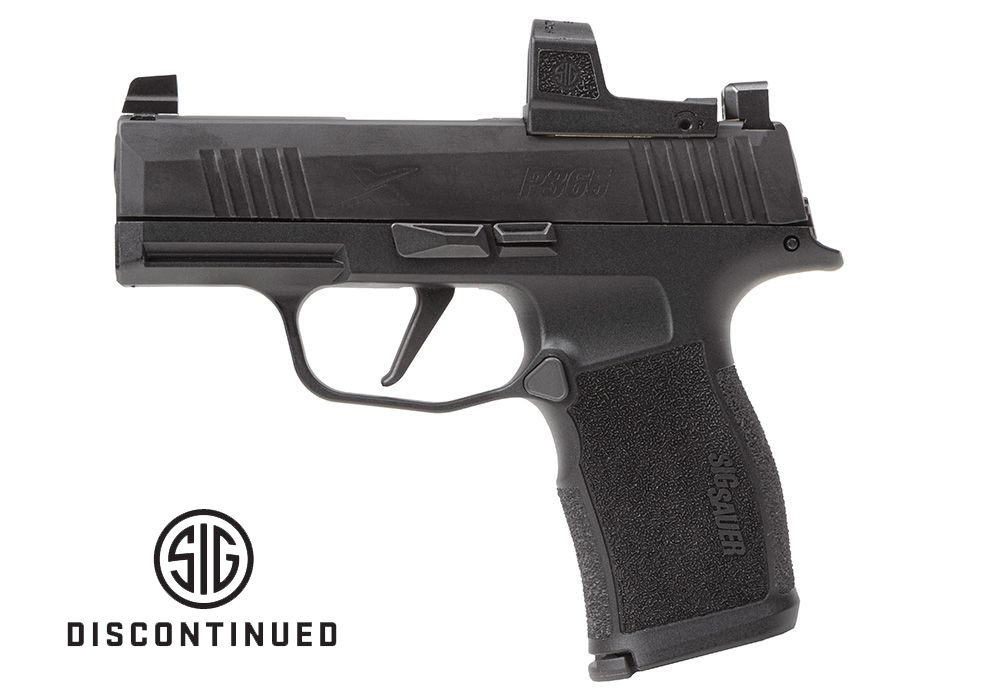
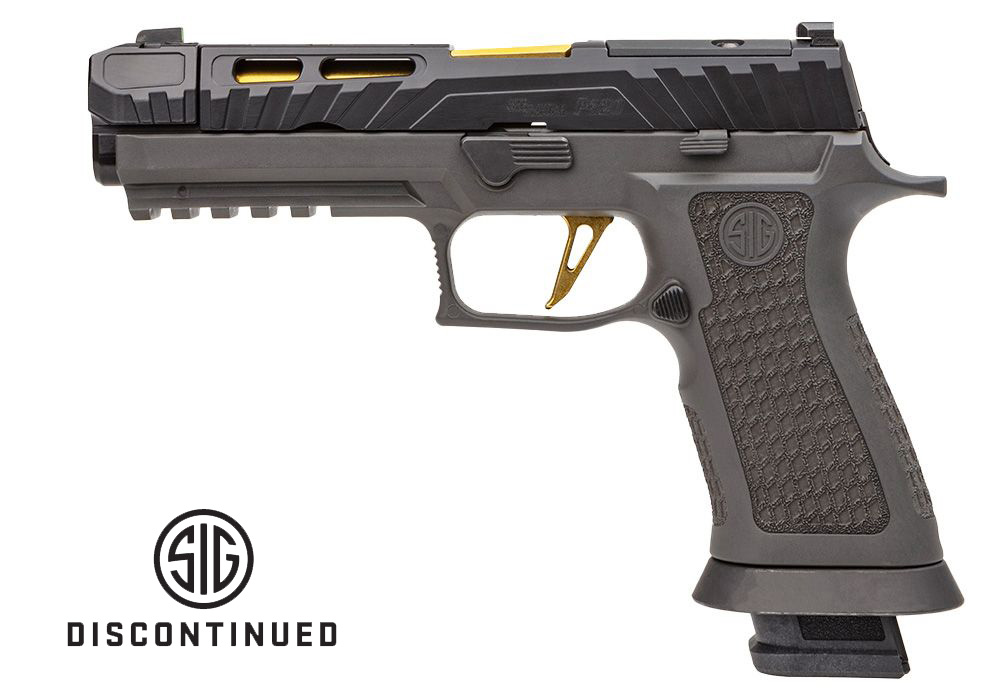
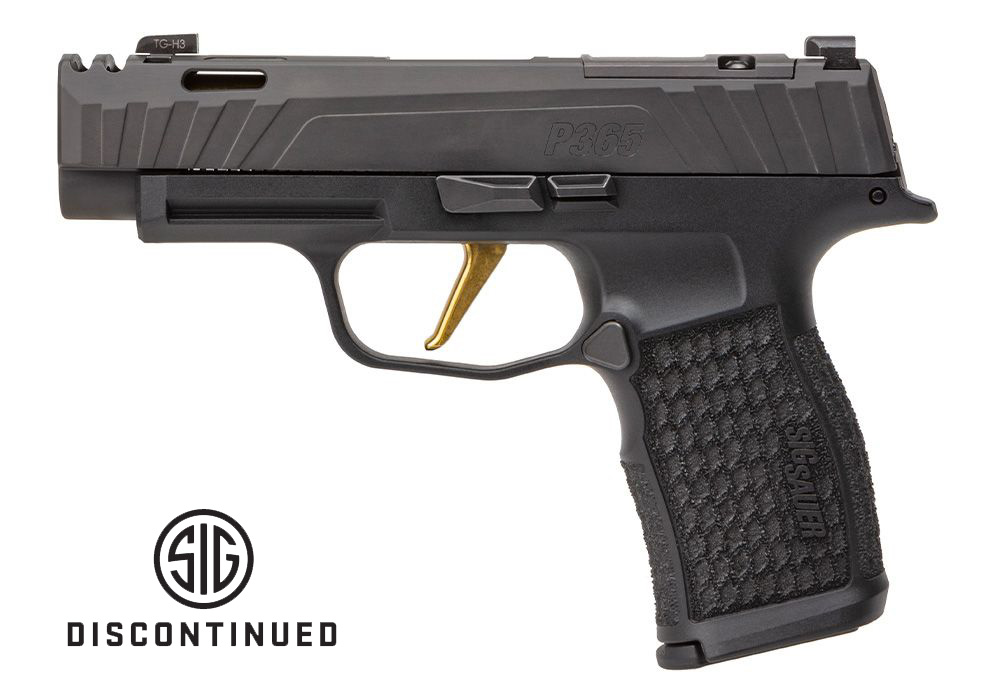
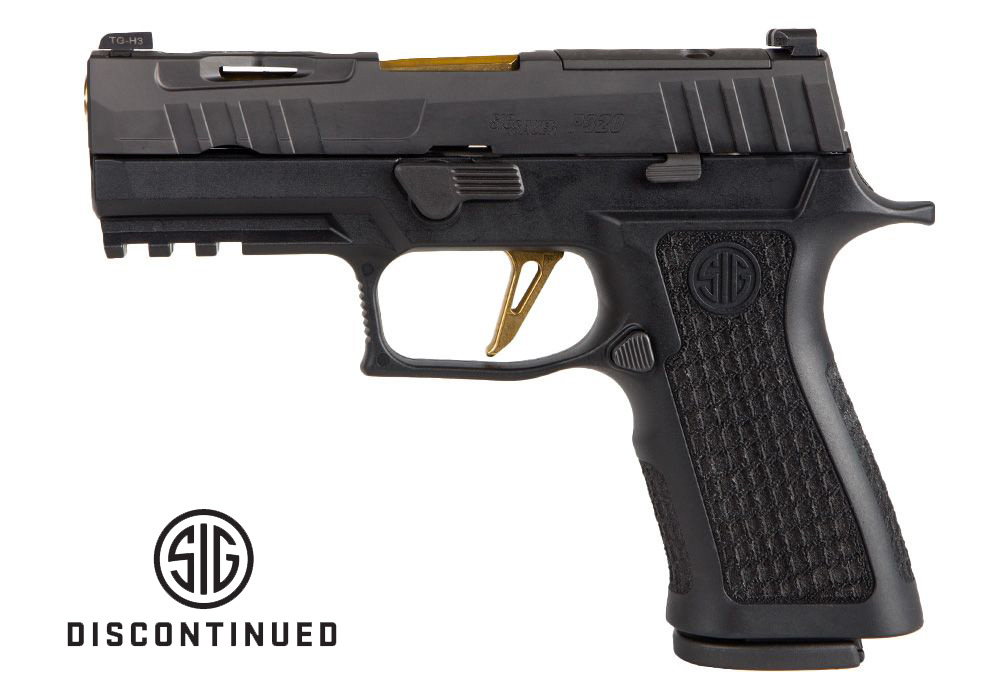
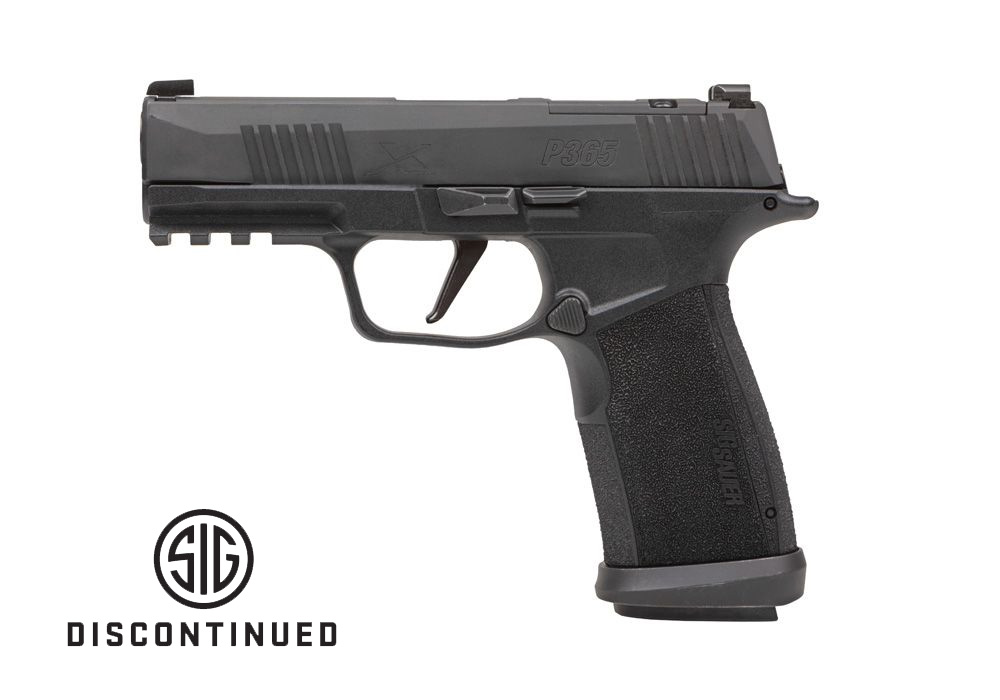
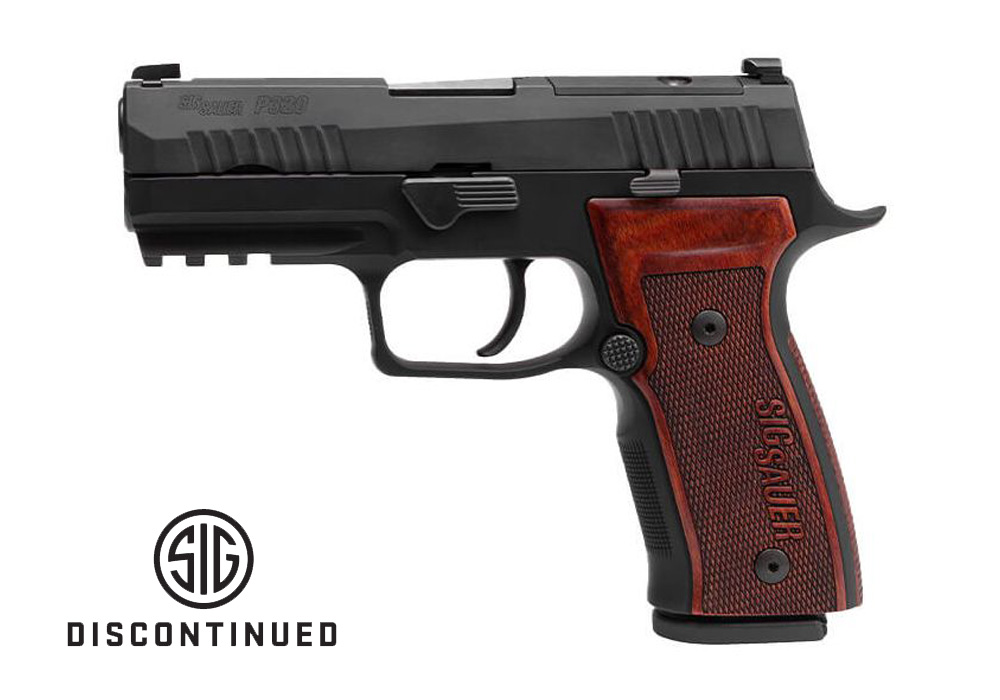
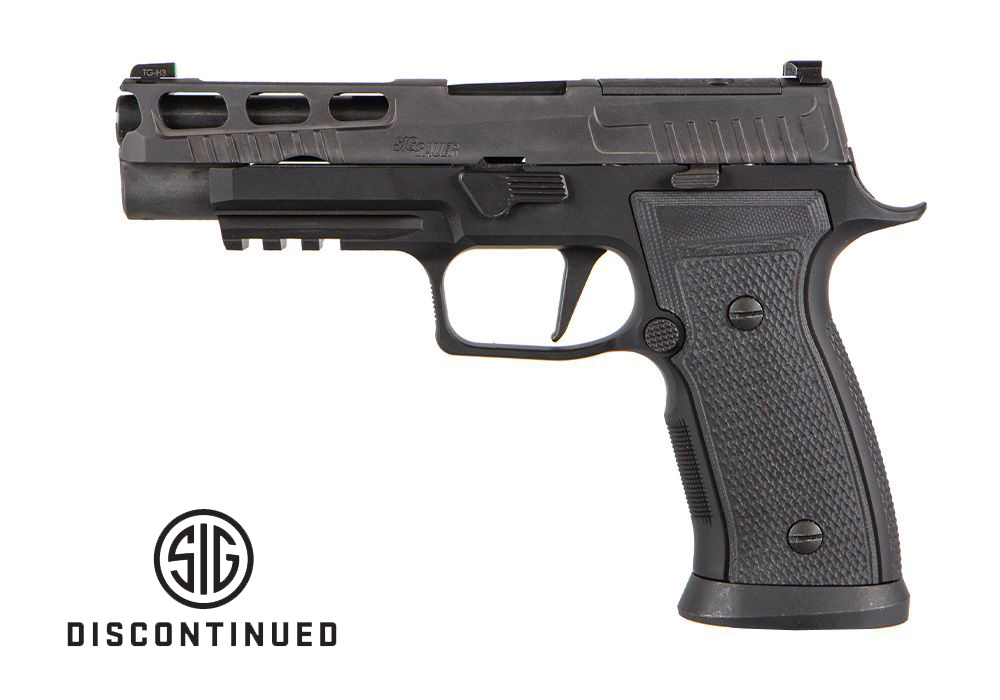
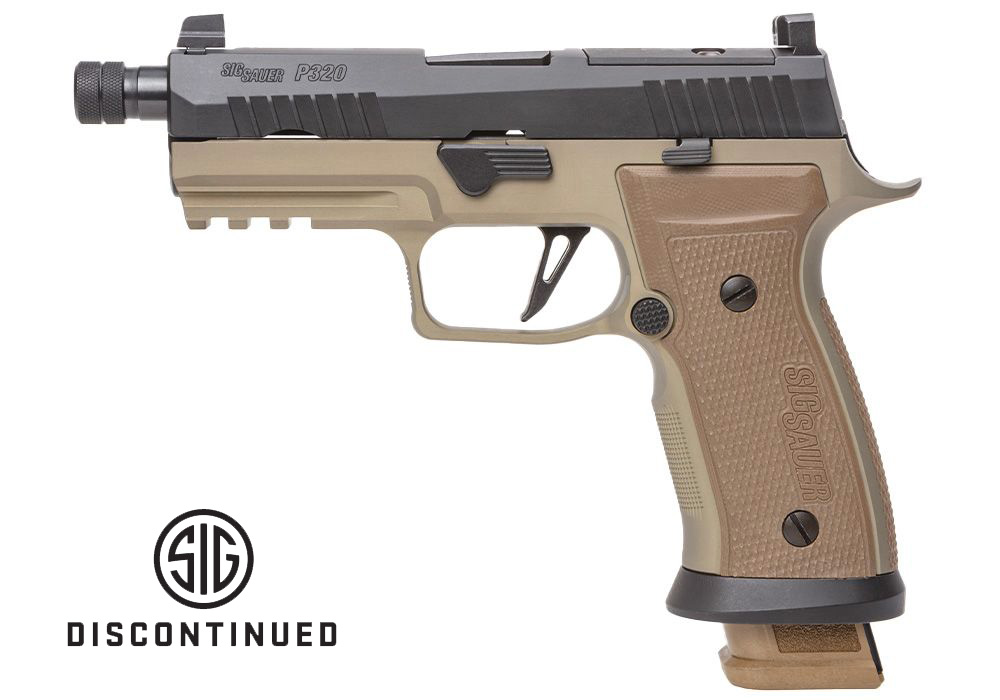
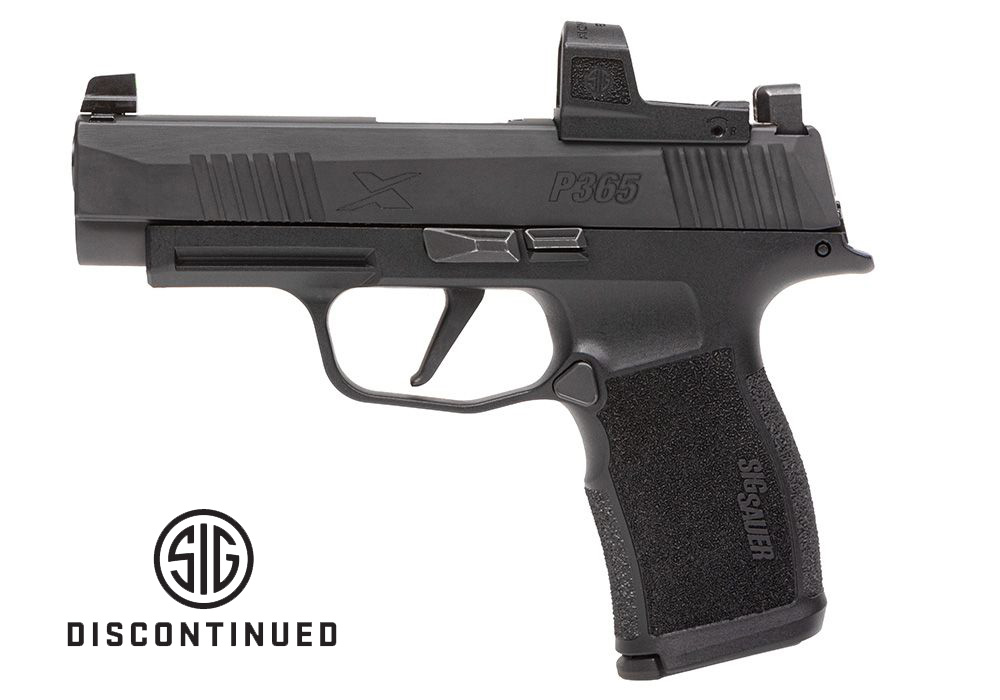
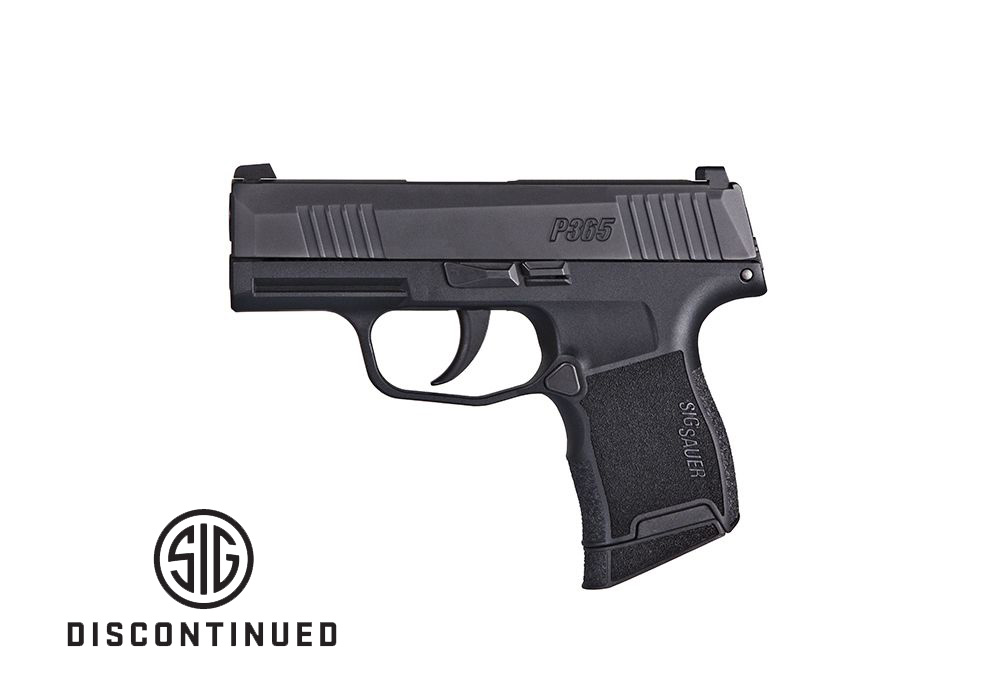
9mm Luger pistols are handguns chambered for the 9×19mm cartridge, also known as 9mm Parabellum or 9mm Luger. The name identifies the chambering, not a single pistol design: this category includes modern full-size, compact, and micro-compact handguns with a wide range of operating systems, frame materials, and features. Although the cartridge has roots in early twentieth-century handgun development, a contemporary 9mm Luger pistol does not necessarily share the distinctive toggle action associated with historic examples. Most modern semi-automatic models use a different operating system, commonly a locked-breech design. That distinction matters when shopping, because “9mm Luger” describes ammunition compatibility rather than the pistol’s size, appearance, or controls. Its enduring popularity reflects several practical advantages, including widely available ammunition, broad firearm selection, and recoil that many shooters find manageable with suitable equipment and instruction. Recoil still varies considerably with pistol weight, grip fit, ammunition, and individual experience; two pistols chambered for the same cartridge can feel quite different on the range. For recreational target shooters, those choices offer room to find a comfortable practice pistol. For eligible owners considering lawful personal protection, the same variety allows comparisons across dimensions, storage needs, and everyday practicality. Organized shooting sports also feature 9mm pistols, although eligibility depends on the rules of the particular discipline and division. Across these uses, the strongest starting point is a clear idea of what the handgun needs to do and where it will spend most of its time. A pistol selected primarily for relaxed range sessions may emphasize weight and a generous grip, while one intended for lawful concealed carry may place greater emphasis on compact dimensions. Neither approach is universally better. The value of a broad 9mm pistol selection lies in finding a combination of fit, features, and ownership requirements that suits the person purchasing it, rather than treating every handgun with the same chambering as interchangeable.
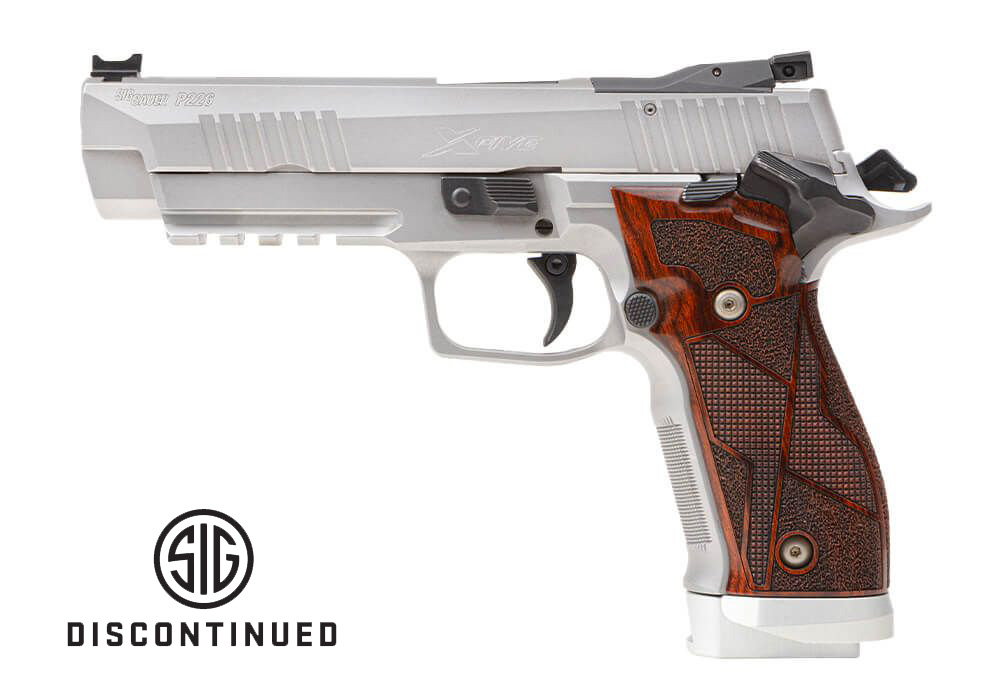
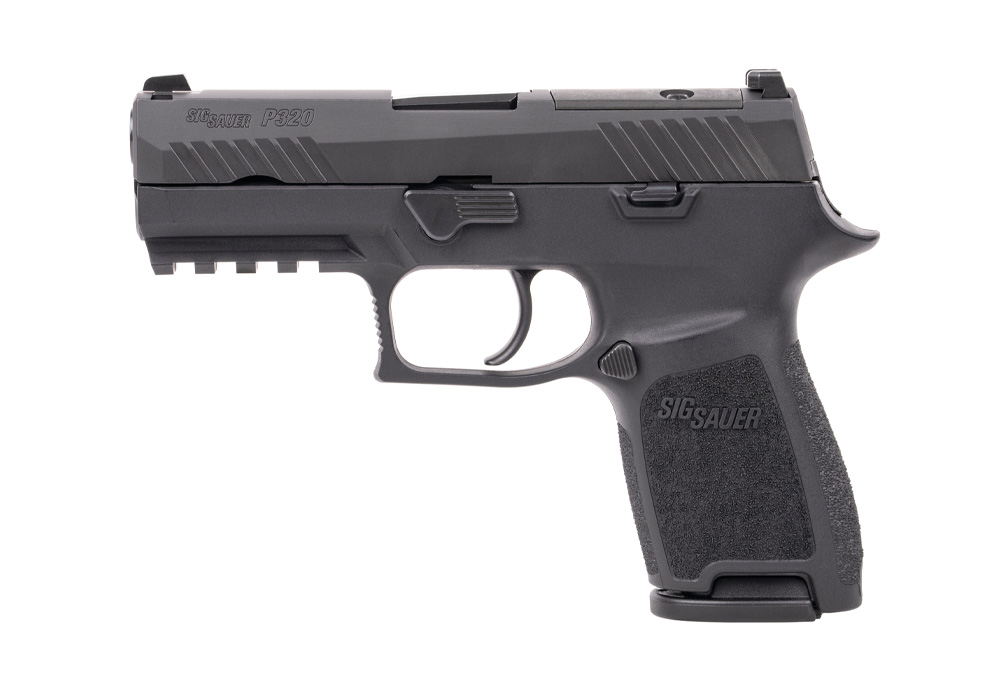
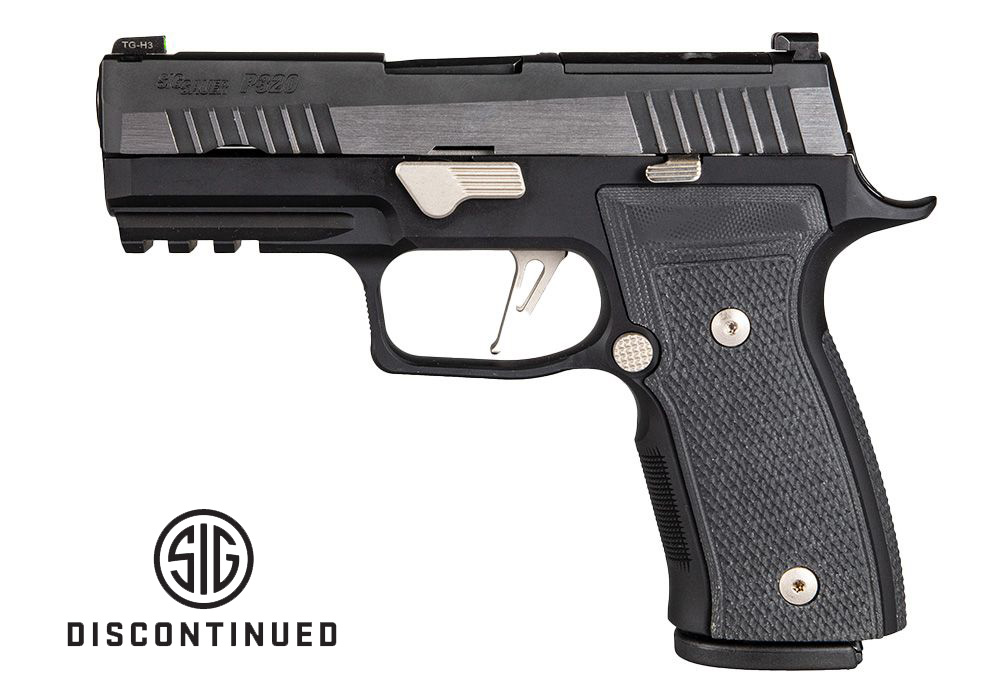
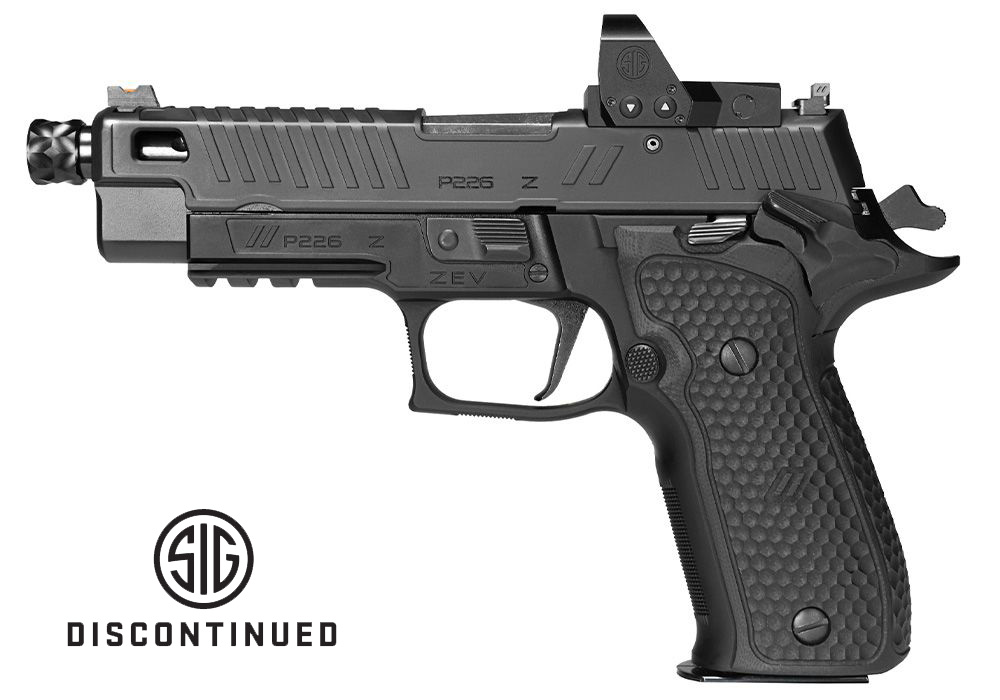
Size and fit deserve close attention when comparing 9mm Luger handguns. Full-size pistols often provide more grip area, additional weight, and a longer sight radius when equipped with iron sights, characteristics that can contribute to a steadier, more comfortable range experience. Compact pistols balance a smaller footprint with usable grip space, while micro-compact designs emphasize reduced dimensions. A smaller handgun is not automatically easier for a new shooter to manage; lighter weight and a shorter grip can make recoil feel more pronounced. Under appropriate supervision, handling an unloaded display pistol can help reveal whether the grip feels secure, the controls are comfortably reachable, and the overall balance suits your hands. If a rental range offers comparable options, trying them with qualified guidance can add useful perspective before a purchase. The difference between a grip that merely looks comfortable and one that remains comfortable through a practice session is often noticeable. Frame construction adds another layer to that comparison. Polymer frames generally keep weight lower, while metal frames often contribute a more substantial feel, though actual weight depends on the complete design. Shoppers interested in metal construction or a particular finish can explore 9mm Stainless Steel Pistols, checking each listing to see which components are stainless steel and how the finish is described. Stainless steel offers corrosion resistance, not freedom from routine care. Sight visibility, grip texture, interchangeable grip components, and control layout are also worth considering, particularly if several household members will receive instruction with the same securely stored firearm. Trigger systems and safety features differ among designs, so familiarity with one pistol should not substitute for reading another pistol’s manual. For optics-ready models, verify the mounting interface and any required hardware rather than assuming universal compatibility. Similarly, compare included magazines, their listed round counts, and applicable legal restrictions. Clear product specifications help separate features you will actually use from those that simply lengthen a feature list.
The full cost of owning a 9mm Luger pistol extends beyond the firearm itself. A realistic budget includes secure storage, suitable eye and hearing protection, compatible ammunition, routine cleaning supplies, and qualified instruction. Depending on the intended use, a properly fitted holster and additional manufacturer-approved magazines may also be relevant. Ammunition labels deserve particular care: 9mm Luger, 9×19mm, and 9mm Parabellum refer to the same cartridge, but other cartridges with “9mm” in their names are not automatically interchangeable. Follow the firearm manufacturer’s ammunition specifications, including any guidance on higher-pressure loads. Product listings should also be checked for dimensions, unloaded weight, included accessories, warranty terms, and service support. Those details become meaningful after the excitement of choosing a pistol has passed, when the everyday routine consists of packing a range bag, checking equipment, and keeping everything clean and securely stored between outings. During the cooler months, indoor range sessions can provide a consistent setting for practice and instruction, while damp outdoor conditions make attentive care especially important. Let the owner’s manual, rather than general assumptions about a finish or material, determine maintenance requirements. For someone returning to shooting after a long break, a familiar chambering can be appealing, but a refresher course remains worthwhile when controls, eyesight, or hand strength have changed. New owners benefit from patient instruction and a purchase process that leaves room to compare fit without pressure. Experienced recreational shooters may instead be looking for a different size, a more comfortable grip, or features appropriate to a particular sporting discipline. If a firearm is being considered as a gift, the recipient’s preferences, legal eligibility, and all applicable transfer requirements need to come first; fit and control familiarity are too personal to guess casually. Every purchase should account for federal, state, and local requirements, along with a plan to prevent unauthorized access. A well-considered 9mm Luger pistol purchase brings together suitable dimensions, clear specifications, dependable support, and a commitment to responsible ownership long after the first range visit.