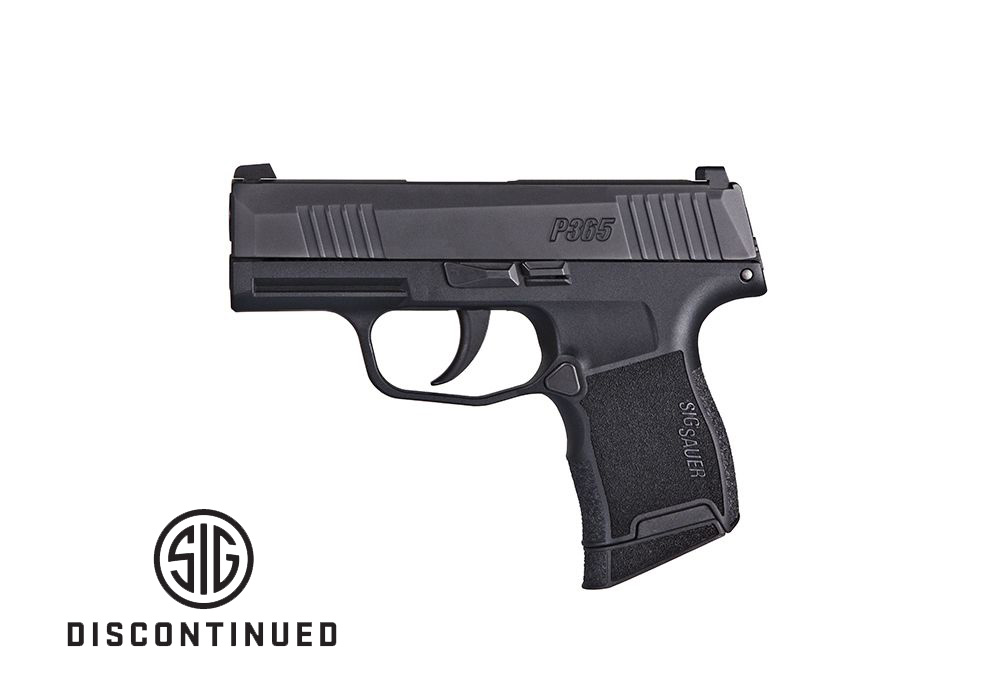
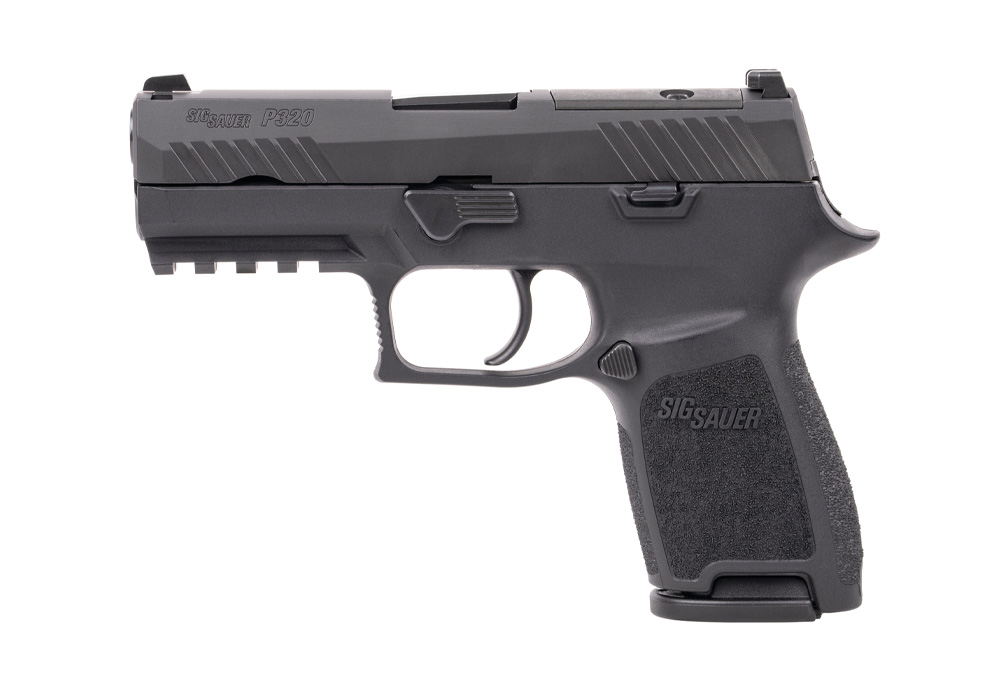
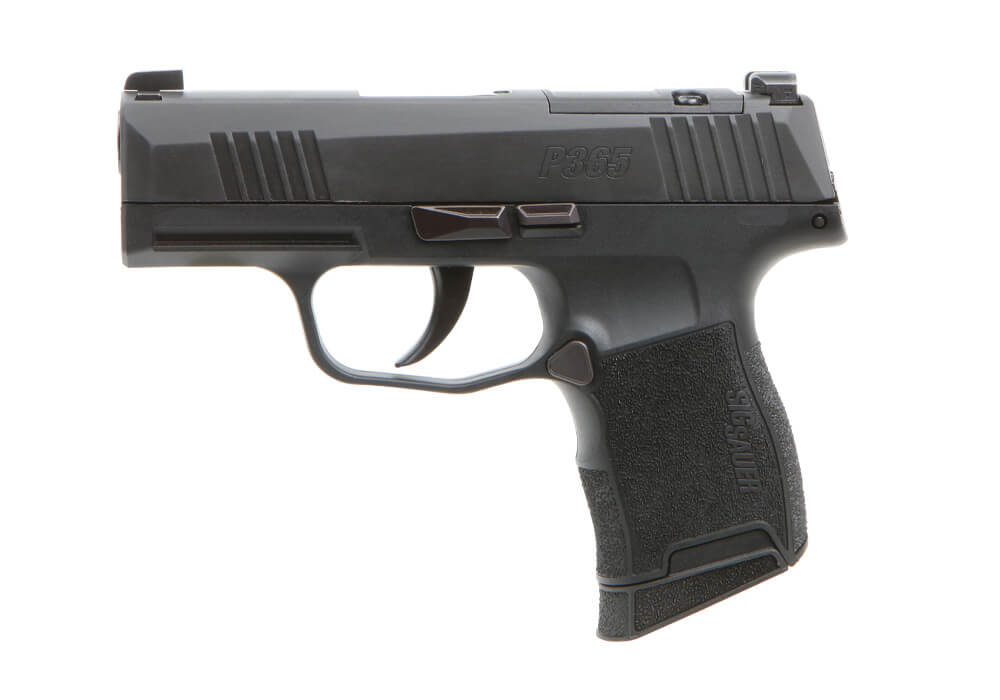
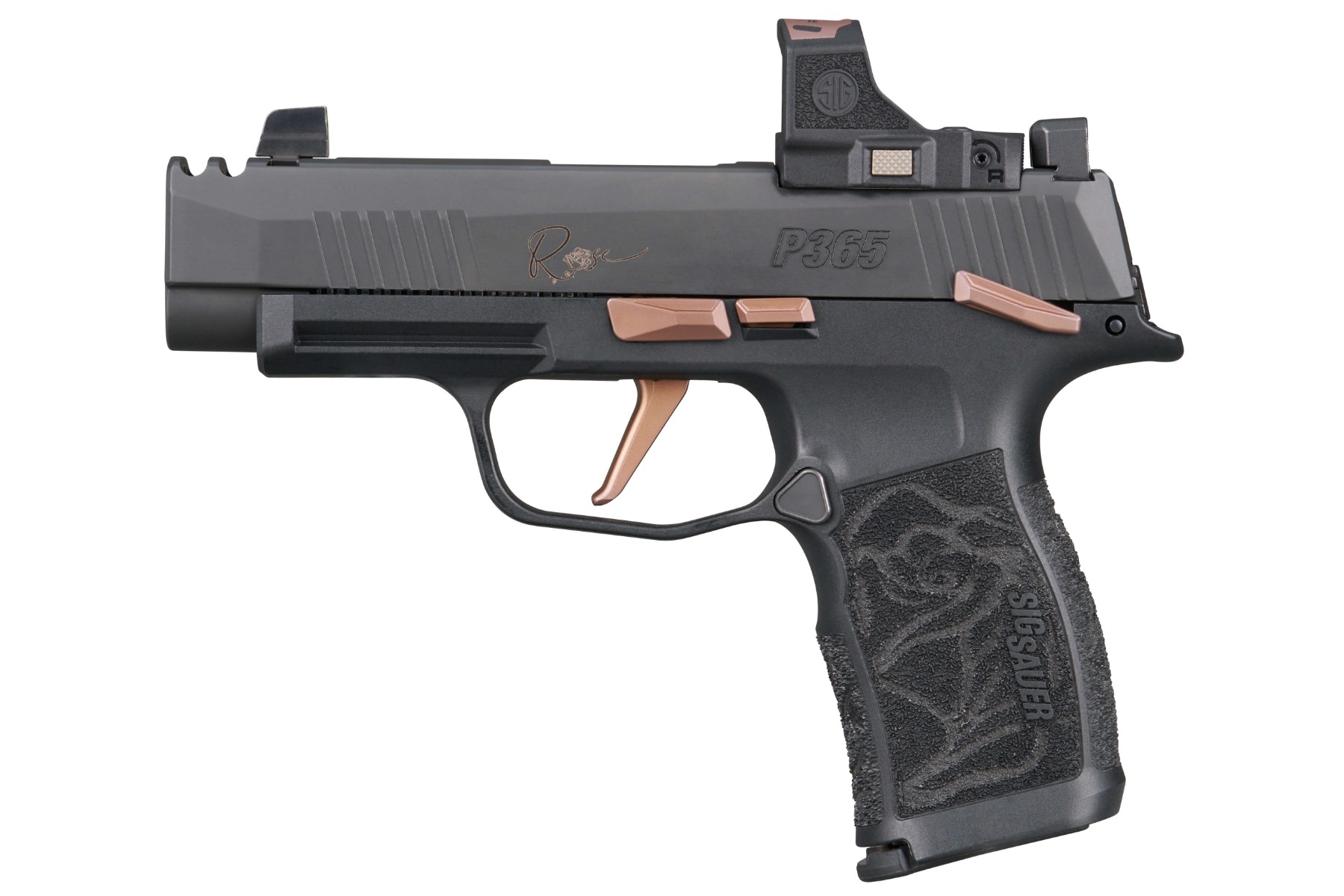
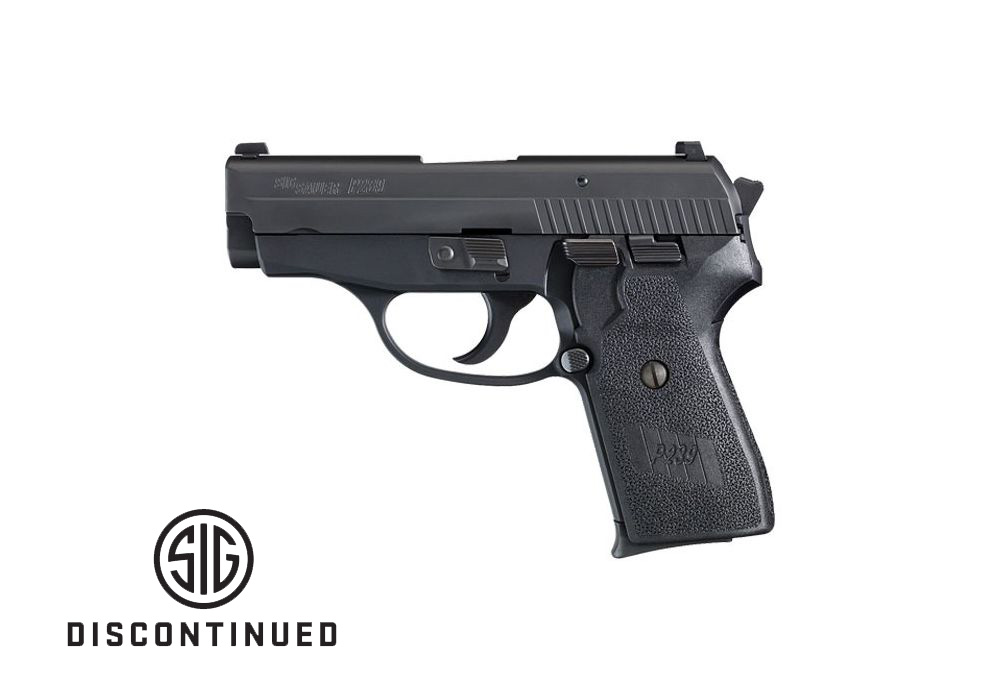
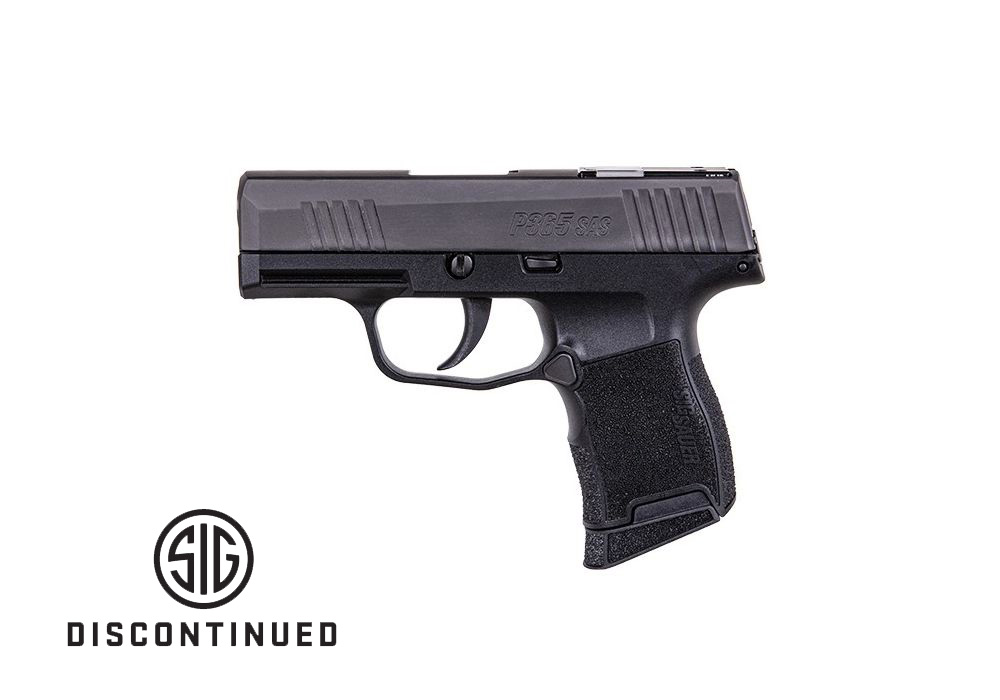
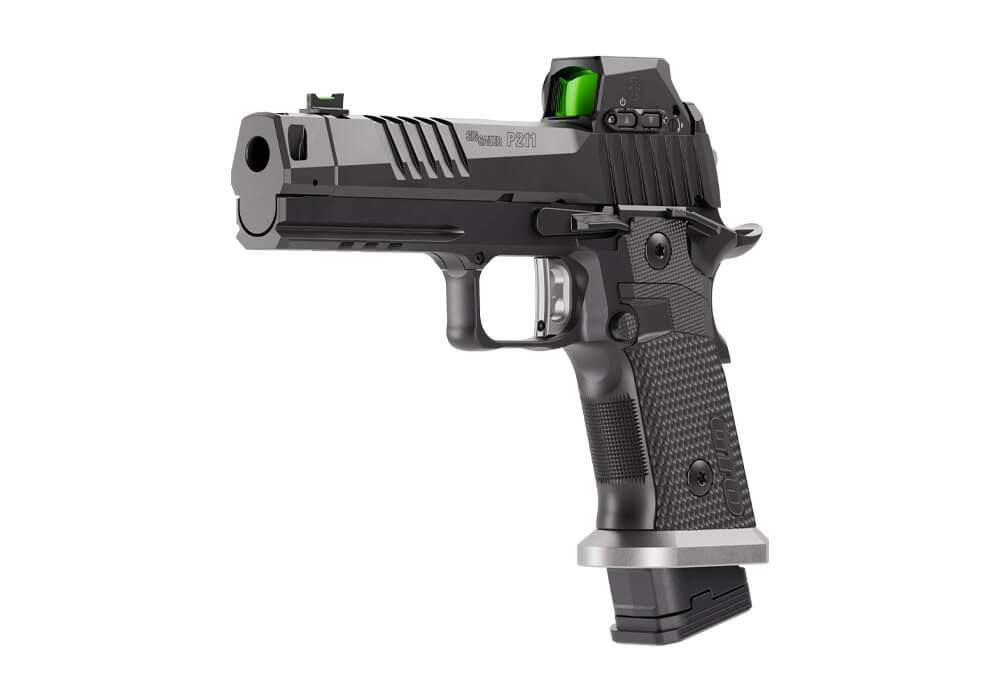
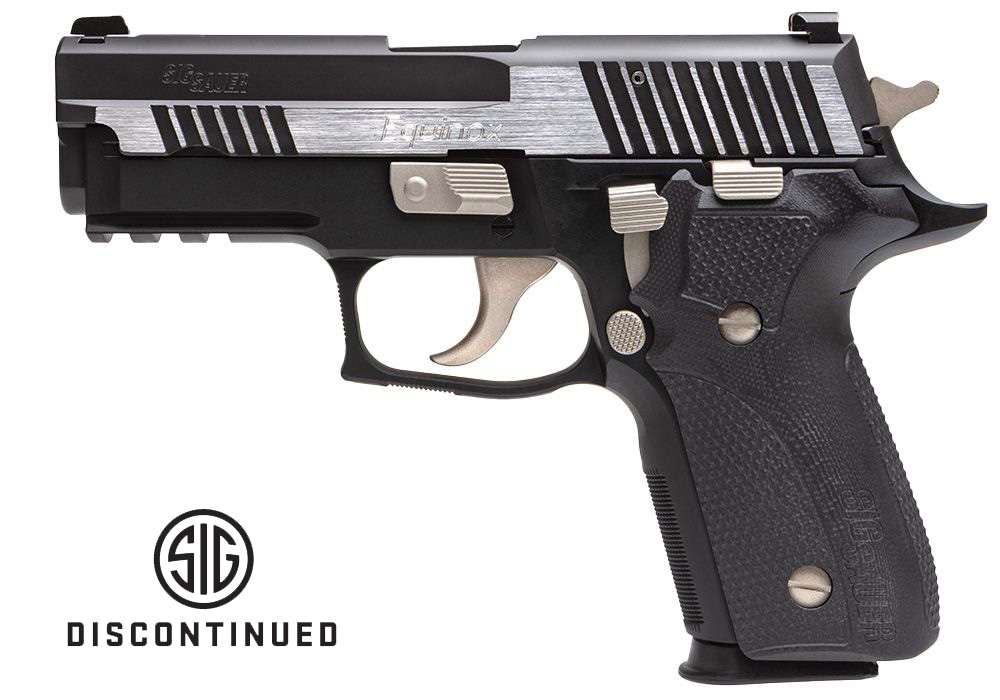
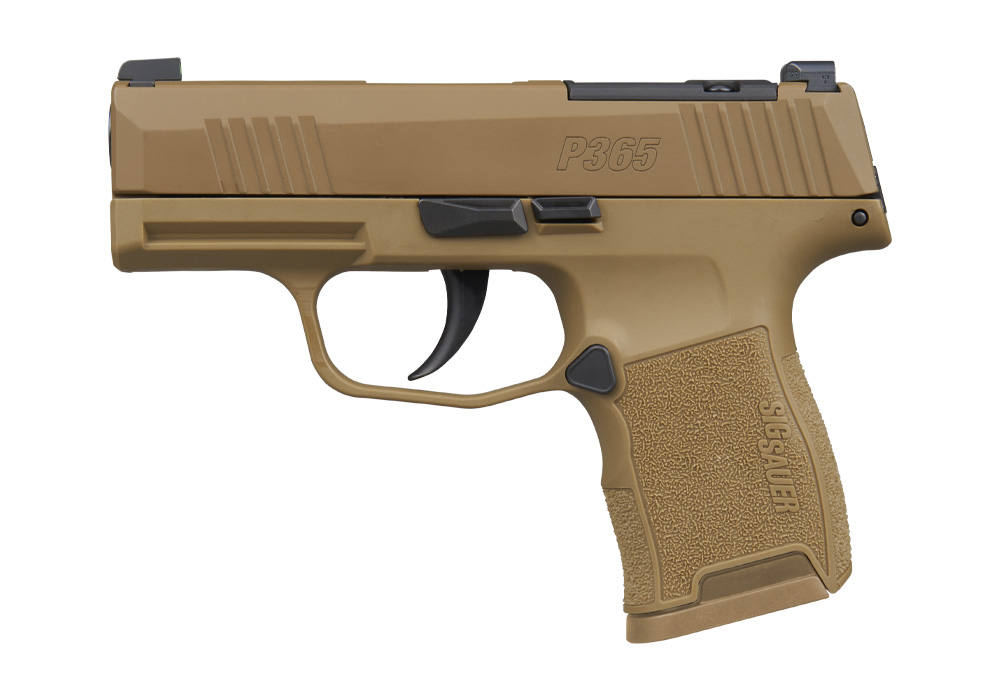
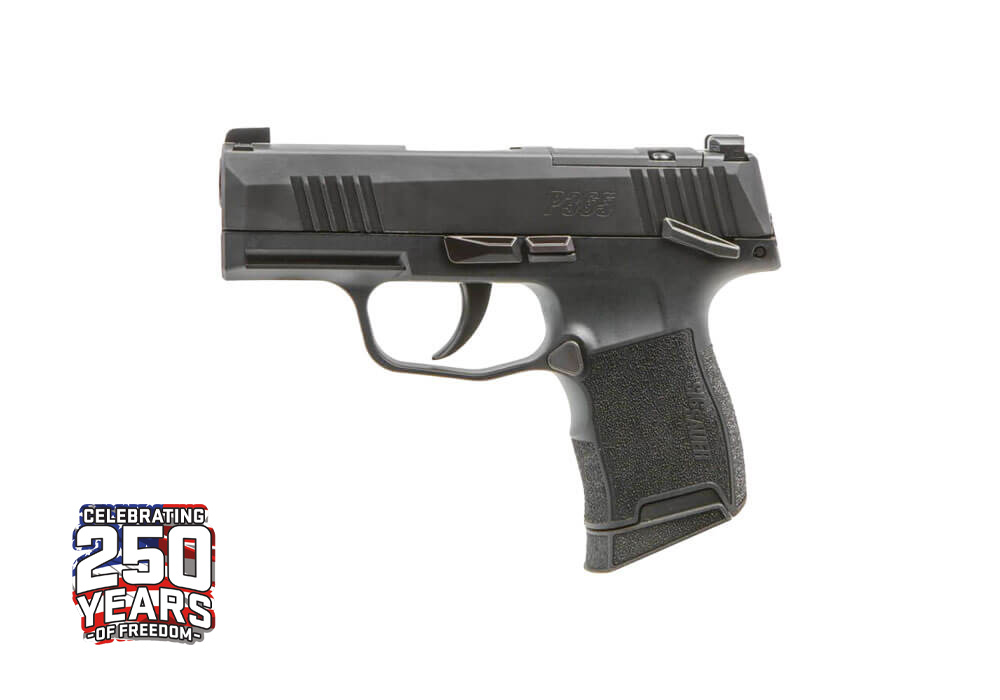
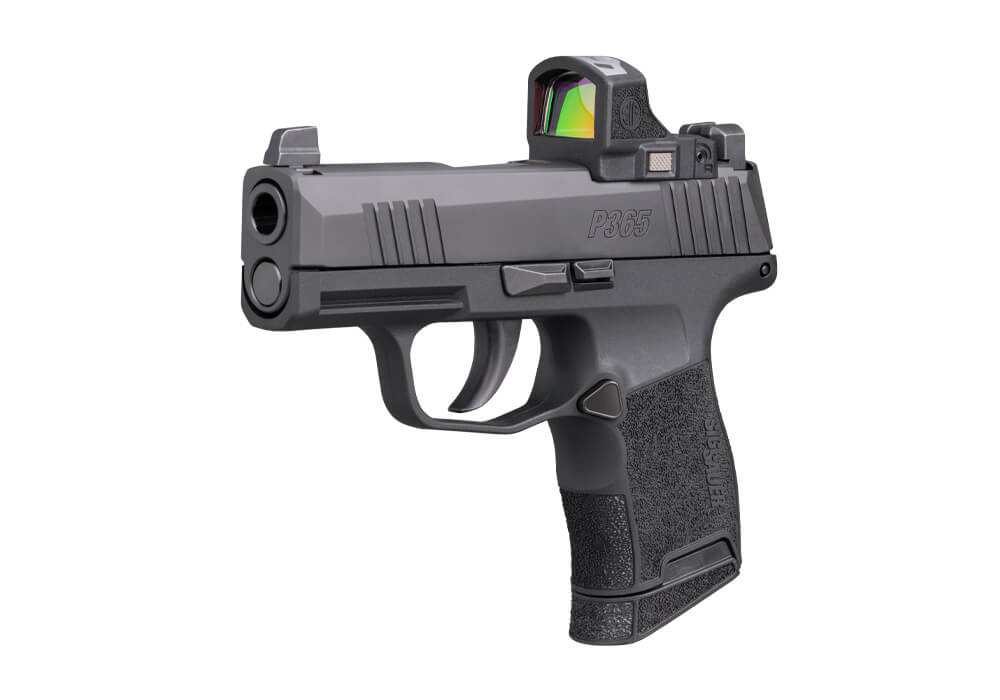
Compact 9mm handguns are pistols chambered in 9mm with dimensions that balance convenient carry, usable grip space, and practical handling. Many compact designs have barrels measuring about 3.5 to 4 inches, although exact measurements and size classifications vary by manufacturer. Magazine configurations often hold 10 to 15 rounds, with other options depending on the design and applicable laws. Compared with a full-size handgun, a compact pistol generally has a shorter grip, slide, or both; compared with a smaller micro-compact, it may provide more room for the shooting hand and additional weight to help moderate felt recoil. Those differences explain the category’s appeal for lawful concealed carry, home protection, and regular range practice. A pistol that fits comfortably in a suitable holster can also provide enough grip area for consistent handling during a supervised class or practice session. Overall dimensions matter more than the compact label alone. Grip length influences how easily the handgun conceals beneath everyday clothing, while slide width, frame shape, and loaded weight affect how it feels when carried. A shorter barrel does not necessarily mean a noticeably smaller grip, and a slim frame does not guarantee a comfortable trigger reach. Flush-fitting magazines generally preserve the shortest grip profile, while compatible extended magazines may provide additional finger support or hold more rounds. Any magazine must match the handgun’s specifications rather than simply share its caliber. For responsible adult owners, the most useful balance is a firearm that suits the intended role without sacrificing a secure hold or manageable controls. Someone who spends much of the day seated may prioritize comfortable holster placement and a less prominent grip, while a frequent range visitor may value a fuller grip and clearly visible sights. Compact 9mm pistols serve these overlapping needs, but differences in dimensions, operating systems, and ergonomics remain important within the category.
Materials and fit shape the character of a compact handgun as much as its measurements. Polymer frames are common because they keep weight relatively low and allow textured grip surfaces to be integrated into the frame. Aluminum-alloy frames offer another balance of weight and rigidity, while steel components provide strength in areas such as the slide and barrel. A lighter pistol can be easier to carry for extended periods, but a heavier design may feel steadier during range use; perceived recoil also depends on ammunition, grip fit, and the firearm’s operating system. Surface treatments can improve resistance to corrosion and everyday wear, although no finish eliminates the need for care. Grip texture deserves particular attention because it must provide traction without creating uncomfortable pressure against the hand or clothing. With the firearm unloaded and all safety rules observed, fit can be evaluated through the relationship between the palm, backstrap, trigger reach, and controls. A grip that leaves the little finger unsupported can feel different from one that accommodates the whole hand, even when the two pistols have similar barrel lengths. Interchangeable backstraps or modular grip components, where offered, can help accommodate different hand shapes, but those features are not universal. For shoppers seeking a balanced grip profile, Medium Grip 9mm Compact Pistols offers a related selection centered on grip size. Control layout also varies. Striker-fired and hammer-fired mechanisms have distinct operating characteristics, and external manual safeties are separate features that depend on the individual design. No mechanical safety replaces safe handling. Sight options range from conventional iron sights to slides configured for compatible compact red-dot optics. An optics-ready slide still requires attention to the mounting interface, any necessary adapter plate, and the sight manufacturer’s requirements. Clear sight visibility, accessible controls, and a grip that does not demand an awkward hand position all contribute to a more comfortable experience. These details often become more apparent during hands-on evaluation than through a photograph or a dimension chart.
Long-term satisfaction with a compact 9mm pistol depends on how well its design fits everyday ownership, including maintenance, storage, holster compatibility, and practice. Reliable performance relies on appropriate ammunition, serviceable magazines, and care consistent with the owner’s manual. The 9mm designation alone does not establish compatibility with every loading; the firearm manufacturer’s ammunition specifications remain the reference. Cleaning requirements vary by design, and lubrication should follow the recommended type and amount rather than a general assumption that more is better. Carry lint, perspiration, and residue from range use can collect around surfaces and moving components, making routine inspection worthwhile even when a handgun has not seen extensive firing. Finishes, grip panels, optic lenses, and seals may require different cleaning products, so material compatibility matters. Durability also includes small components that experience wear over time, such as springs and magazine parts. Inspection and service at the recommended intervals help keep condition consistent with the firearm’s intended use. A carry setup adds another layer of fit: the holster should be designed for the handgun’s exact configuration, retain it securely, and fully cover the trigger guard. An attached optic or light can change holster requirements, and a supporting belt can influence comfort as much as the pistol’s weight. Secure storage is equally important, whether the handgun is carried regularly or reserved for range visits. A suitable locked storage solution helps prevent unauthorized access, particularly in homes with children or visitors. For owners who divide time between carry and recreational shooting, a compact pistol’s appeal often lies in familiarity: the same grip shape, sight arrangement, and control layout can remain consistent across lawful uses. Professional instruction and supervised range experience can help establish safe handling habits and reveal whether a particular size is comfortable over a full practice session. A handgun that seems appealing at first touch may feel different after repeated use, making fit, upkeep, and manageable handling more meaningful than any single specification. Compact 9mm handguns bring these considerations together in a versatile size category for responsible ownership.