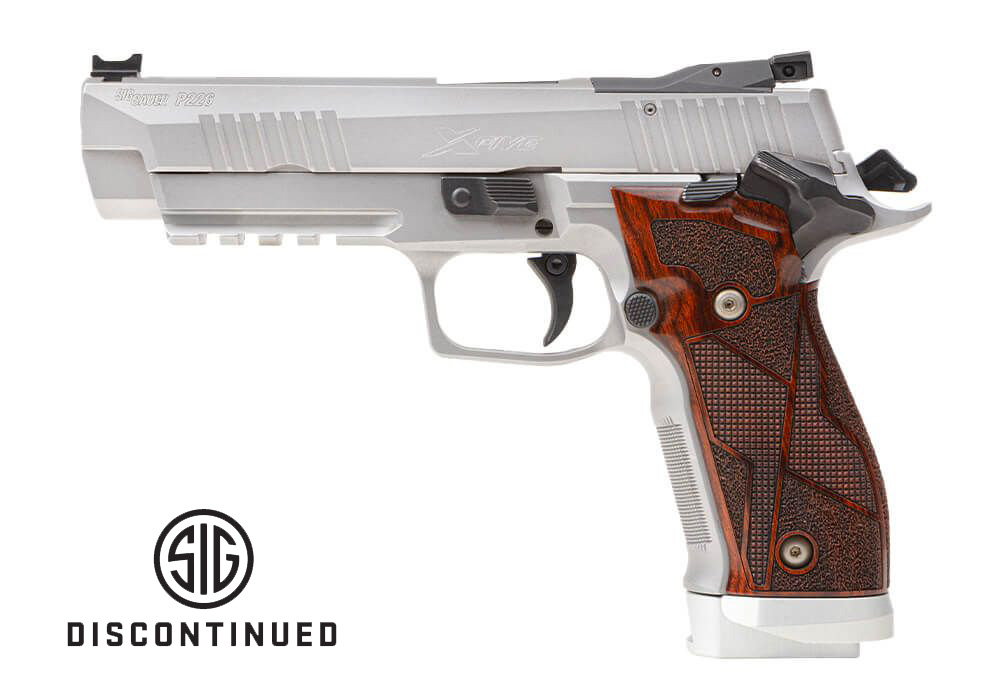
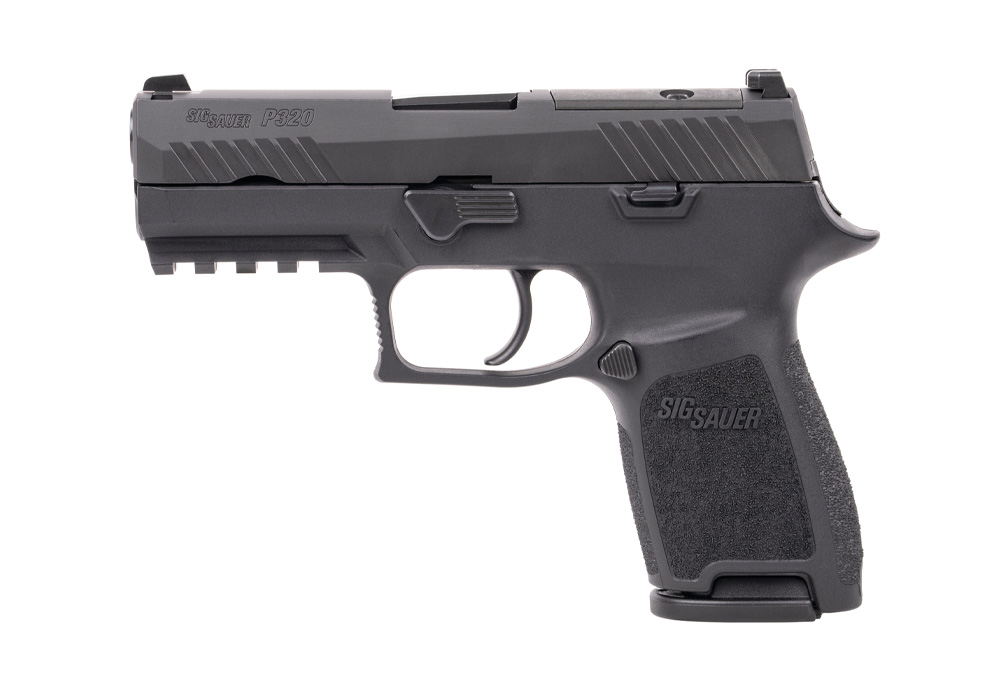
Compact double action 9mm handguns combine a practical carry size with a familiar operating system and the widely used 9mm cartridge. In a traditional double-action/single-action design, the first trigger pull is typically longer and heavier, while subsequent shots may use a shorter, lighter single-action pull after the slide cycles. That difference gives these handguns a distinct feel and makes trigger control, safe handling, and consistent practice especially important. Compact dimensions can make a pistol easier to carry beneath a jacket, overshirt, or other everyday clothing during the cooler months, while still offering a grip that is substantial enough for a secure hold. Compared with smaller subcompact designs, a compact frame may provide more room for the shooting hand, a longer sight radius, and a balance that feels steadier during practice. Barrel lengths commonly fall in the compact range, offering a useful compromise between portability and shootability without making the handgun unnecessarily difficult to store or transport. Buyers comparing products in this category should pay close attention to overall length, height, unloaded weight, grip shape, and the position of the controls. A handgun that looks compact on a product page may feel very different once carried in a holster or held with a full firing grip. The right fit leaves the trigger finger naturally indexed along the frame until the sights are aligned and allows the support hand to reinforce the grip without crowding the controls. Frame materials also influence the experience. Metal frames often add weight and can help soften felt recoil, while polymer frames may be easier to carry over long periods. Neither approach is automatically better; the best choice depends on how the handgun fits the intended routine, clothing, hand size, and training habits.
Control configuration is another central consideration when choosing a compact DA/SA 9mm handgun. Some models use a decocker that safely lowers the hammer without requiring the trigger to be pulled, while others combine decocking with a manual safety or offer a different control arrangement. The location, direction, and resistance of these controls should be familiar before the handgun is carried or used. Buyers should also consider whether they prefer a visible hammer, a particular type of rear sight, an accessory rail for a compatible light, or grip panels that can be changed to improve comfort. Magazine capacity may vary by model, and standard or extended magazines can affect both concealment and grip length. It is worth checking the dimensions of any spare magazines, as a longer magazine can be useful for practice or as a backup while being less convenient for discreet carry. Reliability is best evaluated through responsible testing with the specific handgun, magazines, and ammunition combination selected, rather than assumed from appearance alone. For range use, look for a configuration that encourages repeatable practice with both the initial double-action pull and the lighter single-action trigger that follows. For lawful concealed carry, consider a purpose-built holster that fully covers the trigger guard, maintains the handgun’s position, and works with the belt and clothing used most often. For home protection, secure storage, quick access under a practiced plan, and awareness of household members are just as important as the handgun itself. A compact 9mm may be selected by an experienced carrier who wants a refined metal-framed feel, by a new owner seeking a manageable platform for instruction, or by a recreational shooter who values the distinctive rhythm of a DA/SA trigger system. It can also be a thoughtful gift for an eligible adult only when local laws permit the transfer and the recipient’s preferences, training, and storage arrangements are known. In many cases, a gift card, range session, or opportunity to choose the firearm personally is more appropriate than selecting a handgun on someone else’s behalf.
Those who prefer a consistent trigger pull from the first shot through the last may also want to review Double Action Only Compact Pistols as a related category. Double-action-only designs differ from DA/SA handguns because every shot uses the same general trigger mode, which can simplify the manual of arms for some shooters while requiring focused practice with a longer pull. Regardless of action type, safe ownership begins with the four foundational rules: treat every firearm as loaded, keep the muzzle pointed in a safe direction, keep the trigger finger outside the trigger guard until ready to fire, and be certain of the target and what lies beyond it. Store the handgun unloaded when appropriate, separate from ammunition where required or preferred, and secured against unauthorized access. Before purchasing, confirm state and local requirements for eligibility, waiting periods, registration, transport, magazine restrictions, and concealed carry. New owners should plan instruction with a qualified firearms professional and practice from a stable position before attempting more demanding drills. Regular maintenance also matters; follow the manufacturer’s instructions for inspection, cleaning, lubrication, and replacement of wear components. During the cooler months, heavier clothing can affect access, holster placement, and the way a grip clears a cover garment, while gloves may change trigger feel and dexterity. These details deserve attention during practice in conditions that resemble everyday use. A compact double action 9mm handgun is ultimately a balance of dimensions, controls, weight, capacity, comfort, and training requirements. Comparing those factors carefully helps shoppers choose a configuration that feels natural in the hand, fits their lawful purpose, and remains practical from the first trip to the range through years of responsible ownership.