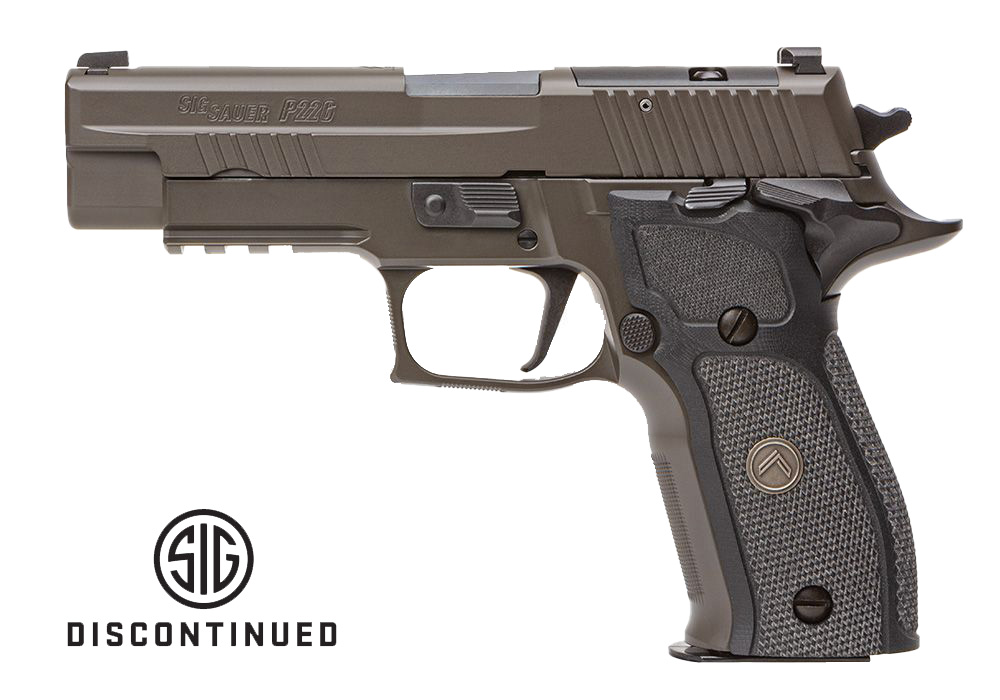
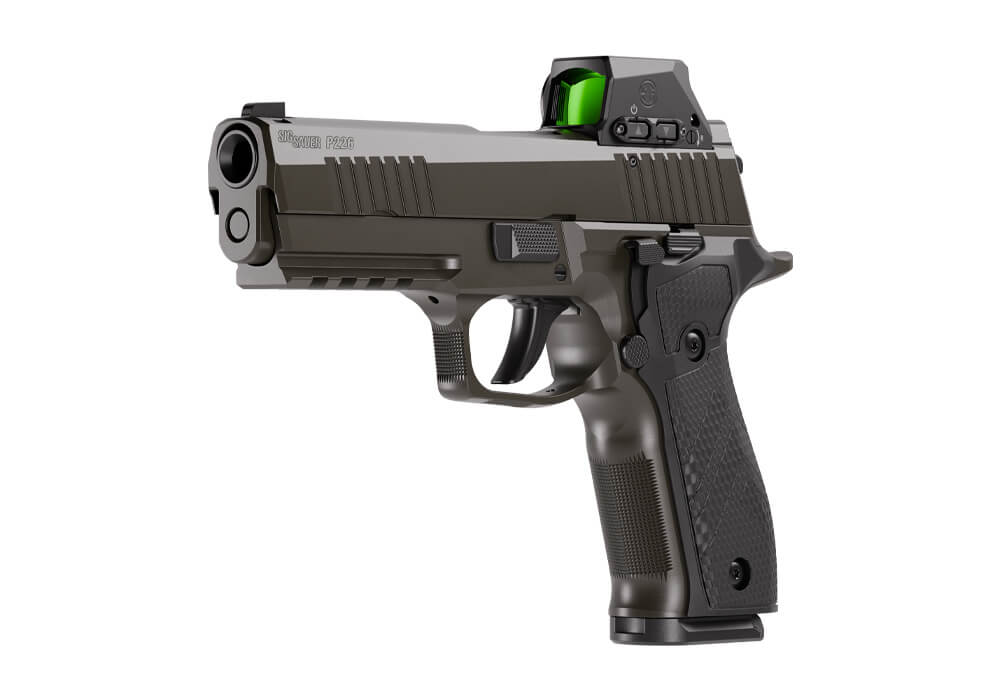
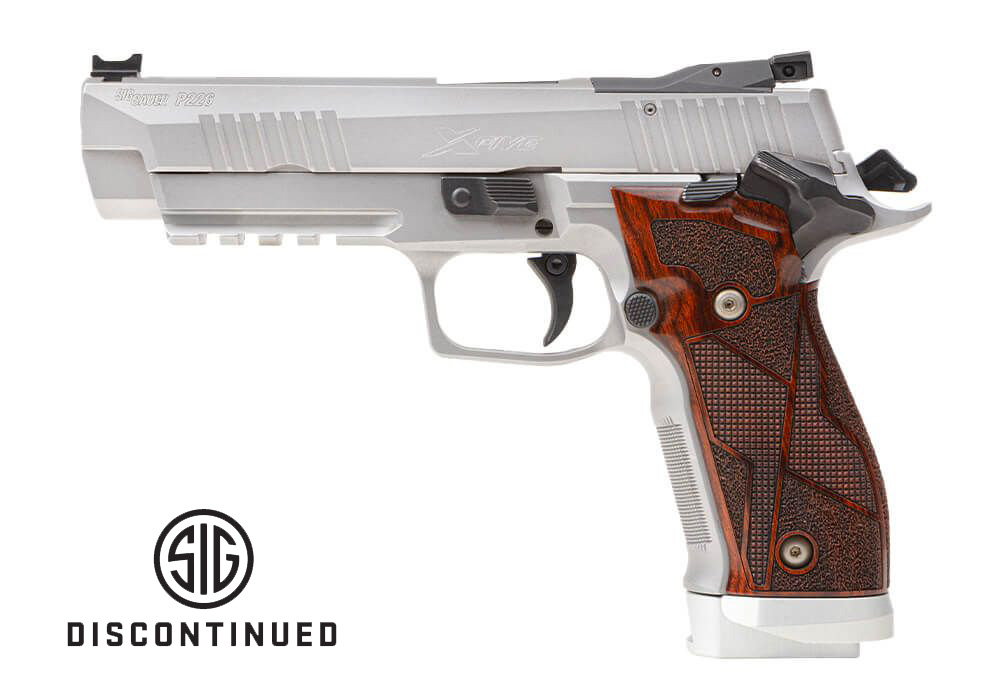
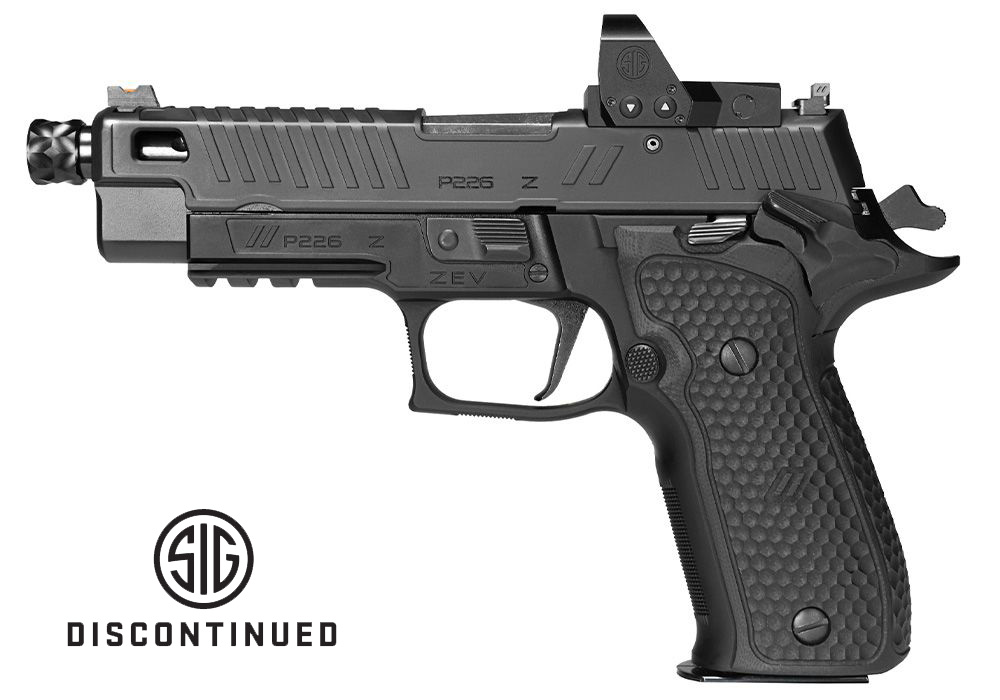
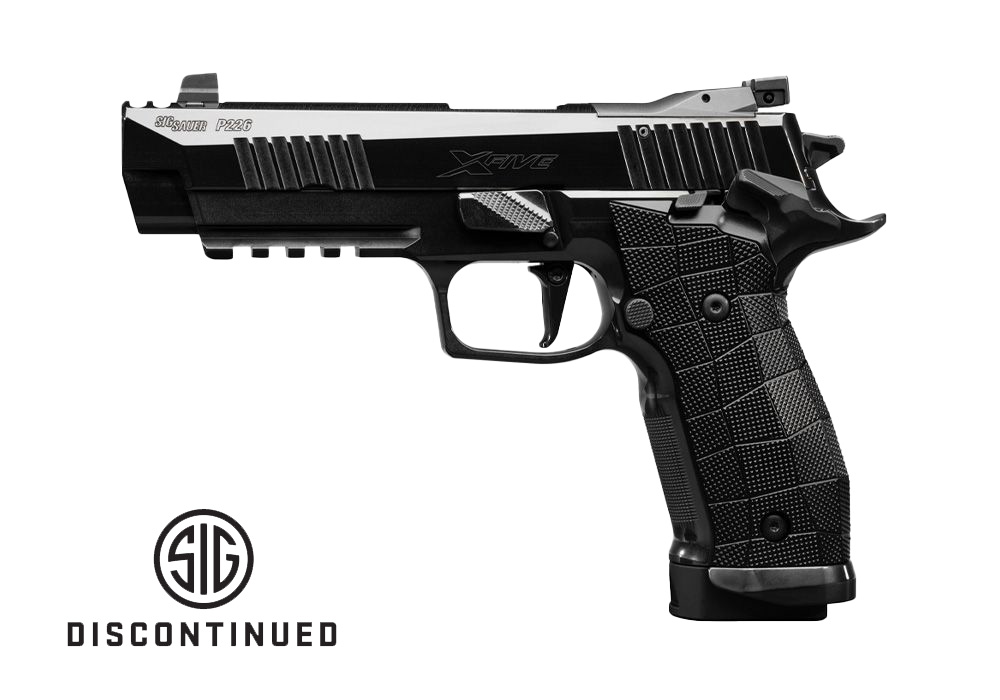
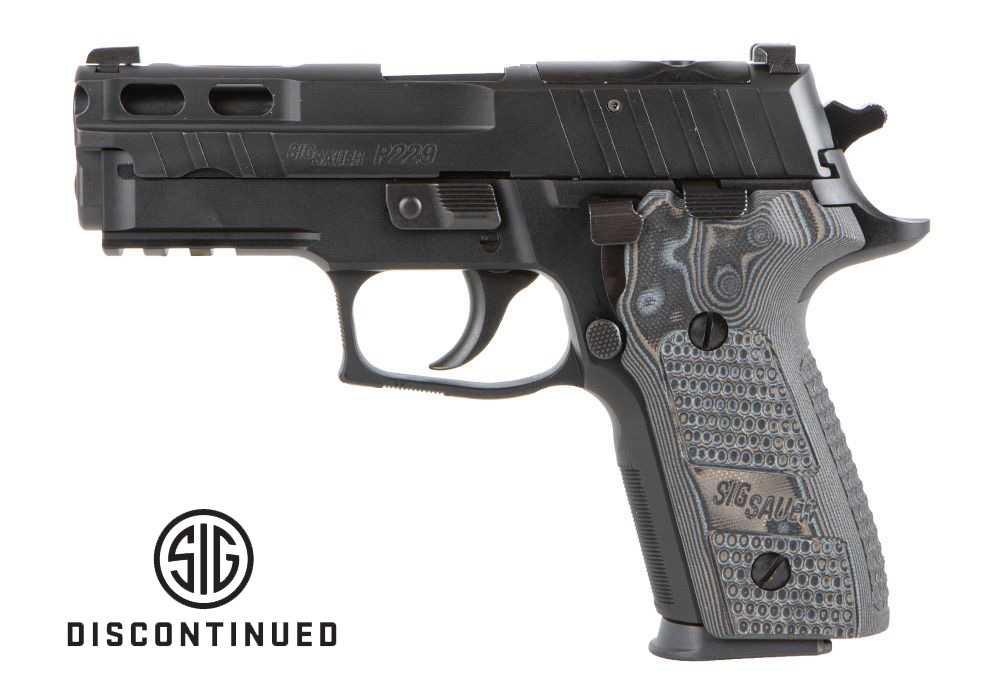
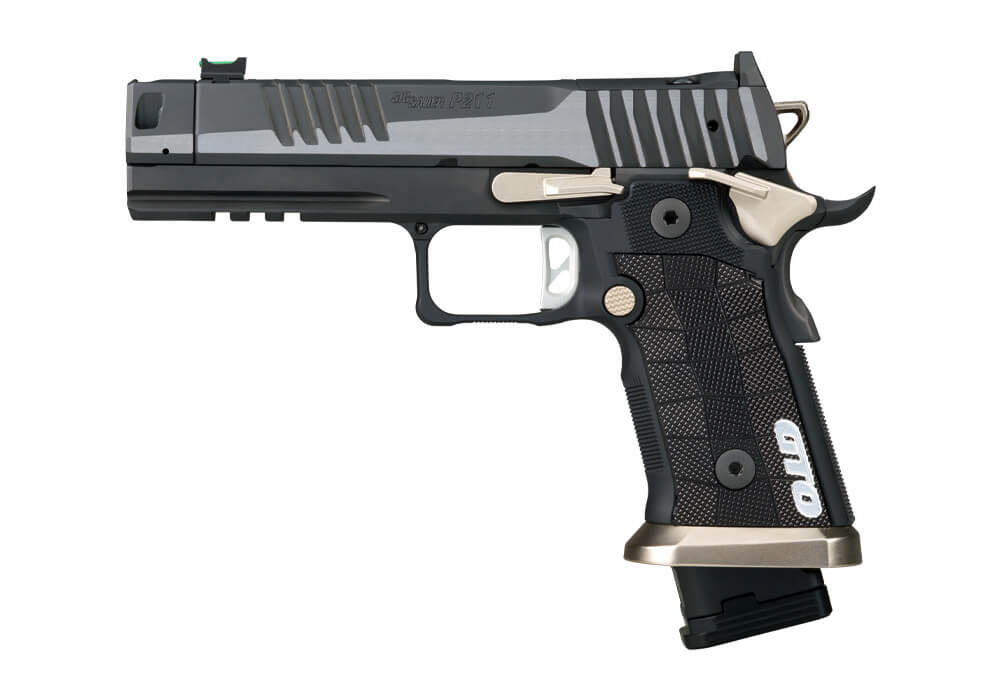
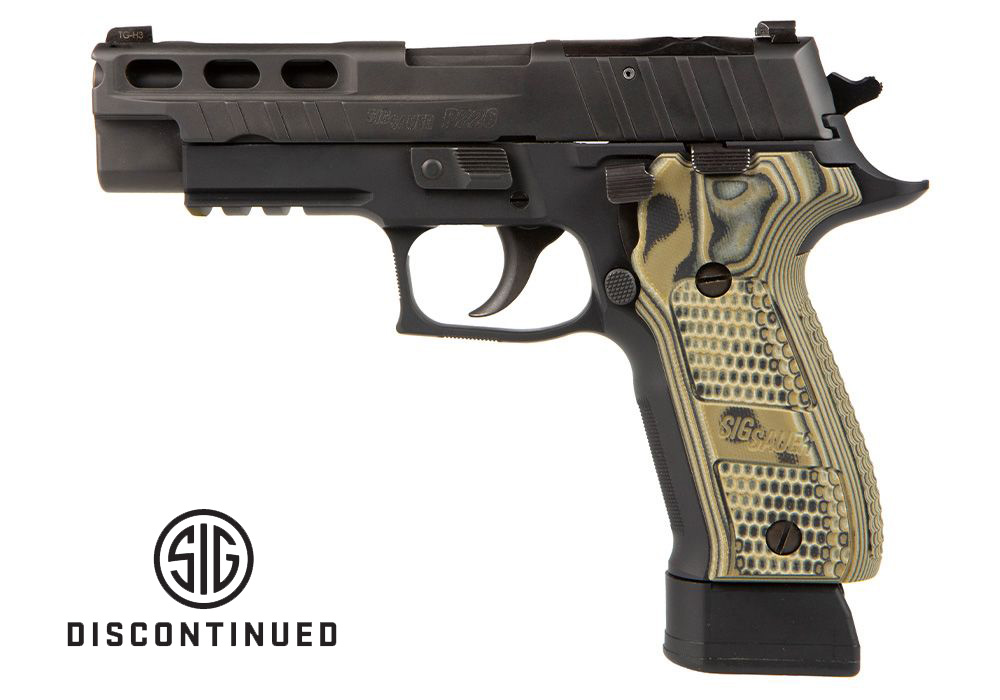
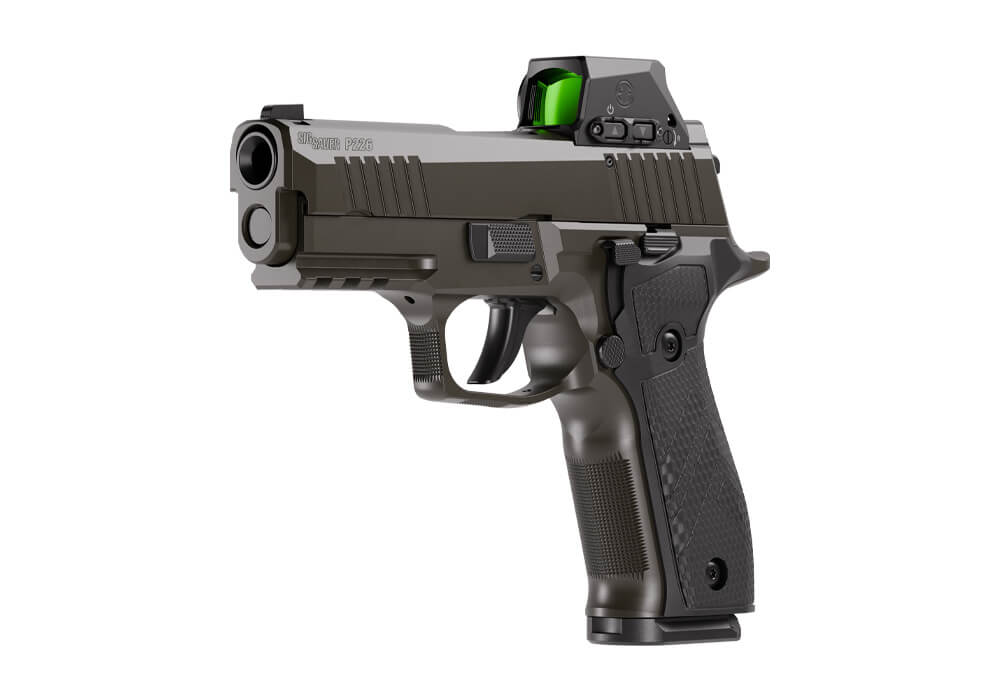
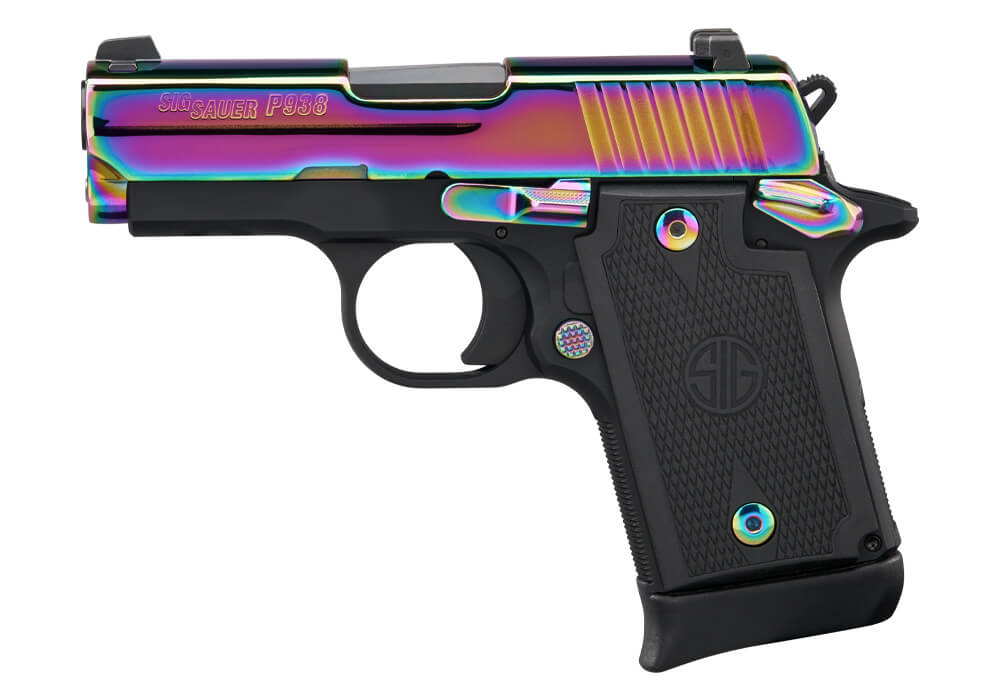
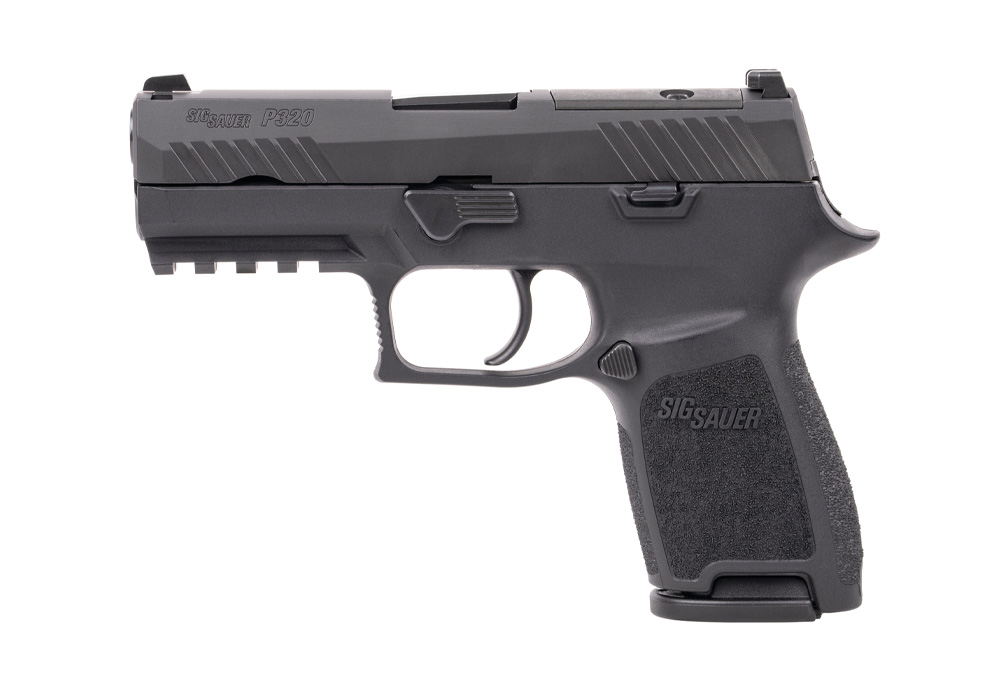
Double Single Action 9mm Pistols combine two trigger systems in one practical platform. The first trigger press operates in double-action mode, drawing the hammer back and releasing it with a longer, heavier pull. After that cycle, the slide moves to the rear and cocks the hammer for single-action operation, giving subsequent shots a shorter, lighter trigger press. This arrangement offers a distinct balance of readiness, control, and consistency. Many owners appreciate the deliberate first pull when carrying a loaded pistol with the hammer lowered, while also valuing the refined feel of the single-action trigger during practice. Controls vary by design, so shoppers should review whether a particular pistol uses a decocker, a manual safety, or a combined safety and decocking lever, along with the position and movement of those controls. The grip should fit the hand without forcing the trigger finger to stretch or curl, and the sights should be easy to acquire against a variety of backgrounds. A well-shaped grip can feel especially helpful during longer range sessions, when small discomforts become much more noticeable. Weight also deserves attention: a heavier metal-frame pistol can soften felt recoil and settle quickly between shots, while a lighter polymer-frame option may be easier to carry for extended periods. Full-size, compact, and mid-size configurations each bring a different balance of sight radius, handling, concealment, and comfort. Magazine options, rail space, ambidextrous controls, finish, and replacement-part availability can further shape the experience over years of ownership.
A Double Single Action 9mm Pistol may suit a first-time owner who is willing to invest in instruction, an experienced shooter refining defensive skills, or a range enthusiast who enjoys the mechanical rhythm of a hammer-fired design. These pistols can serve for lawful home protection, structured practice, and skill development, provided the owner follows all applicable laws and receives qualified training. For home use, secure storage is essential: keep the firearm inaccessible to unauthorized people, use a suitable locking device or secure container, and store ammunition according to local requirements and the instructions supplied with the firearm. At the range, the DA/SA system rewards a calm, repeatable routine. Begin with the heavier double-action press, maintain a firm but relaxed grip, and allow the sights to return naturally before the next shot. As practice continues, the transition to the lighter single-action press becomes more familiar. Dry practice can help build comfort with the controls when performed with an unloaded firearm in a suitable location, with ammunition kept elsewhere and the muzzle directed toward a safe backstop. A new owner should learn how to verify the chamber, operate the decocker or safety, clear the pistol, and respond to a stoppage under the supervision of a qualified instructor. Hearing and eye protection belong in every live-fire session, and a simple log of practice sessions can reveal useful patterns in grip, trigger control, and sight alignment. During the cooler months, people may also spend more time at indoor ranges, where a compact case, a comfortable holster, and dependable eye and ear protection help keep the session organized from the first magazine to the last.
Choosing among these pistols is easier when the intended role comes first. A home-defense user may prioritize a comfortable grip, visible sights, straightforward controls, and enough weight for stable handling. Someone who trains often may place greater emphasis on trigger consistency, a durable finish, a useful accessory rail, and controls that can be reached without shifting the firing grip. For concealed carry, overall dimensions, holster support, belt position, and daily comfort matter as much as the pistol’s specifications; a firearm that remains secured and comfortable is more likely to be carried responsibly and practiced with regularly. A recipient considering one as a gift should be involved in the selection whenever possible, since hand size, experience, storage arrangements, and local regulations are personal factors. Firearms should only be transferred through lawful channels and only to an eligible adult who understands safe handling and accepts the responsibility of ownership. Shoppers comparing frame materials should handle unloaded examples when permitted, paying attention to balance, grip texture, reach to the trigger, and the effort required to operate each control. It is also wise to confirm included accessories, warranty support, compatible holsters, sight options, and the availability of training ammunition before settling on a configuration. Those who prefer a different operating system can also explore Double Action Only Compact Pistols for a consistent trigger press from the first shot through the remainder of the session. With thoughtful selection, secure storage, regular training, and respect for every firearm-handling rule, a DA/SA 9mm pistol can become a dependable part of a disciplined range routine or a carefully planned personal-protection setup.